Families are drawn to villas for obvious reasons: real bedrooms, a private pool, room for the kids to run around without disturbing anyone. But the same privacy that makes villas appealing also raises a nagging question. If there is no front desk, no lifeguard and no other guests around, are kid-friendly villas actually safe and practical for young children?
The honest answer is that it depends entirely on the property. Some villas are practically designed for families, with gated pools, stair gates and a fully equipped kitchen. Others are romantic hideaways that were never built with toddlers in mind. This guide walks you through the questions that matter: which safety features to verify before booking, how bedrooms and bathrooms should be laid out, what kitchen and laundry equipment to confirm, how close to shops and beaches you really need to be, and how to book without stress. Ask the right questions up front, and a villa can be the most comfortable base your family has ever had on vacation.
Are Villas Kid-Friendly? The Honest Answer
Villas can suit children remarkably well. Your family gets private space instead of a single hotel room, a kitchen for breakfasts and picky-eater dinners, and outdoor areas where kids can play freely without you worrying about noise or neighbors. A toddler can nap in one room while older siblings splash in the pool under your supervision, and nobody has to tiptoe around at 7 p.m.
The trade-off you need to accept
What villas don’t offer is hotel infrastructure. There is no reception desk to call when something breaks, no kids club to entertain the children for an hour, and no staff on site unless the villa specifically includes a housekeeper, caretaker or concierge. If you arrive late and the key lockbox code doesn’t work, you’re solving it yourself with a phone call. Families who rely on hotel services sometimes find this adjustment harder than expected.
The bigger point is this: kid-friendliness depends on the individual property, not the villa category. Two villas on the same street can be completely different experiences. One might have a fenced pool, stair gates and a flat lawn; the other might have an unfenced infinity pool and a steep, rocky garden. That’s why screening each listing carefully matters far more than choosing “villa” as your accommodation type. Treat every listing as an unknown until the owner has answered your specific questions.
Safety Features to Check Before Booking
Pool safety should be your first screening question, and it’s non-negotiable for families with children under 8. A fenced or gated pool is the single most requested safety feature among these families, and for good reason: young children can slip outside and reach the water in seconds, even when you think you’re watching closely. Ask whether the fence encloses the pool completely and whether the gate self-latches.
Where fencing isn’t possible, a pool alarm or a sturdy pool cover can provide a layer of protection, though neither replaces supervision. Beyond the pool, walk through the property mentally: staircases, terraces and balconies all deserve scrutiny. Ask the owner directly what safety equipment is installed rather than relying on photos, which rarely show railings or gate hardware clearly.
Here’s what to ask about specifically:
- Stair gates: confirm whether the owner supplies them and whether they fit the actual staircase, since some modern open-riser stairs can’t accommodate standard gates.
- Balcony railings: ask about railing height and gap width, because decorative railings with wide gaps are a real risk for curious climbers.
- Secured terraces: check that upper terraces have locked or high latches on doors, so a child can’t wander out unobserved.
- Pool access from the house: ask whether bedroom doors open directly onto the pool area, which changes how you supervise at night.
Finally, look at the plot itself. A villa set close to a road, with unfenced drops on a rural or coastal hillside, or with steep garden slopes, needs an extra layer of vigilance. Satellite view on the listing’s map can tell you a lot before you ever message the owner.
Space and Layout That Work for Families
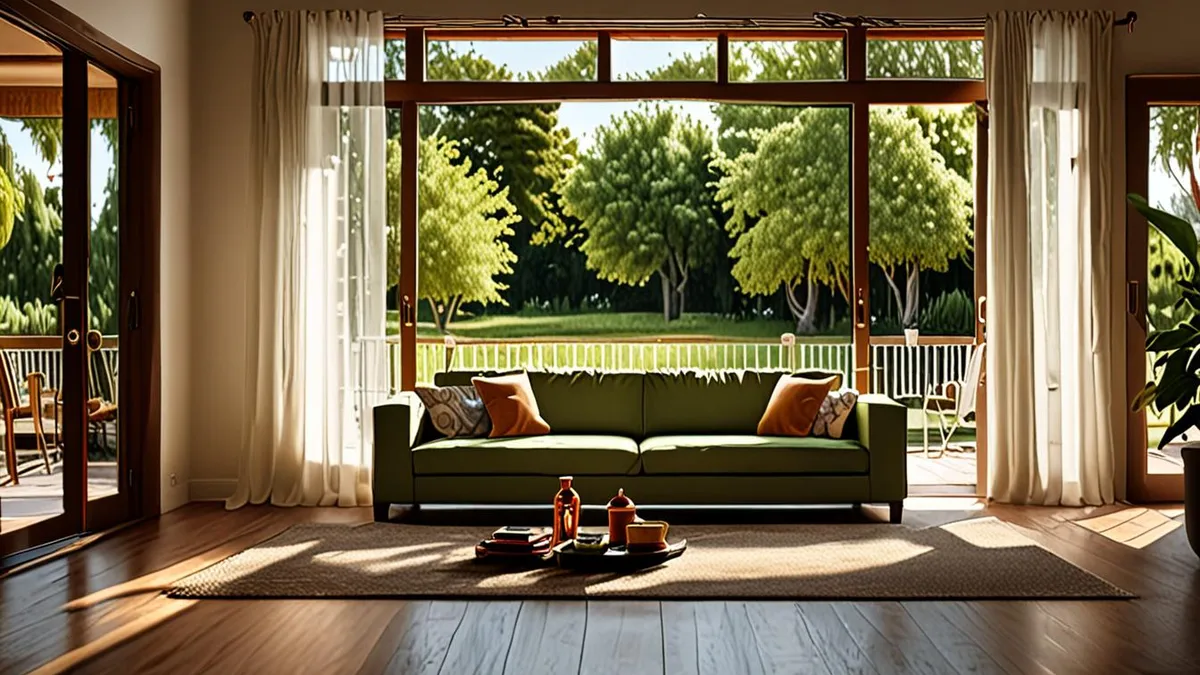
Space is where villas genuinely outperform hotels. Family villas in Europe typically offer 3-5 bedrooms, compared with one or two rooms in a hotel family suite. That means parents can sleep in a real bedroom while kids get their own rooms or a shared one, and nobody is whispering in the dark at 8 p.m. Jet-lagged toddlers can nap at noon without the whole family tiptoeing around them.
Check real bed sizes, not just bed count
A listing that says “sleeps eight” might mean two doubles and four single beds, or it might mean a sofa bed and a bunk room with narrow mattresses. Ask the owner for the actual bed configuration in each bedroom, including sizes. If your teenagers are used to full-size beds, four narrow singles in one room may not work, and it’s far easier to clarify before paying than after arrival.
Bathrooms matter just as much as bedrooms. With school-age children, a single bathroom creates a genuine morning bottleneck: one shower, six people, and a departure time. Two or more bathrooms, ideally with at least one en suite, keep mornings moving. Confirm how many have showers versus bathtubs if you have small children.
Finally, think about where everyone will actually spend time. The best family villas offer indoor and outdoor living areas plus a lawn or garden for play, which beats a single cramped living room where board games, wet swimsuits and tired parents all compete for the same space. A covered terrace with an outdoor dining table effectively doubles your living area, and a patch of grass with a ball turns downtime into easy entertainment.
Kitchen, Laundry and Everyday Conveniences
One of the biggest reasons families choose a villa over a hotel is the kitchen. Instead of squeezing into a hotel room with cereal bars and a mini fridge, you can cook real breakfasts, prepare dinner at a normal hour and handle picky eaters without hunting for a restaurant that serves plain pasta. For toddlers on milk schedules or kids with allergies, this alone can transform the trip.
But “kitchen” means different things in different listings. Some villas have a full-size oven, a large fridge and a dishwasher; others offer a compact cooktop and a fridge barely bigger than a hotel minibar. Check the listing photos carefully and confirm the details with the owner before booking, especially if you plan to cook most evenings. A dishwasher matters more than you might think when you are cooking three meals a day for a family of five.
Laundry is the other quiet hero of a family villa. Young kids go through clothes fast, and a washing machine means you can pack lighter and handle beach days, spills and accidents without panic. Ask whether a dryer or at least a drying rack is provided, since air-drying towels and swimwear is common in warmer regions.
Finally, many family-oriented villas provide baby and toddler equipment, but only if you ask in advance. Before paying, confirm which of these items are available on request:
- Cots: ask whether they include a proper mattress and fresh bedding, not just the frame, and whether there is a charge per cot.
- High chairs: check how many are available if you have two small children, as some villas keep only one on hand.
- Baby bath and changing gear: a small baby bath, a changing mat or a potty can save you from improvising in an unfamiliar bathroom, and they take up almost no storage space for the owner.
- Other extras: some owners also offer bottle warmers, bed rails or plastic tableware, so it never hurts to ask.
Arrange all of this before arrival. Equipment that is “usually available” is of no use to you if it turns out to be booked out or missing when you check in with a tired toddler.
Location: How Close Is Close Enough?
A villa can be perfect on paper and still feel isolating if it sits an hour from anywhere. With kids in tow, distance quickly adds up: a forgotten bottle of sunscreen or a sudden craving for ice cream becomes a full expedition. As a rule of thumb, aim for a supermarket within a 10-15 minute drive and a beach or town within 20-30 minutes. That keeps daily errands easy and lets you mix quiet villa days with outings without anyone melting down in the back seat.
Rural villas have real appeal: bigger plots, more privacy, lower noise and often better prices for the same square meters. The trade-off is that every single outing requires the car. If you book a countryside property, plan for grocery runs, restaurants and even evening strolls to involve driving, and make sure your rental car and driver are comfortable with narrow or unpaved access roads.
Why coastal areas work so well for families
Some regions make the distance question almost disappear. Coastal destinations with walkable beaches and shallow, gently shelving water let kids play at the water’s edge while parents keep everything in view, no car needed. Portugal’s Algarve is a classic example, with sandy beaches, calm coves and family-oriented towns close together. If that sounds appealing, our guide to Algarve beach villas for sunny holidays shows what to expect from the region. Wherever you look, check the map before booking: a “5 minutes to the beach” claim should mean 5 minutes on foot, not by car down a winding road.
Booking a Kid-Friendly Villa Without Stress
Family villas in popular regions sell out early, and the best ones with fenced pools and proper bedrooms go first. A little planning turns the booking process from a scramble into a routine, and it starts well before you enter a credit card number. Think of it as a short checklist rather than a chore: each step below takes minutes, but together they can save you from a disappointing stay or an expensive mistake.
- Book early for peak summer. For July and August stays, aim to reserve 6-9 months ahead. The family-sized villas with the safest setups and best locations are usually the first to disappear from the calendar. If you already know your school holiday dates, locking in a villa the moment they are confirmed gives you the widest choice and often the better rates.
- Consider the shoulder months. May, June and September offer milder weather and lower rates, and pools are typically still warm enough for kids. These weeks are often the sweet spot for families with school-age children who can travel outside strict summer dates. You may also find owners more flexible on arrival times and minimum stays.
- Set a realistic budget. In Europe, villa rentals commonly range from €150 to €600 per night depending on region and season. When comparing options, ask exactly what is included: cleaning fees, pool heating, air conditioning and baby equipment can all change the real price significantly. A villa that looks cheap at first glance can end up costing more than a pricier listing once extras are added.
- Talk to the owner before paying. Send a message with your children’s ages and specific needs, whether that is a cot, a stair gate or a fully fenced pool. The answers will tell you quickly whether the villa truly fits your family or whether the listing photos are doing the heavy lifting.
- Read the cancellation terms. With kids, plans change, so know the cancellation policy and any balance payment deadlines before you commit. Illness, shifted school dates or a cancelled flight can upend a trip, and a clear refund policy turns a potential loss into a manageable change.
One honest exchange with an owner is worth more than a dozen polished photos. Owners who answer specific questions about pool fencing, bed sizes and equipment promptly and clearly are usually the ones whose villas deliver what they promise. Keep those written replies too, since they give you something to refer back to if anything differs on arrival. Take that extra step before paying, and you will arrive knowing exactly what is waiting for your family.
The Bottom Line for Families
So, are villas kid-friendly? Yes, when you do the homework. A villa can be wonderfully safe and practical for young children, but only if pool safety, bedroom layout and kitchen facilities are verified before you pay. The villa category itself guarantees nothing; the individual property decides everything.
Location and honest owner communication matter just as much. A well-chosen villa with a responsive owner usually gives families more space, privacy and comfort than a hotel ever could. If this guide helped you plan your trip, leave a comment or share it with another family.