You’ve found a beautiful villa for a spring or autumn trip, the photos look perfect, and then a doubt creeps in: will the pool actually be warm enough to swim in? Many travelers book off-season stays only to discover the water is too cold to enjoy, or they get surprised by an extra heating fee they never budgeted for. Villa heating pools sound simple, but the details matter, from how warm the water can realistically get to who pays and when you need to ask.
This guide explains what a heated villa pool actually is, when heating is genuinely worth the money, and what you can expect to pay per day or per week. You’ll also learn how far in advance to request heating, which questions to put to the owner before you pay anything, and the destinations where a heated pool makes the biggest difference. By the end, you’ll know exactly when to spend on heating and when to skip it.
What Is a Villa Heating Pool?
A heating pool is a private villa pool fitted with equipment that warms the water beyond the natural swimming season. This usually means one of three systems: a heat pump that draws warmth from the outside air, a gas boiler, or an electric heater. Without one of these, a pool simply follows the weather, which is why so many travelers find the water disappointingly cold outside the summer months.
How warm does the water actually get?
Most heated villa pools reach somewhere between 26 and 30 degrees Celsius, which is a comfortable temperature for swimming and playing with kids. By comparison, an unheated Mediterranean pool sits well below that outside summer, often feeling bracing rather than inviting. A heat pump typically raises the water a few degrees above the surrounding air temperature, so on a cool week it can only do so much.
Heating is an add-on, not a given
Here’s the detail that catches people out: pool heating is usually an optional extra you pay for, not a standard feature of the villa. Some listings mention it in passing, others don’t mention it at all, and a few owners switch it off by default in the off-season. If swimming matters to your trip, treat heating as something to confirm and budget for from the start, not something you can assume comes with the pool.
When a Heated Pool Is Actually Worth It
Heating isn’t worth paying for on every trip. In high summer, most unheated pools in Mediterranean Europe are already warm enough to swim in comfortably, so paying for a heater adds little value. The real benefit appears at the edges of the season, when the air is pleasant but the water hasn’t caught up yet. That’s exactly when a heater earns its keep. If you’re planning an off-season stay, it also pays to understand how villa rental terms work, including minimum stay rules and weekly rental requirements, since shorter shoulder-season bookings can be affected. Owners may treat a three-night spring stay differently from a full summer week, so read the conditions before you commit.
As a rule of thumb, the swimming season in most of Mediterranean Europe runs from June to September without any help. Heating extends that window to roughly April-May and September-October, which is exactly when many travelers prefer to visit anyway: fewer crowds, milder sightseeing weather, and often lower rates than peak summer. In winter, everything depends on the destination, as the list below shows.
- In April-May, heating turns a pool that would sit in the low twenties or below into genuinely swimmable water, making it the single best month to pay for it.
- In September-October, the reverse applies: the air still feels like summer but the water is cooling fast, and heating keeps it comfortable through late-season stays.
- In mild winter regions like the Canary Islands or southern Spain, heating is often the only way to swim at all, since unheated pools drop far too cold between November and March.
- In northern European destinations, even a midsummer pool can stay chilly without help, so check heating options regardless of when you travel.
How Much Pool Heating Costs
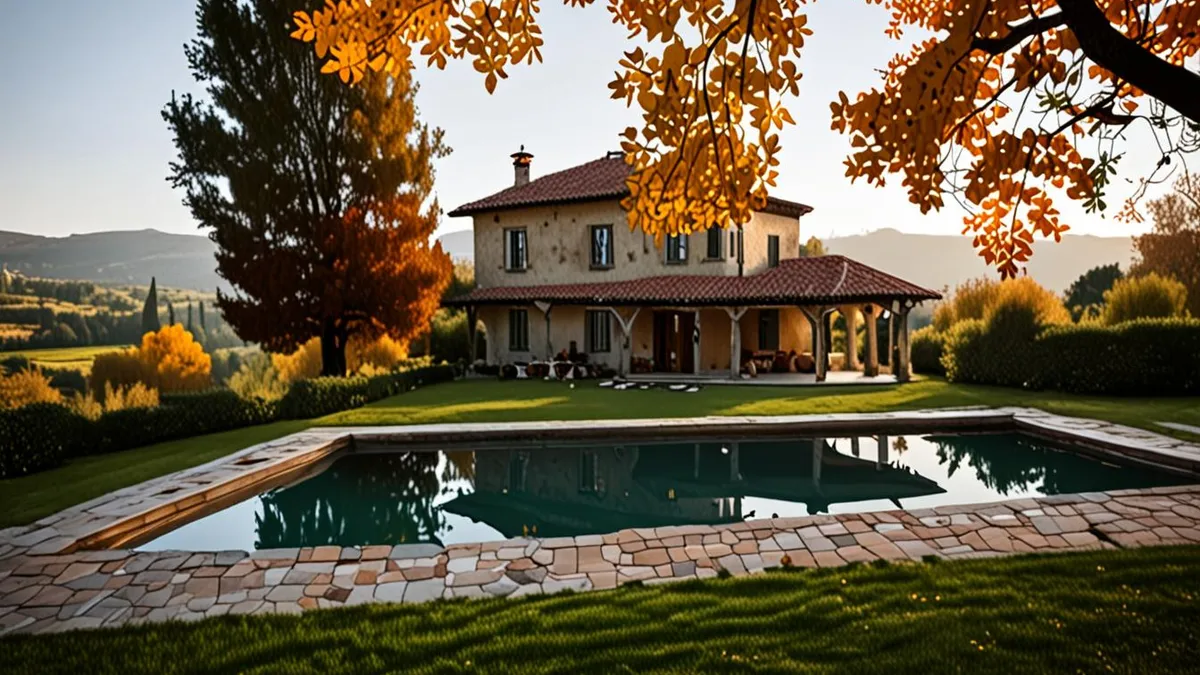
So what does heating actually cost? Typical charges run from 30-70 EUR per day or 200-450 EUR per week, depending on the size of the pool, the local climate and the type of heater installed. A large pool in a cool region with an older system will sit at the top of that range; a small pool in a mild climate with an efficient heat pump will sit at the bottom. Because heating is one of the most common surprise charges, it’s smart to read up on villa rental fees, extras and hidden costs before you book anything.
There’s another wrinkle: some owners include heating in the rental rate during colder months, while others charge it as an optional extra all year round. Never assume either way. Ask directly whether the price you’ve been quoted covers heating, and get the answer in writing so there’s no argument at checkout.
The type of heater also affects both cost and convenience:
- Heat pumps are the cheapest to run per day, but they work slowly and may need several days of continuous operation to bring a full pool up to temperature.
- Gas or electric heaters warm the water much faster, which is handy for short-notice requests, but they cost noticeably more per day to run.
- Using a solar cover overnight significantly reduces heat loss, which can lower the overall heating cost, so ask whether the villa provides one.
- Weekly rates are usually better value than paying the daily rate for a full seven-night stay, so compare both before committing.
When and How to Request Pool Heating
Pool heating is rarely something you can arrange on the spur of the moment, so timing your request matters almost as much as deciding whether you want it at all. Owners need advance warning to switch systems on, and heaters themselves work slowly. A heat pump in particular raises the temperature gradually rather than instantly, so a pool that sits cold on arrival can take days to reach a comfortable level. Here is how to go about it properly.
- Request heating at the time of booking. This is the single best move you can make. Asking early makes it far more likely the heater is available and reserved for your dates, and it locks in the cost before any seasonal surcharges or last-minute changes. It also gives the owner plenty of time to schedule the system and check that everything works before you arrive.
- Give at least 2-4 weeks of notice if you missed the booking window. Most owners set a minimum notice period because heating a full pool from cold can take 2-4 days, especially with a heat pump. A late request often means the water is still chilly during the first days of your stay, which defeats the purpose of paying for it.
- Get the details in writing. Ask exactly what temperature the pool will realistically reach during your dates and how the fee is structured: per day, per week or a flat amount for the stay. Written confirmation prevents misunderstandings when the bill arrives, and it gives you something to refer to if the water never gets warm.
One more practical tip: if the villa provides a solar cover, use it every night. Covers retain heat and can cut heating costs noticeably, which benefits both you and the owner. Ask at booking whether a cover is included, since it makes a real difference in cooler months.
It also pays to review the whole villa carefully before committing, and our renter’s checklist for booking a villa covers the essentials beyond the pool itself. A few minutes of preparation before you pay saves a lot of back-and-forth later.
Questions to Ask the Villa Owner Before Paying
Before you agree to pay for pool heating, a short conversation with the owner can save you both money and disappointment. Not all heating setups are equal, and the answers to a few practical questions will tell you whether the fee is fair and whether the pool will actually be warm enough for your stay. Ask these questions before you book, not after you arrive, because changes are difficult once the trip is confirmed.
- What type of heater is installed, and what temperature can it realistically hold in your month? Heat pumps usually raise water temperature by 3-6 degrees Celsius above ambient air temperature, capped around 28-30 degrees. In a cool April week that may mean a pool in the mid-twenties, which is pleasant but not bath-like. Gas and electric heaters warm faster but cost more to run, so the answer changes what you should expect for your money.
- Is a solar cover provided, and is it required nightly? A cover floating on the surface overnight retains heat and can cut heating costs noticeably. Some owners make nightly cover use a condition of the heating service, so ask whether one is included and who is responsible for putting it on and taking it off each day.
- Is heating billed upfront with the rental, or settled locally at the end of the stay? This affects your budget planning. Paying with the booking means no surprise at checkout, while paying locally sometimes means cash on departure. Either way, confirm the amount and method in writing before you arrive.
Owners who answer these questions clearly and willingly are usually the ones who run their pools well. Vague or evasive answers about temperature and billing are a reasonable signal to look elsewhere or negotiate the fee down. A few minutes of questioning now is far easier than a week of shivering beside a pool that never warmed up.
Where Heated Villa Pools Matter Most
Pool heating is not equally useful everywhere. In some regions it is a luxury that only matters for a few weeks of the year; in others it is the difference between a swimmable pool and a decorative pond. Knowing where heating genuinely pays off helps you decide whether to request it for your particular destination and dates, and it can save you from paying for an add-on you will never actually use.
- Mediterranean shoulder seasons: Tuscany, Provence and the Greek islands. Unheated villa pools in these regions are usually only swimmable from June to September, while heating stretches the comfortable season into spring and autumn, well before and after the summer peak. A spring villa stay surrounded by wildflowers or an autumn trip after the crowds leave becomes far more appealing when the pool is actually warm enough to use every day.
- Cooler northern destinations like Poland. Even in midsummer, nights can be cool enough that an unheated pool never gets properly warm, or warms only briefly during a hot spell. Here heating is not just for the shoulder months; it can make the difference in July and August too, so it is worth factoring into the budget for any summer villa stay.
- Mild winter destinations such as the Canary Islands and southern Spain. In these regions the air stays pleasant year-round, but unheated water still gets too cold in winter. A heated pool enables genuine year-round swimming, which is exactly why many winter travelers seeking sunshine choose villas with heating included or available as an option.
The pattern is simple: the further you get from the Mediterranean summer peak, the more valuable heating becomes. In the far south, heating turns a winter break into a proper swimming holiday; in the north, it can rescue even a midsummer booking. Match the decision to your destination and travel dates rather than assuming every villa pool needs it, and you will spend your money where it actually makes a difference.
The Bottom Line on Villa Heating Pools
If your villa trip falls outside peak summer, pool heating can make or break the vacation. An unheated pool in most of Mediterranean Europe is only reliably swimmable from June to September, while heating stretches the comfortable season to roughly April-May and September-October. In the middle of summer, you can usually skip the extra and keep your money for something else.
Before you commit, ask the owner exactly how the charge works. Some villas fold heating into the winter rate, while others treat it as an optional add-on you settle separately, so get the billing details in writing rather than assuming anything. Timing matters just as much as the money: put in your request when you book, or at minimum 2-4 weeks before arrival, since bringing a full pool up to temperature from cold can take 2-4 days. Leave it too late and you may spend the first days of your stay staring at water too cold to enjoy. Have you stayed in a villa with a heated pool? Share your experience in the comments or pass this article along to a fellow traveler.