Here’s a frustrating scenario many travelers know well: you pick a hotel in Rome or Barcelona, book it, and later discover a friend stayed in the very same room category for half the price — just in a different month. European hotel prices swing dramatically through the year, and the same room can easily cost double or triple depending on when you visit. Booking blind often means overpaying by hundreds of euros per stay.
This guide breaks down how european hotel prices move through the seasons, from the summer peak that inflates coastal resorts to the quiet winter months when city rates drop to their yearly lows. We’ll look at the best value windows in spring and fall, the exceptions that flip the rule — like ski resorts and Lapland — and the holiday and event spikes that catch travelers off guard. Finally, you’ll find practical timing advice on when to book, so you can plan each trip around the calendar instead of paying for ignoring it.
How European Hotel Prices Change Through the Year
Most of Europe follows a fairly predictable three-band pricing pattern. High season runs from June through August, when school holidays and summer vacations push demand — and rates — to their yearly peaks. The shoulder seasons cover April-May and September-October, offering a middle ground between price and weather. Low season is roughly November to March, excluding Christmas, New Year and ski weeks, when hotels discount heavily to fill rooms.
The gap between these bands is bigger than many travelers expect. In major cities, the same room category can swing 40-80% between low season and high season. A standard double that costs a modest sum on a February weeknight can approach double that in late July, with no change to the room itself — only the calendar has moved.
The bands shift depending on where you go
These patterns aren’t uniform across the continent, and that’s where many booking mistakes happen. Southern coasts — think the Mediterranean and Atlantic beach destinations — follow the classic pattern and peak in summer, when beach weather draws the crowds. Ski regions do the opposite: their high season lands in winter, when snow is the whole point of the trip.
Before booking, work out which pattern applies to your destination. A beach town in Greece and a village in the Alps can have completely opposite cheap months, and assuming otherwise is one of the fastest ways to pay peak prices by accident.
Summer High Season: When European Hotel Prices Peak
Summer is when European hotel prices hit their ceiling, and nowhere is that more obvious than along the coasts. Beach destinations like Portugal’s Algarve, the beaches around Valencia and the Mediterranean islands can charge 2-3 times their winter rates in July and August. A seaside room that’s a bargain in November becomes a premium product at the height of the beach season, and hotels know their summer guests have few alternatives.
City hotels peak in summer too
It’s not just the coast. City hotels in Barcelona, Amsterdam and Paris reach their yearly maximums between June and August, when vacation travelers arrive on top of the usual visitor flow. If you’re planning a summer city break, it helps to know what you’re getting into — our guide to Barcelona hotels for city breaks covers what to expect in one of Europe’s most in-demand summer cities. Expect rates for the same room to sit well above what the identical booking would cost in February.
Crowds and fine print in August
August is the crunch month at resort properties. Expect full beaches, packed pools and restaurants, plus minimum-stay rules that many resorts impose to squeeze the most from the short peak window. A two- or three-night request may simply be declined when a week-long booking would fill the same slot.
If your dates are fixed to summer, book early and read the cancellation and length-of-stay terms carefully. If your dates are flexible, even shifting to June or early September can soften both the price and the crowds considerably.
Shoulder Season: The Best Value Months for European Hotels
The shoulder seasons — April-May and September-October — are when European hotel pricing works in your favor. During these months you get weather that’s often similar to peak season, while rates typically run 20-40% lower than what the same rooms cost in the middle of summer. Hotels still need guests, but the school-holiday surge hasn’t arrived or has already passed, and that gap shows up directly in the price you pay.
The two windows suit different trips. September is ideal for coastal trips: the sea is at its warmest after months of summer sun, and once families return home for the school year, beaches and pool areas quiet down noticeably. May suits city breaks — long daylight hours, terraces opening up, and streets that haven’t yet filled with peak-season crowds.
For a taste of how rewarding shoulder-season coastal travel can be, have a look at these Valencia beach homestays for coastal trips — the kind of stay that’s far easier to book outside the July-August rush.
Another advantage of shoulder season is that you don’t need to plan far ahead. Booking 1-2 months ahead is usually enough to secure a good room at a good rate, which makes these months forgiving for spontaneous travelers.
- Sea temperatures favor September swimmers. Mediterranean and Atlantic waters hold their summer warmth well into September, so beach trips don’t feel like a compromise even though rates have dropped.
- May brings festival season to many cities. Spring events and open-air cultural calendars fill May weekends in cities across Europe, adding atmosphere you won’t find in the quieter winter months.
- Shoulder dates suit remote work trips. With lower occupancy, hotels are often more flexible about longer stays and room upgrades, which matters if you’re settling in for a week or more.
Winter Low Season and Ski-Region Exceptions
Winter is when most of Europe’s city and coastal hotels hit their cheapest rates of the year. From roughly November through March, business districts in cities like Frankfurt or Milan often have plenty of empty rooms, and beach resorts that charged a premium in August drop to a fraction of those prices. For travelers who don’t mind short days and cool weather, this is the best window for affordable city breaks and quiet coastal stays.
There are two big exceptions to keep in mind. First, Christmas, New Year and Easter week create short spikes even in low season, so avoid assuming January prices apply to late December. Second, and more importantly, the whole pattern flips in the mountains.
When the Alps Turn the Rules Upside Down
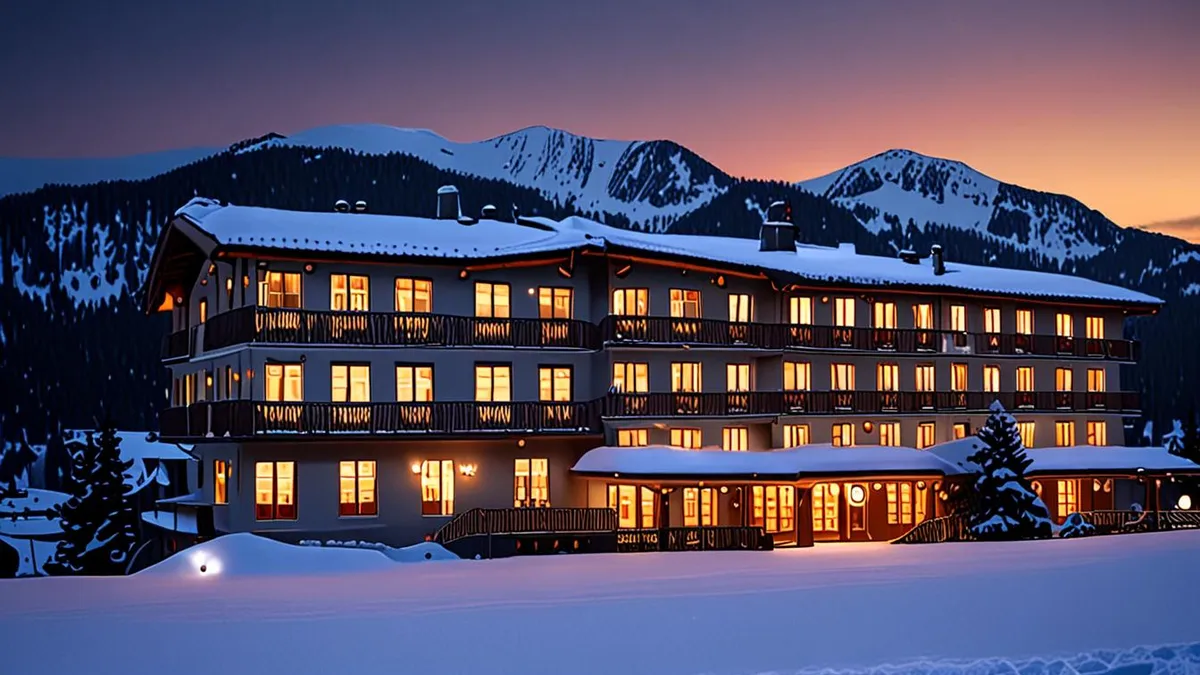
Alpine ski destinations run their high season from December to March, exactly when the rest of Europe is at its cheapest. Christmas week and the February half-term school holidays are the most expensive weeks of the year, when beds in popular resorts can be scarce and rates climb well above their summer levels. If you want the slopes without the peak pricing, look at early December or mid-January, or consider shoulder weeks in late March when snow conditions can still be good and rates have softened.
Lapland and other Nordic winter destinations follow the same inverted calendar. Deep winter is precisely what draws travelers there, so rates rise rather than fall between December and March, especially around Christmas when demand for husky sledding, northern lights trips and Santa-themed stays is at its highest. If a Lapland trip is on your list, check homestay options for winter escapes, which can offer better value and a more personal stay than the log-cabin resorts that sell out first.
Holiday and Event Spikes That Raise European Hotel Prices
Beyond the regular seasonal bands, a handful of dates push prices up sharply in specific cities and regions. These spikes are short but intense, and they can catch travelers off guard who assumed their destination was in low season. The pattern to remember is that events and holidays override the calendar: a quiet month can still have one expensive week.
December is the clearest example. Christmas-market season transforms several historic cities into winter magnets, and hotel rates climb accordingly for much of the month, not just the holidays themselves. Book early if you want a central room within walking distance of the main square.
- Vienna and Salzburg: the Rathaus and Residenz square markets draw visitors from across Europe, and rooms near the old towns often sell out weeks before the markets open in late November.
- Bruges: the compact medieval center means hotel supply is limited year-round, so December demand pushes rates up quickly and the ice-skating rink on the Markt adds to the pull.
- Easter week: processions in cities like Seville and other Catholic regions create a short, sharp spike, with rates often doubling for just a few days around Good Friday.
- Carnival: Venice and Cologne see room prices jump for the festival days, and late bookers may find themselves staying outside the center or paying well above normal February rates.
- Oktoberfest in Munich: the festival runs roughly two to three weeks in late September and early October, and rates can reach triple the normal level, with availability vanishing months in advance.
The easiest way to avoid an unpleasant surprise is to check the event calendar for your destination before you book. A quick search for festivals, trade fairs and public holidays in your travel dates will reveal whether you’ve picked a bargain week or the most expensive days of the year.
How to Book European Hotels at the Right Time
Timing your booking matters almost as much as timing your trip itself. The difference between reserving a summer room in February versus waiting until June can easily be a third of the price, and the gap widens as availability shrinks. Hotel pricing in Europe responds quickly to demand: once a property fills past a certain point, remaining rooms are typically sold at the higher end of the rate scale. That means the travelers who pay the most are often not those visiting at the busiest time, but those booking at the busiest time. The four habits below work for city breaks and resort stays alike, and none of them require insider knowledge or special tools, just a little planning and patience before you commit.
- Reserve summer stays 2-4 months ahead. This window typically secures the best rates for June-August travel. Book later than that and you risk paying 80% or more of peak pricing, often for the less desirable rooms that are left.
- Use flexible-date searches. Most booking platforms let you view rates across a whole month. Shifting a trip by two or three days can reveal noticeably cheaper options, especially around long weekends when demand surges.
- Compare weekday versus weekend rates. The gap is largest in business cities like Frankfurt, Brussels or Zurich, where hotels sit half-empty on weekends and Friday-to-Sunday stays can cost far less than midweek nights.
- Book refundable rates in shoulder season. For April-May and September-October trips, locking in a refundable rate early protects you from price rises, and if the rate drops closer to your dates, you can cancel and rebook at the lower price.
One final habit that pays off: set a reminder to recheck your booked rates a few weeks before arrival. Hotels adjust prices as occupancy becomes clear, and a refundable booking gives you the freedom to act on any drop. Just make sure you note the cancellation deadline, since free-cancellation windows often close a week or more before check-in. It also helps to rebook with the same platform rather than switching, as some reservations are easier to amend than cancel outright. A quick screenshot of your original rate makes any dispute over price changes painless if something looks different at check-in.
None of these tricks take more than a few minutes, but together they routinely save travelers a meaningful share of their accommodation budget. Pair them with a realistic sense of when prices rise in your destination, and you will rarely overpay for a European hotel room again.
Wrapping Up Seasonal Hotel Costs in Europe
So how much do European hotels cost by season? The honest answer is that the same room can cost double or triple depending on the month you pick. High season runs June through August, and ski destinations flip the pattern with their own peak from December to March, when Christmas and February half-term weeks are the most expensive of all.
The good news is that timing works in your favor. The shoulder months of April-May and September-October typically deliver 20-40% savings compared to peak prices, often with similar weather. Book 2-4 months ahead for summer stays and 1-2 months ahead for shoulder-season trips, and you’ll usually avoid the overpaying trap that catches travelers who book blind. Have a favorite month for a European trip, or a tip that saved you money? Share it in the comments or pass this article along to a fellow traveler.