You’ve picked your dates, found a gorgeous region, and decided this is the year you finally try glamping. Then you hit the booking pages and everything starts to blur: that round structure with the big window could be a dome or a yurt, and that spacious canvas lodge might be a safari tent or something else entirely. In photos, glamping domes vs safari tents vs yurts can look confusingly similar, yet they offer very different experiences, comfort levels and price tags.
This guide breaks down the three most popular glamping stay types so you can choose with confidence. We’ll explain what each structure actually is, compare interior space and comfort, look at how they handle weather and seasons, weigh up the views and atmosphere, and cover typical nightly rates plus booking tips. A final section matches each stay type to the kind of trip it suits best, so you can book the right one the first time.
What Is a Glamping Dome, Safari Tent and Yurt?
Once you know what to look for, the three structures are easy to tell apart. Each has a distinct shape, build style and origin story, and those differences shape everything from insulation to how it feels to sleep inside. Getting the terminology right also helps when you email a site owner with questions, because “dome,” “safari tent” and “yurt” are sometimes used loosely in listings. Here’s a quick orientation before you start comparing options.
All three belong to the glamping family, meaning they give you a real bed and proper furnishings instead of a sleeping bag on the ground. But the engineering behind them varies a lot, and that affects space, warmth and even whether a site can keep them open in winter. Knowing which structure you’re actually booking makes it much easier to judge photos, read reviews with the right expectations and ask the questions that matter, such as what heating is installed and how exposed the platform is.
- Geodesic dome: built from a network of triangular panels that distribute stress evenly across the structure, which is why many domes sit confidently on exposed hilltops and ridgelines where ordinary tents would struggle.
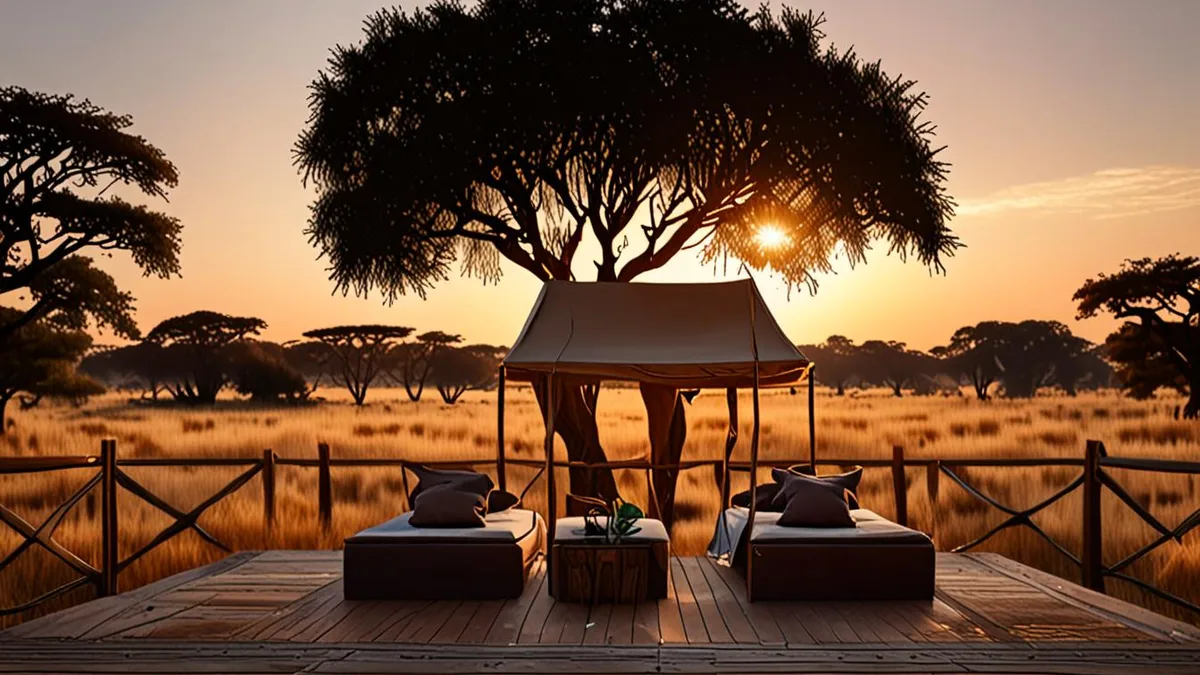
- Safari tent: modeled on the canvas lodges of African safari camps, with heavy-duty canvas stretched over rigid frames, often including wooden support poles, guy ropes and a raised floor that keeps you dry and level.
- Yurt: descended from the portable dwellings Central Asian nomads have used on the steppe for over 3,000 years, with a tensioned fabric cover, a compression ring at the roof peak and a circular opening or skylight at the center.
Keep these basics in mind as you browse. A rounded transparent bubble on a platform is a dome, a big canvas lodge on a frame is a safari tent, and a round fabric shelter with a central skylight is a yurt. If a listing blurs these categories, look at the structure itself rather than the marketing name, since the shape tells you far more about comfort, weather performance and the overall experience than a catchy label ever will.
Comfort and Interior Space Compared
Safari tents: the closest thing to a hotel room
If space and familiar comforts top your list, a safari tent is hard to beat. These are the largest of the three stay types, often offering 45-70 m² of floor area including the deck, which puts them in the same range as a small apartment. Inside you’ll typically find a solid bed on a real frame, proper furniture, and in many cases an en-suite bathroom, so the experience feels much closer to a hotel room with canvas walls than to camping.
That size also makes safari tents the natural pick for families and groups, since there’s room for extra beds, luggage and a dining table without anyone tripping over anyone else. The covered deck in front effectively doubles your living space in good weather.
Yurts and domes: circular charm in a smaller package
Yurts offer 20-40 m² of open circular space, which feels generous thanks to the absence of internal corners and walls. The trade-off is usually facilities: most yurt stays rely on a shared or nearby bathroom block rather than an en-suite. It’s a small step back toward camping, but many travelers find the cozy, uncluttered interior worth it.
Domes come in the widest range of sizes, from snug two-person bubbles designed around the bed itself to larger units that sleep up to 4 guests. What they often lack in floor space they make up for with a skylight above the bed or transparent panels, turning the ceiling into part of the experience.
Weather, Insulation and Seasonality
Weather is where these three structures really part ways. A stay type that’s delightful in June can be a different story in January, so it pays to match the structure to the season you’re traveling in.
Geodesic domes are the all-weather champions of the trio. Their aerodynamic, rounded shape lets wind flow around them rather than pushing against flat walls, and the triangular panel design distributes snow loads evenly across the frame. With a heating source installed, many dome sites operate year-round, so a snowy stargazing night is a realistic plan rather than a lucky accident.
Yurts are no strangers to harsh climates either, given their origins on the windswept Central Asian steppe. Modern resort yurts insulate decently with layered covers and felt or liner linings, and cold-climate resorts routinely keep them running through winter with wood stoves or electric heaters.
Safari tents are the fair-weather option. Canvas needs to be cared for and dried, and fixed-frame tents aren’t built for heavy snow, so in temperate regions they typically operate from April to October. Outside that window, availability drops sharply.
- Domes in winter: heated models often feature insulated panel covers and a small stove or heater, meaning you can watch snowfall through transparent panels from a warm bed.
- Yurts in shoulder months: the circular shape and central skylight help retain warmth, though you should confirm whether your specific yurt has heating before booking a cold-season stay.
- Safari tents in high summer: the breathable canvas and shaded deck actually keep these tents comfortable in heat, one reason they shine in the April-October window.
Before booking, always check the operator’s stated season and heating setup rather than assuming. Two sites in the same region can run very different calendars.
Views and the Experience Factor
If you care about the view from your bed, no other glamping structure comes close to a transparent dome. The clear or partially clear panels turn the ceiling into a window, so you can watch stars, clouds or a mountain ridge without leaving your sleeping bag. Domes perform best in remote, dark-sky areas, where the night sky is the main attraction and there is little light pollution to wash it out.
The classic safari camp feeling
Safari tents deliver something different: the timeless “camp with a view” atmosphere. Because these tents sit on fixed frames with a wide covered deck, you get a sheltered outdoor living room where you can sip coffee in the morning mist or read while rain drums on the canvas. The canvas walls also let in sounds and smells of the surroundings in a way solid walls never do, which is exactly why African safari camps inspired this design.
Yurts offer a third kind of experience: warmth and togetherness. The circular shape feels cozy and communal, and the central dome skylight sits right over the bed, so you can fall asleep looking up at the sky. On a chilly evening, a yurt with a small stove glowing inside is hard to beat. Choose a dome for drama, a safari tent for the deck life, and a yurt for snug, circular charm.
Price Ranges and How to Book Glamping Domes, Safari Tents and Yurts
Glamping prices vary widely by structure type, location and season, but there are clear patterns worth knowing before you book. Domes are usually the most expensive option, typically running $150-$400 per night, because of their engineering and the premium placed on panoramic or stargazing locations. Safari tents follow at around $120-$350 per night, while yurts are generally the friendliest for the wallet at roughly $100-$300 per night. Location plays a role too: a dome overlooking a fjord or a national park will sit at the top of its range, while the same structure in a field near a small town can cost noticeably less.
Timing matters as much as the structure itself. Summer weekends in popular regions sell out early, and the most photogenic panoramic domes are often the first to go. Booking windows to keep in mind:
- Summer weekends: reserve 2-4 months ahead to get a real choice of units rather than whatever is left.
- Peak-season panoramic domes: book 6 or more months out, since top-view domes often have only a handful of units per site.
- Midweek stays: many operators discount Monday-Thursday nights, and sites are quieter too.
- Shoulder-season dates (May-June and September): rates often drop by 20-30% compared with high summer, while weather is still pleasant in most temperate regions.
- Cancellation terms: check the policy carefully before booking far ahead, since some glamping sites have stricter rules than hotels.
A final tip: compare what is included in the rate, not just the nightly figure. Some safari tent prices cover en-suite bathrooms, a private deck and daily housekeeping, while cheaper yurt rates may mean shared bathroom blocks and self-service amenities. Extras like firewood, breakfast or kayak rentals can also swing the real cost either way. Reading the inclusions list line by line gives you the true price of the stay, and it makes comparing a $180 yurt with a $260 safari tent far easier than looking at numbers alone.
Which Stay Type Fits Your Trip?
The right choice depends less on the structures themselves and more on who is traveling and when. A structure that is perfect for a couple’s anniversary trip can feel cramped for a family of five, and a fair-weather safari tent is a poor match for a December getaway. Match the stay type to your group and season first, then look at locations.
Couples chasing romance usually get the most from a dome, especially in a remote, dark location where the transparent ceiling becomes the whole point of the trip. Families, on the other hand, tend to value space and practicality over stargazing, which is where safari tents shine. Here is a quick way to decide:
- Couples and stargazers: pick a dome in a remote, dark-sky spot, and ask the operator whether the clear panels have blinds or curtains if you want darkness for sleeping in.
- Families of 4-6: choose a safari tent, since it fits your group size and offers a real en-suite bathroom plus a large deck where kids can play while parents relax.
- Cold-season trips: a yurt is the cozy, budget-friendlier base, and at cold-climate resorts it stays comfortable in winter with heating, something canvas safari tents typically cannot offer.
- Mixed or flexible groups: some glamping sites offer several structure types side by side, which lets larger groups split between units while sharing the same fire pit and kitchen area.
Whichever you pick, read recent guest reviews for the specific unit, not just the site. Two domes on the same property can differ hugely in privacy, view and insulation, and reviews are the fastest way to spot those differences before you pay.
The Bottom Line
So which one do you book? If the photos all look similar, remember the core strengths: domes excel at views and winter usability, safari tents at space and hotel-like comfort, and yurts at value and coziness. Each structure solves a different travel problem, and none of them is universally “best.”
In practice, three factors decide the pick: your season, your group size, and your budget of $100-$400 per night. Match those to the structure’s strengths and the choice usually makes itself. If this helped you sort out the differences, leave a comment or share the article with a friend planning a trip.