Booking one glamping tent is easy. Coordinating a group stay across multiple tents, budgets and dates? That’s where things fall apart. Someone wants a hot tub, someone else wants to bring a dog, and half the group hasn’t paid their deposit three weeks before arrival. Multi-tent glamping sites solve part of the problem by letting you rent an entire site under one booking, but they come with their own rules, timelines and costs that most first-time group organizers don’t expect.
This guide walks through the whole process, from understanding how exclusive group hire actually works to finding sites that genuinely cater to larger parties. We’ll cover booking timelines and deposits, practical ways to split costs without the group drama, how to pick the right season and location, and the coordination steps to handle before anyone packs a bag. By the end, you’ll know exactly what to ask a site before you commit.
Why Multi-Tent Glamping Sites Work Differently for Groups
Here’s the first thing that surprises most group organizers: you usually can’t book three tents at a glamping site the way you’d book three hotel rooms. Most sites treat large parties as exclusive hire, which means you rent the entire property, not individual tents. That’s great news for privacy and atmosphere, but it changes how you search, book and pay.
The trade-off for that exclusivity is price. Whole-site hire typically runs 15-25% more per person than booking tents individually. In exchange, your group gets private use of the shared facilities, which is often the real reason you’re going as a group in the first place: the kitchen, the fire pit, the outdoor seating areas and the grounds themselves. Nobody’s sharing the hot tub with strangers, and nobody’s tiptoeing around another family’s bedtime.
Know your headcount first
Before you contact any site, get a firm number. Most multi-tent layouts suit groups of 6-20 people spread across 3-8 tents, and sites will want an accurate headcount before quoting you. A group of 8 has very different options than a group of 18, and some sites simply won’t take smaller parties during peak season because exclusive hire doesn’t make financial sense for them.
Confirm who’s actually committed to coming, not just “maybe.” A tentative headcount that drops by four people after you’ve booked can turn a good deal into an expensive one, since the site price usually stays fixed regardless of final attendance.
How to Find Sites That Actually Cater to Groups
The biggest mistake groups make is searching for “glamping” and calling the first pretty site they find. Plenty of gorgeous sites simply aren’t set up for larger parties, and you’ll waste hours emailing places that can’t take your group at all. Instead, search using the terms sites actually use for group bookings: “exclusive hire,” “group buyout” or “whole site.” These phrases filter straight to properties that expect multi-tent parties and have the infrastructure to handle them.
Once you have a shortlist, dig into the details that matter for groups specifically. Photos of a single beautiful tent tell you nothing about whether 14 people can comfortably eat, cook and hang out together.
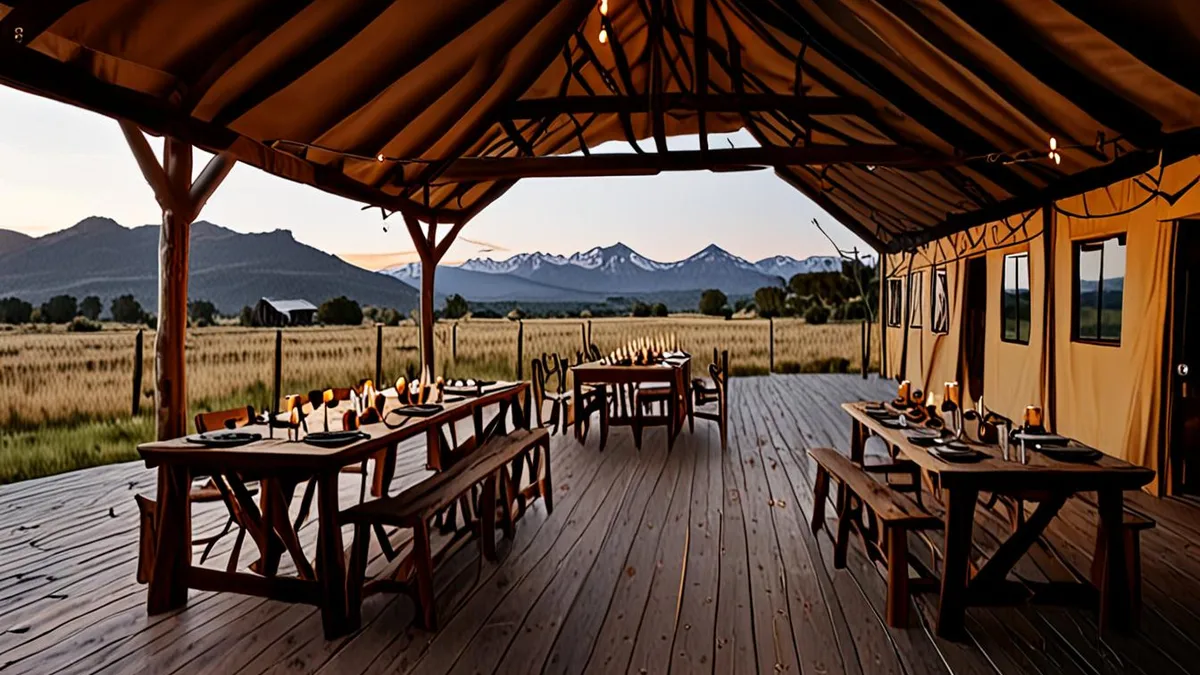
- Communal space capacity: A dining barn or covered area that seats 8 may be miserable for a group of 16, especially if rain keeps everyone indoors. Ask how many people the indoor space actually seats, not just accommodates standing.
- Tent capacity per unit: Some tents sleep 2 while others sleep 4-6, which dramatically changes how many tents you need and how the total price stacks up. A site with six 2-person tents costs far more than one with three larger units for the same headcount.
- Group-specific reviews: Look for recent reviews written by other groups, not couples. These reveal whether the “large fire pit” was actually large, and whether the hosts were accommodating or strict about noise and numbers.
- Kitchen and fridge space: Cooking for 12 in a kitchen built for 4 is a recipe for frustration, so check appliance sizes and counter space if self-catering is your plan.
Reviews deserve special attention, because some sites oversell their group facilities with clever photography. It helps to know how to read glamping site reviews like a pro so you can spot the difference between a genuine group-friendly property and one that just added the word “group” to its listing.
Booking Timelines and Deposits for Multi-Tent Glamping Sites
Booking a multi-tent site works on a longer clock than a regular weekend getaway, and the payment structure is different too. Because whole-site hires involve larger sums, longer lead times and more people to coordinate, sites tend to be stricter about deposits, minimum stays and communication. The good news is that the process is predictable once you know the sequence. Follow the steps below and you’ll avoid the most common booking mistakes groups make, from losing your preferred dates to scrambling for deposit money at the last minute.
- Lock in your dates early. For peak-season stays in June through August, reserve 6-12 months ahead. Sites with 3 or more tents sell out first, because there are fewer of them and group organizers book further in advance than couples do. If your dates are flexible, asking the site about quieter periods can open up options.
- Confirm headcount and tent mix before signing anything. Get a written quote that lists the number of tents, the total price and what’s included, so there’s no confusion later about whether firewood or linens were part of the deal. If your numbers might change, ask how the site handles small adjustments to the final headcount.
- Prepare for a substantial deposit. Most sites require a 30-50% deposit covering the whole group at the time of booking, with the balance due 4-8 weeks before arrival. That’s a large sum to gather, so have a plan for collecting it before you commit, and diarize the balance deadline so nobody is caught out.
- Check the minimum stay. Many sites require a minimum 2-3 night stay for exclusive group bookings, especially on weekends and in peak season. Factor this into your budget from the start, since an extra night changes food, activity and travel costs too.
- Ask about a group agreement or single invoice. Some sites will issue one invoice to a lead booker rather than taking eight separate card payments. This single detail saves enormous hassle, and it’s worth confirming before you book. Also ask what happens if a group member drops out, since cancellation terms for exclusive hires can differ from standard bookings.
One more thing to settle early: pets. If anyone in your group plans to bring a dog, don’t assume it’s fine. Policies vary widely between sites, and it’s worth reading up on how to find out whether a glamping site is pet-friendly before you promise anything to your group. Getting these details settled at booking stage prevents the awkward conversations later, and it also means you can flag any pet fees in your group budget from day one rather than dealing with surprises on arrival.
Splitting Costs Without the Group Drama
Money is where most group trips fall apart, so sort it out before anyone packs a bag. The simplest approach is to quote one per-person price for the whole weekend. Since per-tent group rates usually run $150-400 per night depending on season and setup, divide the total by your headcount and charge everyone the same figure, whether they share a tent with three people or luck into a nearly private one. This avoids the classic argument about why the couple in the roomy safari tent pays less than the pair squeezed into a bell tent.
Then collect the money upfront. Use a payment-splitting app so each person pays their share directly, rather than reimbursing the organiser weeks after the trip when memories fade and enthusiasm fades faster. If you want a benchmark for what the overall bill should look like, this glamping cost breakdown by stay type is a useful reference point before you set the per-person figure.
Don’t forget the on-site extras
Most sites sell add-ons during your stay: firewood bundles for the fire pit, breakfast hampers delivered to your tent, or activity add-ons like archery or paddleboard hire. Budget an extra 10-15% per person for these so nobody is caught out when the group decides everyone wants a hamper on the second morning. Agree on that buffer at the same time you set the base price, and the whole trip stays drama-free.
Choosing the Right Season and Location for a Group Stay
Timing makes a bigger difference to group bookings than to solo trips, because you need every tent available at once. Shoulder-season dates in May and September can cut group costs by 20-40% versus summer, and those months are simply easier to book for large parties. Sites that are fully committed by February for July weekends often still have whole-site availability in late spring or early autumn.
Matching the season to your group
Think about who is actually coming. Summer suits mixed groups with kids: long evenings, warm swimming, and no one shivering through dinner. Winter sites with wood-fired hot tubs suit smaller adult groups who want a cozy, fire-lit atmosphere rather than a full activity program. Neither is better; they just serve different crowds.
Location matters just as much. Pick a site within a 2-3 hour drive of most group members, because carpooling logistics grow quickly with headcount. A group of twelve means three or four cars, shared directions, and coordinated arrival times, and every extra hour of driving makes that harder. A centrally located site lets people split the journey, share fuel costs, and arrive close together instead of trickling in across an entire evening. If half the group faces a six-hour drive, expect dropouts before you even pay the deposit.
Coordinating Your Group Before Arrival
Good group trips are coordinated long before anyone zips open a tent door. The single most effective move is appointing one lead booker as the site’s only point of contact. When three different people message the site with questions and changes, details get lost and quotes get confused, so funnel everything through one person from first enquiry to final balance. That same person should keep a simple shared document with the booking reference, payment deadlines, arrival details and everyone’s dietary notes, so nobody has to scroll back through a group chat to find basic information. It also helps to circulate the site’s own packing list or FAQ to the whole group early, since glamping sites vary in what they provide and what you bring.
What to sort out in advance
- Food planning: decide early whether you are cooking communally, hiring a caterer through the site, or each fending for yourself, since this determines kitchen space needs and who shops.
- Dietary requirements: collect allergies and dietary needs from every attendee at least a few weeks out, which matters if the site provides hampers or catering.
- Shared kit assignments: assign bulky items like cool boxes, coffee gear and lanterns to specific people so you don’t end up with five bags of charcoal and no bottle opener.
- Entertainment: pack board games, cards or a portable speaker, since evenings around the fire pit are the heart of most group stays.
- Weather backups: agree on a wet-weather plan, such as a covered dining barn or nearby pub, so a rainy afternoon doesn’t derail the schedule.
Finally, confirm arrival windows with the site directly. Some ask groups to arrive together within a set check-in slot, which makes sense when staff need to walk a dozen people through the layout at once. Share that window with everyone well in advance and factor it into carpooling plans, so the whole party rolls in together and starts the trip relaxed rather than scattered across the highway. If latecomers are unavoidable, ask the site how they handle late arrivals before you finalize your schedule.
Wrapping Up Your Group Glamping Plan
Reserving a single glamping tent is simple. Getting everyone into multiple tents on the same dates, with one shared bill and a workable budget, takes a bit more planning. The easiest approach is to treat the whole trip as a single project rather than a collection of individual bookings.
Start by securing exclusive multi-tent hire well ahead of peak season, then put down the group deposit so your dates are locked in. Nominate one lead booker from the start, since a site that only has to deal with one contact will respond faster and make fewer mistakes than one juggling messages from eight different people.
Shoulder-season dates are your next lever, trimming a meaningful chunk off group costs while making large-party availability much easier to find. Before you sign anything, double-check that the site genuinely suits your headcount and that its shared spaces can comfortably fit everyone at once.
If you’ve organized a group glamping trip yourself, share what worked in the comments, or send this article to whoever is planning the next one.