Most travelers fall in love with the idea of glamping in Patagonia from a single photo: a geodesic dome on a windswept steppe, guanacos in the distance, snow-capped peaks behind. What the photo doesn’t show is how much the region’s harsh weather, short operating season and sheer remoteness shape what that stay actually feels like.
This guide walks you through the realities before you book. We’ll cover what these camps actually look like on the ground, when they open and which months suit your budget, what the wind and weather will demand from your packing list, how much a night really costs once transfers and meals are factored in, and how far ahead you need to reserve. By the end, you’ll know whether a heated dome under Patagonia’s big skies is the right trip for you, and how to plan it well.
What Glamping in Patagonia Actually Looks Like
Forget the image of a thin tent in a campground. Glamping in Patagonia typically means sturdy geodesic domes or large safari-style tents mounted on platforms, each with real beds, proper linens and, in most cases, a wood stove or other heating source. The best setups are insulated and anchored specifically to handle the region’s notorious gusts, because a structure that can’t take wind simply doesn’t survive a Patagonian season.
The scale is also different from what you might expect. Rather than sprawling resort-style grounds, most sites are small operations with roughly 5 to 20 units, scattered across remote steppe, southern beech forest or lakeside settings. You may be an hour or more from the nearest town, and that isolation is exactly the point: dark skies, silence and wildlife right outside your door.
Comfort levels vary by price tier
Bathrooms are the main dividing line between budget and high-end options. Lower-priced sites often rely on shared bathhouse facilities, while pricier domes and tents come with private en-suite bathrooms, sometimes with hot water heated by wood-fired systems. Meals are frequently included in the rate regardless of tier, since towns and restaurants are simply too far away for guests to dine out. Expect hearty, set-menu dinners rather than à la carte dining, and check the meal plan carefully before booking, because it shapes both your budget and your daily routine.
When to Go: Season by Season
Patagonia’s glamping season is short. October to March is the workable window, spanning Southern Hemisphere spring and summer, and many sites close entirely from April through September, when cold and storms make operations impractical. That means your dates are effectively chosen for you if you want a dome or tent rather than a hotel.
Within that window, conditions vary a lot. December through February brings the warmest days, with daytime highs around 15-20°C (59-68°F), the longest daylight and, unsurprisingly, the highest prices and biggest crowds. The shoulder months of October-November and March-April trade some comfort for solitude and savings, with more wind, rain and colder nights. If you’re weighing season against budget, it helps to first understand how glamping rates compare across different stay types, since Patagonia’s seasonal swings amplify those differences.
Here’s how the trade-offs break down in practice:
- December-February: Best weather and 16+ hours of daylight, but you’ll share trails and viewpoints with the year’s biggest crowds, and sites often run at full occupancy.
- October-November: Spring landscapes with lingering snow on the peaks and far fewer guests, though some trails at higher elevations may still hold ice early in the season.
- March-April: Autumn colors, quieter camps and lower rates, with rapidly shortening days as the season winds down and some sites closing by late April.
Whichever window you choose, confirm opening dates directly with the site, since a few operations run shorter seasons than the region as a whole.
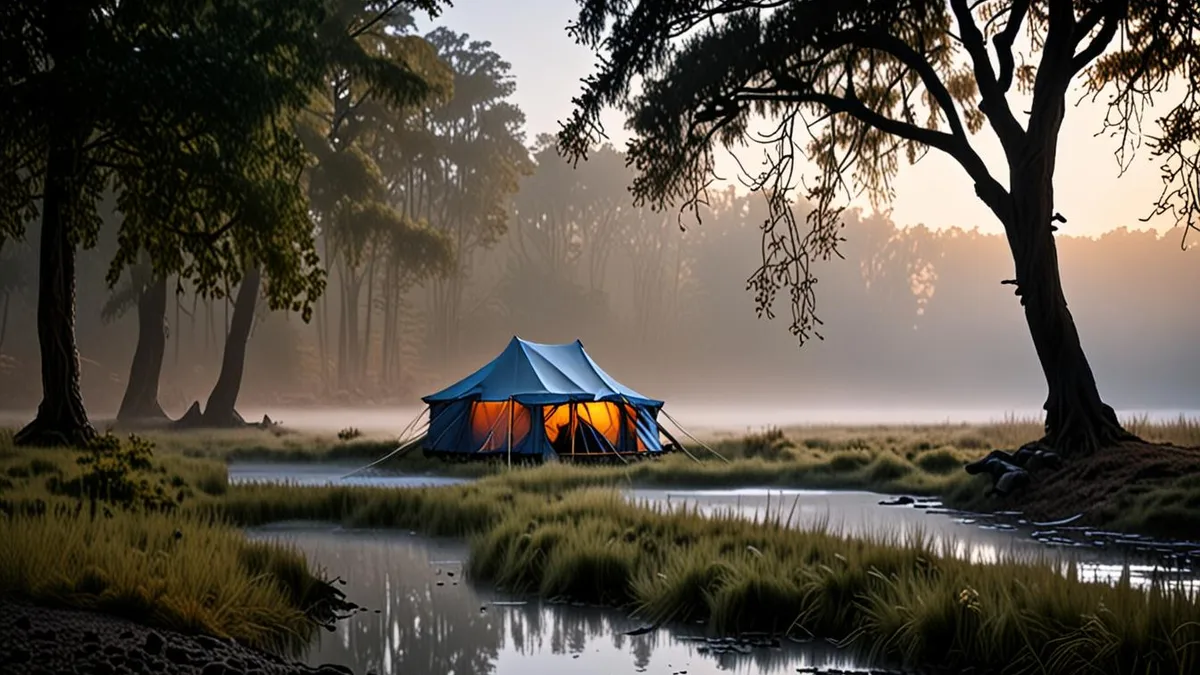
Weather Realities You Should Prepare For
The wind is the single biggest surprise for most first-time visitors. Gusts over 60 km/h (37 mph) are routine during the summer months, which is why reputable glamping sites use heavily anchored domes and platform-mounted tents rather than freestanding canvas. For you, it means a windproof shell jacket isn’t optional gear; it’s the piece you’ll reach for almost daily, and a cheap umbrella is pointless.
Four seasons in one day is not a cliché
Patagonian weather can shift from bright sunshine to sleet to calm within a single afternoon, and that applies even in peak summer. Pack for sun, rain and near-freezing nights in the same bag, even if you’re visiting in January. Layers are the only strategy that works: a base layer, an insulating mid-layer and a hard shell, plus a warm hat and gloves for evenings around the dome.
The compensation is daylight. In December and January you get 16 or more hours of light, which genuinely changes how much you can do. Long hikes, glacier viewpoints and scenic drives all become easier to fit in without pre-dawn starts, and golden-hour photography can stretch late into the evening.
How Much Patagonian Glamping Costs
Patagonian glamping is not a budget alternative to hotels — in most cases it costs the same or more. Expect roughly $150-600+ per person per night, and the wide range reflects real differences in comfort, location and service. A simple safari tent on a steppe site sits at the lower end, while a fully insulated geodesic dome with a private bathroom and chef-prepared dinners lands at the top.
Meal plans make a bigger difference here than at most glamping destinations. Because sites are often hours from the nearest town or supermarket, many lodges include all meals in the rate, and those all-inclusive plans push prices toward the top of the range. Half-board or self-catering options can bring the nightly figure down, but check whether the site even allows them before assuming you will save.
Timing matters just as much as the site itself. Shoulder-season dates can cut 20-40% off peak-season rates at the same domes and tents, so the exact same unit can cost dramatically less in October-November than in January. You trade some sunshine for savings, but many travelers find the trade worthwhile.
Transfers are the cost most first-timers forget. Many sites sit 1-3 hours from the nearest major airport hub such as Punta Arenas or El Calafate, and many lodges charge for that drive separately. Ask about transfer fees when you book so the final bill does not surprise you.
- Room configuration affects the per-person math: some domes are priced per person with mandatory double occupancy, while others charge per unit, so a solo traveler can pay noticeably more than the advertised base rate.
- Guided excursions may be billed separately: at some lodges daily hikes, kayaking or horseback rides are included, while at others each activity carries its own fee that can rival a night’s accommodation.
- Wine, beer and bar drinks often sit outside the meal plan: in remote areas with no shop nearby, beverages are brought in at a markup, so a modest bar tab can add up over a multi-night stay.
- Single supplements exist at smaller sites: lodges with only a handful of units frequently charge solo guests extra to fill a dome meant for two, sometimes a substantial percentage of the nightly rate.
Booking Timeline and How to Choose a Site
Booking a glamping stay in Patagonia rewards early planners more than almost any other trip type. The good sites are small, often with fewer than twenty units, and they sit in remote locations hours from the nearest town. That combination of limited capacity and high demand means the most sought-after domes and tents sell out long before casual travelers even start looking. If you are new to this style of travel, reading a beginner’s guide to planning your first glamping trip will help you understand the basics before you commit to a remote booking.
- Fix your dates before contacting any site. Because many lodges close entirely outside the main season and run limited capacity even in season, you need firm dates before asking about availability — vague inquiries get vague answers.
- Reserve 6-12 months ahead for December-February stays. The peak summer weeks fill first, and popular domes can be fully booked nearly a year out, so treat this like booking a safari lodge rather than a hotel room.
- Book 3-6 months out for shoulder season. October-November and March stays usually leave you more breathing room, plus better rates and a decent chance of negotiating a longer stay or a better unit.
- Interrogate the structure before you pay. Prioritize sites with proper insulation, wood stoves or heating and wind-tested anchored structures over cheaper canvas-only options — a cold, rattling tent in a Patagonian gale will ruin even a bargain rate.
- Get the inclusions in writing. Ask exactly what the rate covers: meals, airport transfers, guided hikes and park fees. Remote locations make add-ons expensive once you arrive, so clarify everything up front.
- Confirm the cancellation policy carefully. Long lead times mean plans change, and remote lodges often have stricter cancellation terms than mainstream hotels, so know your exposure before paying a deposit.
- Ask about transfers and access. Many sites sit 1-3 hours from hubs like Punta Arenas or El Calafate, and not every lodge includes the drive in its rate. Confirm how you will arrive before you book anything else.
Once your dates and site are locked in, the hardest part of the planning is done. From there, your main job is preparing for the conditions — which is where smart packing and realistic expectations about the weather pay off.
Packing for Patagonian Conditions
Packing for Patagonian glamping is a different exercise than packing for a mild-weather dome in Europe or California. Layered clothing, a windproof shell and warm sleepwear matter more here than at milder glamping destinations, because nights drop close to freezing even in midsummer and gusts can strip the heat out of you in minutes. Build your clothing around a simple system: a moisture-wicking base next to skin, something warm and breathable over it, and a windproof shell on top to block the gusts that define this region.
Footwear deserves special attention. Trails around these sites are often muddy or exposed, and a rain shower can turn a packed-dirt path into a slick mess within an hour. Sturdy waterproof boots with decent ankle support will serve you far better than trail runners or anything canvas.
For a complete rundown that covers every category, the complete glamping packing checklist is a useful starting point you can adapt to Patagonia’s specific conditions. Below are the items that matter most here specifically.
- A buff or neck gaiter: cheap, featherlight, and the single most useful item against steppe wind and dust on exposed ridgelines and boat decks.
- Liner gloves and a warm beanie: even in January, early-morning starts and lake wind can leave your hands and ears numb before breakfast.
- Quick-dry socks in quantity: wet trails and rain mean you will cycle through pairs fast, and cotton socks that stay damp are a recipe for cold feet and blisters.
- Sun protection: the southern sun combined with long daylight hours and thin ozone in parts of Patagonia makes high-SPF sunscreen, sunglasses and a brimmed hat genuinely necessary, not optional.
- A small repair kit: a few zip ties, cord and tape can fix a torn tent flap, a broken strap or a loose boot sole when the nearest shop is hours away.
- Any personal medications in your carry-on: remote sites are far from pharmacies, and a delayed bag should never leave you without essentials.
The Bottom Line on Glamping in Patagonia
Glamping in Patagonia delivers what most travelers are really after: real beds and warmth under some of the wildest skies on the planet. The trade-offs are real too. The season runs from October to March, remote sites sit 1-3 hours from major airports, and the weather can swing from sunshine to near-freezing wind in a single day. Go in prepared, and none of that dims the experience.
The short version: budget roughly $150-600+ per person per night, book 6-12 months ahead for the December-February peak, and prioritize sites with solid heating and clear inclusions over cheaper canvas-only options. Pack for wind above all else. If you’ve glamped in Patagonia or you’re still deciding, share your plans or questions in the comments below.