You want to wake up surrounded by native bush, fall asleep to the sound of waves or stars, and skip the hassle of pitching a tent yourself. The trouble is, New Zealand is a long, varied country, and glamping in New Zealand looks very different depending on where you go. Northland’s beaches, Rotorua’s forests and Queenstown’s alpine lakes each suit different travelers, seasons and budgets.
This guide breaks down the best regions for a nature-immersive stay, from warm-water coastal sites to vineyard setups and dark-sky domes. You’ll find what each region does best, what to expect weather-wise, and how far ahead to book. We’ll also cover typical costs and finish with a simple planning checklist so you can match the right stay type to the right region.
Why New Zealand Suits Glamping in New Zealand for Nature Lovers
New Zealand is one of the few countries where you can drive from a subtropical beach to alpine lakes, or from rainforest to vineyards, in just a few hours. That compact geography is a huge advantage for glamping trips. Instead of choosing one landscape for your whole vacation, you can build an itinerary that combines several, without long travel days in between.
The country also has a strong eco-lodge culture. Many glamping sites are deliberately built around conservation land, working alongside predator-control projects or sitting inside or beside dark-sky reserves. For travelers who care about the environment as much as comfort, this means your accommodation choice often directly supports local conservation work.
A stay type for every comfort level
The range of accommodation is wider than most first-time visitors expect. Safari tents and yurts offer a classic, back-to-nature feel, while geodesic domes and treehouses lean toward luxury, often with proper beds, heating and impressive views. Whatever your comfort level, there’s usually a style of glamping in New Zealand that matches it, and the regions below each favor particular types.
Northland and the Bay of Islands: Warm-Water Coastal Glamping
Northland and the Bay of Islands sit at the top of the North Island, and they’re the warmest glamping region in the country. Summer averages run 20-26°C, and the beaches here are genuinely swimming-friendly, which isn’t something you can say about every coastal area in New Zealand. If your ideal glamping morning involves a swim before breakfast, this is the region to prioritize.
Getting there is refreshingly easy. It’s roughly a 3-hour drive from Auckland, which makes Northland a natural first stop after you land or a relaxed final leg before you fly home. You won’t need to plan an ambitious road trip just to reach your tent or dome.
What to do from your tent
This is coastal country, so plan around the water. Coastal walks along the bays and headlands are a highlight, kayaking is easy to arrange, and island day trips are one of the region’s signature experiences. If you’re traveling with a dog, it’s smart to check pet policies early, since many coastal sites have specific rules, and our guide on whether glamping sites are pet-friendly explains how to find out before you book.
One planning note: December through February is peak season here, and the warmest region books out fastest. Reserve your site 6-9 months ahead for summer dates, especially if you want a waterfront position rather than whatever remains.
Rotorua and the Central North Island: Forest and Geothermal Stays
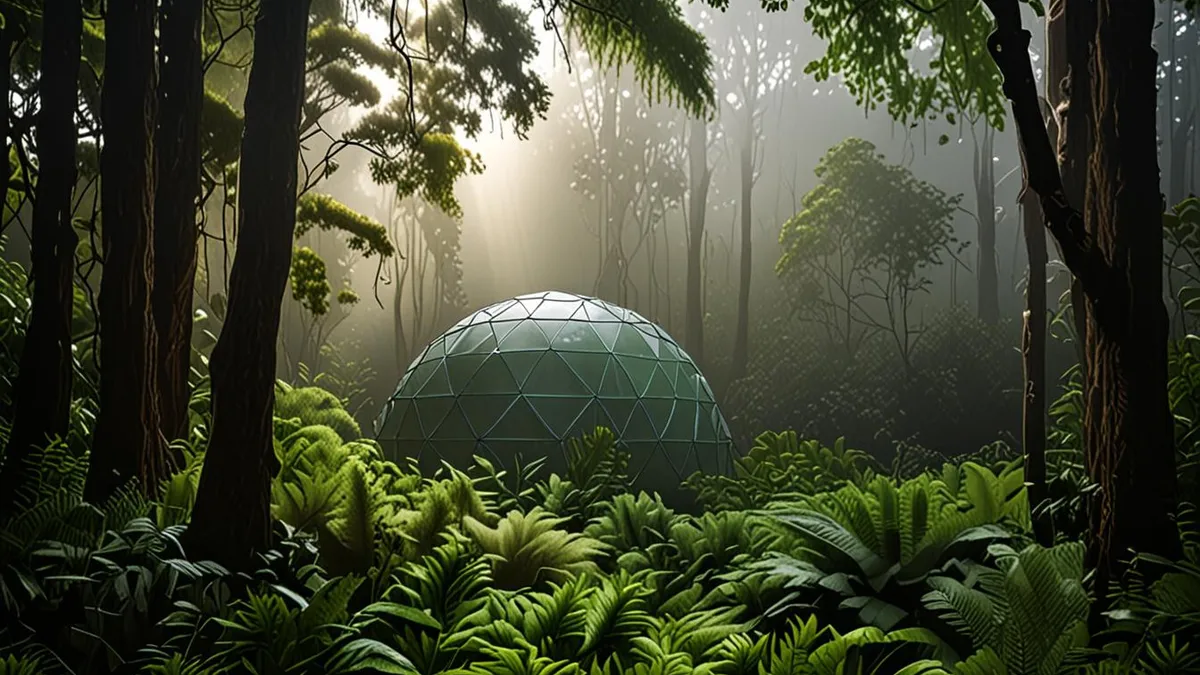
Head to Rotorua and the Central North Island for a completely different flavor of glamping. Here, native forest settings come with a bonus you won’t find anywhere else: geothermal activity. Steaming ground, thermal pools and that unmistakable mineral smell are part of the landscape, and mountain-bike trails weave through the surrounding forest, making this the best region for travelers who want activity on the doorstep.
The accommodation style matches the setting. Treehouse and forest-dome stays are common here, often tucked into stands of native trees with boardwalks and decks. If you’re weighing up whether a treehouse is right for you, our guide to treehouse stay types, costs and booking tips covers the details. Expect NZD 300-600+ per night for high-end options in this region.
Why the shoulder season works well here
March and April bring fewer crowds and stable temperatures, which suits forest stays particularly well. The trails are quieter, and you’re more likely to have that dawn birdsong to yourself. A few practical points to consider:
- Geothermal areas are best explored in the cooler morning hours, when steam is most visible and walking is more comfortable
- Mountain-bike trail networks here cater to a range of skill levels, so you don’t need to be an expert rider to enjoy them
- Forest settings mean evening temperatures drop faster than in open coastal areas, so check whether your stay includes heating or a fire pit
- Shoulder-season rates can sit below the high-end peak figures, making March-April a good window for premium domes and treehouses
Queenstown and Fiordland: Alpine Domes and Dark Skies
Queenstown and Fiordland deliver the most dramatic backdrops in the country: mirror-still lakes, jagged mountain ranges and valleys that change color with the seasons. Glamping here means waking up to snow-capped peaks through the clear panel of an alpine dome, often with nothing but bush and birdsong around you.
There is a catch, and it is the temperature. Outside December-February, nights can drop below 10°C, and in the depths of winter they fall much further. That is not a reason to avoid the region outside high summer, though. It simply changes the kind of stay you should book.
Why winter works in your favor
Winter stays in the South Island, from June to August, are built around comfort: wood burners crackling in the corner of the tent, private hot tubs steaming under the stars, and blankets laid out for evening stargazing. With long dark nights and low light pollution, this is some of the best stargazing country you will find, and snow on the surrounding peaks makes the scenery even sharper. If that sounds appealing, it helps to understand how cold-weather glamping stays actually work before you commit.
Geography also works in your favor here. Queenstown sits roughly 2-3 hours from the gateways to Fiordland, so you can base yourself in one area and easily combine lake-and-mountain luxury with a trip toward the fiords. Many travelers split their nights between the two rather than choosing one.
Marlborough and the West Coast: Vineyards and Wild Coastline
Marlborough and the West Coast appeal to a different kind of glamping traveler. Neither region is about swimming or sunbathing. Both are about scenery, and each offers a completely different version of it, which makes them a strong pairing for travelers who care more about landscapes than beach weather.
Marlborough pairs vineyard glamping with mild shoulder-season weather, particularly in October-November when the vines are coming back to life and the crowds are thin. Waking up surrounded by grapevines, with a winery lunch an easy bike ride away, is a very relaxed style of nature stay. Because demand is lower in these months, you typically only need to book 2-3 months ahead rather than the long lead times summer requires. The West Coast is the opposite mood entirely: wild, wet and dramatic, with rainforest pressing in around your tent and glacier-carved landscapes within reach. Stays here tend toward the more rugged end of the spectrum, though well-equipped luxury options do exist, so check what each site includes before you commit.
Whichever you choose, a few practical points will shape your trip:
- Rain gear is non-negotiable on the West Coast. This is one of the wettest parts of New Zealand in any month, so pack a waterproof jacket and quick-drying layers year-round, not just in winter.
- Shoulder season is Marlborough’s sweet spot. October-November brings mild temperatures and lower demand, which means better availability and a calmer atmosphere in the vineyards.
- Glacier and rainforest access shapes your base. On the West Coast, choose a site positioned for the landscapes you came for, since driving distances between highlights can be longer than they look on a map.
If your priority is waking up to a view rather than drying off after a swim, these two regions will reward you more than anywhere further north. Give each at least two or three nights, and check current rates and availability directly with operators before locking in your dates.
When to Book and What Glamping in New Zealand Costs
Glamping in New Zealand is popular enough that the best sites sell out well in advance, especially the ones with the most memorable settings. A little planning goes a long way, and so does knowing what a night should realistically cost before you book. Here is a simple sequence to follow, whether you are eyeing a coastal safari tent or an alpine dome.
- Decide on your region and season first. Peak season runs December-February, and the most sought-after stays in warm coastal and alpine locations book out fastest. Lock in your dates before you fall in love with a specific tent or dome, because availability shapes everything else.
- Reserve summer stays as early as you can. For December-February travel, the best-positioned sites go first, so treat your booking like a flight reservation rather than a last-minute decision. If you are traveling in the shoulder months of October-November or March-April, booking 2-3 months ahead is usually enough, and you will often find more choice at the same properties.
- Budget by stay type, not by region. Tents and yurts typically run NZD 150-300 per night, while luxury domes and treehouses start around NZD 300 and can climb well past NZD 600. Knowing this range helps you spot genuine value and overpriced listings alike. Remember that a higher rate often includes extras such as private bathrooms, wood-fired hot tubs or guided walks, so compare what is actually included.
- Read recent reviews before a South Island winter booking. Focus on what past guests say about weather-proofing and heating. A dome that feels magical in January can be a miserable choice in July if the heating is inadequate, so look for mentions of insulation, wood burners or electric heaters.
Follow those steps in order and the rest of the planning falls into place. The travelers who regret their glamping bookings are almost always the ones who left them too late or skipped the reviews, not the ones who paid a little more for the right site.
Wrapping Up Your New Zealand Glamping Plan
So where should you go? Match the region to the experience you want: Northland for warm-water beaches, Rotorua for forest and geothermal settings, Queenstown and Fiordland for alpine lakes and dark skies, and Marlborough or the West Coast for vineyards and wild coastline. Timing matters just as much. December to February is peak season, while October-November and March-April balance decent weather with better availability.
The two decisions that matter most are booking 6-9 months ahead for a summer stay and choosing a stay type that suits the region, whether that’s a yurt, a dome or a treehouse. Get those right and the rest tends to fall into place. If this helped you plan your trip, leave a comment or share the article with a fellow traveler.