Planning honeymoon lodge stays can feel surprisingly tricky. Photos show candlelit dinners and sweeping views, but they rarely tell you whether your “private” suite actually faces the parking lot or shares a wall with the family room. Many couples pay premium prices for lodges that look romantic online yet deliver none of the seclusion they were counting on.
This guide walks you through what genuinely makes a lodge stay romantic, how to pick the right setting for your season and interests, when to book for the best rates, what each budget tier really buys, and the questions to ask before you commit. We also cover packing and practical prep, then wrap up with a quick recap. The goal is simple: help you spend your honeymoon budget on privacy and views that matter, not on a marketing label.
What Makes a Lodge Stay Romantic: Privacy, Views and Space
The single biggest difference between a romantic lodge and an ordinary one is separation. Standalone cabins and private suites give you your own entrance, your own quiet, and no neighbor footsteps through the wall. This seclusion typically costs 15-30% more than a standard lodge room, but for a honeymoon it is usually the upgrade that matters most. Two people sharing a hallway with a dozen other rooms will never feel as removed as a couple with their own deck and their own door.
Make the view part of the room
A view feature turns an ordinary evening into the highlight of the day. Look for lake frontage where you can watch the water from bed, valley vistas that change color at sunset, or glass walls facing wilderness so wildlife and weather become your entertainment. Ask the lodge specifically which room categories face the view, because many properties save their best angles for a handful of units and fill the rest with garden or parking outlooks.
Couple-specific amenities are the second filter. Outdoor baths, fireplaces, and private decks are designed for two, and an adults-only policy protects the quiet you came for. When comparing lodges, weigh these features against the price gap between room types, and remember that a modest room with a private deck often beats a large shared-space suite for honeymoon value.
Choosing the Right Setting: Mountains, Lakes, Safari or Aurora
The setting shapes your entire honeymoon rhythm, so choose it based on how you two like to spend time together rather than what looks best on social media. Mountain and lake lodges suit couples who want scenery, quiet hikes, and slow mornings with coffee on the deck. Alpine regions shine from June through September for summer conditions, or December through March if you want snow and fireside evenings.
Safari lodges deliver a different kind of romance: shared adventure. Game drives at dawn, sundowners in the bush, and evenings comparing sightings create the kind of memories couples talk about for years. Timing matters more here than almost anywhere else, since dry-season game viewing runs from June to October in East Africa and May to September in Kruger, when animals gather at water sources and vegetation is thinner.
- Aurora glass lodges work best from September to March, when long polar nights maximize your chances of catching the lights from a heated bed or lounge chair.
- Darkness requirements mean these lodges sit far from towns, so expect to eat, relax, and stargaze on-site rather than exploring nearby nightlife.
- Cozy interiors are a genuine design priority at these properties, since you may spend hours indoors waiting for clear skies between aurora displays.
If the northern lights are your dream, it helps to read a dedicated guide such as Finland glass lodges for aurora views before committing, because these properties book out differently than conventional lodges.
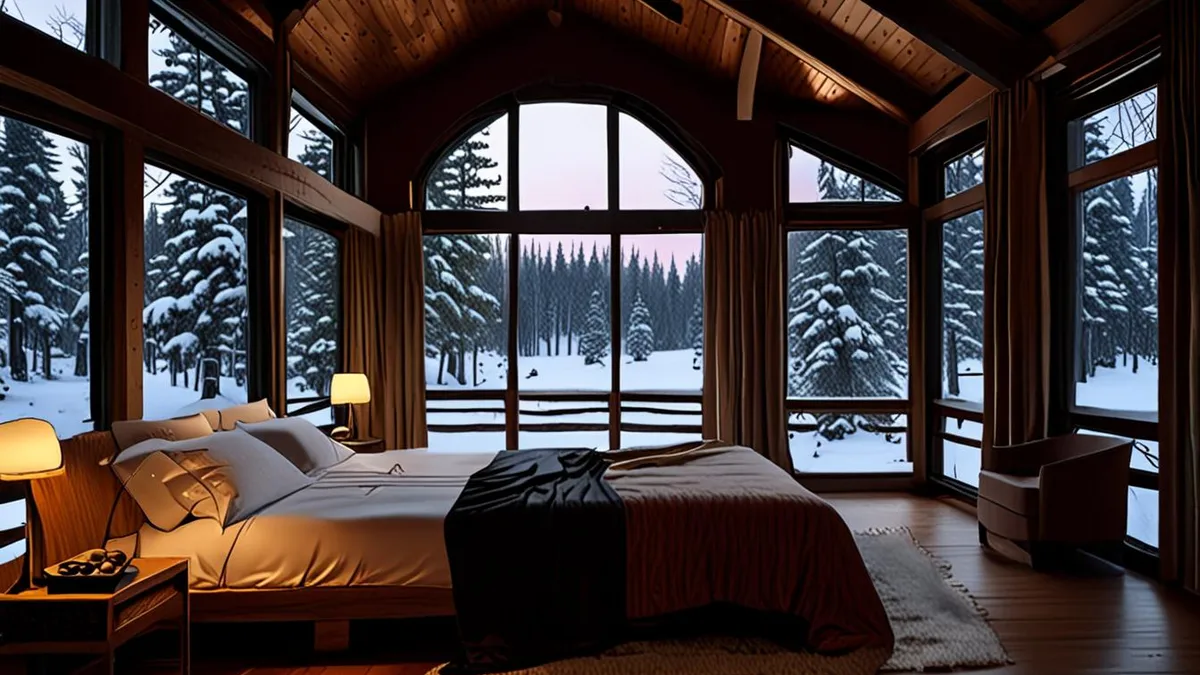
When to Book Your Honeymoon Lodge for the Best Rates
Lodge pricing swings more than most honeymooners expect, and the difference between a good deal and an overpriced booking often comes down to when you reserve and when you travel. The same cabin can cost noticeably more in peak season than it does a few weeks either side of it, and the most private units tend to disappear first. The steps below cover the essentials in the order you should tackle them. For a deeper look at seasonal pricing patterns, this guide to when to book lodge stays and how seasons affect prices breaks the timing down further.
- Reserve 6-12 months ahead for peak-season dates. Safari and aurora lodges have limited private units, and the best cabins go first, so early booking protects both availability and rate.
- Target shoulder seasons to save. Traveling in May-June or September-October often cuts rates 20-40% versus peak pricing, with fewer guests sharing the lodge and its views.
- Ask about honeymoon perks at booking time. Many lodges offer honeymoon packages worth 10-20% of the booking value in extras such as private dinners, spa credits, or room touches, but you usually need to request them when you reserve rather than on arrival.
One practical note: perks negotiated at booking are almost always more generous than anything requested later, since lodges plan staffing, dining, and upgrades around confirmed reservations. Put the honeymoon question in your very first email, mention your wedding date, and get any promised extras confirmed in writing before you pay your deposit. It also helps to compare what each lodge includes in its base rate. Some bundle meals and activities, others charge for them separately, which can shift the real cost of a stay by a meaningful margin. Before signing anything, read the cancellation terms carefully, since remote lodges with few units often enforce stricter policies than city hotels. A short phone call to the reservations team can clear up details that email threads leave vague.
Honeymoon Lodge Budgets: What Each Tier Buys You
Most couples can expect to pay somewhere between $250 and $800 per night for a mid-range romantic lodge, and at that level meals or at least some activities are often included. Once nightly rates climb above $800, you move into luxury territory, where private plunge pools, dedicated staff and remote locations start to justify the price. These figures shift by region and season, so treat them as a starting point rather than a promise.
The trickiest budget decision is where to splurge. For a honeymoon, our advice is consistent: a private suite or standalone cabin usually delivers more romance per dollar than upgrading your meals or airport transfers. You will remember waking up to a valley view from your own deck far longer than you will remember a slightly fancier dinner. Yes, the private option costs a premium over a standard lodge room — but for this particular trip, that premium is typically money well spent. If the budget forces a choice, cut back elsewhere before you give up the seclusion.
Understand what the rate actually includes
Remote lodges often bundle dining, drinks and activities into an all-inclusive rate, while more accessible properties charge à la carte. A $400 nightly rate with everything included can be cheaper in practice than a $300 rate plus meals, guided hikes and transfers billed separately. Before you compare lodges, ask each one exactly what the rate covers, then line them up on the same basis. And if you are booking a honeymoon package, ask what extras it adds — perks like private dinners or spa credits can be worth 10-20% of your booking value.
Questions to Ask Before You Commit
Photos and reviews only tell you so much. Before you pay a deposit, a short phone call or email to the lodge itself will answer the questions that actually determine whether a place feels romantic or merely expensive. Lodges vary enormously in layout, atmosphere and how seriously they take honeymoons, so it pays to be direct. A property can look flawless in curated images yet feel crowded or impersonal in person, and marketing copy rarely mentions the details that matter most to couples — how close the cabins sit, how late the bar stays lively or whether children dominate the pool.
Start with size. A lodge with under 20 rooms usually means quieter evenings, staff who learn your names by day two and a dining room that feels like a dinner party rather than a hotel restaurant. Larger properties can still be lovely, but the personal touch tends to thin out as the unit count rises. Ask how many guests the lodge hosts at full occupancy, and how many of those are couples versus families or tour groups. A small, well-run lodge will know these numbers instantly, and the confidence of the answer often tells you as much as the figures themselves.
Ask these before you commit
- How are the units spaced? Ask whether cabins share walls, verandas or sightlines — some lodges cluster units closely, which can undo the seclusion you paid a premium for.
- Where does noise travel? Request a unit away from the bar, fire pit and main deck, and ask if music or group events run in the evenings.
- Are children allowed? Some lodges are adults-only; others welcome families, which changes the mood around the pool and dining areas considerably.
- How do you handle honeymoons? Ask specifically about complimentary upgrades when available, private dining options and whether the team marks the occasion with anything special — a lodge that answers this easily usually delivers.
Packing and Practical Prep for a Romantic Lodge Stay
Packing for a lodge honeymoon is all about matching your bag to the setting, and it pays to think through each day of your itinerary before you zip anything shut. Mountain lodges demand layers and a waterproof shell, since alpine weather can swing from sunshine to drizzle within a single afternoon — a light base layer, a fleece mid-layer and a rain jacket let you adapt without overpacking. Safari lodges call for neutral, earth-toned clothing that blends into the landscape, plus a warm fleece for chilly early-morning game drives; long sleeves and trousers also help with insects after dark. For aurora nights, pack serious warmth: insulated boots, thermal base layers, gloves and a hat, because you may stand outside in freezing darkness for an hour or more waiting for the sky to perform. Comfortable, broken-in walking shoes matter everywhere, and a small daypack is useful for hikes, drives and carrying layers you shed along the way.
Connectivity is the other big adjustment. Remote lodges often have limited or slow Wi-Fi, and some charge for it or restrict it to common areas rather than individual rooms. Check what to expect before you go, tell family and friends you may be out of touch, and plan to be pleasantly offline — most couples find the digital detox becomes one of the trip’s highlights. For a full rundown of what to bring, our practical lodge packing checklist covers everything item by item.
A few extras worth preparing
- Offline entertainment: Download playlists, podcasts, e-books and maps before departure — a rainy evening in a cabin goes better with something ready to play.
- A power bank: Outlets in remote units can be limited, and cold nights drain phone batteries faster than usual.
- Transfer logistics: Arrange airport or airstrip pickups well in advance; reaching a remote lodge can add 2-4 hours of travel, so confirm who meets you, where and when.
Planning Your Honeymoon Lodge Stay: A Quick Recap
So how do you tell a genuinely romantic lodge from an expensive one with good marketing? It comes down to three checks: privacy first, setting second, price third. A lodge that matches your season and shared interests, whether that is mountain trails, safari drives or aurora nights, will feel romantic without you paying for extras you never use.
On the practical side, book 6-12 months ahead for peak-season dates, consider shoulder seasons for savings of 20-40%, and set a nightly budget of $250-800 mid-range or $800+ for luxury. Confirm honeymoon perks before you pay, not after. Do that, and you get the seclusion you actually wanted instead of a standard room at a premium. If this helped you plan, share it with another couple or leave a comment with your own lodge tips.