Scroll through any hotel listing and you’ll meet a wall of labels: studio, junior suite, deluxe, executive, connecting. Almost none of them come with a clear explanation of what you actually get for your money. Is a junior suite a real suite? Does deluxe mean bigger, or just a better view? For many travelers, this confusion leads to overpaying for space they never use, or booking a room that turns out too small for the family.
This guide breaks down the most common hotel room types and shows what each one genuinely offers. We’ll start with the base categories of standard, superior and deluxe, then look at studios with kitchenettes, real suites versus junior suites, and the connecting and family rooms that make group travel easier. You’ll also find advice on matching a room type to your trip, plus a look at the extra categories resorts use, from ocean-view rooms to private-pool villas. By the end, you’ll be able to read any listing and know exactly what you’re booking.
Standard, Superior and Deluxe: The Base Room Types
Standard rooms are the entry category at almost every hotel, and they’re usually perfectly fine for one or two travelers. In city hotels, a standard room typically runs around 16-25 square meters, with either a queen bed or two single beds. You get the essentials: a private bathroom, a small desk or chair, storage space and often a TV. Nothing fancy, but everything you actually need for sleeping and showering.
Superior and deluxe rooms sit one and two rungs above that base level. Here’s the part that surprises many travelers: at most hotels, these rooms occupy the same footprint as the standard. What you’re paying extra for is usually a better view, a higher floor, a recent renovation or a slightly larger layout. A deluxe room might face the courtyard instead of the street, or add a few square meters and a bathtub where the standard has only a shower.
Check the square meters, not the name
Because there’s no industry-wide standard for these labels, “deluxe” can mean very different things at different hotels. At one property it might be 30 square meters with a balcony; at another, it’s the same 20 square meters as the standard with a nicer paint job. Before you book, look at the listed size in square meters and the bed configuration. Those two numbers tell you far more than the label does, and they let you compare rooms across hotels on equal footing.
Studio Rooms and Kitchenettes: Who They Suit
A studio room combines your sleeping and living space in one open room, and adds a kitchenette along one wall. This format is the specialty of aparthotels and extended-stay brands, which build entire properties around it. Instead of a separate bedroom and living room, you get one efficient space: bed at one end, a small dining table or sofa in the middle, and the kitchenette at the other.
When a studio saves you money
Studios shine on longer trips. If you’re staying five nights or more, the higher nightly rate of a studio often pays for itself, because cooking a few simple meals offsets the cost difference compared to a plain room. Eat breakfast in the room, make one dinner at home instead of dining out, and the savings add up quickly over a week or more. For remote workers, the extra space and the option to prepare your own food make a studio far more livable than a cramped standard room.
Set realistic expectations about the kitchen
Don’t expect a full kitchen, though. A typical kitchenette includes a two-burner hob, a microwave and a set of basic utensils and plates. That’s enough for pasta, scrambled eggs, salads and reheating leftovers, but not for proper multi-course cooking. If cooking matters to your trip, check the listing photos or email the property to confirm exactly what equipment is provided before you arrive.
Suites, Junior Suites and Executive Rooms
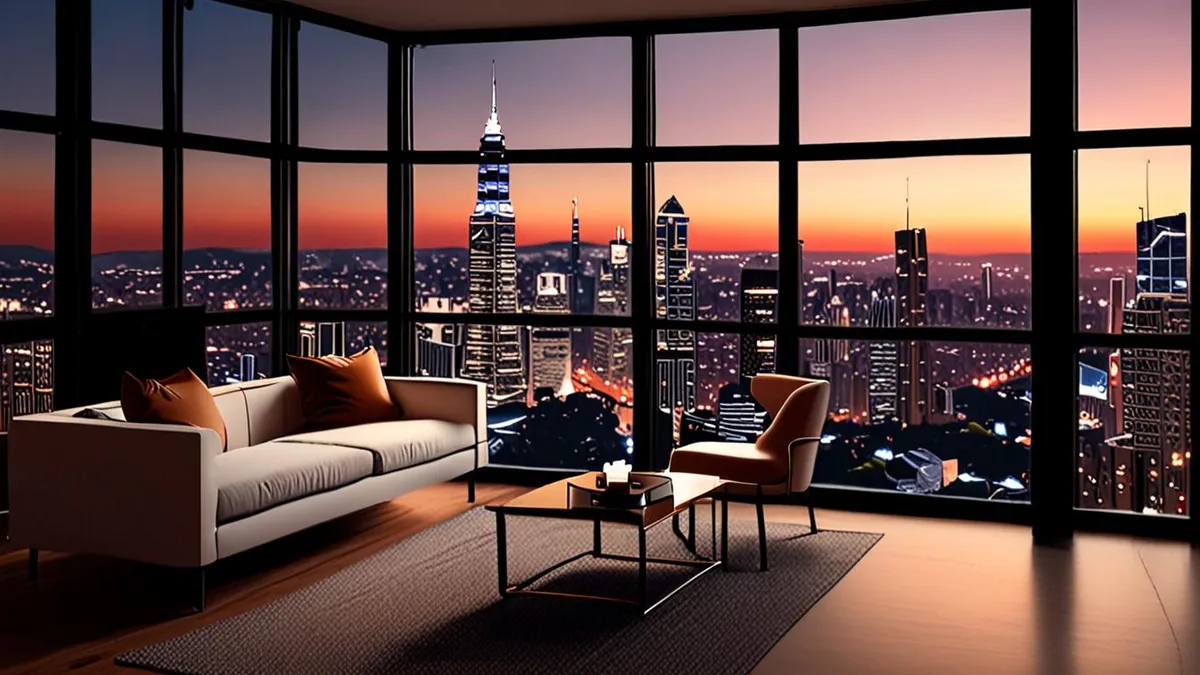
A true suite means one thing above all: a separate living room, walled off from the bedroom. You can sit on the sofa, take a call or have a drink without sitting on your bed. Suites usually start around 35-40 square meters, and they often cost 50-100% more than a standard room in the same hotel. That’s a serious premium, so it pays to know what you’re actually getting.
Junior suites blur the line. In most cases, a junior suite is simply a larger room with a sitting corner or a sofa bed added, not a separate room. It can be a comfortable upgrade, but if you specifically want two distinct spaces, confirm the layout with the hotel before booking rather than trusting the name.
Executive rooms are a different animal entirely. The extra cost usually buys perks and access rather than square meters, which can be excellent value if you’ll actually use them:
- Lounge access: many executive rooms include entry to an executive lounge with complimentary drinks, snacks and a quieter place to work or relax during the day.
- Breakfast included: executive rates frequently bundle breakfast, which at many city hotels is otherwise a significant extra charge per person each morning.
- Late checkout: these room categories often come with guaranteed or priority late checkout, useful when your flight or train leaves in the evening.
- Free minibar or laundry perks: some hotels throw in soft drinks from the minibar or a laundry allowance, small touches that add up on a work trip.
The practical takeaway: if you want space, compare the actual square meters and layout. If you want perks, an executive room may deliver more value than a suite at a lower price.
Connecting, Adjoining and Family Rooms for Groups
Traveling with kids or a group of friends changes the math on rooms entirely, and this is where the terminology gets confusing. Connecting rooms share an internal door between them, so you can move between the two rooms without going into the hallway. Adjoining rooms, on the other hand, are simply located next to each other with nothing but a wall in common. Hotels and booking sites often use these words interchangeably, so if you want that internal door, ask the hotel directly to confirm it exists.
Family rooms: one room, four beds
A family room is a single room designed to sleep four people, usually with two double beds or a double bed plus a sofa bed. It is often the most affordable way to keep everyone under one roof, and it works well with younger children who still need supervision at night. The trade-off is privacy: with everyone in one space, early risers and late sleepers will clash. If your kids are older, two connecting rooms give everyone their own bathroom and a door to close.
One practical warning: connecting rooms must be requested at the time of booking, and even then they are never guaranteed until you check in. Hotels hold limited inventories of these pairings, and a system glitch or an early arrival can break up the set. Call the hotel after booking to confirm the request is noted on your reservation, and mention it again when you arrive. A polite reminder at the front desk often makes the difference between two random rooms and the pair you actually need.
How to Choose the Right Room Type for Your Trip
The right room type depends less on the hotel and more on what your trip actually looks like. A couple spending three nights in a city will barely use a suite’s living room, while a family of four squeezed into two standard rooms may pay more and lose the ability to keep an eye on the kids. Matching the category to your itinerary is the easiest way to stretch a hotel budget.
For couples on short city breaks, a standard or superior room is genuinely enough. You are out sightseeing all day, and the extra square meters of a suite go unused. Save that money for a nice dinner instead. If the trip marks an anniversary or honeymoon, though, the upgrade conversation changes, because the room becomes part of the experience rather than just a place to sleep.
Families and groups of friends should compare the price of a family room or connecting rooms against two separate doubles. The shared option usually wins on both price and supervision, since everyone stays in one bookable unit. For longer stays or remote work, a studio with a kitchenette pays for itself: cooking even a few meals over five or more nights offsets the higher nightly rate compared to a plain standard room.
- Special occasions: a suite upgrade is often cheapest 2-4 weeks before arrival, when unsold inventory gets discounted. If your dates are flexible, timing your booking the smart way can turn a suite into a surprisingly affordable splurge.
- Ask about bed configurations: two “deluxe” rooms at the same price can offer a king bed in one and two singles in the other, so specify what you need rather than what sounds better.
- Weigh location against category: a standard room in a well-located hotel often beats a suite on the outskirts, since city breaks are spent outside the room anyway.
Room Types at Resorts and Destination Hotels
Resorts and destination hotels add a whole second layer of room categories on top of the usual standard and suite labels. You will see swim-up rooms with direct pool access from a private terrace, garden-view rooms facing landscaped grounds, villas with private pools, and in places like the Maldives, overwater bungalows. Each step up the ladder adds a premium, and the differences between categories are not always obvious from the booking page.
Ocean-view versus oceanfront
This is the classic resort trap. An ocean-view room may only offer a sliver of sea visible between two buildings, angled from your balcony if you lean out. An oceanfront room, by contrast, directly faces the water. The price gap between the two can be significant, so look at guest photos and the resort map before paying for the view. If you spend most of the day at the beach or pool anyway, a garden-view room often delivers nearly the same experience for less.
At the top of the range, villas and overwater categories can cost 3-5 times a garden room in the same resort. That premium buys privacy, space and a wow factor that some travelers find worth every cent, especially for honeymoons. But it is worth doing the math before upgrading: compare what each view and category premium actually adds, and decide whether you would rather have five nights in an oceanfront room or ten in a garden room. Check the resort’s map and category descriptions carefully, since labels vary widely between properties and regions.
The Takeaway on Hotel Room Types
Hotel room labels like studio, suite and junior suite mean different things at different properties, which is why so many booking pages feel confusing. The name matters far less than the details: check the listed square meters and the bed configuration before you book. A standard room typically runs 16-25 square meters in city hotels, while a true suite gives you a separate living area on top of the bedroom, which is why these rooms sit at the top of most price lists.
Once you know the basics, matching the room type to your trip is simple. Suites often cost 50-100% more than a standard room in the same hotel, studios add a kitchenette for longer stays, and connecting rooms share a door but need explicit confirmation at booking. Choose based on trip length and group size, and you get more comfort from the same budget. If this helped you decode a confusing listing, leave a comment or share the article.