Booking a lodge for the first time comes with a nagging question: what exactly am I paying for? Many travelers assume the rate covers everything from meals to morning game drives, only to find that some lodge amenities are included while others appear as line items on the final bill. That uncertainty can make an otherwise exciting trip feel like a guessing game.
This guide breaks down what you can typically expect at check-in and what usually costs extra. Most lodges include Wi-Fi, parking and linens in the base rate, but dining plans, spa access, guided excursions and airport transfers follow different rules. We will walk through what is almost always included, how room-only, half-board and full-board meal plans compare, which wellness facilities appear at each lodge tier, which activities add to your bill, and how to verify everything before you book. By the end, you will have a simple checklist to book with confidence.
What Lodge Amenities Are Almost Always Included
Some things you can count on at almost any lodge, whether it’s a budget room near a trailhead or a high-end safari property. Bed linens, bath towels and basic toiletries come standard at virtually every lodge, so there’s no need to pack soap or extra blankets. A private bathroom is also standard, even at inexpensive lodges — a real difference from some cabin rentals, where you might share a washroom down the hall.
Connectivity and parking follow the same pattern. On-site parking and Wi-Fi are included in the base rate at most lodges, which makes them easy to compare across properties. The catch is quality: remote lodges, especially those in mountains or wilderness areas, may have slow or satellite-only connections, so don’t expect the same speeds you’d get in town.
Housekeeping is included too, but the schedule varies. At remote lodges it may run every 2-3 days instead of daily, so your room might not be refreshed every morning. If a tidy room matters to you, ask about the cleaning rhythm when you book.
- Basic toiletries usually mean small bottles of shampoo, conditioner and body wash; if you’re picky about brands, bring your own travel sizes.
- Towels are typically swapped during housekeeping visits, so at lodges with less frequent service you may keep the same set for a couple of days.
- Parking is generally free and on the property, but at lodges in tight village centers or winter resorts, spaces can be limited — ask whether you need to reserve one.
- Wi-Fi is usually strongest in common areas like the lounge or dining room, with weaker signal in individual rooms at remote properties.
- Extra blankets and pillows are normally available on request at no charge, a small comfort worth mentioning at check-in rather than suffering a cold night.
Meals and Dining: Room-Only, Half-Board and Full-Board
Meal plans are one of the biggest variables in lodge pricing, so it pays to understand the terminology before you book. A room-only rate covers exactly what it says: the room and nothing else. You handle every meal yourself, whether that means cooking in a kitchen or driving to a nearby restaurant.
Half-board adds breakfast plus one more meal, usually dinner, to the base rate. This works well for travelers who want to explore at lunchtime but appreciate a guaranteed evening meal without hunting for a table. Full-board covers all three meals, and at full-board lodges this typically adds 40-60% to the room-only price. That sounds steep until you add up what three restaurant meals per day would otherwise cost.
How all-inclusive differs from full-board
All-inclusive lodge rates go one step further than full-board by including drinks and often some activities on top of the three daily meals. Soft drinks, house wine and beer are usually covered, while premium spirits or bottled wine may still be billed separately. If you plan to have a drink with dinner every night, an all-inclusive rate can work out cheaper than paying per glass.
One important caveat: at remote lodges, half-board or full-board is often effectively mandatory. When there are no outside restaurants within reach, the lodge simply has to feed you, and the meal plan is built into the rate whether you like it or not. Safari lodges and wilderness properties frequently operate this way, so read the rate description carefully. If the price seems high, remember it may already include two or three meals a day rather than just the room.
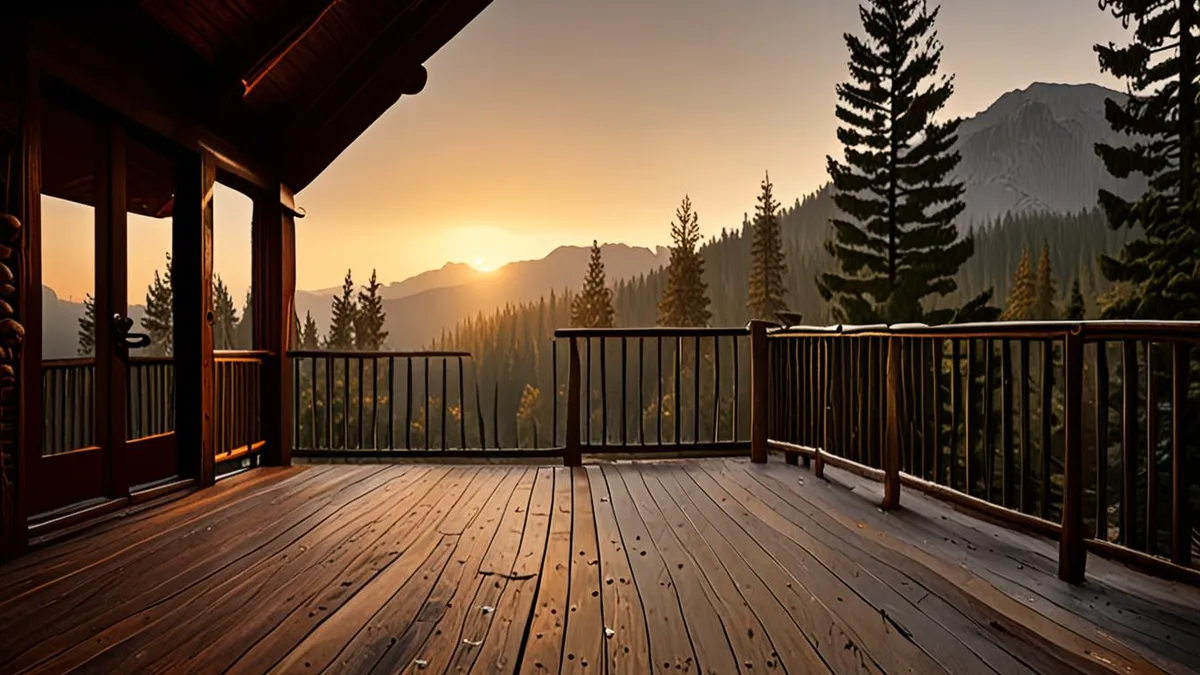
Wellness and Leisure Facilities by Lodge Tier
The wellness and leisure side of a lodge varies more with price tier than almost any other amenity category, so it helps to know what to expect before you book. If you are still deciding which tier fits your trip, the breakdown of budget, mid-range and luxury safari lodges covers the full comparison in detail.
What each tier typically offers
Budget lodges usually keep leisure facilities minimal. Expect a shared lounge, sometimes a fire pit where guests gather in the evening, and little beyond that. A few may have a simple outdoor seating area, but you should not count on a pool, sauna or gym at this level.
Mid-range lodges commonly step things up with one or two standout facilities included in the rate. A sauna, a hot tub or a small pool is typical, and these are often exactly what you want after a long day of hiking or game viewing. Check whether the pool is heated if you plan to travel in a cooler season, since some lodges close or reduce pool facilities in shoulder months.
Luxury lodges typically feature full spas, gyms and infinity pools with a view. The facilities themselves are part of the rate, but treatments such as massages and facials are frequently billed separately, so review the spa menu and prices before assuming a wellness day is covered. Booking treatments in advance is wise, as prime slots fill quickly.
A note for families
Family-oriented lodges often include game rooms, playgrounds and supervised kids’ clubs at no extra charge. These can make a significant difference to both your budget and your sanity, so if you are traveling with children, prioritize lodges that advertise these facilities and confirm the minimum age for the kids’ club when you book.
Activities and Excursions: What Costs Extra
At most lodges, the room rate covers the building and its facilities, but the activities that got you there usually cost extra. Guided hikes, game drives, boat trips and ski shuttles are typically priced per excursion, often $50-150 per person. Over a week, those add-ons can easily rival the cost of your accommodation, so it pays to know what you are signing up for before you arrive.
Safari lodges are the classic example of how differently this can work. Some bundle two daily game drives into the rate, so you simply show up at the vehicle each morning and afternoon. Others quote a lower room price and charge per drive, which can work out cheaper if you only plan a few outings. If you are unsure how a particular property handles this, it helps to read up on what a typical day at a safari lodge looks like before comparing rates.
- Guided hikes: mountain lodges often price these by group size, so joining a scheduled walk costs far less per person than booking a private guide.
- Boat trips: sunset cruises and river safaris are usually shorter and cheaper than full-day outings, making them a good first add-on to test.
- Ski shuttles: some winter lodges run a free scheduled shuttle to the nearest lifts, while door-to-door or on-demand transfers carry a per-trip fee.
- Equipment rental: snowshoes, kayaks, bikes and fishing gear are almost always an add-on, and rates are usually per day rather than per hour.
- Park entrance fees: if an excursion takes you into a national park, ask whether the packaged price covers the entrance fee or whether you pay it separately on site.
One practical habit: ask the lodge for a current activity price list when you book. Prices and schedules change with the season, and having the list in hand makes it much easier to budget the trip honestly.
Transfers, Logistics and Service Extras
Getting to a remote lodge is often half the journey, and that last stretch is rarely free. Airport transfers at remote lodges commonly range from $100-300 per vehicle, depending on distance and road conditions. Book the transfer when you reserve your room, not after you land. Remote properties may be hours from the nearest town, and arranging transport on arrival can be difficult or impossible.
Once you are settled, a handful of everyday services are usually billed as extras. Luggage assistance, laundry service and packed lunches are the most common paid add-ons at lodge properties. None of these are expensive individually, but on a longer stay they add up, so ask for the current price list at check-in.
Courtesy extras worth knowing about
On the pleasant side, many lodges include small gestures in the rate: a welcome drink at check-in, afternoon tea in the lounge, or a nightly aperitif before dinner. These vary widely by property and tier, so treat them as a bonus rather than a guarantee, but they are worth asking about when comparing two similarly priced lodges.
Self-catering versus serviced lodges
The biggest logistical difference is food. Self-catering lodges provide full kitchens and usually a grocery starter kit with basics like coffee, oil and spices, so you can cook your own meals. Serviced lodges do not offer kitchens at all; meals come from the lodge restaurant or a board plan. If you have dietary needs or travel with children, decide which model suits you before booking, because switching mid-stay is rarely an option at remote properties.
How to Verify Lodge Amenities Before You Book
Lodge listings compress a lot of information into a small space, and important details can hide between the lines. A listing photo might show a gorgeous terrace, but nothing tells you whether that terrace furniture is for all guests or reserved for a higher room category. Similarly, a mention of “activities available” says nothing about whether those activities are part of your rate or billed separately on site. A few minutes of checking before you pay can save you from surprise charges and disappointment on arrival, especially at remote properties where there is no comparable lodge next door to move to if things go wrong. Work through these steps in order:
- Read the rate description line by line. The board plan, transfer inclusions and activity bundles are all listed there. Note exactly which meals, drives or shuttles are named as included, and treat anything not mentioned as probably extra. Screenshot or save the rate description at the time of booking so you have proof of what was promised if a dispute arises later.
- Email the lodge directly. Ask specific questions about Wi-Fi quality, housekeeping frequency and any seasonal facility closures. A direct answer also tells you how responsive the property is, which matters at remote locations where you cannot simply walk to a reception desk in a nearby town. Keep the reply in writing rather than relying on a phone call.
- Compare the same lodge across seasons. Pools or spas may close in shoulder months, so a great-sounding facility list can describe a summer version of the lodge that will not match your winter stay. Our guide to seasonal timing and lodge prices covers how this affects both rates and what you get.
- Scan recent guest reviews. Look specifically for mentions of surprise charges at checkout, such as fees for activities or services the guest assumed were included. A single complaint means little, but a pattern is a clear warning. Sort reviews by date so you are reading the most recent experiences, since ownership changes and renovations can alter what a lodge includes.
Doing this takes maybe twenty minutes, and it changes the conversation from “what does this cost?” to “what does this include?” That second question is the one that actually determines the value of a lodge stay, because two lodges with identical nightly rates can end up costing very different amounts once meals, activities and services are settled. It is far easier to clarify these points before paying than to argue about them at checkout, when your leverage is gone and the next guest is already waiting for your room. Especially at remote properties where alternatives are few, the lodges that answer your questions clearly and completely are usually the ones that run their operation just as carefully.
Wrapping Up Your Lodge Amenity Checklist
So which lodge amenities are actually in the rate? The basics are nearly always covered: bed linens, towels, parking, Wi-Fi and some form of housekeeping come standard at most lodges, even budget ones. The surprises usually come from three places: meal plans, guided activities and transfers. Full-board dining, excursions and airport pickups can add a meaningful chunk to your bill if you assume they were included.
Facility levels also rise with the lodge tier, from a simple lounge and fire pit at budget properties to full spas and infinity pools at the top end. Match the lodge to what you will genuinely use rather than paying for a gym you will never see. Before paying, confirm everything in the rate details and directly with the lodge. If this checklist helped you sort included amenities from extra charges, leave a comment or share the article with a fellow traveler.