Scroll through any booking site and you’ll see lodge, cabin and chalet used almost interchangeably. A “cabin” turns out to be a staffed wilderness lodge, a “chalet” is a studio apartment with a pitched roof, and a “lodge” is a lakeside hut with no restaurant for miles. That labeling confusion makes it genuinely hard to know which stay type fits your trip, your group and your budget.
This guide breaks down the lodge vs cabin vs chalet question piece by piece. We’ll define what each type actually is, match them to different trips and seasons, compare what’s really included in the price, and share realistic booking lead times. You’ll also get a checklist for reading listings so the label on the photo matches the experience you’re paying for, plus a quick summary to help you pick with confidence.
What Defines a Lodge, a Cabin and a Chalet
The three stay types look similar in photos — wood, nature, a fireplace — but they differ fundamentally in how much is done for you. Getting the definitions straight is the first step to booking the right one.
A lodge: full service in a remote setting
A lodge is a staffed property, often set in remote or wild landscapes like national parks, savannas or mountain valleys. Dining, guided activities and a front desk are all on site, so you rarely need to leave the property or plan anything yourself. Meals are typically included, and staff handle everything from game drives to trail recommendations.
A cabin and a chalet: very different levels of care
A cabin is a small, self-catering wooden dwelling, usually sleeping 2-6 guests. There’s no daily housekeeping, no on-site restaurant and no staff — you cook, clean and organize your own activities. A chalet, by contrast, is an alpine-style house with a distinctive sloped roof, and it comes in two flavors: self-catering units where you do everything yourself, or fully catered, staffed homes with a cook and host.
The practical difference between all three comes down to service level. A lodge means full service, a cabin means none, and a chalet can be either. Once you know how much help you want on your trip, the choice becomes much clearer.
Lodge vs Cabin vs Chalet: Which Suits Your Trip
The right stay type depends less on the building and more on what your trip actually looks like. A family of four on a lakeside week and a group of ten on a ski holiday need completely different things from their accommodation.
Choose a lodge when guided activities, remote locations and included meals are the point of the trip. This is the classic setup for safari and wilderness travel, where you arrive, and everything from game drives to dinner is organized for you. If you’re weighing a lodge against a conventional hotel instead of against a cabin or chalet, our article on lodge vs hotel differences covers that comparison in detail.
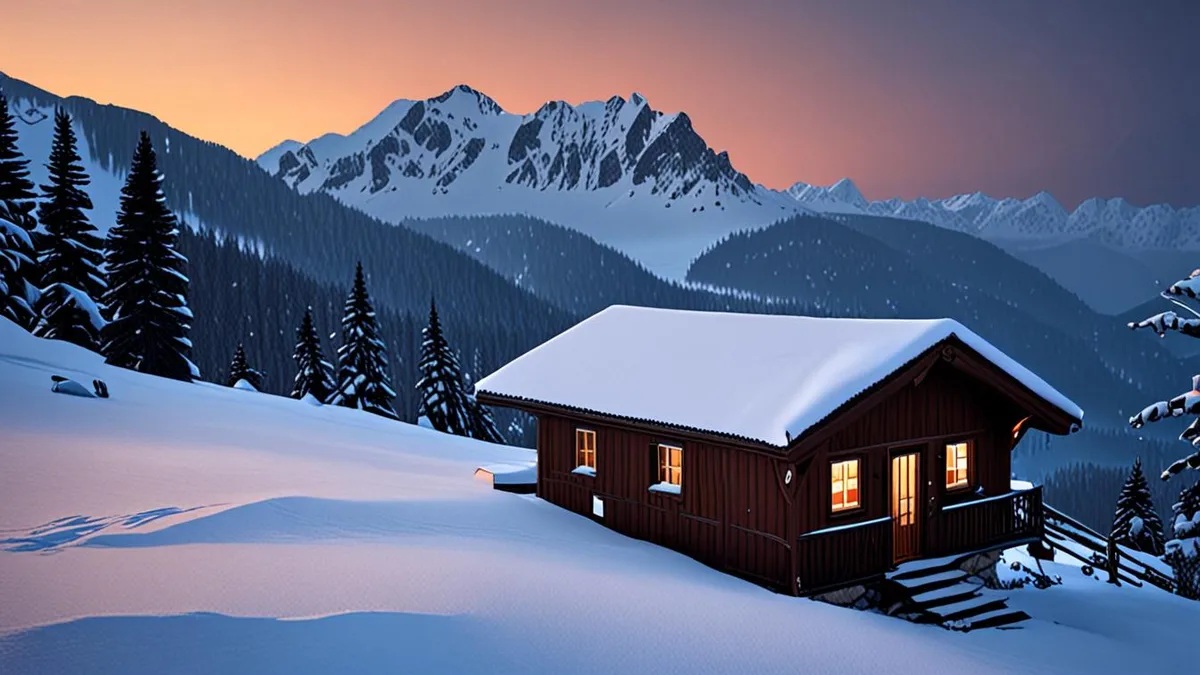
Choose a cabin when privacy, self-catering flexibility and a lower price matter most — think lake, forest or countryside trips where you’re happy to cook and plan your own days. Choose a chalet when it’s a ski trip and ski-in access plus space for a group of 8 or more are the priorities.
- Couples: small cabins offer privacy and quiet, while boutique lodges add service without the scale of a big resort — both suit two travelers better than a large shared property.
- Groups of friends: a shared chalet spreads the cost across the whole group and gives everyone a common living space, which is exactly why they dominate ski-trip bookings.
- Families with young children: a cabin’s kitchen and separate bedrooms can make a week away far easier and cheaper than eating every meal out.
Settings and Seasons: Where Each Type Shines
Each stay type has a season where it performs best, and timing your booking around that can save real money — or cost you the trip entirely if you leave it too late.
Alpine chalets and the ski calendar
Chalets are strongly tied to the ski season, which runs roughly December to April in the Alps. Demand is not even across those months: the high-season weeks at Christmas and February half-term are the most sought-after and most expensive, and alpine chalet rates in those peak weeks often run 30-60% above shoulder-season prices. If your dates are flexible, shifting your ski week away from school holidays is the single biggest saving available.
Lodges and cabins: different rhythms
Lodges work year-round, but safari lodges have their own peak: the dry months when game viewing is at its best. Those weeks are popular for a reason, and stays commonly book out 6-12 months ahead, so plan early if you have fixed dates.
Cabins suit summer and autumn stays in forest and lake country, when the weather is good for hiking, swimming and long evenings outside. Traveling in the shoulder months also pays off — shoulder pricing typically runs 20-40% below peak, so a September cabin week often costs noticeably less than the same week in July or August.
Price and What Is Included
Cabins almost always win on the nightly rate. Since you are renting just the property, the sticker price looks low compared to a lodge or catered chalet. But remember that the rate covers little beyond the roof over your head: you buy your own groceries, cook every meal, and pay for any cleaning fees, equipment rentals, or activities separately. Those add-ons can quietly double what you thought was a bargain stay.
Lodges sit at the higher end of the nightly scale for a reason. Meals, housekeeping, front desk staff, and often guided activities are bundled into the rate, so you are paying for a package rather than a room. When you add up what you would otherwise spend on dinners out, tours, and tips, the gap between a lodge and a cheaper-looking option often narrows considerably.
Chalets: per person or per property
Catered chalets usually price per person and include meals plus staff service, which makes them easy to compare against lodges. Self-catered chalets price per property, so the rate can look intimidating until you split it across a group of eight or more. If you are filling the whole place with friends, the per-person cost can rival a cabin.
The smartest move is to compare total trip cost, not the nightly rate. Add food, activities, transport to restaurants or trailheads, and cleaning fees for each option before you decide. Timing matters here too, since rates swing by season; reading up on how seasons affect lodge prices can help you spot when a full-service stay actually costs less than assembling the same experience yourself.
Booking Lead Times by Stay Type
Timing matters as much as the stay type itself, and each of the three works on a different booking rhythm. Safari lodges are the most demanding of the three: the best camps and the most sought-after rooms for peak game-viewing months fill up very early, so if you have your heart set on a specific lodge or region, treat it like booking a flight, not a hotel room. Reserve as soon as your dates are confirmed, and expect the most popular camps to be gone long before casual planners start looking. Our guide to choosing a safari lodge in Kruger by area and season walks through how location and timing interact.
Ski chalets run on a similar clock. Christmas week and February half-term are the two high-demand periods in the Alps, and the most popular catered chalets for those weeks often need reserving 6-9 months in advance. Cabins are far more forgiving: outside peak summer, you can often book a lake or forest cabin one to three months out and still have a good selection. The exception is cabins in genuinely popular spots during school holidays, which fill much earlier.
There is also a flip side: flexibility can save real money. Shoulder-season lodge stays in May-June and September-October often cost 20-40% less than peak summer, and last-minute deals do appear in those windows when lodges have unsold rooms. If your dates are movable, waiting can pay off; if they are fixed, book early.
- Safari lodges: reserve as far ahead as you can for peak game-viewing months, especially if you want a specific camp, a private vehicle or a family suite, since those go first.
- Ski chalets: reserve Christmas and February half-term weeks 6-9 months in advance; catered chalets with prime ski-in locations sell out before self-catered ones.
- Cabins in shoulder season: May-June and September-October stays can often be booked 1-3 months out, and midweek dates are easier to find than weekends.
- Last-minute lodge deals: in shoulder season, unsold lodge rooms sometimes drop 20-40% below peak rates, so it pays to ask directly about late availability.
How to Check Listings Before You Book
Listing sites use the words lodge, cabin and chalet loosely, so the label alone tells you little. The reliable clues are in the description, and the first thing to look for is service language. Phrases like “full board”, “all meals included”, “guided activities” or “housekeeping included” signal a lodge, because a true cabin has no daily service at all. If a listing mentions a front desk, on-site restaurant or activity desk, you are looking at lodge-style accommodation regardless of what the headline calls it.
Capacity is the second check. Cabins usually sleep 2-6 guests, so if a listing claims to be a cabin but hosts eight or more, read carefully to see whether it is actually a large chalet or several units joined together. Also look at the bed configuration, not just the guest count: a “sleeps 6” cabin with one double, a bunk bed and a sofa bed is a very different trip for a group of adults than one with three proper bedrooms.
A quick checklist before you pay
- Catering terms: “catered chalet” means meals are included in the per-person price; “self-catering” means you cook, so check whether a supermarket is reachable without a long drive.
- Distance details: the location section matters more than the label, so check the actual distance to ski lifts, park gates or trailheads, and whether a shuttle is included or you need a car.
- Bedroom count versus guest count: a property can claim to sleep eight while offering only two bathrooms and pull-out sofas, which changes comfort levels for a week-long stay.
- Who handles what: look for who provides linen, firewood or heating, since in a self-catering cabin those responsibilities fall on you and may carry extra fees.
Finally, read recent reviews with the service question in mind. Guests will tell you quickly whether meals were actually included, whether housekeeping happened daily or weekly, and how far the nearest lift or trailhead really was. Ten minutes of reading usually settles what the listing title could not.
The Short Version: Picking Your Stay Type
If listing sites have left you unsure whether a lodge, cabin or chalet fits your trip, the labels become simple once you focus on service level. Lodges mean full service in remote nature settings, best for safari and guided trips. Cabins mean self-catering privacy for 2-6 guests at the lowest cost. Chalets mean alpine accommodation, self-catered or catered, built around ski season.
From there, match service level, season and group size, then book by the lead times covered earlier. Do that, and the word on the listing stops mattering more than what you actually get on arrival. If this helped you sort out your next stay, leave a comment or share the article with a travel partner.