Torn between two of Southeast Asia’s favorite villa islands? You’re not alone. Phuket and Bali both promise private pools, tropical gardens and staff on call, yet the Phuket vs Bali villas question comes down to very real differences in cost, space and daily experience. A villa that fits your budget on one island might feel cramped or overpriced on the other, and the best month to visit is rarely the same for both.
This guide breaks the decision into practical parts: a price comparison at every budget, what your money actually buys in square meters and layout, the settings you’ll wake up to, the staff and service culture, when to book for good weather and fair rates, and which island fits different kinds of trips. By the end, you should know whether your next villa stay belongs on the Andaman Sea or among Bali’s rice terraces.
Phuket vs Bali Villas: Price Comparison at Every Budget
At the budget end, both islands are more affordable than most travelers expect. Simple one- and two-bedroom villas start around $50-100 per night in Phuket and Bali alike. The difference shows up in what that money covers: Bali’s budget tier often includes more space, with a small private pool or a decent garden thrown in, while Phuket’s cheapest villas tend to be more compact, especially anywhere near the west-coast beaches.
Step up to the mid-range and the comparison tightens. Private-pool villas typically run $150-400 per night in both destinations, which is comfortably enough for a well-designed two- or three-bedroom property with daily housekeeping. Phuket does get pricier in this bracket when you want to be within walking distance of beaches like Bang Tao or Kata, where location itself carries a premium.
Luxury and the high-end premium
At the top end, clifftop and beachfront villas range from $500 to well over $1,500 per night. This is where Phuket pulls ahead in price: its true oceanfront stock is limited and commands the highest premiums, particularly villas perched above the west coast with unobstructed sea views. Bali’s luxury tier tends to offer more land and staff for the same money, though beachfront in Uluwatu or Seminyak still costs serious money.
One more factor shapes every price bracket: the calendar. Phuket rates peak from November to April, while Bali peaks in July-August and over Christmas. Book the same villa two months apart and you can easily see a swing of 30-50 percent, so timing matters as much as the island you pick.
Space and Layout: What Your Money Buys
This is where Bali’s value proposition becomes obvious. Villas in Canggu and Ubud typically deliver larger plots per dollar: generous gardens, open-air living pavilions and long lawns that make a two-bedroom villa feel like a small estate. Much of daily life happens outdoors, under covered walkways and around the pool, which effectively adds usable space without adding walls.
Phuket takes a different approach. Villas there favor compact, efficient layouts, often stacked on hillsides above Kamala and Surin to capture the view. You trade garden space for a panorama, and many properties are built vertically across multiple levels rather than spread across a wide plot. If sea views top your priority list, that trade can be worth it; if you want kids or guests to roam, Bali usually wins.
Bedrooms and pools
Both destinations offer villas with 2-6 bedrooms, which makes group trips and family reunions easy to organize when you split the nightly rate. Check the bedroom configuration carefully, though, as some six-bedroom villas convert living areas rather than offering true en-suite rooms.
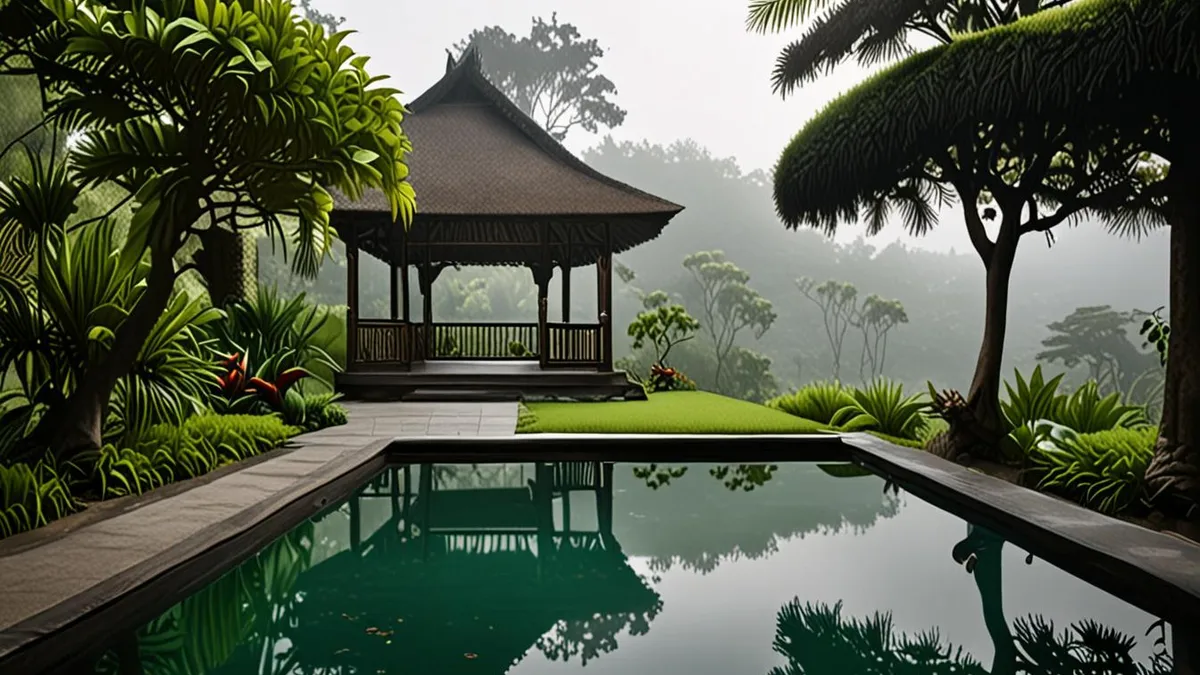
Pool types also differ by island. Phuket leans toward infinity pools facing the Andaman Sea, often the visual centerpiece of the villa. Bali favors garden and courtyard pools, surrounded by tropical planting and stone statues. If you’re weighing which style suits you, it helps to understand the different villa pool options and what they mean for your stay before you book.
Location and Setting: Beaches, Jungle and Rice Terraces
Phuket’s villa hubs cluster around beaches like Bang Tao, Kamala and Kata, and nearly all of them share the island’s west-coast sunsets. The appeal is simple: you can often walk to the sand, a beach club or a seafood shack in minutes. If your ideal day is morning swim, afternoon by your own pool and sunset drinks with your feet in the sand, Phuket’s geography delivers.
Bali splits its villa scene in two. The beach towns of Seminyak, Canggu and Uluwatu put you close to surf, cafes and sunset bars, while inland Ubud swaps ocean for rice terraces, river valleys and temple culture. Many travelers split a trip between the two, spending a few nights in each to get beach and countryside in one visit.
Choosing your setting
As a rule, Phuket suits travelers who want beachfront proximity above all else, while Bali suits those mixing beach, culture and countryside. Neither is better; they simply offer different backdrops for the same private-pool lifestyle.
Distances matter when planning day trips. Phuket’s airport sits roughly 45-60 minutes from the main villa zones, so budget for a longer transfer after landing. Bali’s Ngurah Rai airport is closer to the action, typically 30-45 minutes from Seminyak and Canggu, though traffic can stretch that considerably at peak times. Ubud adds another hour or so beyond the airport, which is worth factoring in if you’re planning a short stay.
The Villa Experience: Staff, Service and Daily Life
One of the joys of renting a villa is having someone else handle the chores. In both Phuket and Bali, daily housekeeping is commonly included in the villa rate, so your pool towels get swapped and your floors swept without you lifting a finger. It’s one of the quiet luxuries that makes a villa feel more like a private home than a hotel room.
Food is where villas really shine. Private cooks are widely available on both islands, typically charging around $20-40 per meal plus the cost of ingredients. In Phuket, that might mean fresh Andaman seafood grilled on your terrace; in Bali, a home-cooked Indonesian spread served in your open-air dining pavilion. Many cooks will shop the local markets for you and tailor dishes to kids or dietary needs if you ask ahead.
The two islands differ most in staffing culture. Bali’s tradition of fully staffed villas is more entrenched, especially in the larger properties around Canggu and Ubud. In Phuket, extra services usually come through villa agencies rather than live-in staff. If you’re unsure what to expect, it helps to read up on how villa staffing, housekeeping and concierge services actually work before you book.
Daily life also feels different. Bali’s semi-open, tropical living is the norm: bedrooms close off, but living rooms, kitchens and lounges often sit under high roofs with breeze flowing through. Phuket villas tend to be more enclosed and air-conditioned, which many travelers appreciate during the hottest months.
- Driver arrangements: In Bali, many larger villas include a driver on staff or can arrange one for day trips to temples and beaches; in Phuket, drivers are usually booked through your agency or a taxi app.
- Grocery stocking: Both islands’ villa teams will often pre-stock your fridge before arrival if you send a shopping list, handy for late-night arrivals with hungry kids.
- Butler and butler-style service: Bali’s full-staff villas may include a butler who plans dinners, books spa treatments and handles laundry, a level of service you’ll rarely find built into a Phuket rental.
- Guest-to-staff ratio: A six-bedroom staffed villa in Bali can have several team members on rotation, while a comparable Phuket property often relies on a single daily housekeeper plus on-call agency support.
When to Book: Seasons and Lead Times
Timing shapes both the price you pay and the weather you get. Phuket’s best villa weather runs from November to April, when the Andaman Sea is calm and skies are mostly clear. From May to October, monsoon rain moves in, and villa rates drop noticeably, sometimes by a third or more compared with peak weeks. If you don’t mind an afternoon downpour, the green season can be excellent value.
Bali works as a near-perfect counter-season choice. Its dry season runs from April to October, so when Phuket is at its wettest, Bali is at its best. That makes mid-year trips easy to plan: Bali for June through August, Phuket for December through February. Travelers who chase the dry side of each island rarely get caught out by weather.
How far ahead should you book?
For high-season dates in either destination, aim to book 3-6 months ahead. That window usually gives you the widest choice of villas and the best shot at popular layouts, like a five-bedroom with an infinity pool facing the sunset. Leave it too late and you’ll be choosing from whatever’s left, often at higher rates.
Christmas and New Year are the exception. These weeks are the most demanded of the year on both islands, and the best villas are often snapped up 6-12 months in advance. If a festive villa stay is the plan, book early and expect minimum-stay requirements of around a week.
The shoulder-month sweet spot
For the best price-to-weather ratio, look at the edges of each season. In Bali, May-June and September-October offer mostly dry days with softer demand. In Phuket, May and October sit just outside the peak rush, often with good conditions and more negotiable rates. These months reward flexible travelers with villas that feel like a bargain.
Which Island Fits Your Trip
Phuket and Bali both deliver beautiful villas, but they suit different kinds of trips. If your holiday revolves around the sea, Phuket is the stronger pick. Its villa hubs sit close to west-coast beaches, sunsets over the Andaman are part of the daily routine, and the island is a natural launchpad for island-hopping trips to Phi Phi, the Similans and beyond. It’s the obvious choice for a November-to-April escape when the weather is at its best.
Bali rewards travelers who want more than one kind of holiday. Your dollar stretches further on space, especially in Canggu and Ubud, so the same budget buys bigger gardens and more bedrooms. You can split a week between a beach town and the rice terraces, adding temple visits, yoga retreats and waterfall hikes to your beach days. And if your travel dates fall between April and October, Bali’s dry season lines up perfectly.
Families with kids do well on either island. Both offer gentle, swimmable beaches on their calmer coasts, and villa living, with private pools, kitchens and room to spread out, is far easier with children than a standard hotel room. Before booking, though, check pool safety and layouts: ask about pool fencing, shallow ends and whether bedrooms connect, since villa designs vary widely.
Groups get the best value by pooling budgets. A large multi-bedroom villa split among friends or several families often costs far less per person than booking multiple hotel rooms, and you get a shared living space thrown in.
- Multi-generational trips: Villas with both a pool and a shaded lounge area let grandparents relax while kids swim, something hotels rarely accommodate in one shared space.
- Celebration stays: Big-group villas in Canggu or Bang Tao are popular for birthdays and wedding parties, and many can arrange catering for a private dinner on site.
- Workation setups: If you’re traveling with remote workers, check each bedroom has reliable Wi-Fi and a desk; villa quality varies more than in hotels.
- Mixed budgets in a group: Villas with master suites plus smaller guest rooms let one person pay more for the best room while keeping the split fair for everyone else.
The Bottom Line on Phuket vs Bali Villas
So which island should you book? Phuket wins on beachfront settings and its November to April weather, making it the natural pick for a winter escape with the sea on your doorstep. Bali wins on space per dollar and its deeply rooted staffed villa culture, where a chef, driver and butler can come as standard.
The good news is that a budget of $150-400 per night secures a quality private-pool villa on either island, so this is rarely a question of money. Match the season to the island: Phuket for winter, Bali for the middle of the year. In the end, your choice comes down to beach-and-sea views versus jungle, culture and larger grounds. If this helped you decide, leave a comment or share the article with your travel crew.