Two listings can both say “villa” and still offer completely different experiences. One might be a secluded house with your own pool and no neighbors in sight; the other could sit inside a gated estate with restaurants, a spa and a front desk down the road. Many travelers only discover the difference after they arrive, when expectations about privacy, service and noise don’t match reality.
This private villa vs villa in a resort community guide breaks down exactly what sets them apart. We’ll define each type, compare privacy and atmosphere, weigh private facilities against shared resort amenities, look at how staffing and service levels differ, and explain what you actually pay for each option. We’ll also cover booking timing, who each option suits, and the key points to check before you commit to a listing.
What Counts as a Private Villa vs a Villa in a Resort Community
The two options look similar in photos but are built on different models. Understanding the structure of each one makes every other difference in this guide easier to follow.
The standalone private villa
A standalone private villa is a single property with its own entrance, pool and grounds. It is managed either directly by the owner or by a local rental agency, and everything inside the property line is yours alone for the duration of your stay. There is no reception desk, no shared lobby and no other guests using your garden or pool. If you need anything beyond the basics, from a private chef to airport transfers, you typically arrange it through the owner or the local manager.
The resort community villa
A resort community villa sits inside a gated estate that operates more like a hotel spread across individual homes. Shared pools, restaurants, a spa, gym facilities and security are all part of the package, and the estate is often run with hotel-style management, including a front desk and maintenance team on site. You get your own front door and usually your own plunge pool or terrace, but the estate’s facilities are used by other guests too.
Both types can be equally luxurious, with high-end furnishings, large bedrooms and impressive outdoor spaces. The real difference is who controls the space around the villa: at a standalone property, that’s you alone, while at a resort community, it’s shared with the estate’s other guests and governed by its rules and schedules.
Privacy, Space and Atmosphere
Privacy is the sharpest dividing line between the two options, and it shapes the whole feel of your stay.
Seclusion at a standalone villa
A standalone villa offers total seclusion. No one else lounges at your pool, wanders through the garden or shares your view. There are no fixed quiet hours either, beyond the general local noise rules that apply anywhere. If you want to swim at midnight, talk late on the terrace or play music over dinner, that’s between you and your neighbors’ hearing. For celebrities, honeymooners and couples who genuinely want to be left alone, this level of control is the main reason to choose a standalone property.
The trade-off at a resort community
Resort community villas trade some of that privacy for atmosphere. You’ll hear other guests around the shared pools and walk past neighbors on the way to dinner, and the shared pool is busiest between 10am and 4pm in summer. On the other hand, many people enjoy that buzz: it creates a social, hotel-like feel with the option to be around others or retreat to your own villa whenever you like.
As a rule of thumb, standalone villas suit couples and anyone who values seclusion above all. Resort villas suit travelers who want the energy and convenience of a resort setting without giving up the space and layout of a house.
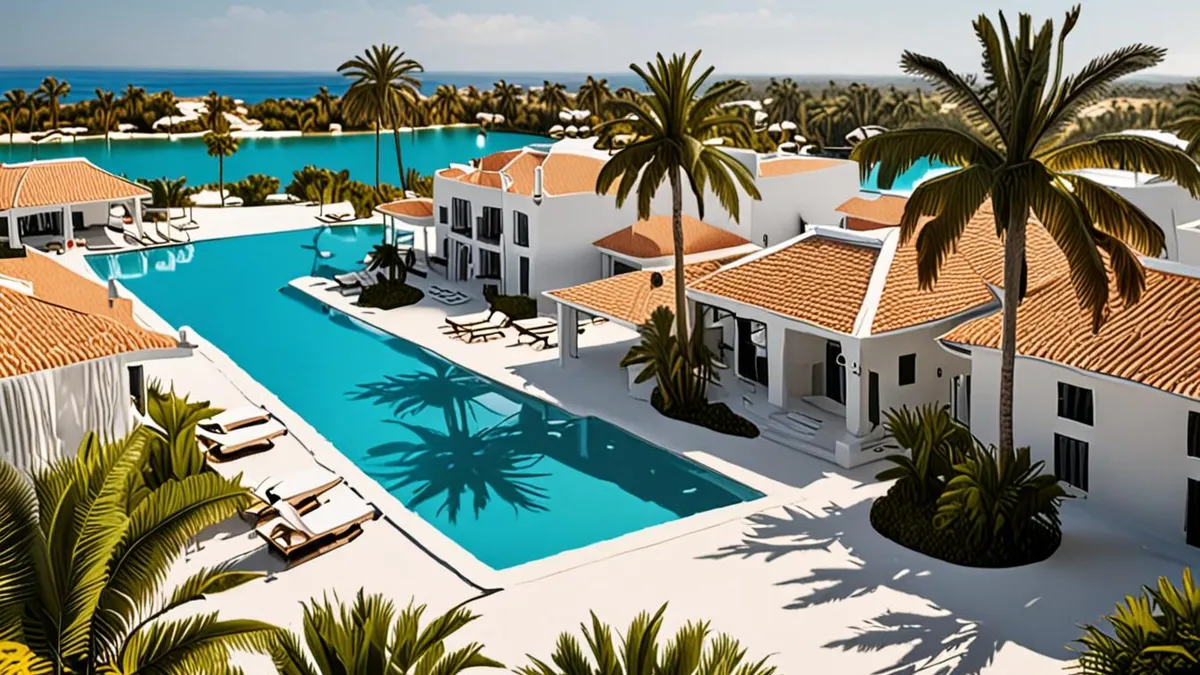
Amenities: Private Facilities vs Shared Resort Facilities
Amenities are where the two options diverge in the most practical ways. Each has clear strengths, and the better choice depends on which facilities you’ll actually use.
A standalone villa gives you a private pool available 24 hours a day, plus your own kitchen, terrace and garden. Everything on the property works to your schedule: swim at dawn, eat lunch by the water, and never share a sun lounger. If you’re weighing pool types, it helps to understand the differences between private, shared and infinity pools before booking.
A resort community villa adds shared extras that a standalone villa simply cannot match: restaurants, a spa, a gym, a kids’ club and sometimes tennis courts, all within the estate. The catch is that these facilities run on set hours, typically from around 8am to 8pm for pools, and they can feel crowded in July and August when the estate is at full occupancy.
- Restaurants: On-site dining means no driving after dinner, but popular venues may require reservations during peak weeks, and you’re eating where other guests eat.
- Spa and gym: A resort spa lets you book treatments without leaving the estate, and the gym is serviced daily, unlike the home gym equipment some standalone villas provide.
- Kids’ club: Supervised activities give parents a genuine break, something a standalone villa can only replicate by hiring staff privately.
- Tennis and sports courts: Courts are usually bookable by the hour, and equipment rental is often available on site, saving you from packing your own gear.
Staff and Service Levels
Service is one of the clearest dividing lines between the two villa types. A standalone private villa usually comes with housekeeping two to three times per week as standard, with towels and linen changed on a set schedule rather than every day. Anything beyond that is an extra you arrange and pay for separately, so it pays to know your own expectations before you book.
That said, extras are usually available if you want them. Most standalone villas can bring in a private cook for a few meals or for a whole week, and many owners or local agencies offer concierge help with restaurant reservations, airport transfers and grocery pre-stocking. If you are unsure what kind of support to expect, it helps to read a clear breakdown of villa housekeeping, cooks and concierge services before committing to a property.
Villas inside a resort community work differently. Daily housekeeping, a front desk that answers the phone, and on-site maintenance are typically part of the package, much like a hotel. You rarely negotiate for these services; they are simply there, included in what you pay.
When something breaks
This difference matters most when things go wrong. If the air conditioner fails in a resort community villa, you call the front desk and a technician usually appears the same day. In a standalone villa, you message the local manager and wait for their response time, which can vary from under an hour to the next day depending on the agency and the season. Ask before booking how the agency handles emergency repairs, whether there is a backup unit for essentials like air conditioning or the pool pump, and whether a nearby contact can step in quickly if the main manager is unreachable.
Costs: What You Actually Pay in Each Option
On paper, a nightly rate looks simple. In practice, the two villa types bill you very differently, and the gap is bigger than most travelers expect. As a broad rule, a standalone private villa typically costs 20-40% less per night than a comparable villa inside a gated resort community, for similar bedrooms, views and pool quality.
Why the difference? Resort community villas carry the cost of shared infrastructure, hotel-style staffing and brand management, and they pass some of that on. The nightly rate is only the starting point, too. Most resort communities add a daily resort or service fee of roughly $25-100 per bedroom, and some require a minimum spend at on-site restaurants as part of the booking terms.
A standalone villa flips the model: the base rate is lower, but you pay for services as you use them. A private chef, car hire and extra housekeeping days all come out of your own budget, so two weeks can cost more than the headline rate suggested. Before comparing quotes, it pays to go through what is actually included in a villa rental, from fees and extras to the costs nobody mentions upfront, line by line.
- Minimum-spend clauses: some resort communities require a set amount spent at on-site restaurants or spas during your stay, which effectively raises the total price if you would have eaten out anyway.
- Chef and grocery costs: in a standalone villa, a cook’s fee plus ingredients can add a meaningful daily amount, so budget for it separately rather than assuming meals are covered.
- Cleaning beyond the included visits: extra housekeeping days in a standalone villa are charged per visit, which adds up quickly on longer stays with young children.
- Car hire and transfers: resort communities often sit close to shared dining and facilities, reducing your transport needs, while a remote standalone villa usually makes a rental car essential for the whole stay.
How to Choose: Booking Timing and Who Each Option Suits
Timing matters more than most travelers realize, and it is the single biggest factor families overlook. Resort communities are popular with families who lock in the same weeks year after year, so for June-August travel you should typically book 6-12 months ahead to get a real choice of villas rather than whatever is left. Standalone villas in Europe usually need 3-6 months’ lead time for summer dates, though the best properties in the most popular regions can go earlier still. If you have specific bedrooms, a particular view or a fenced pool on your must-have list, booking early is the only way to guarantee you get it.
Once you have the calendar sorted, the choice comes down to what you value most. If privacy, a 24-hour private pool and lower nightly rates top your list, a standalone villa is the natural fit. If you travel with young children, want walkable on-site dining within 5-15 minutes, or simply prefer hotel-style service with a front desk to call when something goes wrong, a resort community villa will feel easier from day one.
Families weighing both options should look past the photos and check a few practical details before deciding:
- Bedroom layout: confirm whether bedrooms are in the main house or a separate annexe, and whether beds are proper singles or convertible sofas, since this changes how well everyone sleeps.
- Pool fencing: ask whether the pool can be secured or fenced, which matters far more with toddlers than heated water or pool size.
- Kids’ facilities: in a resort community, check the kids’ club age range and whether it runs daily or only in high season; in a standalone villa, look for games, shallow pool steps and safe outdoor space instead.
- Distance to dinner: if evening walks to restaurants appeal, verify the actual walking route and terrain, not just the map distance, especially with strollers.
Private Villa or Resort Community Villa: The Bottom Line
The Bottom Line
Two listings can both say “villa” yet offer completely different experiences, and the contrast often only becomes clear once you are standing at the front gate. A standalone private villa wins on privacy, 24-hour pool access and nightly rates typically 20-40% lower. A resort community villa wins on shared amenities, daily service and on-site support, at the cost of extra fees and busier shared spaces.
The right answer depends on your group, your budget and how much seclusion you actually want. Match the choice to those priorities first, then start comparing individual listings. If this helped you decide, leave a comment or share the article with a fellow traveler.