Queenstown lodge stays vary more than most travelers expect, and the difference often comes down to two things: where the lodge sits and when you book it. A room with the same star rating can cost over NZD 200 more per night in February than in April, and a lodge that looks like a bargain on the map might actually be an hour from the restaurants and activities you planned your trip around. Choose the wrong combination, and you can end up paying peak-season prices for a location that doesn’t suit your itinerary at all.
This guide breaks down Queenstown’s main lodge areas, from the central lakefront to Frankton, Arrowtown and remote Glenorchy, then compares how each season changes both rates and what you can actually do, whether that’s hiking, skiing or catching the autumn foliage. We’ll finish with practical advice on matching your budget and trip style to the right area, so you can book with confidence.
Why Area and Season Shape Queenstown Lodge Stays
The same category of lodge in Queenstown can swing by NZD 200 or more per night depending on when you visit. February sits at the peak of the southern summer, when demand is highest, while April falls into the shoulder season and rates drop noticeably. If your dates are flexible, simply shifting your trip by a few weeks can be the single biggest saving you make.
Area matters just as much as timing. Queenstown’s lodge options range from central lakefront properties steps from the town center, to Frankton and Sunshine Bay on quieter stretches of the shore, to the historic village of Arrowtown, and finally to remote Glenorchy at the head of Lake Wakatipu. Each area attracts a different kind of traveler, and each comes with its own trade-offs between convenience, price and scenery.
Season changes more than price
It’s easy to think of season as purely a pricing issue, but it also determines what your days look like. Summer brings long daylight hours for hiking and lake activities. Winter turns the region toward skiing and snow sports. Autumn paints Arrowtown in gold and red, while spring offers quiet trails and changeable weather. A lodge that’s perfect for a ski trip might feel isolated and expensive in the quieter months, so think about what you want to do first, then match the area and season to it.
Central Queenstown and Lakefront Areas
Central Queenstown and the lakefront area put you closest to everything the town is known for. Restaurants, bars, the gondola and the lakefront walking tracks are all within easy walking distance of most lodges here. If you’d rather not deal with a rental car, this is the area that makes a car-free trip genuinely workable, since airport transfers and activity shuttles cover most of what you need.
What you pay for convenience
This is also where the density of lodges is highest, which cuts both ways. You’ll have the widest choice of properties and the easiest access to town, but rates here run higher than anywhere else in the region, and noise levels can be noticeable, especially in summer when the town is at its busiest. Lakefront positions command a premium, so expect to pay for that view out over Lake Wakatipu.
Central Queenstown works best for short stays of two to three nights where your focus is on town and lake activities rather than wilderness. If your plan involves jet boating, riding the gondola, browsing the shops and eating well every night, being in the center means less time in transit and more time enjoying it. For longer trips, or if you’re chasing quiet evenings and mountain scenery, the surrounding areas usually serve you better at a lower price.
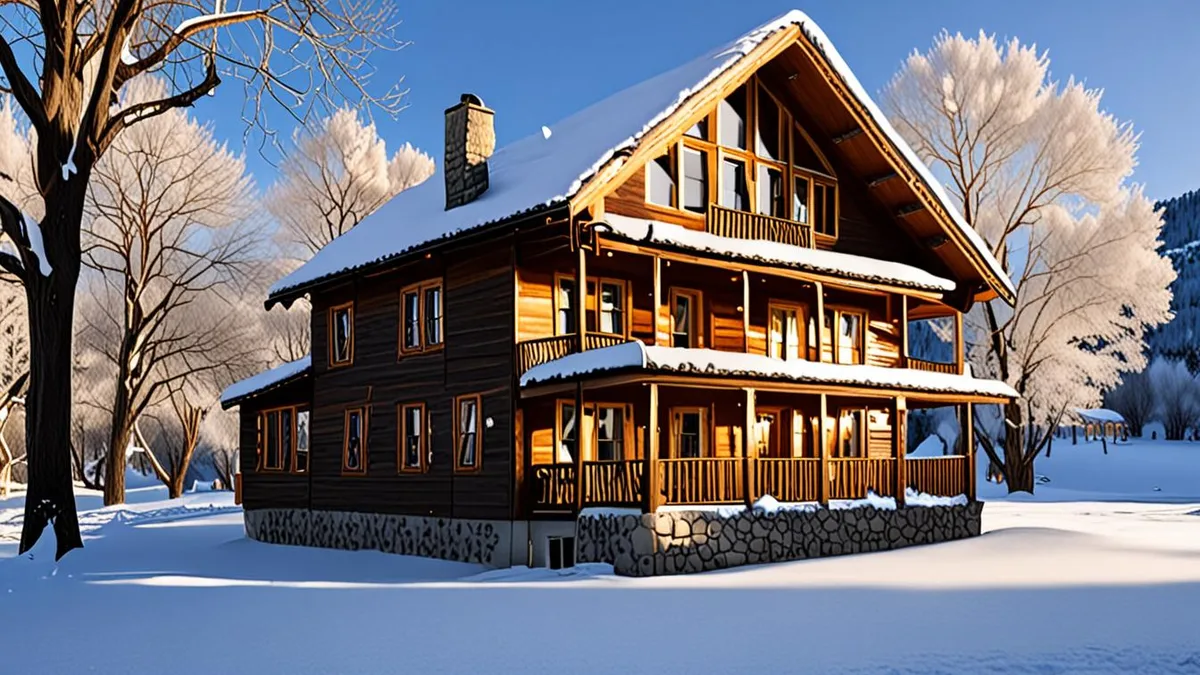
Frankton, Sunshine Bay and Arrowtown
Frankton and Sunshine Bay sit just 10-15 minutes’ drive from central Queenstown, close enough for easy evenings in town but far enough out to escape the noise and the highest rates. Both offer quieter access to Lake Wakatipu, and lodges here often come with more space and better views for the money than their central counterparts.
Arrowtown’s autumn appeal
Arrowtown, about 20 minutes from Queenstown center, has a character all of its own. It’s a historic gold-mining village with tree-lined streets, and in April the autumn color here is some of the best in the country. If foliage is on your wish list, basing yourself in Arrowtown puts you right in the middle of it, with a village feel that central Queenstown can’t match.
The main trade-off is transport. These areas typically require a rental car for day-to-day convenience, since public transport and walking options are more limited than in the town center. Factor the car hire into your budget, and you’ll usually still come out ahead: the value per night in Frankton, Sunshine Bay and Arrowtown is generally better than central Queenstown, especially in peak season when central rates climb highest. For families and longer stays, that combination of space, quiet and savings makes these areas well worth considering.
Glenorchy and Remote Lodge Options
Glenorchy sits at the far end of Lake Wakatipu, roughly 45 minutes from Queenstown along a lakeside road that is arguably one of the most scenic drives in the region. The route itself is part of the appeal, with mountain views and lake glimpses for nearly the whole trip. Just keep in mind that the drive adds time to every restaurant visit or activity you book back in town.
This area suits travelers who care more about wilderness, tramping access and quiet than about being close to restaurants and shops. Several well-known walking tracks start near Glenorchy, and the surrounding mountains and river valleys feel genuinely remote. If your idea of a lodge stay involves silence at night and a view with no rooftops in it, this is where you will find it.
Check the dining situation before you book
The trade-off for all that seclusion is simple: there are far fewer dining options nearby than in Queenstown or even Arrowtown. A handful of small cafes and pubs serve the village, but you should not count on wandering out for a late dinner or a quick takeaway.
For that reason, look closely at what each lodge includes. Many remote properties offer full dinner service for guests, sometimes with a set menu, and some ask you to reserve dinner in advance. Before booking, confirm whether dinner is available every night of your stay, whether it costs extra, and how the kitchen handles dietary requirements. If dinner is not offered, ask about nearby options and plan to drive back from town after eating, ideally in daylight, since the road is winding and unlit in stretches.
Queenstown Lodge Stays by Season
Queenstown’s seasons change far more than just the temperature. The same lodge can cost dramatically more in peak summer than in the shoulder months, and what you can actually do during your stay depends heavily on when you arrive. Timing your booking matters as much as timing your trip, and it helps to understand how seasons and prices work together when booking a lodge stay before you lock in dates.
Summer, from December to February, brings warm days of around 20-25°C and the biggest crowds of the year. This is peak season, when rates are at their highest and the best lodges sell out early. Ski season runs from June to early October, with July and August typically the most expensive winter months. Lodges near Coronet Peak fill quickly once the slopes open, so winter travelers need to move early too.
The shoulder months reward flexible travelers. March and April bring mild weather and, in Arrowtown, some of the best autumn foliage in the country, while rates drop noticeably from summer highs. October and November are quieter still, though the weather can change quickly from one day to the next.
- Summer (December-February): Book 3-6 months ahead to secure your preferred lodge and room type at peak rates.
- Ski season (June-early October): July and August carry the highest winter prices; properties close to Coronet Peak are the first to fill.
- March-April: Mild days, falling rates and Arrowtown’s autumn color make this the sweet spot for scenery-focused trips.
- October-November: The lowest crowds of the year, but pack layers since conditions can swing between warm sun and cold wind within a single day.
Matching Your Lodge to Budget and Trip Style
Lodge prices in Queenstown vary widely by category and season, but a few benchmarks help you set expectations. In peak season, a mid-range lodge typically runs NZD 250-450 per night, while luxury properties generally start from NZD 600 and climb from there. The same room can cost noticeably less in the shoulder months, so shifting your dates by a few weeks is often the easiest way to upgrade your category without stretching your budget.
Where families get more for their money
Families usually do better outside the town center. In Arrowtown or Frankton, the same budget often buys larger rooms, self-contained units or even small cottages with space for kids to run around, plus easier parking. Central Queenstown lodges charge a premium for location, which makes sense for couples but can feel cramped and expensive for a family of four. If you are renting a car anyway, the outer areas stretch your money further.
When to splurge
Honeymoon and couples trips work differently. A lakefront lodge in central Queenstown or a secluded property near Glenorchy delivers the kind of views and privacy that justify the splurge, and the shoulder months of March-April and October-November make that splurge far more affordable. Booking a luxury room in April instead of January can mean paying shoulder-season rates for a peak-season experience, with fewer other guests around to share the view.
Wrapping Up Your Queenstown Lodge Choice
Choosing a Queenstown lodge really comes down to two questions: where you want to wake up, and when you want to travel. Central areas suit short, car-free trips focused on the lakefront and restaurants, while Frankton, Arrowtown and Glenorchy reward longer stays with quieter surroundings and better value per night.
On timing, summer and ski season cost the most and need 3-6 months’ lead time, while spring and autumn deliver the best balance of lower rates, fewer crowds and still-enjoyable weather. Match the area and season to your trip style, and you will avoid paying peak prices for the wrong view. If this helped you plan your stay, leave a comment or share the article with a fellow traveler.