You’ve booked the resort, checked the photos and pictured yourself floating in the water with a cold drink within reach. Then you arrive and discover there are four pools: a splash zone full of kids, a busy main pool with music and games, a quiet adults-only section and an infinity pool you can’t quite find. Which one is meant for you, and what are the unwritten rules once you get there?
This guide to resort pools walks you through the main pool types and how they differ, how to match a pool to your travel style, and the rules most resorts enforce, from showering before swimming to towel card systems. We’ll also cover the etiquette nobody tells you about, like lounger reservations and poolside noise, plus what costs extra and how to get the most out of every pool day of your stay.
Why Resort Pools Are Not All the Same
Not every pool at a resort serves the same purpose, and that’s by design. Resorts build different pools for different guests: families with small children need shallow water and splash features, couples want quiet and shade, lap swimmers need length and lanes, and spa guests look for warm-water pools designed for relaxation rather than play.
Why the wrong pool can change your whole trip
Choosing the wrong pool area can quietly ruin the atmosphere of an otherwise good stay. A couple booking a romantic getaway who ends up in a poolside room above the kids’ pool will hear splash games and music all day. A family placed near an adults-only quiet zone may feel unwelcome and constantly monitored. The pool sets the tone of your days, so it deserves as much thought as the room itself.
The good news is that this is easy to plan for. Most resorts describe their pool setup on their website or booking pages, and a quick email to the resort can confirm which wing or floor sits near which pool. Knowing the pool types in advance helps you request the right room location, whether that’s steps from the action or a quiet corner at the far end of the property. Ask for a specific wing when you book, not just “a pool view,” and you’ll get the atmosphere you actually paid for.
The Main Types of Resort Pools
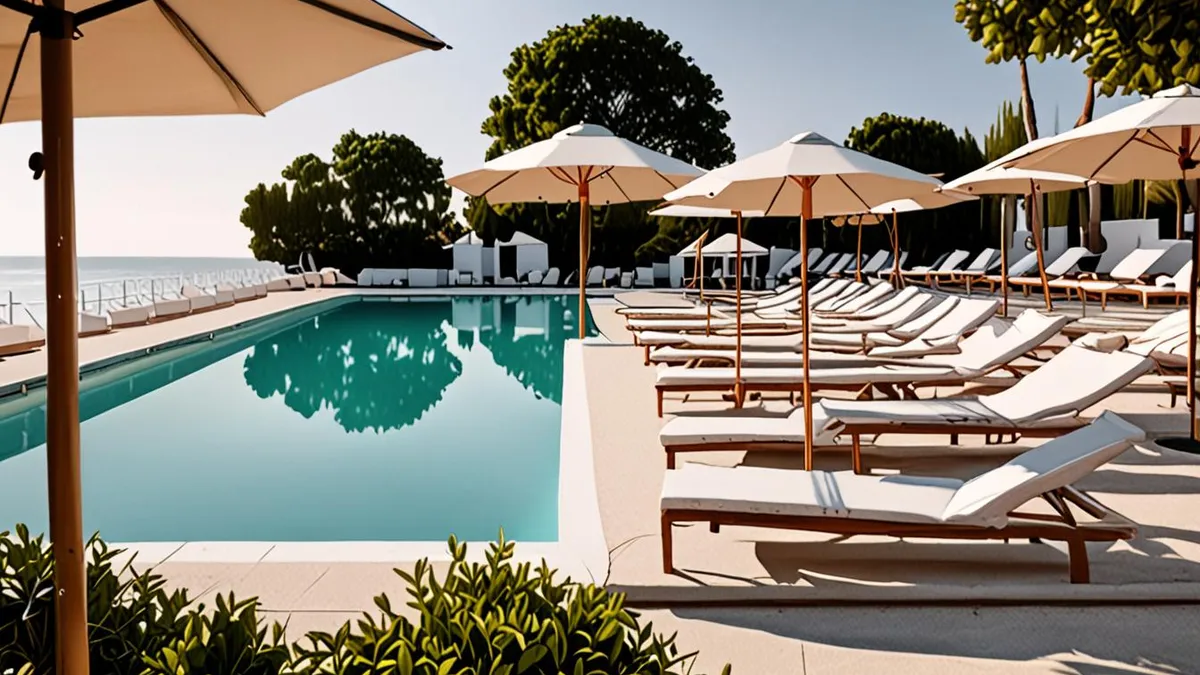
Most large resorts offer several pools side by side, each built with a different guest in mind. The main pool is usually the heart of the resort: the largest and deepest of the general pools, often around 1.5 m at its deepest point, and the busiest spot on the property. Expect music, poolside activities and the closest proximity to bars, snack stands and the day’s entertainment program. It’s the place to go if you want energy, games and a social atmosphere, and the place to avoid if you don’t.
The other pools are quieter by design, and knowing what each one offers helps you plan your days instead of drifting between them. Many guests book a resort, arrive and only then discover that the peaceful pool they imagined is actually the family splash zone. A few minutes of research beforehand can prevent that. Here are the main types you’ll encounter:
- Kids’ pool: shallow water, often between 0.3 and 0.9 m, usually shaded and sometimes fitted with slides, fountains and splash features so children can play safely away from deeper water.
- Adults-only pool: a designated quiet zone, commonly restricted to guests aged 16 or 18 and over, with calmer music, more loungers per guest and far fewer interruptions.
- Infinity pool: built with a lowered edge so the water seems to merge with the horizon; these usually sit on upper levels or beachfront edges for the view effect, and they’re especially common in the Maldives and at cliffside resorts.
- Swim-up bar pool: has built-in seating at an in-water bar. Swimwear is required and glassware is not allowed in the water, so drinks come in plastic cups.
- Spa and thermal pools: warm-water pools attached to the spa, aimed at relaxation and hydrotherapy rather than swimming. Some resorts charge extra for access; if you’re curious what else a spa stay involves, read our guide to what to expect at a spa resort.
A quick tip: check the resort map before you arrive and note which pools sit near which room blocks. Ten meters of walking distance can be the difference between a peaceful afternoon and a front-row seat to the poolside DJ. If the website or booking photos don’t show a full map, email the resort and ask which wing is closest to the adults-only or quiet pool. It’s a small question that pays off every single day of your stay, and staff answer it routinely.
How to Choose the Right Pool for Your Stay
The right pool depends less on the pool itself and more on who you’re traveling with. A resort can have a stunning main pool and still be the wrong choice if its layout doesn’t match your needs, so look at the full pool setup before you book, not just the hero photo.
Matching the pool to your travel style
Families should look for resorts with a separate kids’ pool and shallow, gradual entry, not just one big pool where toddlers and lap swimmers share the same water. A dedicated shallow area means children can play freely while adults relax nearby, and our guide to choosing a family resort covers what else to check, from kids’ clubs to room layouts. Couples seeking quiet should pick resorts with adults-only sections or smaller boutique pools, where the headcount per square meter is lower and the music stays calm.
Lap swimmers have their own checklist: check the pool’s length before booking, since many resort pools are short and awkward for proper laps, and ask whether lanes are reserved at set hours for training or aqua classes. A pool that looks long in photos can turn out to be barely twenty meters with no lane markings.
Think about your room location too
Poolside rooms trade convenience for noise. You’ll be steps from the water, but you’ll also hear morning cleaning, music and chatter from opening until closing, often from around 8:00 to 18:00. If you value an afternoon nap or an early night, ask for a room in a quieter wing and treat the pool as a short walk rather than a doorstep. If you love the energy, a poolside room puts you at the center of it, just pack earplugs.
Common Resort Pool Rules to Expect
Pool hours are fairly predictable at most resorts: the main pool typically opens in the morning and closes by early evening, weather permitting, though exact times vary by property and season. At larger hotels, the main pool is usually supervised by lifeguards during opening hours, while smaller plunge pools, spa pools and rooftop options often are not. Check the posted schedule near your pool, because hours can shift with the season, weather or maintenance work.
Before you get in, expect to shower. It sounds minor, but it is one of the rules staff genuinely enforce, and it keeps the water cleaner for everyone. Swimwear is the only accepted attire: street clothes, cut-off shorts and casual t-shirts are usually not allowed in the water at any resort pool.
A few other rules come up again and again. Here is what to expect:
- No glass near the water: this applies to the entire pool deck, not just the water itself. Drinks at swim-up bars are served in plastic or reusable cups for this reason.
- Supervised children: kids generally need an adult with them at all times. Deep pools, infinity pools and some swim-up bar areas often carry a minimum age or height limit, so check the signage before promising your child a swim.
- Towel cards or deposits: many resorts hand out pool towels against a card or small deposit. Losing a towel can result in a charge to your room, so count what you take back in.
- Closing time matters: when the pool shuts for the day, it usually shuts for everyone. Night swimming is rarely permitted unless the resort advertises it, so plan your final dip accordingly.
Pool Etiquette: The Unwritten Rules
The written rules are only half the story. The unwritten ones matter just as much, because pool decks are shared space where small habits affect a lot of people. The most debated one is the classic towel-reserving routine: claiming a lounger with a book and a towel at dawn, then disappearing for hours. It feels harmless when you do it, but across a full deck it means dozens of chairs sit empty while guests wander around with towels looking for a spot. Many resorts now actively fight this, removing unattended items after 30-60 minutes so late risers get a fair shot. If you want a prime lounger, the honest options are to arrive early and actually use it, or ask at the pool desk about bookable premium spots.
Sound is the other big one. What sounds like background music to you can carry across an entire deck, especially in the afternoon when the wind picks up. Phone calls, portable speakers and personal playlists belong on headphones, and keep the volume down on video calls. This matters most near adults-only or quiet zones, where guests have often paid extra for calm.
How you get in and out of the water counts too. Use the steps or ladder rather than climbing over the edge, which can splash swimmers and damage pool finishes over time. A few more habits worth adopting:
- Keep games in their place: ball games, pool noodles and large inflatables usually belong in designated activity areas, well away from lap lanes and quiet zones.
- Rinse before you return: a quick shower washes off sand and excess sunscreen, both of which cloud the water and clog filters.
- One lounger per person: at busy times, spreading towels across two chairs for one guest is the fastest way to annoy the entire deck.
Pool Costs, Towels and Extras
Good news first: at most resorts, the pools themselves are included in your room rate. You can swim, lounge and use the main deck without paying anything extra. The exceptions are usually spa and thermal pools, which sit inside the spa facility and often carry an entry fee or require a treatment booking. If a soak is high on your list, ask at check-in whether spa pool access is included or priced separately.
Towels, cabanas and paid extras
Pool towels are nearly always free, but the system varies. Many resorts use a card or deposit scheme at the pool desk: you exchange a card for a towel and swap it back at the end of the day. Lose the towel and you may be billed, so keep track of what you take.
Cabanas and premium daybeds are a different story. These shaded, often curtained setups with extra space and sometimes bottle service are usually bookable for an extra daily charge. If you want one during high season, reserve it early in your stay rather than hoping one frees up.
Drinks by the pool
What you pay for a poolside cocktail depends on your board basis. At all-inclusive resorts, drinks served at the pool bar are typically covered by your package. At room-only or half-board properties, they are billed separately to your room. To see how these charges fit into the bigger picture, it helps to read up on what you actually pay beyond the room rate before you book.
Making the Most of Resort Pools
So, which pool is which? As this article has shown, resorts design their pools for different guests: kids’ pools for splashing, main pools for energy and activities, adults-only pools for quiet, plus infinity pools and swim-up bars for the view and a lazy drink. Knowing the types before you book helps you choose the right wing or room location, so the atmosphere outside your door matches the one you pictured.
Once you’re there, the basics are simple. Follow the posted rules, such as showering before entering, wearing proper swimwear and keeping an eye on children, and the pool stays safe and open for everyone. Add a little etiquette, like fair lounger use, headphones instead of speakers and respecting quiet zones, and the whole pool area becomes more relaxed for all guests. If this guide helped you plan your stay, leave a comment or share it with a fellow traveler.