Resort weddings sound like a dream: barefoot vows on the beach, a reception steps from everyone’s rooms, and no one has to drive home. But ask a couple who has planned one what it actually cost, and you’ll often get a shrug. Pricing is scattered across packages, per-guest fees and fine print, and the planning process works differently from a hometown wedding.
This guide breaks it all down. We’ll look at what a resort wedding really costs, from simple ceremony packages to large receptions, and walk through a planning timeline that starts 18 months out. You’ll also find advice on choosing the resort and ceremony setting, managing the guest experience and room blocks, what actually happens on the day, and how to turn the celebration into a honeymoon. By the end, you’ll know the key numbers and the decisions that matter most.
What a Resort Wedding Actually Costs
Resort wedding packages typically range from about $2,000 for a simple ceremony to $15,000 or more for a large reception. At the low end, you’re usually paying for a basic setup: a short ceremony for a small group, minimal flowers, and perhaps a champagne toast. Mid-range packages add a private dinner, better decor and extras like live music. Large receptions with dozens of guests, custom florals and premium entertainment push the total well past the top of that range.
The extras that add up
The package price is rarely the whole story. Many resorts charge a separate ceremony site fee, especially for prime spots like beachfront gazebos. Reception charges are often calculated per guest, so your total climbs with every additional plate. Upgrades are the other quiet budget-killer: better flower arrangements, professional photography, upgraded bar selections and entertainment like a live band or DJ are frequently priced on top of the base package.
All-inclusive versus à la carte
All-inclusive resorts often take a different approach: they may waive or reduce the venue fee if your group books a minimum number of room nights, commonly 50 to 100. That can make them excellent value for bigger weddings, since the rooms your guests were booking anyway offset the ceremony cost. À la carte pricing, more common at smaller boutique properties, charges separately for the venue, catering and each vendor. It offers more flexibility but requires closer budget tracking. Ask any resort for a full written quote, including site fees and per-guest charges, before comparing offers.
Planning Timeline: 18 Months to Wedding Day
A resort wedding rewards early planning more than almost any other type of celebration. The resorts with the best ceremony locations and group rates fill up fast, especially for popular dates, and several steps depend on the one before them—you can’t negotiate room rates before you’ve signed a venue, and guests can’t book flights until they know the date is firm. Working through the steps in the right order saves money, reduces stress and gives everyone involved enough lead time. Here’s a practical order of operations, starting around 18 months before the wedding.
- Book the venue (12 to 18 months out). For peak-season dates, this is the single most important deadline. Signing early gives you first pick of ceremony times and locations, locks in the package pricing you negotiated and starts the clock on everything else. Ask your coordinator for a written timeline of the resort’s own deadlines at this stage.
- Hold your room blocks (9 to 12 months out). Once the venue is secured, reserve a block of guest rooms at a group rate. This gives your guests time to book around their own budgets and schedules, and gives you leverage on perks like complimentary nights for the couple.
- Send save-the-dates (8 to 10 months ahead). Guests at a destination wedding need to arrange flights, time off work and passports, so give them plenty of notice. Include the resort name and a simple website or email for questions.
- Send formal invitations (2 to 3 months ahead). By now your room block should be filling, and the invitation can include booking instructions, event schedules and dress guidance for a beach or garden setting.
- Finalize headcounts and menus (last 3 months). Resorts typically require final guest counts and menu selections a few weeks before the event, so confirm details with your coordinator and track RSVPs closely.
- Complete legal paperwork. Marriage license requirements vary by country and often involve specific documents, waiting periods or in-person appointments, so confirm the rules early and file everything within the final three months.
Work backward from your date and put each milestone in a shared calendar that your partner and any helpers can see. If you fall behind on one step, tell your resort coordinator right away—most can suggest solutions, but only if there’s still time to use them.
Choosing the Resort and Setting
The resort you choose shapes everything else: your budget, your guest list and the feel of the day. Start with the season. November to April is peak wedding season in the Caribbean and Mexico, when the weather is driest and venues are busiest. If your heart is set on those months, book earlier and expect less flexibility on dates. Traveling in shoulder season can mean better rates and more availability—our guide to the best time to book Caribbean resorts for lower rates covers how timing affects pricing.
Comparing ceremony settings
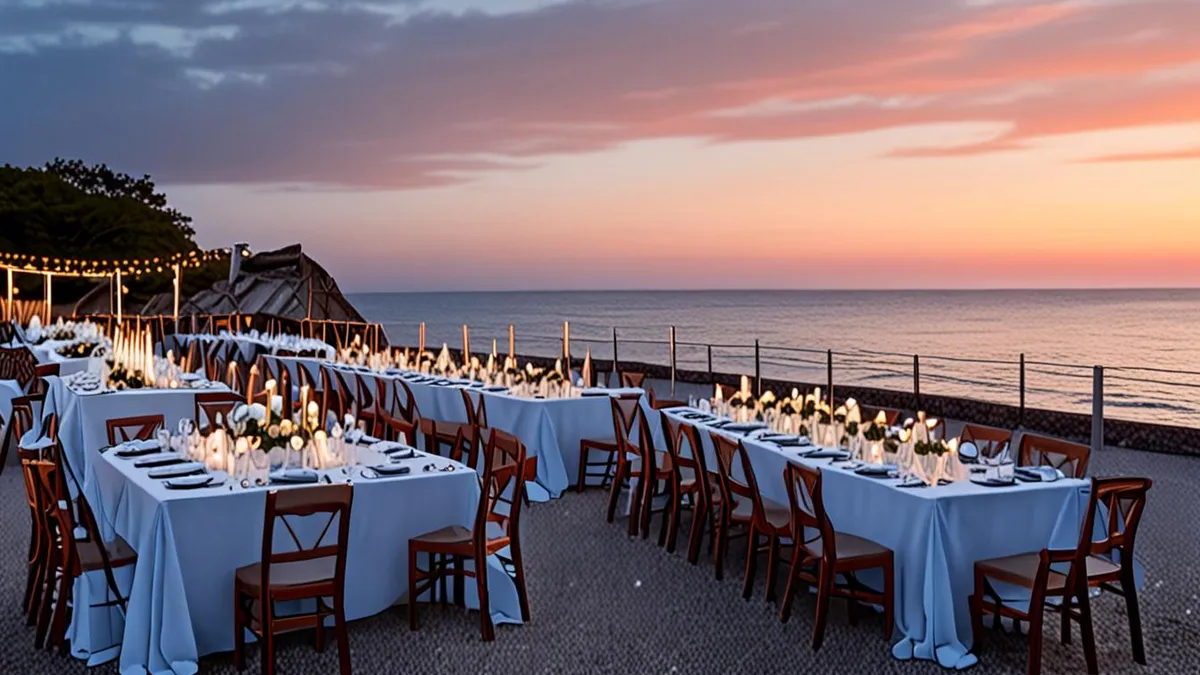
Most resorts offer several ceremony locations, and each comes with trade-offs. Beach ceremonies are the classic choice and suit large groups, but they may be shared with other couples unless the resort limits simultaneous weddings, and amplified sound can require a permit in some destinations. Garden settings feel lush and intimate, often with natural shade. Chapels give you air conditioning and a guaranteed weather backup, which matters in humid climates. Terraces offer ocean views with a more formal feel and usually work well for mid-sized groups. Ask each resort about capacity limits for every location, not just the maximum for the property overall.
Finally, dig into the logistics. Confirm the resort has an on-site wedding coordinator and find out whether that person works only with you or handles several weddings at once. Ask whether the resort accepts exclusive-use bookings, meaning your group has the whole property to itself—this is often possible at smaller resorts and can transform the experience for your guests.
Guest Experience and Room Blocks
Your guest count shapes almost every decision at a destination resort wedding. A small group can fit on a stretch of beach or a garden lawn at nearly any property, while a larger crowd may push you toward the biggest terrace or require a venue upgrade. Before falling in love with a tiny cliffside gazebo, get a realistic headcount from your invite list, then confirm the ceremony space can actually hold it.
Be honest with your guests about what attending will cost them. Between flights and accommodation, most people spend a significant amount to join a destination wedding, sometimes more once meals, drinks and excursions are added. Giving guests a clear budget picture early, along with a range of hotel options at different price points, is one of the kindest things you can do. It also helps to explain what resort fees actually cover, since charges beyond the room rate often surprise first-time visitors — this breakdown of resort fees explains what you really pay beyond the room rate.
Negotiation matters more than most couples realize. Resorts expect groups to ask for extras, and the worst they can say is no. When you discuss your room block, put these items on the table:
- Group rates and flexible cutoff dates — ask for a discounted block rate and a deadline for guests to book that leaves you room to release unsold rooms without penalty.
- Comp nights for the couple — many resorts offer free nights based on rooms booked, often calculated as one comped night per certain number of room nights sold.
- Airport transfers — ask whether group shuttle service is included, discounted, or available at a fixed group price rather than individual taxi fares.
- Complimentary upgrades — couples with large blocks often receive a suite upgrade, a private dinner, or spa credits as part of the group contract.
- Waived or reduced venue fees — all-inclusive properties commonly reduce or waive ceremony fees once you hit a minimum of booked room nights, so ask exactly what threshold applies.
Get every promise in writing in the group contract, including comp night calculations and transfer details. Verbal assurances from a sales office rarely survive a staff change.
What Happens on the Day
A resort wedding day follows a rhythm that has been refined by thousands of couples before you, and knowing the flow helps you plan your own energy. Setup usually happens in the morning while you are getting ready: chairs, arch, florals and sound equipment go in while the beach or terrace is still quiet. Most resorts then schedule the ceremony for late afternoon, which keeps everyone out of the harshest sun and lands the vows right as the light turns golden for photos.
After the ceremony comes cocktail hour, often on a separate terrace or lawn while the reception space is flipped. Dinner and dancing follow, and at many all-inclusive properties the reception wraps by a set hour because the venue doubles as a restaurant or shared event space the next morning. Ask about that timing when you book, especially if you imagine a late night.
Who does what on the day
Responsibilities split three ways. The resort coordinator handles everything the property controls: ceremony setup, banquet staff, the food and beverage timeline, and any internal permits. Outside vendors you bring in, such as a photographer, florist or DJ, handle their own equipment and arrival logistics, and the resort coordinator is your liaison for their access and setup space. If you hired an independent planner, they become your single point of contact, managing the timeline, wrangling vendors and handling problems so you never have to. Many couples find this hybrid setup works well, but clarify in advance exactly which decisions the resort coordinator can make without calling you.
Weather backups
Every reputable beach resort maintains an indoor ballroom or covered terrace as a rain plan, and your contract should name the specific backup space. Resorts typically make the switch call a few hours before the ceremony based on the forecast, and once they trigger it, the move usually happens quickly since staff practice it regularly. Visit the backup venue during a site walkthrough so you are never surprised by where you might actually say your vows, and ask whether the backup space affects your guest capacity or setup style.
Honeymoon and Post-Wedding Stays
One of the nicest perks of a resort wedding is that your honeymoon can start the moment your guests fly home. Many couples simply extend their stay at the same property, trading the group energy for quiet days by the pool. Others book a nearby adults-only resort for a change of scene, which works especially well if your wedding venue was chosen for its family-friendly facilities or large event spaces rather than romance.
Timing is everything if you want the honeymoon version of the resort rather than the wedding version. Upgrades to suites, overwater bungalows or club-level floors are best arranged for the nights after your group departs, when the property is calmer and staff can focus on you. Romantic extras such as private beach dinners, couples spa treatments and champagne breakfasts land better once the wedding rush is over, and some resorts offer honeymoon perks like room decorations or a complimentary dinner if you mention it when booking. For a fuller walkthrough, this guide to booking a resort honeymoon covers timing, upgrades and extras.
Sorting out the day after
The morning after the wedding is often chaotic, with guests checking out in waves and luggage piling up. Ask the resort in advance about luggage storage for early departures, and find out whether a hospitality suite is available so late-departing guests have somewhere to shower and relax. If your own checkout is later than standard, request a late departure when you confirm your final numbers, or book your honeymoon suite starting that night so the room is yours until you leave. A little coordination here keeps the last day relaxed instead of frantic, and lets you ease into honeymoon mode properly.
Key Takeaways for Planning a Resort Wedding
The mystery around resort wedding costs comes down to a few moving parts: package pricing that typically runs from about $2,000 to $15,000, venue fees that may be waived at all-inclusive properties with enough booked room nights, and a guest count that usually lands between 30 and 60 people. Once you understand those levers, the budget stops being a guessing game and becomes something you can actually plan around.
The process is just as manageable when you break it into steps. Start the venue search 12 to 18 months ahead for peak-season dates, lock in room blocks 9 to 12 months out, and send formal invitations around 2 to 3 months before the wedding. Aim for the November to April window if the Caribbean or Mexico is calling, and remember your guests are typically investing $800 to $2,000 each to be there. If this helped you plan your own resort wedding, leave a comment or share the article with another couple.