Planning Rocky Mountain lodge stays sounds simple until you realize the Rockies are really four different destinations depending on the month. A lodge that’s perfect for a July hiking trip may be booked solid and double the price in winter, while a bargain stay in May could leave you staring at snow-covered trails. And then there’s the timing question: reserve too late and the good rooms are gone, too early and you may lock in before rates drop.
This guide breaks down what each season actually delivers, from summer hiking and golden fall aspens to ski-town winters and quiet spring value. We’ll also compare gateway towns like Estes Park with ski resorts, and share realistic booking lead times so you can reserve with confidence. By the end, you’ll know which season fits your trip and exactly how far ahead to book.
Summer Lodge Stays: Hiking Season at Full Swing
June through August is when the Colorado high country shows off. Snow has melted off most high-elevation trails, daylight stretches past 8 p.m., and afternoon temperatures are warm enough for shorts at the trailhead. If your goal is to hike above the treeline, this is the window when those routes are fully open and most reliable.
The trade-off is that everyone else knows it too. Popular trailheads near Estes Park and other gateways fill their parking lots early, so plan to start hikes before 8 a.m. or target less famous routes. Expect the highest lodge rates of the year as well, typically running $250–600 per night, with July and August weekends the priciest combination of all.
How far ahead to book
For peak summer, book 6–9 months ahead, especially if you want a specific lodge or a weekend stay in July or August. The best-located lodges near trailheads and park entrances often sell out their summer calendar well before spring. Midweek dates in June offer the best odds of a late booking, but treat them as a bonus rather than a plan.
Fall Lodge Stays: Aspen Colors and Quieter Trails
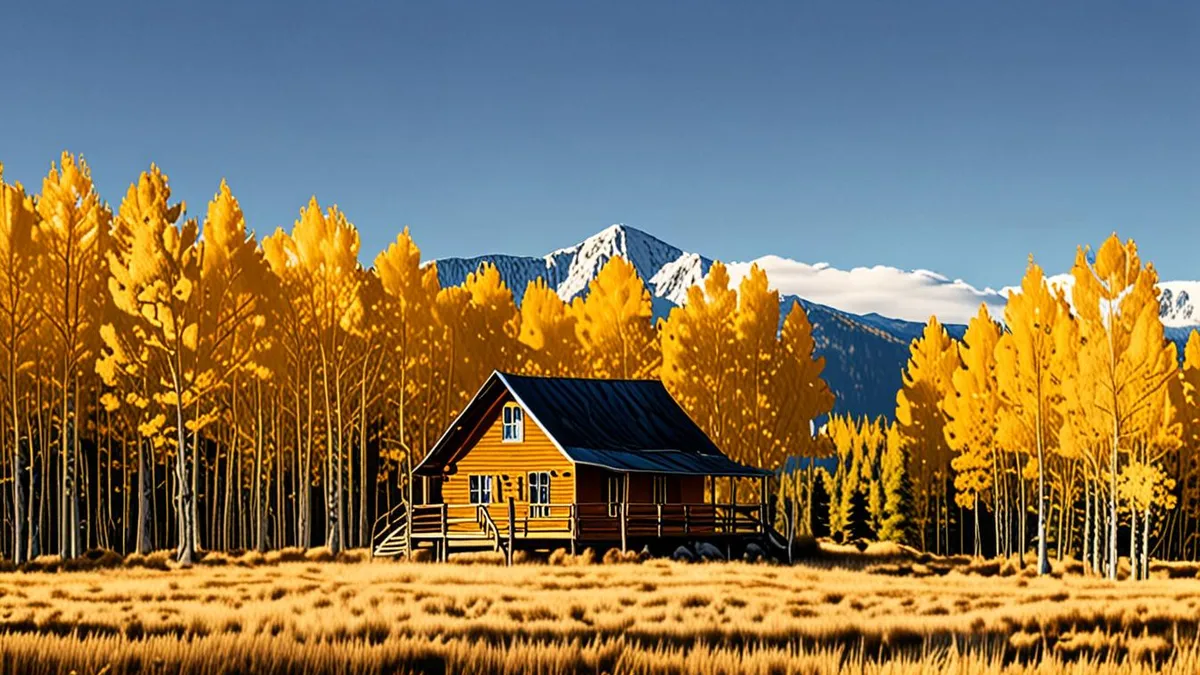
Mid-September to early October is arguably the most photogenic stretch of the Rocky Mountain year. Aspens turn gold across the slopes, often in sweeping bands of color that shift week by week with elevation. Foliage timing varies with weather and altitude, so it’s smart to check current conditions or a local foliage report before locking in your dates.
The good news for lodge guests: rates drop below summer levels once the peak hiking season winds down, and trails are noticeably quieter after Labor Day. You can often find midweek availability just a few weeks out, though peak foliage weekends near famous aspen groves still fill early.
Packing for crisp mornings
Fall weather is a study in contrasts. Afternoons can feel pleasantly warm in the sun, but mornings turn cold, often near freezing, and a frosty start can quickly become a mild afternoon. Pack layers you can shed and stash in a daypack, and bring a warm hat for early starts on the trail.
If you want a deeper look at how rates move through the year, this guide to when to book lodge stays and how seasons affect prices pairs well with the timing advice below.
Winter Lodge Stays: Ski Towns and Snowy Escapes
December through March transforms the Rockies into a different trip entirely. Ski season is in full swing, and lodges near resorts like Aspen, Vail and Breckenridge command $300–800 per night, with the most convenient ski-in, ski-out locations sitting at the top of that range. If skiing or snowboarding is the reason for your trip, staying close to the lifts saves both shuttle time and morning stress.
You don’t need to ski to enjoy a winter lodge stay, though. Snowshoeing trails are often free or low-cost and start right from many lodges, natural hot springs make a perfect cold-weather afternoon, and there’s real appeal in a long fireside evening with cocoa after a day in the snow. Some travelers book winter lodges purely for the cozy factor.
Watch out for holiday weeks
Christmas and New Year weeks are the most expensive stretch of the winter and sell out earliest, often many months in advance. If your dates are flexible, aim for early December or late March for better rates and thinner crowds. For a comparison with a European ski destination, see this guide to Innsbruck ski lodges for winter travelers.
Spring Lodge Stays: Value Season With a Catch
If your priority is saving money rather than summiting peaks, late April and May are your window. This is one of the quietest stretches in the Colorado high country, and lodge rates often drop 20–40% below peak season prices. You will find more availability, more attentive staff and parking spots at trailheads that would be full by 7 a.m. in July.
The Catch: Snow Lingers Up High
Spring arrives slowly at elevation. While towns in the valleys may feel mild, higher elevations still hold deep snowpack well into May. That means high-elevation trails stay snowbound, and some roads in and around the national park open later than you might expect. Check current road and trail conditions before you commit to a specific hike, and build flexibility into your plans.
The upside is that lower-elevation trails are usually clear and walkable, and you will often have them nearly to yourself. Daytime temperatures are generally pleasant, but weather can swing quickly this time of year, so pack layers regardless of the forecast.
Why Wildlife Watchers Love Spring
Spring is prime wildlife season. Elk and moose become very active in the valleys as they feed after winter, and they are often easy to spot from the road in the early morning and evening hours. Bring binoculars, keep a respectful distance, and ask lodge staff where animals have been seen recently — they usually know. For travelers who want the Rocky Mountain experience at a fraction of peak-season cost, spring delivers, as long as you accept that the highest trails will have to wait for summer.
Where to Base Yourself: Park Gateways vs Ski Towns
Where you stay shapes your entire trip. The Colorado Rockies are big, and driving times between trailheads, ski resorts and towns are longer than they look on a map. Before comparing individual lodges, decide what kind of trip you are taking and match your base to it. It also helps to understand the difference between property types — this guide to lodge vs hotel stays is a good starting point if you are unsure which suits you.
For hikers and wildlife watchers, the classic choice is Estes Park, the eastern gateway to Rocky Mountain National Park. It sits roughly 1.5–2 hours from Denver by car, which makes it an easy first stop after landing. In winter, the calculus changes, and ski towns become the natural base.
- Estes Park: Lodges here range from rustic cabins to full-service properties, and the town itself has restaurants, gear shops and a visitor center, so you can stock up without a long drive.
- Breckenridge: A walkable Victorian mining town where you can often park your car for the week and reach lifts, restaurants and lodges on foot or by free local shuttles.
- Vail: Purpose-built around its ski resort, with lodges steps from the lifts — convenient in winter, but among the priciest bases in the state during ski season.
- Aspen: Combines four ski mountains with an upscale dining and arts scene; expect in-season rates to reflect that reputation.
- Grand Lake: The western gateway to the national park, quieter than Estes Park, with lower lodging rates and direct access to trails on the park’s less-crowded west side.
- Frisco: A central Summit County base that puts several ski resorts within a short drive, typically at lower rates than the resort towns themselves.
The trade-off with smaller towns is simple: you save money and drive less to trailheads, but you give up some restaurants, nightlife and resort amenities. For many travelers, that is a fair deal.
How to Book Rocky Mountain Lodge Stays by Season
Booking a Rocky Mountain lodge stay is mostly about timing. The same room can cost wildly different amounts depending on when you reserve it and which nights you pick. The good news is that a little planning goes a long way, and you do not need to be a deal-hunting expert to save real money. Follow these steps to get the best value for your season.
- Book peak stays as early as you can. For summer trips (June through August) and winter ski-season trips (December through March), the most desirable lodges fill first. July and August weekends and holiday weeks are especially competitive, and the best-value rooms often go before the calendar fills.
- Relax the timeline in shoulder seasons. Late April–May and October–November trips give you far more flexibility. Availability is generally better, and you can often still find good rooms much closer to your travel dates.
- Compare midweek and weekend rates. In resort towns, the difference can be 30% or more. Shifting a ski weekend to Sunday–Wednesday, or a summer stay to weekdays, can meaningfully cut your total cost.
- Match lodge perks to the season. In summer, look for boot and gear storage, early breakfast service and direct trail access. In winter, prioritize ski shuttles, boot dryers and a good hot tub — after a day on the slopes, that tub matters more than a fancy lobby.
- Read cancellation terms carefully. Mountain weather is unpredictable, especially in winter. A flexible rate may cost slightly more but can save your trip if a storm closes a pass.
One last tip: call or email the lodge directly before booking, especially for smaller, family-run properties. They sometimes offer rates or room upgrades you will not see on booking sites, and staff can tell you honestly whether their location suits your plans for that specific season. A five-minute conversation can also surface details that never make it onto a listing page, like which rooms get afternoon sun or where the quietest corner of the property is.
Wrapping Up: Picking Your Season
So which season is right for your Rocky Mountain lodge stay? If hiking is the goal, summer delivers the best trail access but the highest rates and crowds. Fall brings golden aspens and quieter trails at lower prices. Winter is the clear pick for skiers, while spring offers the best value if you don’t mind lingering snow up high.
Timing matters as much as the season itself. Reserve 6–9 months ahead for peak summer and winter dates, while shoulder-season trips typically need only 2–3 months of lead time. And before comparing individual lodges, match your base town to your season—a gateway town like Estes Park works for hikers, while ski towns make more sense for winter trips. If this helped you plan, leave a comment or share the article with a fellow traveler.