Planning a first safari can be confusing, and safari lodges in Tanzania are no exception. Many travelers book a room without knowing whether meals, game drives and park fees are included, then discover that the nightly rate only covers part of the experience. At the same time, choosing between the Serengeti, Ngorongoro, Tarangire and other regions is tricky when you are not sure which one matches your travel dates, wildlife wishlist and budget.
This guide walks you through the whole decision. You will learn what a typical lodge stay actually includes, how the main safari regions differ, when to book and when to go, what lodges cost per night, and how permanent lodges, tented camps and mobile camps compare. A final checklist shows you how to separate the best properties from the merely average ones, so you can reserve with confidence.
What a Tanzanian Safari Lodge Stay Includes
Most safari lodges in Tanzania bundle the essentials into one nightly rate: your accommodation, all meals, and two scheduled game drives per day, typically one in the early morning and one in the late afternoon when animals are most active. That structure is the backbone of a lodge stay, and it means you rarely need to plan much beyond showing up for breakfast and the afternoon departure.
How the pricing usually works
Expect full-board or all-inclusive pricing. At mid-range properties, drinks are sometimes billed separately, so a soft drink at lunch or a beer at dinner may appear on a tab you settle at checkout. Higher-end camps often include house drinks, but it is always smart to confirm exactly what is covered before you book.
What you will find on the property
Typical lodge features include a pool for the hot midday hours, open-air dining areas with views over the bush, and viewing decks where you can watch wildlife without leaving camp. Guided walking safaris are usually offered as extras, either free or for an additional fee, and they are a great way to experience the smaller details of the bush that you miss from a vehicle. Ask your lodge in advance what activities sit outside the standard rate so there are no surprises.
Choosing Your Region: Serengeti, Ngorongoro, Tarangire and Beyond
Tanzania’s northern safari circuit offers several distinct regions, and the right choice depends on what you want to see and how much driving you are willing to do.
The Serengeti and the Great Migration
The Serengeti suits travelers chasing the Great Migration, the vast movement of wildebeest and zebra across the plains. If river crossings are your priority, aim for the northern Serengeti, where crossings peak around July to September. The park is enormous, so choose a lodge or camp positioned near the wildlife you most want to see rather than picking based on price alone.
Ngorongoro Crater
Ngorongoro Crater offers some of the densest, most reliable wildlife viewing in Africa, thanks to resident populations concentrated on the crater floor. It sits roughly 3-4 hours’ drive from the central Serengeti, which makes it a natural stop on a northern circuit itinerary. Many lodges sit on the crater rim, giving you an early start for the descent and spectacular views at breakfast.
Tarangire National Park
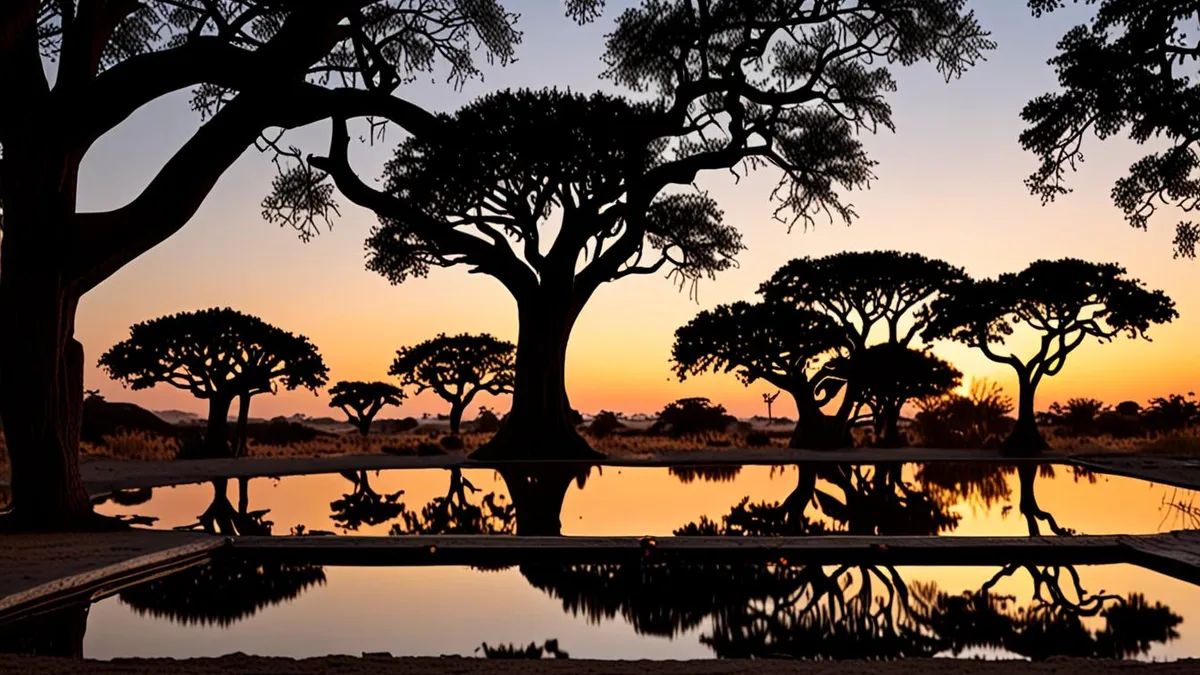
Tarangire is a quieter park, famous for its large elephant herds and a landscape dotted with towering baobab trees. It shines in the dry season, when animals gather around the Tarangire River. The park lies about 2 hours from Arusha, making it a popular first or last stop on a safari itinerary, and it often feels less crowded than the Serengeti.
When to Book and When to Go
Timing shapes almost everything about a Tanzanian safari, from what you will see to what you will pay. The dry season from June to October delivers the best game viewing, since thinned vegetation and scattered water sources make animals easier to find. Roads are also in their best condition during these months, which means less time bouncing through mud and more time actually watching wildlife. This window also brings the lowest malaria risk of the year, thanks to fewer mosquitoes.
Peak-season lodges, especially for July to September stays, should be reserved 9-12 months ahead. The best-positioned camps in the Serengeti fill first, and leaving it late often means settling for a poorly located property or missing out entirely. This matters doubly if you want to catch the river crossings in the northern Serengeti, when the herds face the Mara River and the camps nearest the action are the first to go.
If your dates are flexible, consider the green season alternative. January and February bring wildebeest calving in the southern Serengeti, when hundreds of thousands of calves are born on the short-grass plains and predators are highly active. Rates in these months typically sit below peak-season prices at the same properties, and the landscapes are lush and photogenic.
- Shoulder-month trade-offs: months just outside the June to October core can mean occasional rain, but lodges are quieter and guides have more time for each guest.
- Migratory positioning: because the Migration moves through the year, the best camp location changes by season, so match your lodge to where the herds will be during your dates.
- Booking lead time by demand: smaller, high-demand camps often open reservations further in advance than larger lodges, so contact your preferred properties early to confirm their booking windows.
What Safari Lodges Cost Per Night
Safari lodge pricing in Tanzania generally falls into three tiers, and knowing the rough bands helps you filter options quickly. Mid-range lodges typically run $250-500 per person per night, a rate that generally bundles together your room, dining and the standard daily game drives. If a deal looks far cheaper than that, check carefully what has been left out of the package.
Luxury lodges and camps range from $700 to over $1,500 per person per night. At this level you are paying for prime locations inside the parks, smaller guest numbers, top-tier guides and often extras such as drinks, laundry and private vehicles. Some ultra-high-end camps also include light aircraft transfers between parks, which can simplify a multi-stop itinerary considerably.
Timing your trip changes the price
Shoulder-season rates in March to May can drop well below peak prices at the same properties. The long rains make game drives muddier and wildlife slightly harder to find, but the trade-off is paying noticeably less for an identical room and service. If your dates are flexible and you don’t mind afternoon showers, the green season offers strong value.
Two things to confirm before booking: whether drinks are included or billed separately, and whether park entrance fees are part of the rate or added on top. Both vary by property, and the fees themselves change regularly, so ask for a full cost breakdown in writing before you commit.
Lodge Types: Permanent Lodges, Tented Camps and Mobile Camps
Not every “lodge” in Tanzania looks the same, and the difference between the three main types affects both your comfort and your wildlife experience. Permanent lodges offer solid walls, pools and air conditioning, making them the natural pick for comfort-first travelers, families with young children, or anyone who wants a proper bed and a hot shower after a long day on dusty roads.
Luxury tented camps blend canvas rooms with en-suite bathrooms and settings that put you much closer to nature. You still get real beds, flush toilets and hot water, but a thin layer of canvas means you’ll hear hippos grunting at night and wake up to birdsong rather than an alarm clock.
- Permanent lodges usually sit on fixed plots with landscaped grounds, and many are positioned near park gates, which makes them practical bases if you’re combining several parks on one itinerary.
- Luxury tented camps often limit guest numbers to a dozen or so tents, which translates into more personal attention from staff and guides, plus communal campfire dinners under the stars.
- Mobile camps relocate seasonally to follow the Migration, striking and rebuilding their sites as the herds move, so you sleep close to the action instead of driving hours to reach it each morning.
Mobile camps are ideal for July to September, when the river crossings in the northern Serengeti draw enormous herds and the predators that follow them. Because these camps move with the animals, expect a more rustic setup than a permanent lodge, even at the luxury end, and confirm exactly where your camp will be pitched during your travel dates before you book.
How to Spot the Best Safari Lodges in Tanzania
With hundreds of properties across Tanzania’s northern circuit, a few practical checks will separate the genuinely good lodges from the ones with glossy photos and mediocre service. Start with location, because it shapes every day of your stay.
Location inside or outside the park
Check whether the lodge sits inside the park or outside the gate. Inside-park stays save early drive time, meaning you can be watching wildlife within minutes of leaving camp at dawn, when predators are most active. Properties outside the gate can still be excellent, but you’ll spend the first stretch of each morning and the last of each afternoon covering distance rather than game viewing. Ask for the actual drive time from the lodge gate to the main wildlife areas, not just to the park boundary.
Guides and group sizes
Look for properties with experienced resident guides and small vehicle group sizes of six seats or fewer. Resident guides know the terrain and the animals’ habits season after season, which often makes the difference between spotting a leopard and driving past one. Small groups mean a window seat for everyone and no jostling for photos at a sighting.
Finally, read recent reviews for food quality and water pressure, the two most common complaints at bush properties. Reviews from the last few months matter most, since chefs, managers and water systems change. If several recent guests mention cold buffet food or trickling showers, take that seriously before you commit to a week there.
Wrapping Up Your Tanzania Lodge Plan
Planning your first Tanzanian safari feels far less overwhelming once you understand what a lodge stay actually covers and how the pieces fit together. Think of it as three decisions: where to go, when to go, and what level of comfort you want. Get those aligned and everything else, from packing lists to flight bookings, falls into place.
Start with your priorities rather than your budget. If witnessing the Great Migration tops your list, that points you toward a specific region and a narrow booking window. If you’d rather combine wildlife with easier logistics, flying into Kilimanjaro International Airport and basing yourself near Arusha keeps the first day simple.
Timing matters on the booking side, too. Peak-season lodges, especially for July to September stays, need reserving 9-12 months ahead. Before you commit, match your region and lodge type to the Migration calendar and your comfort priorities, whether that means a solid-walled lodge, a tented camp or a mobile camp that follows the herds. If this helped you plan your trip, leave a comment or share the article with a fellow traveler.