The idea of sleeping in a historic hotel is hard to resist: frescoed ceilings, a staircase worn smooth by generations of guests, a building that was already old when your hometown was founded. But the worry is just as real. Will the reality mean creaky floors, weak air conditioning, a shower that trickles and a room the size of a closet?
The good news is that a great stay usually comes down to knowing what to ask before you book. This article walks through how to tell a genuinely historic building from a themed imitation, what quirks old buildings typically bring, and how to pick the right room rather than the wrong one. We also cover the perks of staying in a historic district, the red flags to check for, and when a heritage property is worth it, and when a modern alternative will serve you better. Read on and book with confidence.
What Makes a Hotel Genuinely Historic
Not every hotel with an antique mirror and a dark wood lobby qualifies as historic. The first thing to check is what the building actually was before it became a hotel. The most rewarding properties are conversions of real structures: a palace, a monastery, a château, or an old trading house. These buildings come with genuine bones, thick stone walls, vaulted cellars, grand staircases, and layouts shaped by centuries of different uses.
Contrast that with a modern block styled to look old. There is nothing wrong with a well-made imitation, but you should know what you are paying for. A building constructed a decade ago with distressed plaster and reproduction furniture offers atmosphere, not history.
Look for official recognition
One reliable signal is protected-building status or heritage awards mentioned in the hotel’s description. These designations usually mean the property retains authentic fabric: original staircases, frescoes, carved stonework or period tiles that have survived rather than been recreated. Protected status also explains many of the practical quirks discussed later in this article, since owners of listed buildings often face restrictions on structural changes like modern ductwork.
Finally, learn to distinguish living history from themed décor. Living history means original features still in daily use: you climb the 18th-century staircase, sleep under a vaulted ceiling, eat breakfast in a former chapel. Themed décor is applied recently, often by a design team, and can be beautiful but tells no real story about the place. Ask the hotel directly what is original; a genuinely historic property will usually answer with pride and detail.
Historic Hotel Comfort: What to Expect From an Old Building
Old buildings were never designed with modern hotel standards in mind, and that shows up in the rooms first. Expect smaller, irregular spaces, because layouts predate the era of standardized hotel rooms. Two rooms at the same rate can differ greatly in size, and rooms in heritage buildings can vary by a factor of two or more within the same price tier. What was once a servant’s quarters is now a snug double; what was once a reception hall is now a sprawling suite.
Beyond size, anticipate the physical quirks of an aged structure. These are part of the charm for many travelers, but it is better to know in advance than to be surprised at check-in. Common examples include:
- Sloped or uneven floors — centuries of settling mean floors may tilt slightly, and old timber can creak underfoot, especially on upper levels.
- Single-glazed windows — original or protected windows often cannot be replaced with modern double glazing, so rooms may feel cooler in winter and noisier year-round.
- Slower water pressure — plumbing retrofitted into thick stone walls sometimes delivers a gentler shower than you are used to at home.
- Weak or absent air conditioning — in protected buildings, structural changes like modern ductwork are often restricted, so cooling may be limited, portable, or unavailable in some rooms.
One question deserves a special phone call: whether an elevator serves all floors. Retrofits are common, but some pre-1900 buildings still have no lift to upper levels, meaning stairs only, possibly several flights with luggage. If you have heavy bags, mobility concerns or simply a top-floor room preference, confirm this before booking rather than after arrival.
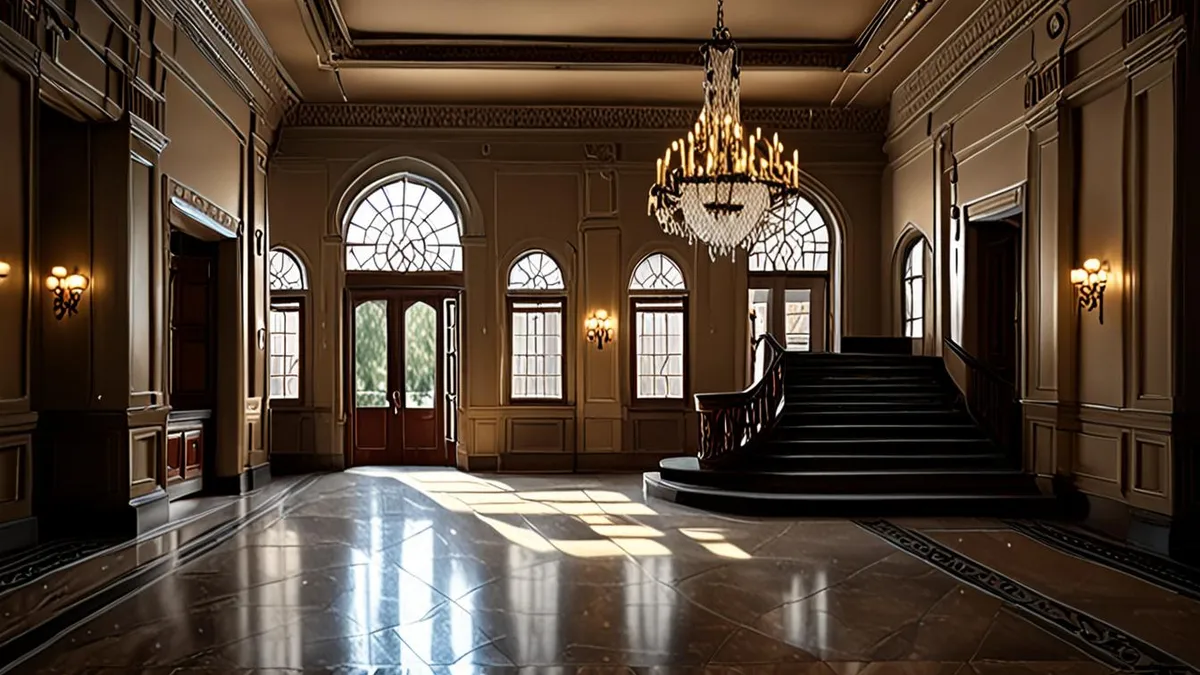
How to Choose the Right Room in a Historic Hotel
In a historic hotel, the difference between a wonderful room and a disappointing one is far larger than in a standard property. Because the building is old and irregular, the room you land in shapes the whole stay. Two rooms at the same rate can feel like entirely different hotels. A few deliberate steps will dramatically improve your odds.
- Request a courtyard-facing room if you are noise-sensitive. Sound insulation in older buildings is typically weaker, and streetside rooms face more traffic noise. A room overlooking an inner courtyard trades the view for considerably more quiet, which matters more when walls and windows are original.
- Compare room descriptions carefully. Original suites, attic rooms under the eaves, and former service quarters differ far more here than in standard hotels, where rooms are built to a template. Read the square footage, ceiling notes and photos for the specific room category, not just the hotel’s hero images.
- Book early for peak periods. Weekend and high-season rates for heritage hotels often run 20–50% above weekday rates, and the best-proportioned rooms sell first. Reserving well ahead gives you both a better price and your pick of the room types, which is exactly the strategy behind how to book hotels for less with smart timing.
Once you have chosen, send the hotel a short note with your request. Small properties, which most historic hotels are, can often honor specific room preferences when told in advance. Mention what matters to you in plain terms: quiet, natural light, a roomy bathroom or a view of the courtyard rather than the street. Front desk teams usually prefer guests who say what they want instead of arriving with vague expectations.
A two-line email after booking costs nothing and frequently secures the quietest, best-laid-out room in your category. If you are celebrating something or staying several nights, say so politely; it gives the staff a reason to prioritize you. Arriving earlier in the day also helps, since front desks assign from what is clean and ready, and early arrivals often get first choice among available rooms. None of this guarantees a perfect room, but it stacks the odds firmly in your favor.
Location Perks of Staying in a Historic District
One of the biggest practical advantages of a historic hotel is where it sits. Heritage properties are typically located in the old center of town, which means you are usually within 500–1,000 m of the main sights. In cities like Rome, Prague or Kyoto, that can put a cathedral, palace or market hall practically at your doorstep, and you can walk back for a midday rest instead of commuting on buses or metro lines.
This central placement also changes how you plan your evenings. Dinner reservations, evening strolls and early morning sightseeing all become simpler when you are not relying on taxis or late-night transport to get back to your room.
Getting there and getting dropped off
The trade-off is access. Historic districts often have pedestrianized zones or narrow, winding streets, which limits where a car can pick you up or where a taxi can drop you off. You may need to walk the last 100–200 m with your luggage, sometimes over cobblestones. Check with the hotel in advance about the closest drop-off point, and pack a bag with wheels you can manage on uneven surfaces.
Finally, expect a smaller property. Many heritage hotels have well under 100 rooms, which means fewer amenities like pools, gyms or large business centers. What you get instead is a quieter atmosphere, more personal service from a smaller staff, and common areas with actual history to them rather than a generic lobby.
Red Flags and Questions to Ask Before You Book
Photos can be misleading in this category. A grand staircase or frescoed salon says nothing about the room you will actually sleep in, so it pays to do a little homework before you commit. This matters even more in heritage-heavy cities where you might otherwise be comparing a converted shophouse, a colonial-era building and a modern tower on the same street — our guide to where to stay in Singapore’s best areas shows how much the building type varies from one district to the next.
Start with renovations. Major works on protected buildings can be disruptive, and hotels usually post renovation notices 1–3 months before big projects begin. If recent reviews mention scaffolding or drilling, email the hotel directly and ask what work is planned during your dates and whether it affects your room or floor.
Then read recent reviews with a specific eye. Older buildings have predictable weak points, and past guests will usually have flagged them:
- Musty or damp smells — common in thick stone walls and basement-level rooms, especially after wet weather; look for whether the hotel responded with dehumidifiers or room moves.
- Thin walls and floors — reviewers often mention hearing neighbors on wooden staircases or through partition walls added decades after the building went up.
- Awkwardly grafted bathrooms — bathrooms squeezed into old rooms can mean odd layouts, low ceilings over the shower, or a step up into the shower tray.
- Climate control complaints — note whether guests mention rooms that stay stuffy at night, since some protected buildings restrict the ductwork needed for full air conditioning.
Finally, ask the hotel specific questions rather than trusting photos of the common areas. Confirm how the room is cooled and heated, how well it is insulated from street noise, and whether there is step-free access from the entrance to your room. Vague answers are themselves useful information.
When a Historic Hotel Is Worth It (and When to Skip It)
For many travelers, a historic hotel is exactly the right choice. If you are on a city break and you value atmosphere, a walkable location and architecture over a gym and a standardized room layout, the quirks of an old building become part of the experience rather than a downside. Sleeping under original beams or waking up across from a centuries-old square is something a modern chain simply cannot replicate.
When to skip it
Be honest about your priorities. If you need large, uniform rooms, strong and consistent climate control, or full mobility accessibility, a modern building will handle those needs better. Protected structures often restrict structural changes like new ductwork or elevators, so no amount of goodwill from the staff can guarantee the accessibility or cooling you require. Business travelers who need predictable desks, outlets and blackout curtains may also be happier elsewhere.
A middle path
If you want local character but fewer building limitations, consider alternatives. Homestays, for example, offer personal hospitality and a lived-in feel without the constraints of a protected structure, and they often cost less. For help weighing the two, our comparison of hotels versus homestays in Europe breaks down when each option makes sense. The key is matching the accommodation type to what you actually need from the stay, not to what looks best in photos.
Key Takeaways for Your Stay
Yes, a genuinely historic hotel means smaller, varied rooms and weaker sound insulation, and quirks like sloped floors or limited climate control are part of the deal. But none of that has to be a surprise: most of it can be anticipated, managed or sidestepped with a little preparation.
The two things that matter most are choosing the right room and contacting the hotel directly before you book. Ask about air conditioning, soundproofing, elevators and access, and request a courtyard-facing room if noise bothers you. If atmosphere, architecture and a walkable location top your list, a historic stay will likely reward you; if you need large uniform rooms or strong climate control, a modern hotel may serve you better. Have you stayed somewhere with centuries of history behind its walls? Share your experience in the comments, or pass this article along to a fellow traveler.