You want a wild Pacific coastal escape, but Vancouver Island is a big place with very different vibes. Do you book a surf-town lodge near Tofino, a quiet fishing-village retreat, or a remote wilderness property reachable only by boat? And once you pick a region, you still have to figure out which type of lodge actually matches your trip, whether that’s a romantic getaway, a storm-watching weekend, or a family base for kayaking and whale watching. The wrong choice can turn a dreamy coastal break into a long, frustrating drive.
This guide to Vancouver island lodges breaks the decision down for you. We’ll walk through why the island works so well for a lodge-based escape, compare the best regions, and explain when to book and what you’ll typically pay. Then we’ll help you choose the right lodge type for your trip, plan your route and driving times, and set realistic expectations for your stay, so you can pick a lodge with confidence instead of guesswork.
Why Vancouver Island Works for a Coastal Lodge Escape
Vancouver Island has a rare combination: a wild, wave-battered Pacific shoreline on its west coast and sheltered, glassy inside-passage waters along the east. That contrast means you can watch storms crash against rocky headlands one trip and kayak calm bays the next, all on an island roughly 450 km long. Few destinations offer this kind of coastal variety within a single drive.
The island is also compact enough for a proper multi-stop escape. In five to seven days you can reasonably combine rainforest walks, beach time and whale watching without feeling rushed. Whale watching runs from March to October, so even a shoulder-season trip can deliver orcas, humpbacks or gray whales alongside your lodge stays. Add old-growth forest hikes and long stretches of sand, and one week covers what would take far longer elsewhere.
A lodge culture built around the coast
Vancouver Island’s lodge scene spans every style and budget. At one end you’ll find rustic fishing lodges where the focus is boats, bait and hearty meals; at the other, full-service wilderness resorts with spas, fine dining and guided excursions included. In between are small cabins and surf lodges that suit travelers who want flexibility.
This range matters when planning. A couple wanting comfort can book an oceanfront resort and never touch a rain boot. An angler or adventure traveler can head to a remote fishing lodge where the boat leaves from the dock outside. Because the island’s roads and ferry connections are manageable, you can even mix lodge types in a single trip, pairing a rugged west-coast stay with a calmer east-coast base. That flexibility, more than any single property, is what makes the island work so well for a coastal escape.
Best Regions for Vancouver Island Lodges
Vancouver Island’s lodge country splits into a few distinct regions, and picking the right one shapes your whole trip. The west coast around Tofino and Ucluelet is the island’s most famous stretch: long surf beaches backed by rainforest, and the highest concentration of in-demand lodges on the island. Rooms here sell out first, especially for summer weekends, so this is the region where early planning matters most. Tofino sits right on the surf breaks, while Ucluelet, a short drive south, has a slightly quieter harbor-town feel with equally dramatic shoreline.
The east side tells a different story. Quadra Island and Cortes Island, reached by ferry from Campbell River, face the gentler waters of the inside passage. Expect calm bays, fishing lodges with guided boats, and orca tours that run from Campbell River and the surrounding islands. This is the pick for travelers who want wildlife and water time without the open Pacific swell.
Head north to Port Hardy and beyond, and you reach the island’s wildest corner. Remote wilderness lodges here operate on the edge of the Great Bear region, with grizzly bear viewing and whale watching typically running from June through September. Many of these lodges are accessible mainly by boat or floatplane, which keeps crowds thin.
Finally, Sooke and Port Renfrew offer the easiest coastal escape from Victoria, roughly one to two hours’ drive. Port Renfrew sits at the start of the west coast’s wilder stretch, while Sooke has a handful of oceanfront lodges close to town.
A few regional details worth knowing before you choose:
- Tofino’s lodge demand is driven partly by its surf beaches, which draw beginners and experienced surfers year-round, so even shoulder-season weekends can fill up.
- Storm watching is the west coast’s signature winter draw, with lodges in Tofino and Ucluelet marketing front-row seats to Pacific storms between November and February.
- Campbell River has built a reputation as a salmon fishing hub, which is why many east-coast fishing lodges cluster around it and the nearby Discovery Islands.
- Grizzly viewing in the north typically happens by boat into mainland fjords and river estuaries, so lodge packages there usually include the wildlife excursions rather than offering them as add-ons.
- Port Renfrew’s draw includes access to big-tree hiking country, including famous old-growth groves in the surrounding area, making it a good fit for travelers who want forest walks alongside coastal lodging.
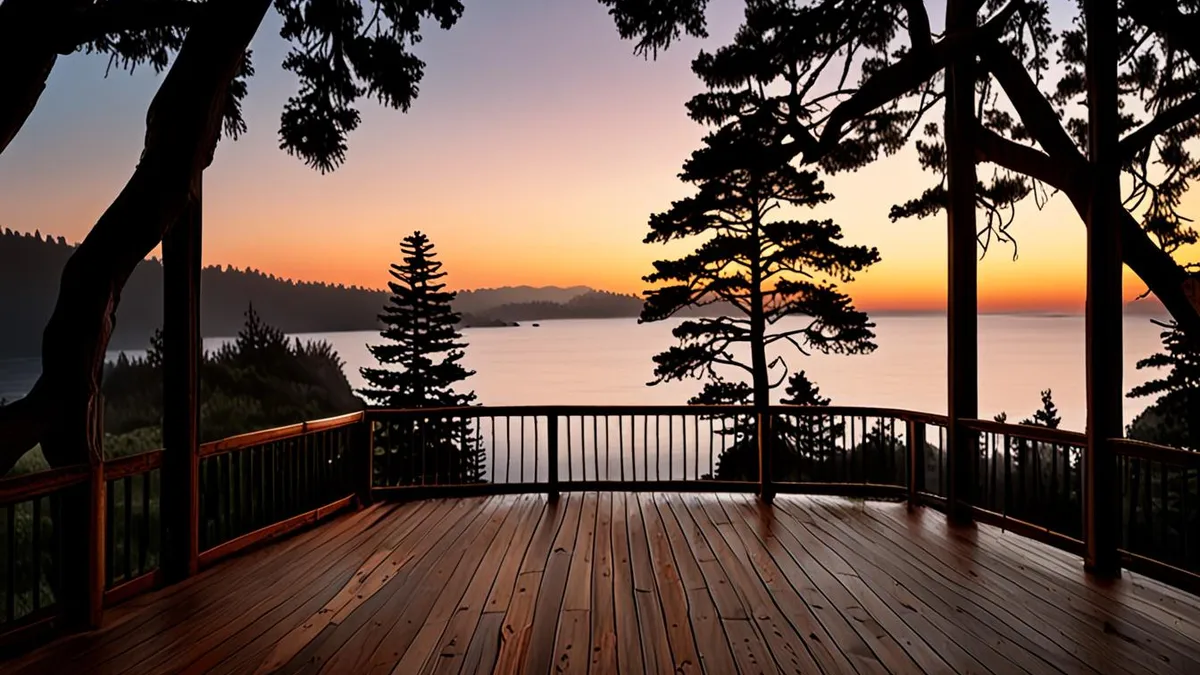
When to Book and What You’ll Pay
Timing makes a big difference on Vancouver Island, both for your budget and for what you’ll actually see out the window. June to September is the sweet spot: the driest weather of the year, long daylight hours, and the full range of lodge experiences running at full capacity. The trade-off is price, since summer lodge rates typically run CAD 250-600 per night, with luxury wilderness resorts starting above that.
If summer is your goal, plan ahead. The most in-demand properties in Tofino and Ucluelet fill up quickly, so booking 4-6 months in advance is the safest approach. Last-minute availability in July and August is rare and rarely cheap.
Storm-watching season: the value window
November to February is a completely different but equally compelling trip. Winter storms send powerful waves crashing against the west coast, and many lodges lean into it with heated outdoor tubs, fireplaces and front-row views of the surf. Rates often drop 30-50% below summer prices, making it the best-value time to stay at a lodge that would otherwise be out of reach. Pack proper rain gear and expect wet, wild conditions.
Shoulder months worth considering
May, September and October offer a sensible middle ground. Prices sit below peak-season levels, crowds thin out noticeably, and wildlife viewing is still strong, with whale watching running from March through October. September in particular combines lingering good weather with quieter beaches and easier restaurant reservations in Tofino.
For a deeper breakdown of how seasons affect rates across different destinations, see this guide to when to book lodge stays and what each season costs.
Choosing the Right Lodge Type for Your Trip
Vancouver island lodges come in several distinct flavors, and picking the wrong type for your travel style is the most common planning mistake. If your priority is comfort, an oceanfront resort with a full-service spa and an on-site restaurant delivers the easiest experience. You get a proper dinner after a day on the water, a hot tub facing the Pacific, and staff who handle everything from kayak rentals to dinner reservations.
Travelers who want action should look at fishing and adventure lodges instead. These properties typically run guided boats daily and work best on the east coast around Campbell River and the islands, or up on the north island where salmon fishing and wildlife tours dominate the calendar. The guides are usually locals who know exactly where the fish and whales are on any given tide.
Near Tofino, small cabins and surf lodges offer a different appeal: self-catering flexibility. You can cook your own meals, store wet suits in the mudroom, and walk to the beach at your own pace, which suits families and longer stays. If you are still weighing a lodge against a conventional stay, it helps to read up on how a lodge differs from a hotel before you book.
- Meal plans matter most in remote areas. Northern and fly-in lodges often have no restaurants nearby, so many bundle all meals into the nightly rate. Ask whether dinners, packed lunches and alcohol are included before comparing prices.
- Activity inclusions vary widely. Some fishing lodges include boat time, rods and tackle in the rate, while others charge per excursion. Confirm how many guided outings are covered per night of your stay.
- Cabins may require a minimum stay. Popular self-catering cabins near Tofino often ask for multi-night bookings in summer, so check the minimum before you build your itinerary around one.
Getting There and Planning Your Route
Reaching your lodge is straightforward but takes real time, so treat the driving as part of the trip rather than an afterthought. Distances on Vancouver Island look short on a map, but winding roads through rainforest and mountain passes slow everything down. Most visitors fly into Victoria or Nanaimo on the island’s south and east coasts, pick up a rental car at the airport, and drive from there. A little route planning before you book makes the difference between a relaxed road trip and a rushed shuffle between lodges.
- Choose your arrival airport. Victoria and Nanaimo both work well; Victoria suits travelers starting with Sooke or Port Renfrew lodges, while Nanaimo puts you closer to the central east coast and the Tofino road.
- Account for the ferry if coming from Vancouver. The crossing to Nanaimo or Victoria adds roughly 1.5-2 hours, and you should buffer extra time for queuing and sailing schedules, especially on summer weekends.
- Plan the west coast drive. Victoria to Tofino is roughly 200 km and takes about 4-5 hours by car. Break it up with a stop, as the highway crosses mountainous terrain with winding sections.
- Build a multi-day route. If you want to combine a south-coast lodge with a west-coast stay, allow at least 5 days on the island. Anything shorter forces you to choose one region.
- Confirm remote transfers before booking. Some northern lodges include floatplane or boat transfers in their packages. Ask exactly where the transfer departs, how long it takes, and whether weather delays are handled.
Once the logistics are mapped out, the island rewards the effort. Roads are scenic, distances are manageable, and nearly every drive ends at water, whether that is a sheltered inlet or the open Pacific. Fuel up before long stretches, download offline maps for areas with patchy signal, and keep some flexibility in your schedule for photo stops and wildlife on the roadside. Book your rental car at the same time as your lodge, since summer availability on the island tightens quickly and prices tend to climb as the peak months approach.
What to Expect at a Vancouver Island Lodge
Staying at a Vancouver Island lodge feels different from a typical hotel stay, mostly because of the setting. Properties sit where rainforest meets the ocean, which means morning fog, sudden showers and cool evenings are all normal, even in summer. Pack layers and waterproofs year-round, plus sturdy shoes for boardwalks and forest trails.
Wildlife on your doorstep
Wildlife is a major reason people choose lodges here. The gray whale migration passes in March-April, and whale watching runs from March to October overall. In summer, the north island adds bear viewing to the mix, often from boats along river estuaries. Bring binoculars even if you have booked a tour, because whales and eagles regularly appear right off the lodge dock.
Life on site and staying connected
Most lodges build relaxation into the stay. Kayaking, hot tubs and guided rainforest walks are common offerings, and they are often the easiest way to fill the hours between meals. Ask at booking which activities are included rather than assumed.
One practical note: expect limited phone signal at remote properties. Download offline maps before you leave the city, save your booking confirmations as screenshots or printouts, and let family know you may be out of contact for a few days. Lodges usually have Wi-Fi in common areas, but treat connectivity as a bonus, not a guarantee.
Planning Your Island Escape
The right lodge depends on what kind of coastal escape you’re after. If you want surf, storms and the island’s most atmospheric stays, head west to Tofino and Ucluelet. If your ideal trip is calmer water, fishing lodges and orca tours, the east coast and the north island will suit you better. Once you’ve picked a region, match the lodge type to your travel style, from self-catering cabins to full-service wilderness resorts.
Timing makes the rest of the plan. Book summer stays 4-6 months ahead, especially around Tofino, or aim for the November to February storm season for lower rates. Expect peak-season prices of CAD 250-600 per night, and build transfer time into your route between coasts. If this helped you plan your trip, leave a comment or share the article.