Figuring out where to stay in Lisbon can feel harder than the trip itself. The city spreads across steep hills, rattling tram lines and riverside districts that each have their own personality, and picking the wrong base can mean steep climbs with groceries or long commutes to the sights you came for. The good news: most central neighborhoods sit within 15-25 minutes of each other by metro, tram or on foot, so no choice is a disaster. But the right one makes every day easier.
This guide breaks down Lisbon’s best areas by travel style. First-time visitors will feel at home in flat, central Baixa and Chiado, while Alfama and Graça deliver atmosphere and sweeping views from their hilltop lanes. Bairro Alto and Príncipe Real suit nightlife lovers and boutique hunters, Avenida da Liberdade is the pick for comfort and upscale stays, and Alcântara and Belém offer quieter, family-friendly options. We’ll also cover when to book and what to expect on price, then help you choose your Lisbon base.
Baixa and Chiado: Best for First-Time Visitors
Why Baixa works so well
Baixa is the Lisbon that most people picture first: a neat grid of pale stone buildings laid out flat after the 1755 earthquake rebuilt the old city. Because the streets run level between the river and Rossio, this is one of the easiest areas in Lisbon to explore on foot. You can cover a lot of ground without ever fighting a hill, which matters more here than in almost any other European capital.
The location is hard to beat. Praça do Comércio, the grand waterfront square, sits at the bottom of the grid, and the Elevador de Santa Justa, the wrought-iron lift that connects Baixa to the higher streets of Chiado and Carmo, is just a few minutes away. Rossio station, with trains to Sintra, is also within easy walking distance, which makes day trips refreshingly simple. Chiado, directly uphill, adds elegant cafés, bookshops and theaters to the mix, and the two districts blend into each other as you wander.
What to expect when booking
Accommodation here covers the full spectrum, but mid-range double rooms typically run €100-160, placing Baixa and Chiado in the middle of the city’s price range. You are paying for location rather than space, so rooms can be compact. The trade-off is crowds: this is the busiest part of Lisbon for most of the day, and restaurants aimed at tourists cluster around the main streets. Walk a block or two off the main arteries and prices and quality usually improve.
Alfama and Graça: Best for Atmosphere and Views
Alfama is Lisbon’s oldest district, a tangle of narrow lanes that survived the 1755 earthquake and still feels like a village inside the city. Laundry strung between windows, fado drifting out of tiny taverns, and locals chatting from doorsteps give it an atmosphere you won’t find in the polished center. Graça, just uphill, offers a slightly more residential take on the same charm.
The views are the real draw here. The miradouros — terrace viewpoints like Miradouro das Portas do Sol and Miradouro da Graça — look out over terracotta rooftops all the way to the Tagus. Many guesthouses and small hotels have capitalized on this, so you can find rooms with river views at prices that would cost far more in flatter, more central districts.
What to Know Before Booking
Those views come at a price: hills. Alfama and Graça sit on some of the steepest terrain in Lisbon, connected by staircases and sloping cobblestone streets. Pack light, and check whether your hotel has elevator access — many older buildings here don’t. Climbing home after dinner is part of the experience for some travelers and a dealbreaker for others, so be honest with yourself.
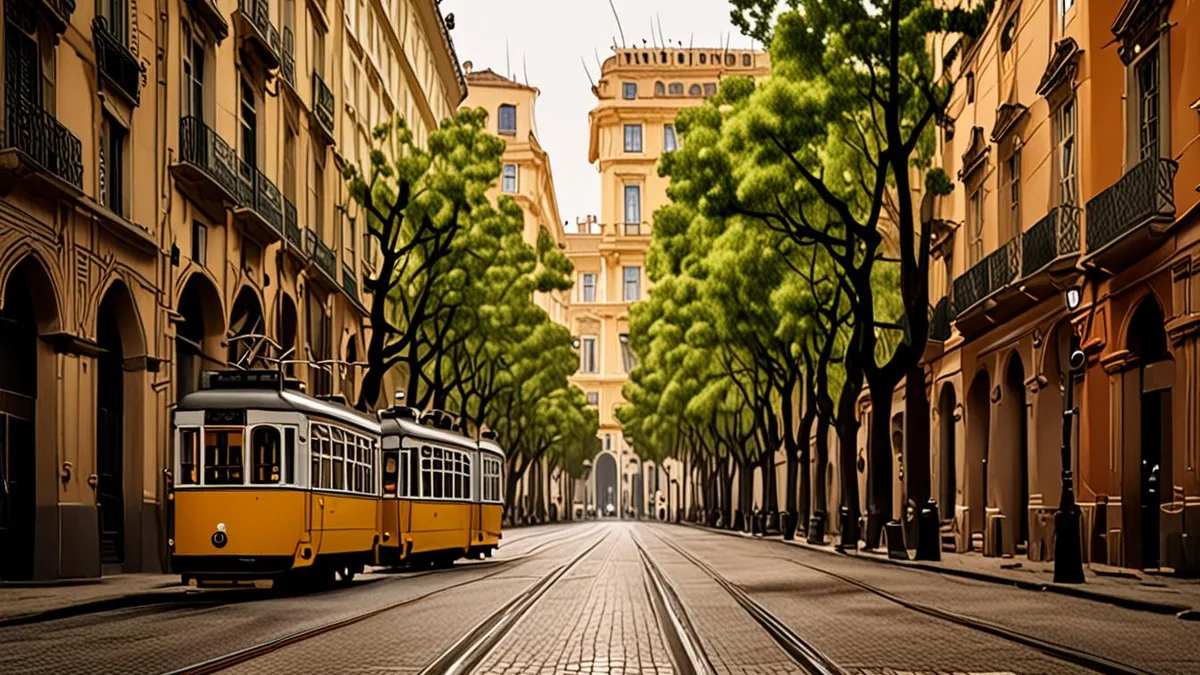
Getting around is easier than it looks. The famous tram 28 rattles right through Alfama, though it’s often packed during the day. On foot, walking downhill to Baixa typically takes around 10-20 minutes, and most central areas are within 15-25 minutes of each other by metro, tram or on foot. Come for the atmosphere, accept the climb, and this neighborhood rewards you more than anywhere else in the city.
Bairro Alto and Príncipe Real: Best for Nightlife and Boutiques
Bairro Alto is where Lisbon goes out. By day the streets are quiet and a little shabby in a charming way, but after sunset the neighborhood’s small bars spill onto the cobblestones and the party typically rolls on until the early hours, especially from Thursday through the weekend. If you stay here, you are signing up for that soundtrack, so this area only makes sense if you sleep like a rock or plan to join in.
One hill over, Príncipe Real offers a gentler version of the same neighborhood. The streets are leafier, the nineteenth-century Jardim do Príncipe Real gives you a shaded spot for a coffee, and the side streets fill with design shops, concept stores and independent boutiques. Accommodation here leans toward small boutique hotels and stylish guesthouses rather than big chains, and the vibe attracts travelers who want character without sleeping in the middle of a bar crawl.
The trade-off for all this atmosphere is noise. Rooms facing the street in Bairro Alto can stay loud until two or three in the morning, and even Príncipe Real has its lively corners. When booking, ask specifically for a courtyard-facing or rear-facing room, and read recent guest reviews for mentions of noise before you commit.
- Trams and funiculars help with the climb: the area sits on one of Lisbon’s higher hills, and the Elevador da Glória funicular links Príncipe Real’s lower edge to Restauradores square, sparing you the uphill walk.
- Príncipe Real works well for food shoppers: the neighborhood hosts an organic market under the garden’s glass canopy, plus small gourmet shops, handy if your stay includes a kitchen.
- Weekend nights are the loudest: if you want the nightlife atmosphere but lighter noise, aim for a stay earlier in the week, when the bar scene is noticeably calmer.
- Miradouro de São Pedro de Alcântara is on your doorstep: this terrace viewpoint overlooks the castle and the downtown rooftops, one of the easiest sunset spots in the city to reach from your hotel.
Avenida da Liberdade: Best for Comfort and Upscale Stays
Avenida da Liberdade is Lisbon’s grand boulevard, a wide, tree-lined avenue inspired by the Champs-Élysées. It stretches from the top of the old town toward Marquês de Pombal, with broad sidewalks, cafés under plane trees and some of the city’s most polished hotel facades.
For travelers who want comfort without negotiating hills, this is the spot. The terrain here is mostly flat, which makes a difference when you’re rolling a suitcase from the airport taxi drop-off or walking back after dinner. Many of the luxury hotels sit right on or just off the avenue, and several occupy restored 19th-century buildings with the high ceilings and courtyards to match.
What you’ll pay
This is Lisbon’s upscale zone, and the rates reflect it. In high season, room rates at hotels along the boulevard usually start around €200 per night, with well-known international brands and design-led properties sitting above that. If your budget is closer to the mid-range, look at guesthouses on the side streets just off the avenue, where prices soften a notch without losing the location.
The practical bonus is transport. The blue metro line runs straight down the avenue, with stations spaced along its length, so you can reach the old town in minutes. That means you can enjoy quiet, spacious rooms and still be at Rossio or Baixa before your morning coffee cools. For travelers who value a good night’s sleep, elevators and elbow room over atmosphere, Avenida da Liberdade delivers.
Alcântara and Belém: Best for Families and Quieter Stays
If your idea of Lisbon involves playgrounds, pastries and a bit of breathing room, point your search toward the riverside. Alcântara and Belém sit along the Tagus west of the center, and they trade centrality for calm in a way that suits families especially well.
Belém is where the pastel de nata earned its fame, and you can taste the original at the source, often alongside a line of fellow pilgrims. The riverside promenade here is one of the city’s best walks, passing parks and open lawns where kids can run off energy. The MAAT museum, with its wave-like building on the water’s edge, is an easy and engaging stop, and the surrounding green spaces make it more than a quick photo op.
Getting there and getting value
The trade-off is distance: expect around 20-25 minutes to the center by tram or train. That’s manageable with a bit of planning, and the riverside ride itself is pleasant. Trains and trams along this corridor run frequently, but check schedules for late evenings if you plan long dinners downtown.
Where these districts really shine is value. Accommodation here generally offers more space per euro than Baixa or Chiado, so a family of four may find an apartment-style room or a larger guesthouse stay within the same budget that buys a cramped double in the old town. If quiet streets, morning runs along the river and easy parking matter to you, Alcântara and Belém deserve a serious look.
When to Book and How Much to Pay
Lisbon rewards planners, especially in summer. The city’s most popular neighborhoods fill up quickly once the peak season kicks in, and rates climb with them. A little timing goes a long way, and the steps below will help you lock in both the right district and a fair price.
- Count back from your travel dates. For trips between June and August, reserve your room 2-3 months ahead. For shoulder-month stays in May, September and October, booking 3-4 weeks out is typically enough to find good availability. Small guesthouses and boutique properties have the fewest rooms, so they sell out first.
- Target the shoulder months for savings. Rates in May, September and October often drop 20-30% below summer prices, while the weather stays mild enough for long walks and terrace dinners. You’ll also share tram rides, miradouros and restaurant tables with fewer visitors, which makes the whole city feel more relaxed.
- Consider a homestay or guesthouse for longer trips. These stays pair local hosts with kitchens, letting you cook some meals and settle into a neighborhood rather than just pass through it. Over a week or more, the savings on breakfasts and dinners can add up to the cost of an extra night. Our Europe homestay guide for local travel explains how to choose one that fits your style.
One last tip: whatever district you choose, check the cancellation terms before you commit. Flexible rates cost slightly more, but they let you adjust if your flight plans shift or the weather turns. And remember that charming places with only a handful of rooms disappear from booking sites months before the big hotels do, so earlier is safer than later.
Choosing Your Lisbon Base
Lisbon’s hills, trams and riverside districts feel very different from one another, so picking the wrong base can mean steep climbs and long commutes every day. The good news is that most central areas sit within 15-25 minutes of each other by metro, tram or on foot, so there is no truly bad choice, only a better or worse fit for how you travel.
First-timers fit best in flat Baixa, while Alfama rewards those who accept the hills for atmosphere and views. Night owls pick Bairro Alto, comfort seekers Avenida da Liberdade, and families the quieter riverside around Alcântara and Belém. Match the district to your travel style, and if you are heading over in June, July or August, book early. Where would you base yourself? Leave a comment below or share this article with a fellow traveler.