Torn between pitching a tent and booking a fancy safari tent? Most travelers weighing glamping vs camping really want to know one thing: what does the price difference actually buy? A campground pitch and a glamping tent can sit minutes apart, yet the nightly rate and the experience can look nothing alike.
This guide breaks the decision into the parts that matter. We start with the core difference between the two, then run the numbers — nightly rates plus the gear costs that catch first-time campers off guard. From there we compare comfort, from beds and bathrooms to how each option handles a storm, and look at the effort and skills each demands before you go. Finally, we cover when and how to book, offer a quick decision guide for your trip type, and wrap up with the bottom line on glamping vs camping.
Glamping vs Camping: The Core Difference at a Glance
The difference comes down to who provides the shelter. On a traditional camping trip, you bring everything yourself: the tent, sleeping bags, pads, a stove, a cooler and a camp kitchen. You pick the pitch, set it all up and sleep on the ground — often on uneven ground, if your first few trips are anything like mine.
What glamping changes
Glamping flips that arrangement. You arrive at a pre-built structure — a safari tent, yurt, cabin or dome — with furniture, bedding and lighting already in place. The host handles setup, maintenance and usually cleaning. You bring a duffel bag and groceries, not a trunk full of gear.
The trade-off in one line
Camping costs effort and gear; glamping costs money per night. That single line explains most of what follows in this guide. If you enjoy the hands-on side of the outdoors and plan to travel this way often, the gear pays for itself over time. If you want the sounds and smells of nature without the labor, you pay a premium per night for someone else to do the work. Neither is the better choice in the abstract — it depends entirely on your budget, your trip length and how much of the process you actually want to do yourself.
Cost Breakdown: Nightly Rates and Hidden Gear Expenses
Start with the nightly rate, because that is where the gap is widest. A basic campground pitch typically costs $15–$40 per night in the US, while glamping tents and cabins typically run $100–$300 per night, with luxury setups exceeding $400. On paper, that is a five-to-tenfold difference for sleeping outdoors in roughly the same place.
But camping has a second price tag that first-timers often miss: gear. A starter kit for two — tent, sleeping bags, a stove and a cooler — typically costs $300–$600 upfront. That is before smaller add-ons like headlamps, a table and cookware. Glamping shifts almost all of the cost to the nightly rate, but removes gear purchases entirely, and many hosts throw in extras such as breakfast or firewood.
Where the hidden costs hide
- Campground extras: some campgrounds charge separately for showers, firewood or dump stations, so a $20 pitch can quietly become $30.
- Gear depreciation: that $300–$600 kit spreads over every future trip, so the more often you camp, the cheaper each night gets.
- Glamping inclusions: ask what the rate covers — breakfast, firewood, kayaks or towels can offset a chunk of the premium.
- Cancellation terms: glamping sites often have stricter cancellation policies than campgrounds, which matters if weather is a risk.
Over a week, camping can cost less than two nights of glamping. The math flips with trip length: for one or two nights, glamping is often the sensible splurge; for a full week, the gear investment starts paying for itself.
Comfort Comparison: Beds, Bathrooms and Weather Protection
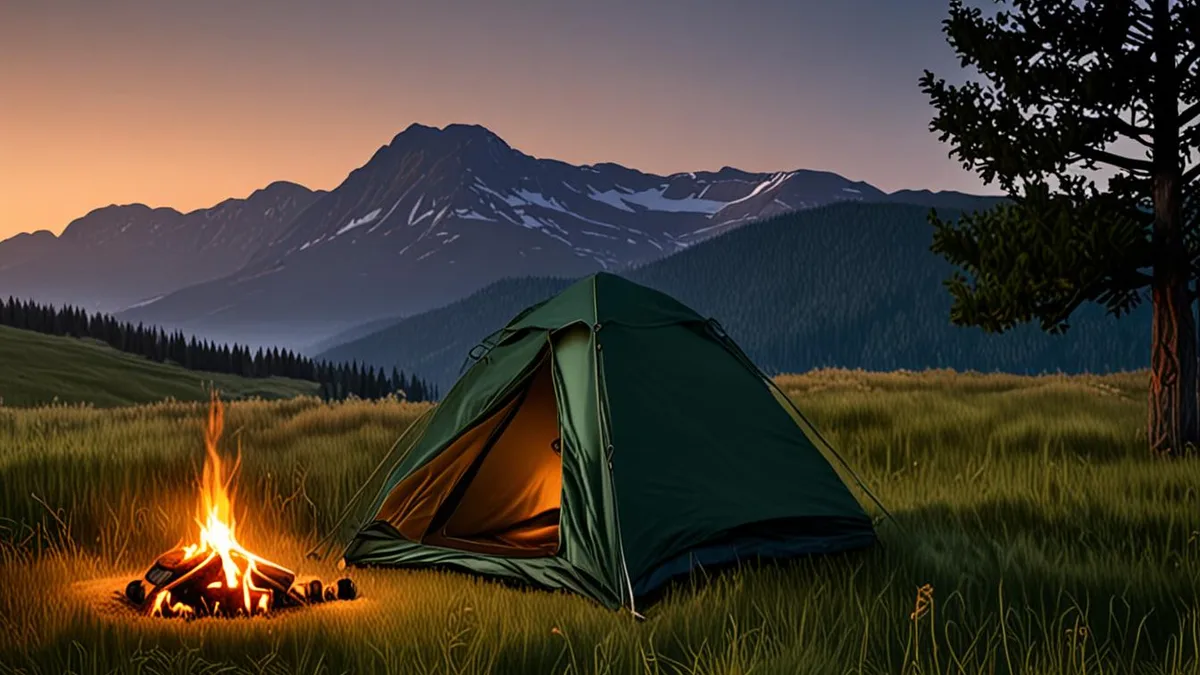
This is where the price difference shows up most clearly. Glamping usually includes a real bed, linens, lighting and often a private bathroom. Camping means sleeping pads on the ground, a headlamp for finding the toilet block and shared facilities that range from spotless to grim depending on the campground.
Weather protection
Canvas structures insulate noticeably better against rain and wind than entry-level tents, and many glamping units add heating or AC. On a stormy night, that difference is hard to overstate: you stay dry and warm inside a solid, pre-set structure while a budget tent flexes, drips and lets in cold air at the seams.
What camping gives back
Camping rewards self-reliance, and that is part of the appeal rather than a flaw. There is the campfire you built yourself, dinner cooked outdoors, and waking to nature sounds with no walls between you and the morning. Many campers would not trade any of that for a memory-foam mattress.
Still, the comfort gap narrows in bad weather. A leaky tent night — rain coming through a seam, gear damp, everyone sleeping badly — is the moment most campers quietly start browsing glamping listings for the next trip. If your dates look wet or you are traveling with someone who is lukewarm on the outdoors at all, that is worth factoring in before you book rather than after a rough night.
Effort and Skill: What Each Option Demands Before You Go
Camping is a skill set as much as a trip style. Before your first night out, you need to learn how to pitch a tent, build and manage a fire, and pack a camp kitchen that actually works — stove, fuel, cookware, food storage. Expect a learning curve on that first trip. Something will go wrong: a stubborn pole, a fire that won’t catch, a cooler packed in the wrong order. That’s normal, and it’s part of how you get better.
Glamping, on the other hand, requires no skills at all. You arrive, unpack your bag, and the host has already handled the setup, the maintenance and the details you’d otherwise spend an hour on. There’s no tent to stake, no firewood to chop, no stove to troubleshoot. If the rain fly sags or the propane runs low, that’s someone else’s problem.
So which type of traveler are you?
Honest self-assessment helps here. If you enjoy the process — the packing, the fire-building, the slow morning routine outside — camping rewards you in a way glamping can’t. If you want the outdoors without the labor, glamping delivers exactly that. Neither is the better traveler; they just want different things from the same night under the stars.
Families with toddlers often start with glamping for their first outdoor trip. A real bed, a lockable door and a bathroom down the path make nights with a restless two-year-old far easier. Then, as kids grow and everyone gets more confident, many families branch into traditional camping — and by then the kids are old enough to help pitch the tent.
When and How to Book: Seasons and Lead Times
Timing matters for both options, and it matters more than most first-timers expect. In most US and European regions, peak season runs May to September, when weather is warmest and demand is highest. Book during that window and you’ll compete with everyone else who had the same idea.
Popular glamping sites are especially tight. With only a handful of tents, yurts or cabins on most properties, summer weekends often sell out 3–6 months ahead. If you have your heart set on a specific property for a July or August weekend, book the moment dates open. Campgrounds in many national parks can open reservations up to 6 months in advance, so set a calendar reminder for the exact day booking windows open — the best sites can go within minutes.
- Check cancellation policies before paying. Some glamping operators run stricter cancellation terms than campgrounds, since one tent represents a large share of their revenue.
- Weekdays stretch your options. A Monday or Tuesday night in July is often still available when the same weekend is gone, and some sites price weekdays lower.
- Watch for minimum-stay rules. Popular glamping sites and holiday-weekend campground bookings sometimes require two or three nights, which affects how you plan the trip.
- Set alerts for cancellations. If a park campground is full, released cancellations can reopen sites days or weeks later, especially close to the date.
If your dates are flexible, aim for shoulder season. May–June and September bring lower rates and thinner crowds for both camping and glamping, and in many regions the weather is still pleasant enough for tents and canvas. It’s the easiest way to get the same experience for less money and less competition.
Which One Fits Your Trip: A Quick Decision Guide
There’s no universal answer — the right choice depends on your gear, your budget and what the trip is for. A quick way to think about it: camping is the better deal the more you plan to use it, while glamping shines on the trips that matter most.
Choose camping if you already own gear, plan multiple trips a year, or simply enjoy hands-on outdoor routines like cooking over a fire. The more nights you spend out, the faster that upfront gear investment pays for itself. Choose glamping for milestone trips — anniversaries, a big birthday, a first family outing — or for rainy-season travel, when a solid structure with heating makes bad weather a non-issue. It’s also the gentlest way to introduce kids or a reluctant partner to the outdoors without a rough first night turning them off entirely.
Destination matters too. Remote backcountry favors camping, since glamping structures rarely exist far from road access. Scenic, drivable regions — coastlines, wine country, lake districts — tend to offer the best glamping stock.
- Try the hybrid approach. Camp on multi-day wilderness routes, then book a glamping stay for the first and last nights as a buffer — a soft landing before you carry a pack and a real bed when you come out.
- Match the structure to the climate. In hot regions, look for glamping units with AC or strong ventilation; in cool or wet ones, prioritize insulated canvas and heating.
- Test camping close to home first. A one-night trip at a nearby campground lets you shake down your gear cheaply before committing to a longer, more remote route.
- Check what’s actually at the site. Some glamping properties include kitchens and bathrooms; others are essentially furnished tents — read the listing carefully before booking.
The Bottom Line on Glamping vs Camping
The nightly rate tells two very different stories. Camping wins on cost and authenticity: a pitch at $15–$40 per night plus your own gear gets you campfires, outdoor cooking and a genuine back-to-basics feel. Glamping wins on comfort and convenience, with a real bed, linens and often a private bathroom waiting when you arrive.
For most travelers, the gap between $15–$40 and $100–$300 per night is the deciding factor. Remember that both options share the same May to September peak season, so booking early matters either way. If this helped you decide, leave a comment or share this article with a friend planning their next trip.