Glamping promises hotel comfort in the middle of nature, but the reality is more confusing than the brochures suggest. One listing charges $90 for a canvas tent on a farm, while a treehouse an hour away asks $450 a night. Without a clear picture of what drives the glamping cost, it’s hard to know whether you’re getting a fair deal or quietly overpaying for a view and a hot tub.
This guide breaks down what you’re actually paying for, stay type by stay type. We’ll look at what a nightly rate includes, where budget-friendly tents and yurts sit on the price scale, and when domes, treehouses and luxury cabins justify their premium. You’ll also see how season and timing shift prices, how to spot hidden fees before checkout, and how to decide which stay type matches your trip. By the end, you’ll be able to judge any glamping listing with a realistic price in mind.
What You Actually Pay For: The Anatomy of a Glamping Price
Before comparing stay types, it helps to understand what a glamping rate actually buys. The nightly price covers the structure itself, whether that’s a bell tent, yurt or dome, along with a furnished interior: real beds, bedding, lighting and usually some furniture. Bathroom access is normally included too, though it may be private or shared depending on the property, and that distinction often explains part of the price gap between listings.
The extras that inflate the bill
The advertised nightly rate is rarely the full story. Cleaning fees of $30–$100 per stay are common, especially on booking platforms, and they hit short trips hardest. Add pet fees if you’re bringing a dog, firewood bundles for the fire pit, and activity add-ons like guided walks, kayak rentals or breakfast baskets, and a two-night stay can grow by a meaningful amount. Always expand the price breakdown before you commit.
Why location moves the price
Where a site sits matters as much as what you sleep in. Waterfront spots, sites next to a national park and vineyard properties command noticeably higher rates than equivalent structures on inland farmland. You’re paying for the setting and the views, not just the tent, so two nearly identical safaris tents can differ sharply in price purely because of their address. If scenery matters less to you than the experience, choosing an inland site is one of the easiest ways to trim the total.
Glamping Tents and Yurts: The Budget-Friendly Entry Point
If you’re new to glamping, tents and yurts are the natural starting point. They deliver the outdoor feel, the campfire and the starry sky, without the premium that comes with domes and treehouses. For many first-timers, this is where glamping makes the most sense financially.
Basic canvas bell tents
The simplest option is a canvas bell tent, typically priced at roughly $80–$150 per night. You usually get proper beds with bedding, lighting and often a small deck or fire pit, but bathrooms are frequently shared in a central facility. It’s camping with the hard parts handled for you, and it’s the most affordable way to test whether glamping suits you at all.
Yurts and safari tents with more comfort
Step up a level and you’ll find yurts and safari tents, generally running $150–$300 per night. These come with real beds, a wood stove for cooler nights and, in many cases, a private bathroom. The extra space and insulation make them a solid choice for longer stays or trips outside high summer.
For a first glamping trip, this mid-range tier is hard to beat. You experience the best parts of sleeping outdoors, comfortable bedding, a stove, a private deck, without committing to dome or treehouse prices. If you love it, you can always trade up next time; if it’s not for you, you haven’t spent boutique-hotel money to find out.
Domes, Treehouses and Cabins: Mid to Premium Glamping Cost
Once you move past tents and yurts, glamping starts to resemble boutique hospitality. This is the tier where the structure itself becomes the attraction, and where a single night can cost as much as a weekend in a basic canvas tent. If you’re marking an anniversary or planning a splurge, this is the category most worth understanding in detail before you book.
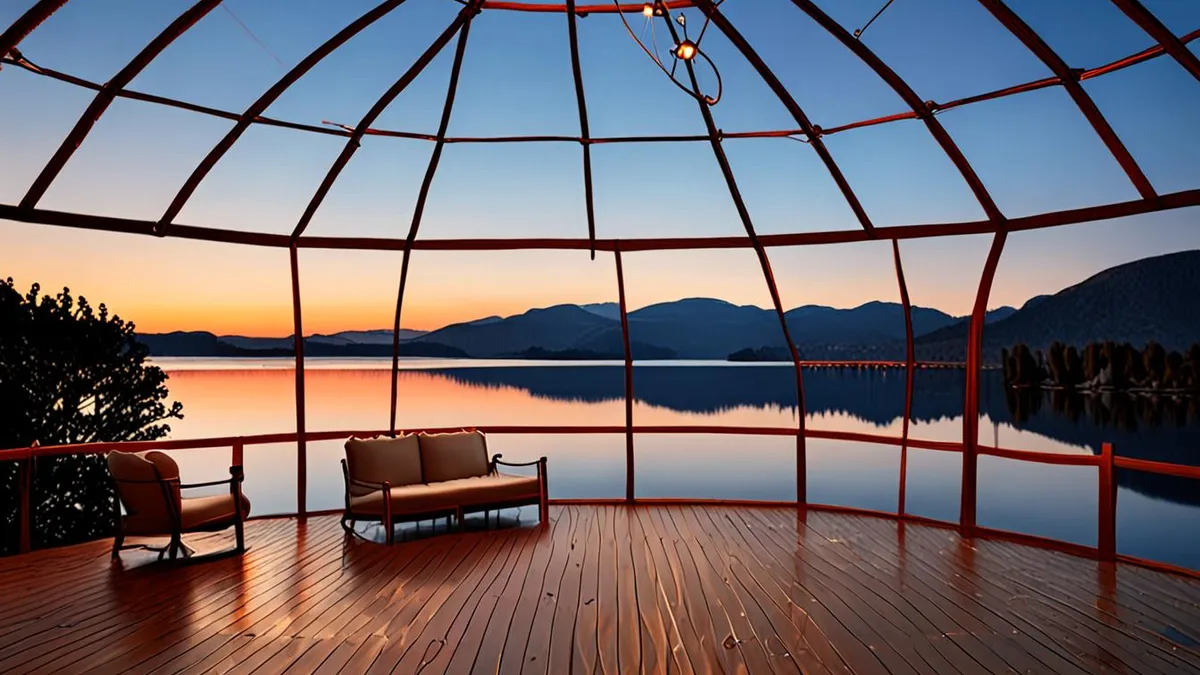
Geodesic domes typically cost $250–$500 per night. The draw is the experience: transparent ceiling panels for stargazing from bed, curved interiors with proper heating, and in many cases a private hot tub on the deck. Because the frame is rigid, domes also handle wind and cold better than most canvas structures, which makes them a safer pick for shoulder-season trips when temperatures drop at night.
Treehouses fall in the same $250–$500 band, though architect-designed builds with multiple levels or dramatic forest settings can push well above that. Access matters here: some are reached by stairs or a short walk, so if you’re traveling with heavy bags or limited mobility, ask the operator about the path and parking distance before you commit.
At the top of the range, purpose-built luxury cabins and lodges can exceed $600 per night, rivalling boutique hotels on both price and comfort. What you’re paying for is a full-service stay: designed interiors, quality dining nearby or on site, and privacy you rarely get in a hotel. Many also include extras like wood-fired hot tubs, fire pits and curated local experiences, so check what’s bundled into the rate.
- Domes with stargazing ceilings: the transparent panels sit above the bed, so you can watch the night sky without leaving the covers, which is a big part of why they photograph so well and book out fast.
- Treehouses with elevated decks: many are built several meters off the ground among the trees, giving you a canopy-level view and a sense of seclusion that ground-level stays can’t match.
- Luxury cabins with full kitchens: unlike most tents and domes, high-end cabins often include a complete kitchen, letting you self-cater and offset some of the nightly cost on longer stays.
Season and Timing: When Glamping Prices Peak and Dip
Glamping prices swing more with the calendar than most travelers expect. Peak season, which runs from June through August in the Northern Hemisphere, typically adds roughly 20–40% to nightly rates. A safari tent that costs $200 in spring can easily climb past $260 in July, sometimes for the exact same structure and view.
Why shoulder months are the sweet spot
May, September and early October are where savvy glampers save. In many regions these months offer similar weather to high summer: warm days, cool nights and fire-friendly evenings. Operators know demand dips after the school holidays, so rates often fall noticeably while the experience stays nearly identical. Pack an extra layer for cooler evenings and you lose very little compared to a July stay.
The day of the week matters just as much. Weekend and holiday nights often cost 20–30% more than midweek nights, and popular sites can require two-night minimums on Fridays and Saturdays. If your schedule allows a Sunday-to-Wednesday trip, you will usually pay less and share the site with fewer neighbors.
One caveat: timing strategies vary by destination. Desert and southern sites sometimes peak in winter, so check the local high season before assuming summer is the expensive time. A quick look at rate calendars across several dates will show you exactly where the dips are.
How to Book Smart and Avoid Hidden Glamping Fees
The nightly rate you see first is rarely the number you actually pay. Between platform fees, cleaning charges and optional add-ons, a bargain-looking tent can quietly creep toward boutique-hotel money by the time you hit confirm. The good news is that most of these extra costs are visible before you book, and most of them are avoidable with a little patience. A few deliberate habits keep the final bill honest and make it much easier to compare one site against another on a like-for-like basis.
- Book 3–6 months ahead for peak-season weekends. Popular sites fill their summer Saturdays early, and late bookers face premium pricing or sold-out calendars. Reserving well in advance locks in standard rates and gives you a better choice of units.
- Read the full price breakdown before checkout. Cleaning and service fees charged per stay are common on booking platforms, and on a short one- or two-night trip they can add a noticeable percentage to your total. Expand the itemized cost view so you know exactly what each line covers before you commit.
- Compare direct booking against platforms. Some operators discount their rates when you book through their own website, since they avoid platform commissions. Check both prices for the same dates and unit before committing.
- Ask about extras before you arrive. Firewood bundles, pet fees and activity add-ons are usually optional, so decide in advance which ones you actually want rather than accepting them by default.
None of this takes more than a few extra minutes per booking, and the minutes compound quickly if you price out several sites. The payoff is a final price that matches the one that caught your eye, plus a clearer sense of which operator actually offers fair value. It also puts you in a stronger position if something goes wrong, because you will know exactly what you agreed to pay for and what was never included in the first place.
Is the Glamping Cost Worth It? Matching Stay Type to Your Trip
Whether glamping is worth the money depends less on the price tag and more on how well the stay type fits your trip. A high-end treehouse can be a bargain for the right occasion and an extravagance for the wrong one, so it helps to match the accommodation to the traveler before you book.
Couples and special occasions
If you are celebrating an anniversary, a proposal or a milestone birthday, domes and treehouses deliver the most value. Transparent ceilings, private hot tubs and secluded settings create the kind of atmosphere that standard hotel rooms struggle to match. For a one- or two-night splurge, the premium over a regular room often feels justified by the experience alone, and the memory tends to outlast the cost.
Families and groups
Groups get more mileage from safari tents and yurts. A single large tent that sleeps four or five can work out cheaper per person than booking multiple hotel rooms, and shared living space makes evenings easier. Kids tend to love the novelty of sleeping under canvas, which counts as entertainment value in itself and can save you money on activities.
The smartest comparison is against nearby hotels rather than against other glamping sites. A dome with a hot tub can undercut a resort room of similar quality, especially once resort fees and dining markups are included. Run the numbers for your specific destination before deciding that glamping is automatically the pricier option.
The Bottom Line on Glamping Prices
So, what is a fair nightly rate for glamping? The honest answer is a wide one: around $80 per night for a basic canvas tent, up to $600 or more for a luxury lodge. That is a bigger spread than most people expect when they hear glamping described as “hotel comfort in nature,” and it explains why quotes can seem wildly inconsistent.
The good news is that the price is not random. Three levers matter most: the season you travel, whether you book a weekend or midweek night, and the stay type you choose. Once you factor in cleaning fees and book early, the advertised rate gets much closer to what you actually pay. If this breakdown helped you budget your next trip, leave a comment or share the article with a fellow traveler.