Comparing a villa vs airbnb can be confusing because both promise a “home away from home,” yet what you actually get for your money is often very different. One listing shows a standalone house with a private pool; the other is a studio apartment two floors above a busy street. Without knowing how each option works, it is easy to book the wrong one for your trip.
This guide breaks down the real differences between the two, from space and pricing to service, location and booking logistics. You will see who each stay type suits best, what the weekly or nightly cost really covers, and how far ahead you need to plan. By the end, you should be able to match the right option to your group size, destination and travel style instead of guessing.
Villa vs Airbnb: The Core Difference at a Glance
The clearest way to understand the difference is to look at what each word actually describes. A villa is a whole, standalone property: a private house, usually with its own pool, garden and several bedrooms. You rent the entire building and its grounds, and nobody else stays there during your trip.
An Airbnb, on the other hand, is not a type of property at all. It is any privately owned space listed on the platform, and in practice that most often means an apartment or a room inside a building. You might get an entire flat, or you might share the hallway with the owner.
How each one is managed
Management is the other big difference. Villas are run like small holiday homes: a local manager, housekeeper or pool service typically looks after the property, and you have a real person to call when something breaks. Airbnb rentals are mostly self-service. You get keys or a code, and if a problem comes up, you handle it through app messages with the host. Neither model is better by default, but they create very different expectations for your stay.
Space and Who Each Stay Type Suits
Space is where the two options diverge most sharply, and it is often the deciding factor for larger trips. Villas typically range from 3 to 8 bedrooms, which makes them a natural fit for families traveling together or groups of friends who want to share a living room, a dining table and a pool rather than meet up in a hotel lobby. Everyone gets a proper bedroom, the common areas become the heart of the trip, and there is enough room that nobody feels on top of anyone else. That kind of layout simply does not exist in a standard rental apartment.
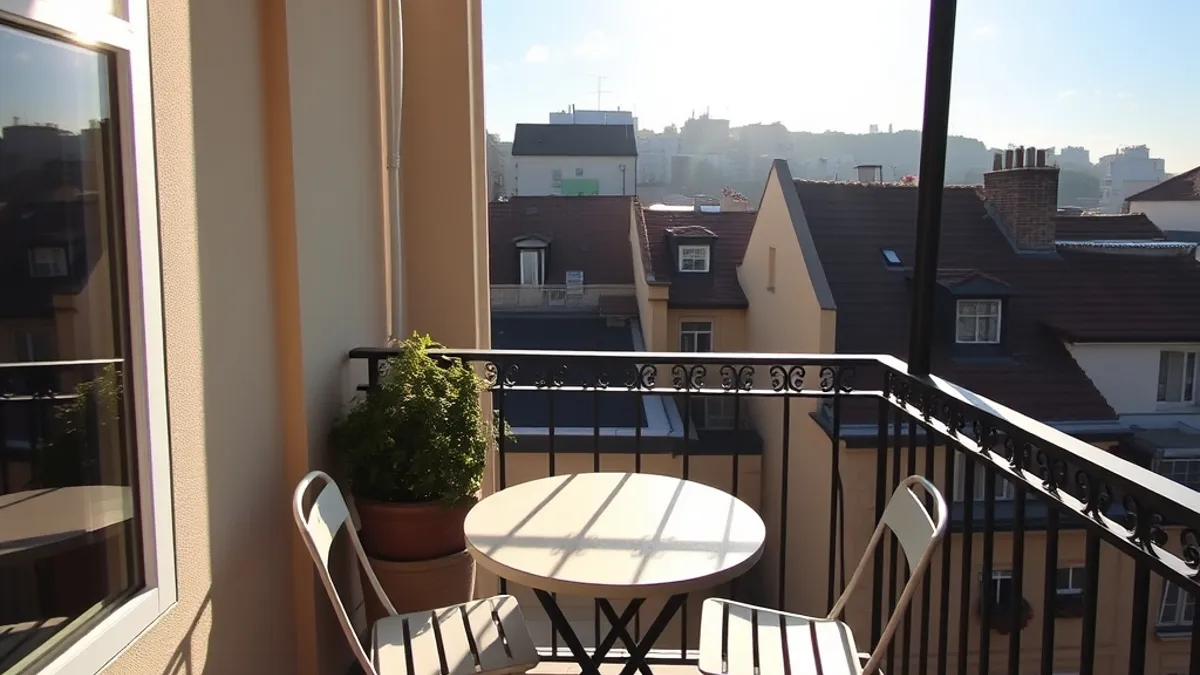
Most Airbnb listings, by contrast, are studios to 2-bedroom apartments. That format suits couples and solo travelers on short city trips, where you spend your days out sightseeing and only need a comfortable base for sleeping and breakfast. For those travelers, the extra bedrooms of a villa would go unused and unappreciated.
Couples who dream of privacy, sea views and a pool should think twice before defaulting to a city apartment. A villa gives you all three without sharing anything with other guests, while most city flats offer none of them. Check how many bedrooms a listing actually has before you book, and match the property size to your group.
- Multi-generation families: a villa with ground-floor bedrooms and a big kitchen lets grandparents, parents and kids share meals without anyone climbing three flights of stairs.
- Remote workers: a villa’s garden and multiple rooms make it easier to find a quiet corner for calls than a single studio room.
- Celebration groups: birthdays and reunions work better in a villa’s private dining terrace than in a small apartment where seating is limited.
Price: What You Really Pay for Each
Price is where travelers get surprised most often. Weekly villa rentals in Europe commonly range from about €1,500 to €10,000+ depending on the region, the view and the season. The cheapest weeks fall outside July and August, when peak-season demand pushes rates to their highest. If a villa looks like a splurge, remember you are renting an entire house, not a room.
The nightly math of city stays
Airbnb nightly rates in European cities commonly run from about €80 to €250. That sounds modest until you multiply by seven: a week in a mid-range city apartment can rival a budget villa in a quieter region, especially in high season.
The comparison flips completely once you look at per-person cost. Split a €4,000 villa week among 8 friends and you each pay around €500 for a bedroom, a pool and a shared living space. Book 4 separate two-person Airbnbs for the same group in a city and the total, and the per-head cost, can easily come out higher. For larger groups, the villa is often the cheaper option, not the indulgent one. For a deeper breakdown, this guide to what villa rentals really cost in Europe covers the details by region and season.
Service, Amenities and Daily Life On Site
The day-to-day experience at a villa feels closer to staying in a fully equipped holiday home than a rental apartment. Most villas come with a private pool you share with nobody, a garden or terrace for outdoor meals, and a proper full kitchen where you can actually cook a dinner for eight, not just reheat pasta. On top of that, many villa rentals include regular cleaning, pool service or both, so the property stays in good shape without you lifting a finger.
An Airbnb works very differently. Because every listing is individually owned, the amenities are a lottery: one apartment might have a dishwasher, a washing machine and a balcony, while the next one down the street offers a kettle, two forks and a shared laundry in the basement. Pools are rare in city listings, and kitchen equipment is often basic, which matters if you plan to cook rather than eat out every night.
Support is another clear dividing line. Villa guests usually get a local contact, such as a manager or housekeeper, who can fix a broken air conditioner or answer questions about the area. Airbnb guests mostly rely on app messaging with the host, which works well when hosts are responsive and can be frustrating when they are not.
- Pool and garden upkeep: at villas, a pool technician or gardener often visits during your stay, so expect short, scheduled maintenance visits rather than total privacy.
- Laundry situation: many Airbnb apartments have a washer but no dryer, or rely on a coin laundry in the building, so check the listing if you travel with kids.
- Mid-stay cleaning: villa bookings often include a weekly or mid-week clean, while Airbnbs typically charge an extra cleaning fee or leave you to tidy up yourself.
- Consumables: villas frequently stock basics like salt, oil and coffee for arriving guests, whereas an Airbnb kitchen may have whatever the previous guests left behind.
Location: Countryside and Coast vs City Centers
Location is where the two options split most sharply. Villas cluster in coastal and rural regions where space, views and privacy are the whole point: think Provence, Tuscany, the Algarve and the Greek islands. The same pattern holds across much of southern Europe, and you can see it clearly in destinations like Spain’s best villa regions, where properties sit on hillsides, along the coast or in quiet countryside rather than in town centers.
Airbnbs dominate city centers, and that is exactly their strength. In places like Lisbon, Rome or Amsterdam, the typical listing is an apartment a short walk from restaurants, shops and major sights. You can step out the door in the morning and explore on foot, which is often the main reason travelers pick a city rental over anything with a pool.
Do you need a car?
This is the practical consequence of the location difference. A villa stay usually means renting a car, because supermarkets, beaches and villages are rarely walkable from a rural property, and taxis add up quickly over a week or two. An Airbnb city stay often needs no car at all: between walking, public transport and the occasional taxi, many travelers never touch a steering wheel. If you do not want to drive abroad, that alone can decide the question. If you love the freedom of exploring coves and hilltop villages at your own pace, the villa plus rental car combination is hard to beat.
Booking: Lead Times, Cancellation and Check-In
Booking rhythms differ a lot between the two, and getting the timing right matters more for villas than for almost any other type of accommodation. A villa is essentially one property with one set of dates, so once someone commits to those weeks, they are gone. Airbnb city listings, by contrast, come in large numbers, which means availability is rarely the problem and you can afford to book late. The good news is that the rules are simple once you know them, and they mostly come down to destination type and season.
- Book villas 3 to 6 months ahead for summer. The peak season runs from June to September, and the best properties with sea views and private pools are picked over early by returning guests and agencies.
- Expect July and August to sell out first. These are the most expensive and most demanded weeks across Europe, so if your dates fall in high summer, treat early booking as non-negotiable rather than optional.
- Use the shoulder weeks for flexibility. June and September often have better availability and lower prices, which gives you a little more room to book later if your plans are still settling.
- Book Airbnbs 2 to 4 weeks ahead for city stays. City listings are numerous, so a trip planned a month out usually still leaves you a solid choice of apartments in most European cities.
- Filter by cancellation policy. Many Airbnb listings offer flexible or moderate cancellation, which is useful for short trips where plans can change; villas typically have stricter terms because owners hold the dates for you.
- Plan the check-in style in advance. Villa arrivals are arranged personally with a manager or key holder, who often meets you at the property, while Airbnbs use lockboxes, smart locks or a host meet-up depending on the listing.
One practical tip that applies to both: read the check-in instructions before you travel, not after you land. Villa guests should confirm the meeting time and how to reach the local contact, and it helps to save that person’s number offline in case your phone data does not work abroad. Airbnb guests should note whether the lockbox code arrives on the day of check-in or earlier, and screenshot it in case the app is slow to load. If you are traveling with a group, agree on arrival times beforehand too, since a villa manager waiting at the gate will not want to wait three hours for the last car to show up. A quick message the day before arrival solves most of these issues on both sides.
Which One Should You Choose
The difference comes down to what you are actually renting. With a villa, you get an entire house to yourselves: private pool, garden, several bedrooms and usually a local manager who handles problems. With an Airbnb, you are renting someone’s apartment or room, typically a studio to 2-bedroom space, and sorting things out yourself through app messages.
So villas win for groups, longer summer stays and privacy with a pool, while Airbnbs win for short city breaks, small budgets and last-minute trips. The right pick comes down to your group size, your destination type and how far ahead you book. If this helped you sort out the villa vs Airbnb question, leave a comment or share the article with a friend planning a trip.