Every villa listing seems to say the same thing: “pool”. But the word hides three very different realities. A private pool means the water and deck belong to your booking alone, a shared pool means you’ll be splitting it with other guests, and an infinity pool trades a higher price for a view that melts into the horizon. The type you pick changes what you pay, how much privacy you get and how the whole trip feels.
This guide walks through villa pools step by step: what actually counts as private, how shared-pool complexes work, where infinity pools really appear, when pools are warm enough to use, how each option affects your budget, and which pool type suits couples, families and budget travelers best. By the end, you’ll know exactly what to check before you book.
What Counts as a Private Villa Pool
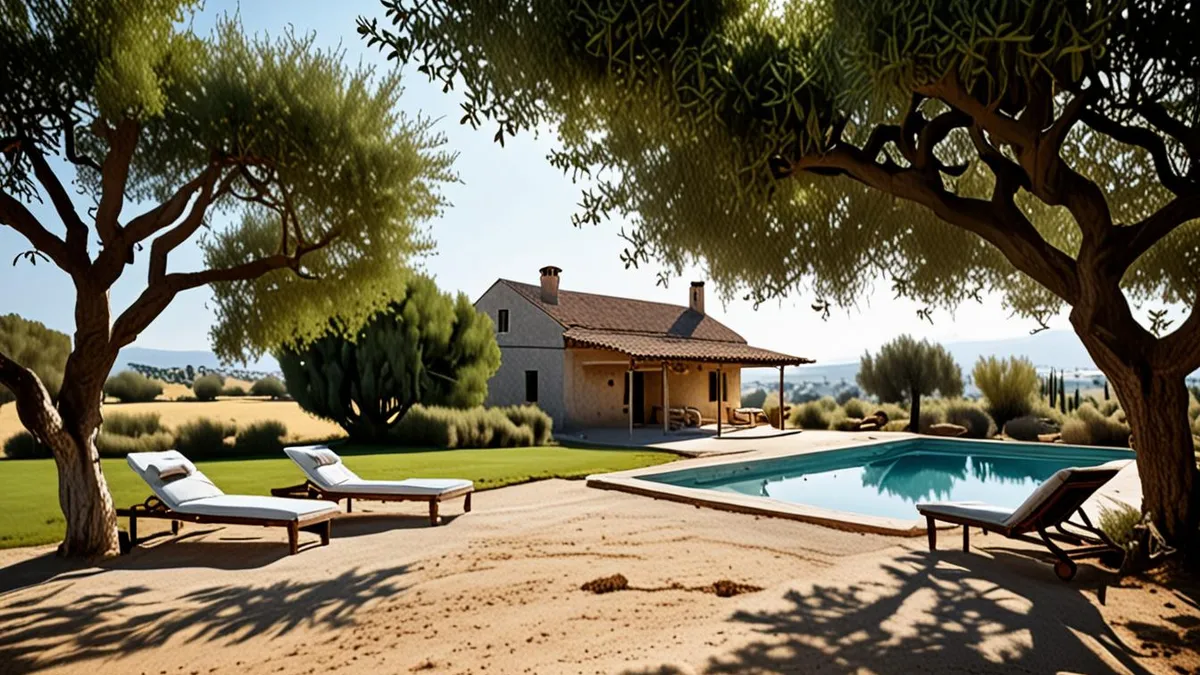
A private pool is reserved for your booking only. No other guests share the water, the deck or the sun loungers, and you can swim, float or spread out towels without negotiating space with anyone. Most private pools at villa rentals measure around 8-12 meters long, which is enough for proper laps as well as lazy afternoons on an inflatable.
When a small pool makes sense
In compact townhouses and countryside cottages where space is tight, you’ll often find a plunge pool instead. These are under 5 meters, so they’re for cooling off rather than swimming, but they still give you exclusive use and a place to sit in the water with a drink. If your trip is more about the destination than the swimming, a plunge pool can be a smart compromise.
What a private pool costs you
Privacy has a price. Private pools typically add 10-30% to the rental compared with a similar villa without one, so it’s worth deciding early whether that exclusivity is central to your trip. If you plan to spend most days at the villa, it usually is.
One detail many travelers miss: check the listing photos for who else can see the pool. A neighboring terrace overlooking the water, or a garden path shared with another property, can reduce real privacy even when the pool itself is technically yours. Zoom into the photos and look at sightlines from surrounding buildings before you commit.
Shared Pools in Villa Complexes
Shared pools are the standard setup in villa complexes: one large pool serving multiple units rather than each villa having its own. These pools are usually sized around 40-80 square meters and serve 4-10 units, which means you’ll have company, especially during peak afternoon hours when everyone returns from the beach or sightseeing.
Why complexes choose shared pools
The main advantage is cost. Sharing one pool across several units cuts expenses significantly, which is why shared pools are so common in family-oriented villa complexes across Spain and Greece. The savings flow through to your nightly rate, making this the most affordable route to regular pool access.
The trade-off is atmosphere. You won’t have the water to yourself, and during busy weeks you may find the deck lively from late morning onward. For many travelers that’s a plus rather than a minus, especially for children who want playmates.
Questions to ask before booking
Two details make a real difference to your experience, so ask the owner or agent before you commit:
- The sun lounger ratio: if there are fewer loungers than guests across the units, morning towel-reservation battles are likely
- Whether children’s hours apply, such as quiet times or adult-only swimming periods, so you can plan your days around them
Shared pools suit travelers who want reliable pool access without paying the private-pool premium. If you spend mornings out exploring and only use the pool for an evening dip, you may barely notice the company.
Infinity Pools and Where You Actually Find Them
An infinity pool uses a vanishing edge on one or more sides, so the water appears to merge with the sea, valley or skyline beyond it. The effect works because the edge is built slightly lower than the water surface, letting water spill over into a hidden catchment and recycling system. This construction only really works on slopes, which is why infinity pools are built mainly on hillsides and cliff edges where the drop-off does the visual work.
Where you’ll actually find them
Infinity pools cluster in coastal and cliffside destinations where the terrain and the view cooperate. Santorini is the classic example, with caldera-edge villas stacking pool after pool above the Aegean. The Algarve’s coastal villas and the cliffside properties around Kotor Bay are other places where the style is common. If an infinity pool is on your wishlist, start your search in destinations like these rather than hoping to find one inland.
Because of the engineering and construction costs involved, infinity pools are rarer than standard pools and are often reserved for higher-tier villas. Expect them to appear at the top of the price range rather than in budget listings.
The view is the point
When comparing listings, remember that an infinity pool is really a viewing platform you can swim in. Prioritize pool orientation: check whether it faces the sunset or the open sea, and look at photos taken from the water, not just the terrace. A west-facing pool in a sunset destination delivers a very different evening than one angled toward a car park. If the view matters to you, it’s worth comparing several listings on this single detail, and our guide to Santorini sea view villas for couples shows what a well-oriented infinity pool setup looks like in practice.
Season and Heating: When Villa Pools Are Actually Usable
Most European villa pools are outdoor pools, and that single fact shapes when you can actually swim. The typical season runs roughly May to September, when the water is warm enough without any help. Book a villa in late April or early October and you may well arrive to a covered, cleaned and closed pool.
Shoulder-season trips are where this catches travelers out. A villa in the Greek islands or the Spanish coast can look perfect in photos, but if your dates fall outside the main season, ask the owner directly whether the pool will be filled and open. Some owners keep pools running longer than others, and the answer varies property by property.
Heated pools: what they change
A heated pool extends the swimming window to around April to October, which makes a real difference on spring and autumn trips. The trade-off is cost: heating adds to the rental price, so expect the rate to be higher than for an identical villa with an unheated pool.
Timing matters too. Many owners need 7 to 14 days of advance notice to switch on the heating, so request it at booking rather than a few days before arrival. If you leave it late, you may find the pool is full but cold.
One final caution: mountain and lake destinations often have no usable outdoor pool even in midsummer, because cool nights keep water temperatures down. If swimming is central to your trip, favor coastal or lowland regions, or confirm with the owner that the pool stays comfortable in your travel window.
How Pool Type Shapes Your Villa Budget
Pool type is one of the biggest price levers in villa rentals. A private pool costs more than a similar pool-free property, and infinity pools and heated pools sit at the top of the price range. The extra cost buys exclusivity and, in the case of infinity pools, a view you cannot get any other way.
Where the savings are
Shared-pool complexes are the budget route. Because one pool serves several units, the cost is spread across bookings, and these complexes are often paired with lower nightly rates overall. You give up privacy and quiet, but you keep full pool access, which for many travelers is the better deal.
Whichever type you choose, pool maintenance and cleaning are normally included in the rental. Still, check the listing for cleaning frequency. A pool cleaned once a week in a shared complex with heavy use is a different experience from one serviced every couple of days, so it is a fair question to ask before you pay.
Heating is another cost item to factor in. A heated pool extends the season but adds to the rental price, and some owners charge it as a separate line item rather than folding it into the nightly rate. Ask how the fee is calculated so it does not surprise you on the final invoice.
Finally, compare total trip cost rather than the pool feature in isolation. A cheaper shared-pool villa farther from the beach may end up costing more once you add car hire and extra meals out. Looking at what villa rentals really cost in Europe helps you put any pool premium into perspective against the full budget for your stay.
Matching the Right Villa Pool to Your Trip
The best pool type depends less on the pool itself and more on who is traveling and why. Couples chasing views should target infinity pools, and the natural hunting grounds are cliffside villas in Santorini or Kotor Bay, where the vanishing edge merges with the sea below and morning coffee comes with a horizon of water. Families, on the other hand, usually get more value from a private pool in a countryside villa in Tuscany or Provence, where children can swim freely and parents can supervise from the terrace without worrying about other guests sharing the water.
Budget and social travelers fit shared-pool complexes in Spain or Greece best. You pay less overall, and there is often a friendly, resort-like atmosphere around the water that suits groups who enjoy meeting other guests during the long summer season when European pools are typically open.
Whichever direction you lean, run through this quick checklist before booking:
- Pool depth: ask for the shallowest point, since many private pools are 1.5 meters or deeper throughout, which rules out paddling for toddlers.
- Safety features: check whether the villa provides a pool fence, cover or alarm, especially in countryside villas where the pool sits close to the house.
- Steps and entry: confirm there are gradual steps rather than a ladder-only edge if older relatives or small children will use the pool.
- Supervision sightlines: look at listing photos to see whether the pool is visible from the living area and terrace, not hidden behind a wall or garden.
Answering these questions early narrows your shortlist fast and prevents unpleasant surprises on arrival day. It also helps to be honest about how much you will actually use the pool: a family that swims daily has different needs from a couple who just want a pretty place to cool off after a day of sightseeing.
Choosing Your Villa Pool With Confidence
Every listing says “pool”, but the three main types deliver very different trips. Private pools buy exclusivity, usually at a 10-30% premium. Shared pools trade privacy for savings. Infinity pools trade price for views, blending the water into the sea or valley beyond.
Keep the seasons in mind too: most European outdoor villa pools are usable roughly May to September, while a heated pool can stretch that to around April-October if you request heating 7-14 days ahead. Match the pool type to your destination and travel group first, then compare individual villas. Found this guide useful, or have a pool story of your own? Leave a comment or share the article.