Planning your first trip to the Scottish Highlands can feel overwhelming. The region is enormous, the seasons vary dramatically, and lodge prices range widely, so it’s hard to know where to start. That’s exactly why we’ve put together this guide to Scottish Highlands lodge stays for first-time visitors: to help you pick a region, time your trip and set a realistic budget before you book.
In the sections below, you’ll find why a lodge suits first-timers so well, the best regions to base yourself in, what each season actually feels like on the ground, and what you can expect to pay per night. We’ll also walk through how to book, share practical tips for your first visit, and wrap up with a few pointers for planning your route. By the end, you should feel confident choosing a lodge that fits your trip, rather than guessing and hoping for the best.
Why Scottish Highlands Lodge Stays Suit First-Time Visitors
If you have never visited the Highlands before, a lodge stay takes a lot of the guesswork out of the trip. Unlike a hotel, a lodge is self-contained: you get your own kitchen, living space and usually several bedrooms under one roof. That matters more in the Highlands than almost anywhere else in Britain, because dining options outside the main towns can be sparse. When the nearest restaurant is a half-hour drive away and closes early, being able to cook your own dinner after a long day of exploring is a genuine comfort rather than a compromise.
Lodges also tend to sit exactly where the scenery is. Many are positioned near lochs, glens or forest edges, so you can step outside your door and be walking within minutes. Instead of driving back and forth to a hotel in town each day, you wake up already in the landscape you came for. For a first visit, that kind of direct access makes the region feel far less intimidating.
Who a lodge stay works best for
Lodges suit couples looking for a quiet base, families who need space for children to spread out, and small groups of friends splitting the cost of a larger property. Solo travelers, on the other hand, may find a full lodge feels like too much space and too much rent for one person; a smaller cabin or a friendly bed and breakfast is often a better fit for a first solo Highland trip.
Best Regions for a First Highland Lodge Trip
Choosing the right base matters more in the Highlands than in most destinations, because distances are long and you will likely return to the same lodge each evening. For a first trip, the sweet spot is an area that combines easy access with scenery on your doorstep.
The Loch Ness and Inverness area is the easiest starting point. Inverness is the main Highland hub, roughly three hours by car from Edinburgh, and it puts you within 1.5 to 3 hours of Loch Ness, Glencoe and even Skye. That makes it ideal if you want day trips in several directions without changing accommodation.
Fort William and Glencoe suit travelers who care most about dramatic mountain scenery. This is classic Highland country, with trailheads for hikes of every level starting close to town, so you can be on a mountainside within minutes of leaving your lodge.
Here is a quick breakdown to help you match a region to your priorities:
- Loch Ness and Inverness: Good choice if you want a mix of castle visits, loch cruises and gentle sightseeing, with supermarkets and services close by for self-catering supplies.
- Fort William and Glencoe: Best base for hillwalking and photography, with steep-sided glens and rugged peaks right outside the door rather than an hour’s drive away.
- Isle of Skye: Home to the most iconic landscapes, such as the Cuillin hills and dramatic coastlines, but expect longer drives and higher demand, so book earlier than you would elsewhere.
- Cairngorms National Park: A strong pick for families, offering ancient pine forests, wildlife-spotting opportunities and gentler, well-marked trails alongside family-friendly lodges.
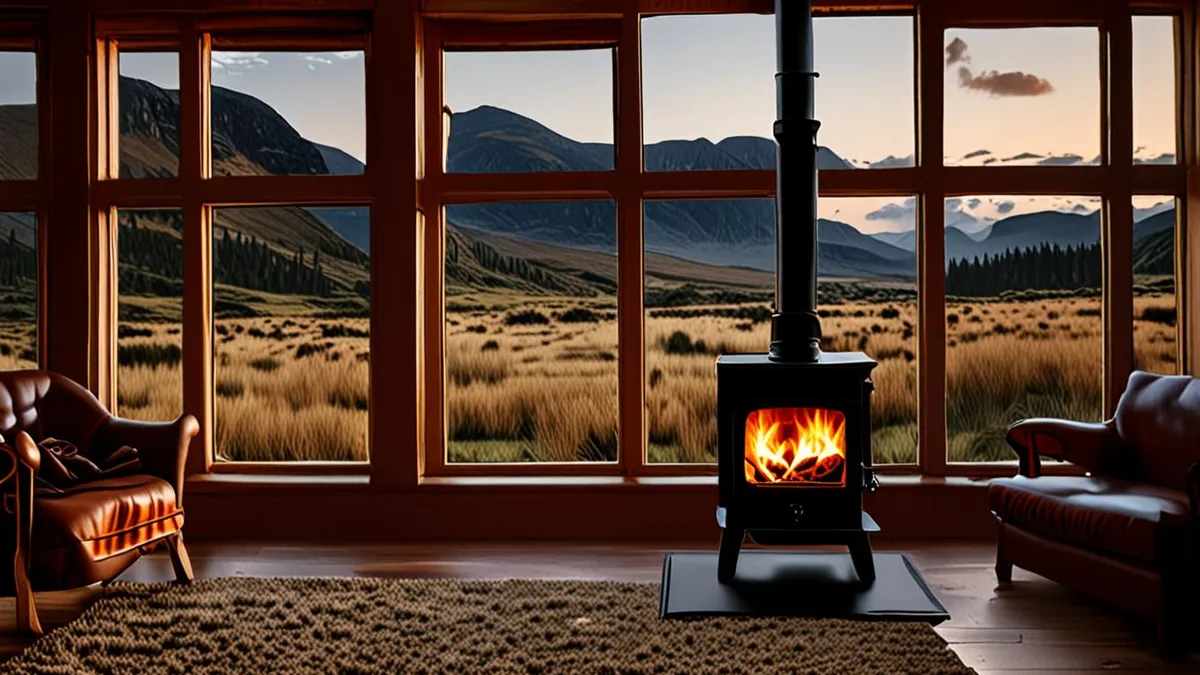
When to Go: Seasons and Weather in the Highlands
Timing shapes a first Highlands trip more than almost anything else. The region sits far north, so summer days stretch long and winter days shrink dramatically. Pick your season based on what you want from your lodge stay: long evenings outdoors, quiet trails, or a cozy base for stormy weather.
Summer: long days, warm weather and midges
June to August is the high season, and for good reason. Daylight lasts late into the evening, temperatures are at their most comfortable, and every trail, loch and viewpoint is at its most accessible. The trade-offs are real, though: this is when lodges fill fastest, rates climb, and popular glens feel busy by Highlands standards.
Summer also brings midges, the tiny biting insects the Highlands are famous for. They are worst from June to August in damp, still weather, which unfortunately describes plenty of summer days near water and woodland. A calm, humid evening on a lodge terrace can turn unpleasant quickly, so pack repellent and a head net if you are visiting in these months.
Shoulder seasons and winter
May and September are the sweet spot for many first-time visitors. The weather is usually milder and more stable than the darker months, crowds thin out noticeably, and lodge availability improves. You still get decent daylight for long drives and hikes, and the glens take on rich color in both directions: fresh greens in May, autumn golds in September.
From November to March, lodge stays become atmospheric in a completely different way. Expect short days with roughly 8 hours of daylight or less, frosted lochs, and the chance of snow on routes, which can affect driving conditions in more remote areas. If you love fireside evenings, dark skies and empty roads, winter can be wonderful, but plan your driving around the limited light and check road conditions before setting out each day.
Whichever season you choose, it helps to know what kind of stay you are booking before you commit. If you are still weighing options, our guide to choosing between a lodge and a hotel for your trip breaks down which stay type fits different travel styles.
What Scottish Highlands Lodge Stays Cost
Lodge prices in the Scottish Highlands vary more by season and location than by size, so it pays to understand the typical ranges before you start searching. A comfortable mid-range lodge with two or three bedrooms, a full kitchen and decent views usually falls between £120 and £250 per night. At the top end, luxury lodges with hot tubs, lochfront positions or full concierge services generally start around £300 and can climb past £600 per night.
Timing makes a real difference to what you pay. July and August are the busiest and most expensive weeks, and the holiday period around Christmas and New Year sees a similar spike. If your dates are flexible, shifting your trip a few weeks can stretch your budget considerably.
- Larger lodges often quote per property rather than per person, so a group of four or six splitting a mid-range lodge can pay less per head than two people booking separate rooms.
- Lodges near Skye and other high-demand spots tend to sit at the upper end of their band, while similar properties in the Cairngorms or around Inverness often cost less for the same standard.
- Shoulder-season weeks in May or September can cut rates noticeably, sometimes by a meaningful share of the summer price, while still offering good weather.
- Weekday arrivals, especially Monday or Tuesday check-ins, are often cheaper than weekend stays in popular glens.
For a fuller breakdown of how seasons shape lodge pricing, this guide to when to book lodge stays and how seasons affect prices covers the patterns in more detail. Always confirm current rates directly with the property, as they change year to year.
How to Book Your Highland Lodge
Booking a Highland lodge is straightforward, but a little planning prevents the two most common first-timer mistakes: leaving it too late and underestimating the drive. The Highlands look compact on a map, yet winding single-track roads and long detours mean journeys take longer than the mileage suggests. Follow these steps in order and you will end up with a lodge that actually suits your trip, rather than one that looks good in photos but sits hours from the places you want to see.
- Fix your dates first, then reserve well ahead. For summer trips, aim to book 3–6 months in advance; for Christmas and New Year stays, start looking 6–12 months out, since the best lodges go early.
- Choose your base region before comparing properties, because the Highlands are bigger than most visitors expect and hopping between regions eats up driving time.
- Check drive times from your arrival point. Inverness is the main Highland hub, roughly 3 hours by car from Edinburgh, and many major sights sit within 1.5–3 hours of Inverness or Fort William.
- Confirm access roads with the owner or manager. Some lodges sit down single-track roads or rougher tracks, and you will want to know this before arriving in a low-clearance rental car.
- Assess whether a car is essential. Public transport is limited outside towns, so for most lodge locations the practical answer is yes, and you should arrange your rental accordingly.
Once booked, message your host with any questions about the road, parking and the nearest shops. Hosts in remote areas are usually happy to give detailed directions, and it saves you a stressful arrival on unfamiliar roads after dark. It is also worth asking about check-in arrangements, since some remote lodges use lockboxes or key safes rather than an on-site host. A quick exchange of messages before you travel means you arrive knowing exactly where to turn off, where to park and who to call if something goes wrong.
Practical Tips for First-Time Highland Visitors
The Highlands are easy to enjoy, but they reward visitors who prepare for changeable conditions and long stretches between services. A few practical habits will make your first lodge stay far smoother, whatever the weather decides to do.
Pack layers and waterproofs year-round, because Highland weather can shift from sunshine to showers within an hour, even in summer. A warm mid-layer, a proper rain jacket and waterproof footwear belong in your bag in every season, not just winter. Mornings by the loch can feel completely different from afternoons on the hill, so dressing in removable layers is the simplest way to stay comfortable without overpacking for the whole trip.
- Carry midge repellent if you visit between June and August, as midges are worst in damp, still weather and can make evenings outdoors miserable without it; a head net helps on calm, humid days.
- Refuel whenever you can and plan food stops in advance, because remote glens can have long gaps between petrol stations and shops, and village stores often close early.
- Download offline maps before you leave town, since mobile signal fades quickly in glens and on single-track roads.
- Learn single-track road etiquette before driving: use passing places to let oncoming cars pass and never block the road.
- Pair your lodge base with a historic stay for variety, and a trip built around Scotland’s castle lodges adds a completely different character to the same region.
Finally, build some slack into each day. Distances look short on the map, but winding roads and photo stops mean journeys take longer than expected, and a relaxed pace is exactly what a lodge stay is for. Leave room in your itinerary for an unplanned stop at a viewpoint or a village tearoom, because those unhurried moments often become the memories you keep long after the drive home.
Wrapping Up Your First Highlands Lodge Trip
Choosing where to stay in the Scottish Highlands feels overwhelming until you break it down. Pick a region first: Loch Ness for the easiest access, Glencoe for dramatic scenery, Skye for the icons, or the Cairngorms for families. Travel in May or September for the best balance of weather, quieter roads and better availability.
Once your region is set, book 3–6 months ahead and budget £120–£250 per night for a comfortable mid-range lodge. Do that, and your first Highland trip is far more likely to feel like a plan than a gamble. If this helped you, leave a comment or share the article with someone planning their own Highlands escape.