Choosing where to stay near Banff trips up more travelers than almost any other Canadian Rockies decision. You want a lodge with mountain views and easy trail access, but the options stretch along the whole Bow Valley: the lively Banff townsite, the trailhead-rich Lake Louise area, the value-friendly town of Canmore, and quieter corridor spots in between. Each one changes your daily routine, your budget and how much time you spend driving.
This guide compares the main lodge areas side by side. We’ll break down what Banff townsite offers in convenience and costs, what Lake Louise lodges trade in dining for early trailhead access, and why Canmore often wins on price and space. We’ll also look at how rates shift between peak summer, ski season and the shoulder months, then help you match an area to your travel style. By the end, you should know exactly which base fits your trip.
Where to Stay Near Banff: The Main Lodge Areas at a Glance
Travelers planning where to stay near Banff really have four base choices, and each one shapes your trip differently. The Banff townsite, the Lake Louise area, the town of Canmore, and quieter Bow Valley spots like Castle Junction all put you within reach of the park’s best trails and scenery, but they differ sharply in dining, prices and atmosphere.
The convenience pick: Banff townsite
Banff townsite offers the most restaurants, shops and nightlife within walking distance of your lodge door. You can stroll from your hotel to dinner, browse outfitters for last-minute gear, and join morning tour departures without touching your car. It’s the busiest hub in the corridor, which is exactly what some travelers want and what others come here to escape.
Trailheads, value and seclusion
Lake Louise is the closest base to the iconic lake itself and the Moraine Lake trailheads, letting you beat the crowds at sunrise. The trade-off is limited dining and services, since most lodges there keep just a single restaurant. Canmore sits outside the park gate and typically delivers lower rates, plus more condo-style lodges with kitchens that suit families and longer stays. Castle Junction and similar corridor lodges are the quiet option, trading amenities for solitude and forest surroundings.
Think of these four as a spectrum: from full-service bustle in Banff, to trailhead proximity at Lake Louise, to value in Canmore, to pure quiet along the Bow Valley.
Staying in Banff Townsite: Convenience and Costs
Staying in Banff townsite is the closest thing to a car-free mountain vacation you’ll find in the Canadian Rockies. You can walk from most lodges to cafes, restaurants, boutiques and tour departure points, so many visitors park the rental once and leave it for the whole stay. Shuttle connections to Lake Louise also make day trips easy without driving the Trans-Canada yourself, which is a real advantage when Lake Louise parking fills by early morning in summer.
The convenience comes at a price. Summer nightly rates commonly run CAD 300-600, the highest of any corridor area, and demand is fierce. Expect heavy crowds on Banff Avenue in July and August, when the sidewalks and patios fill with visitors from mid-morning to late evening. Booking 4-6 months ahead is the realistic window for good summer availability, and the most popular lodges can be gone even earlier.
Because the townsite sits inside Banff National Park, you’ll need a park pass for driving there, so factor that into your budget alongside your room rate. Passes are sold at park gates and visitor centers, and rates change regularly, so check the current fee with Parks Canada before your trip.
- Evening walkability: Restaurants, pubs and cafes cluster within a few blocks of most lodges, so you can plan dinner and drinks without a designated driver or a taxi.
- Tour pickups: Many guided hikes, wildlife tours and sightseeing buses depart from central Banff locations, saving you early-morning drives to meet-up points.
- Year-round atmosphere: The townsite keeps its shops and dining scene lively through winter, which matters if you’re visiting outside the summer high season.
Lake Louise Lodges: Early Starts and Trade-Offs
Lake Louise sits about 57 km (35 miles) from Banff townsite, roughly a 40-minute drive along the Trans-Canada Highway. That distance is the whole point of staying here: while day-trippers are still finishing breakfast in Banff or Calgary, you can already be on a trail.
The early-start advantage
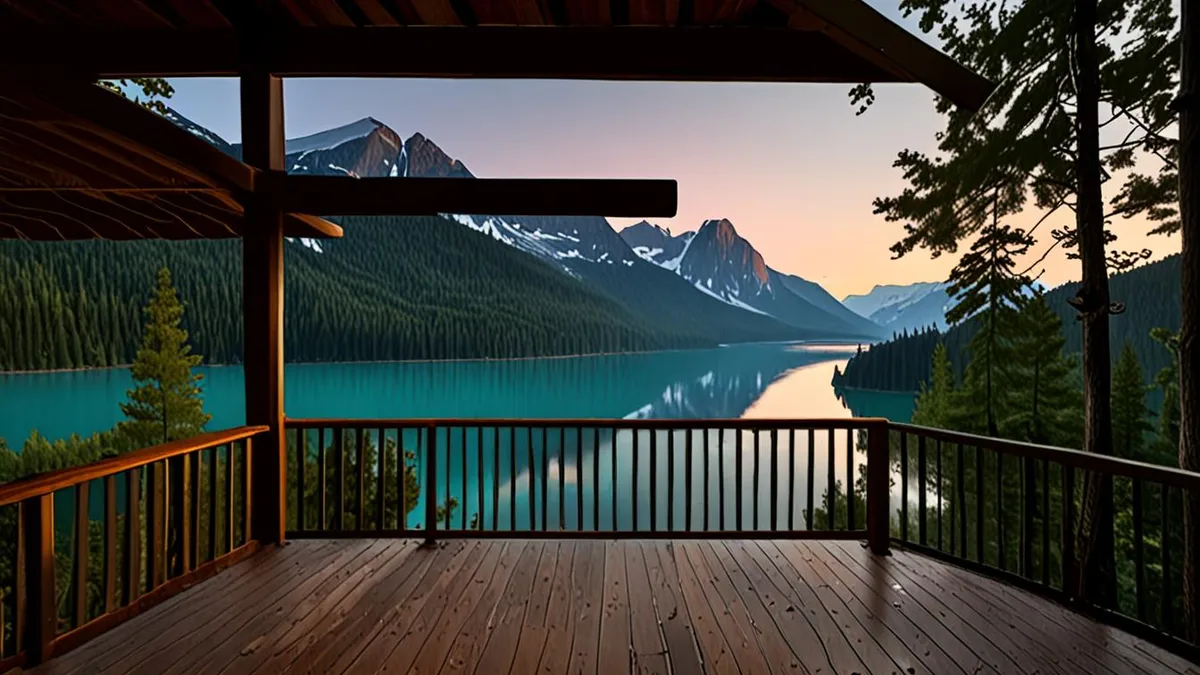
Staying at Lake Louise lets you reach the Lake Louise lakeshore and the Moraine Lake trailheads before the crowds arrive. In summer, parking at these spots fills by early morning, so lodge guests who can walk or take a short shuttle to the trailheads gain hours of quiet trail time. Sunrise light on the Victoria Glacier and the turquoise water is a payoff you simply can’t buy with a day trip.
The trade-offs to accept
Dining and services are limited here. Most lodges have one restaurant, and there’s no town to wander in the evening, so nightlife and variety are essentially zero. If you want options for dinner or a spontaneous shopping stroll, this isn’t your base. Summer rates often match Banff townsite, so you’re paying peak prices for a quiet setting rather than saving money. Winter tells a different story: the area is quieter and cheaper, with the ski hill nearby drawing a different crowd. If early trailheads matter more to you than restaurants, the trade is worth it.
Canmore and the Bow Valley: Value Bases
Canmore sits just outside the park boundary, about 25 km (15 miles) from Banff townsite, which works out to roughly a 25-minute drive along the Trans-Canada. Because the town lies outside Banff National Park, you don’t need a park pass simply to stay there — a real saving if you plan most of your time outside the gate. You’ll still need a pass for any days you drive into the park itself.
The main draw is value. Summer rates in Canmore typically run 20-30% below comparable lodges in Banff townsite, and the difference adds up fast over a week-long trip. You trade some convenience for that discount: dinners in Banff mean a drive back at night, and the town’s dining scene, while solid, is spread out rather than walkable in the way Banff Avenue is.
Canmore also skews toward condo-style lodges with full kitchens, in-unit laundry and separate bedrooms. That layout suits families and travelers staying five nights or more, where eating every meal out gets tiring and expensive. If you’re weighing a kitchen-equipped condo against a traditional room, it helps to understand how the two stay types differ — this lodge versus hotel comparison breaks down what each one actually gives you.
Castle Junction and the Highway 1A lodges
For a quieter base, look at lodges along the Bow Valley Parkway (Highway 1A) and around Castle Junction, between Banff and Lake Louise. These spots trade restaurants, shops and walkability for forest settings, river access and far fewer neighbors. They work best for travelers with a car who want seclusion and early trail access over amenities — check dining options before booking, since many are limited or seasonal.
Seasons and Prices: When Lodge Rates Near Banff Change
Lodge rates near Banff swing more by season than by lodge quality, so timing your booking matters as much as picking the right area. Peak season runs June through September, when summer rates typically hit CAD 300-600 per night and the most desirable rooms sell out first. Winter ski season, December through March, brings rates down to roughly CAD 200-400 per night, with the deepest discounts usually outside the holiday weeks. Keep in mind that holiday periods around Christmas and New Year can price closer to summer levels, so check those dates separately before assuming winter means bargains across the board.
Shoulder months are the sweet spot for flexible travelers. May, October and early November combine thinner crowds with noticeably lower rates, though some smaller lodges and seasonal restaurants reduce hours or close during these windows. If you want a fuller picture of how booking timing shapes what you pay, this guide to when to book lodge stays covers the patterns in more detail.
- Reserve summer stays well ahead — lodges with the best locations along Banff Avenue and near Lake Louise release their calendars early, and the best-value room categories go first.
- July and August rooms often sell out 3+ months in advance, so a last-minute summer trip usually means leftover rooms at peak prices or a base in Canmore instead.
- Winter bookings are more forgiving — ski-season lodges in Banff and Canmore often have availability closer to your dates, especially midweek.
- Shoulder-season stays reward spontaneity, but confirm that your chosen lodge and its restaurant are actually open in May and November before committing.
How to Pick Your Banff Lodge Area
Each of the three main base areas solves a different problem, so the fastest way to choose is to rank what matters most on your trip. Work through these steps in order and one area will usually stand out clearly. It takes ten minutes with a notepad, and it saves you from booking a lodge that looks great online but sits an hour’s drive from the trails you actually came to hike.
- Start with your priorities. If dining choice, walkability and stepping onto a tour bus without driving matter most, Banff townsite is your answer — nothing else in the corridor matches it on foot. Remember that a park pass is required for driving there, since the townsite sits inside the national park.
- Weigh trailhead access against restaurants. If being first on the trail at Lake Louise or Moraine Lake matters more than dinner options, choose Lake Louise, accepting that most lodges have a single restaurant and services are thin. Parking at the lake itself fills by early morning in summer, so staying close or using the shuttles that connect Banff and Lake Louise makes a real difference.
- Factor in budget and trip length. If you’re watching costs, want more space, or are staying a week or longer, Canmore’s condo-style lodges with kitchens typically cost less than Banff townsite in summer, and the roughly 25-minute drive to Banff is an easy commute.
- Match the area to your season. Winter skiers are usually better placed in Banff or Canmore for lift access and après-ski options, while summer hikers who want dawn starts on the big trails get the most from Lake Louise.
Once you’ve matched your priorities and season to an area, check actual rates for your dates — the gap between areas can shrink or widen depending on when you travel. Booking early enough for your chosen season is the final piece, and it matters more in summer than anywhere else in the Canadian Rockies. Lock in your room before the calendar fills, then spend the months before your trip planning hikes instead of hunting for last-minute lodging at inflated prices.
Wrapping Up Your Banff Lodge Choice
Choosing between Banff townsite, Lake Louise and Canmore comes down to what you trade away. Banff townsite gives you the most dining, shops and walkability, but it carries the highest summer rates, typically CAD 300-600 per night. Lake Louise puts you closest to the iconic trailheads for early starts, while Canmore offers the best value and more space, sitting just outside the park gate.
Timing shapes the decision too. Peak season runs June to September, and summer stays usually need reserving 4-6 months ahead. The busiest midsummer weeks get snapped up especially early, so your preferred area may depend on how far in advance you can commit. If restaurants and tour access come first, base yourself in Banff townsite; if sunrise trailheads matter more, choose Lake Louise; if budget or a longer stay is the priority, Canmore wins. Whichever area fits your trip, we’d love to hear how your Banff lodge choice worked out—leave a comment or share this article.