You’ve found a safari tent with a wood stove, a yurt under dark skies, or a cabin by a creek, and now comes the question that can make or break the trip: can your dog come? Pet-friendly glamping does exist, but policies are often buried in listing fine print or left out entirely, and assumptions can lead to canceled bookings or turned-away dogs at the gate.
This guide walks you through what to expect. We’ll cover the short answer on whether glamping sites allow pets, how to check a specific property’s policy, the questions worth asking a host before you pay, the best time to book a dog-allowed unit, what the trip typically costs, and what to pack for your dog. By the end, you’ll know exactly how to confirm a site’s pet policy and set up a getaway that works for both of you.
Are Glamping Sites Pet-Friendly? The Short Answer
The short answer is yes, some glamping sites welcome dogs, but pet policies vary widely from one property to the next, and sometimes from one unit to the next on the same property. A site might allow dogs in its canvas cabins but not in its luxury domes, so never assume the whole property shares one rule.
Which accommodations are most likely to allow pets
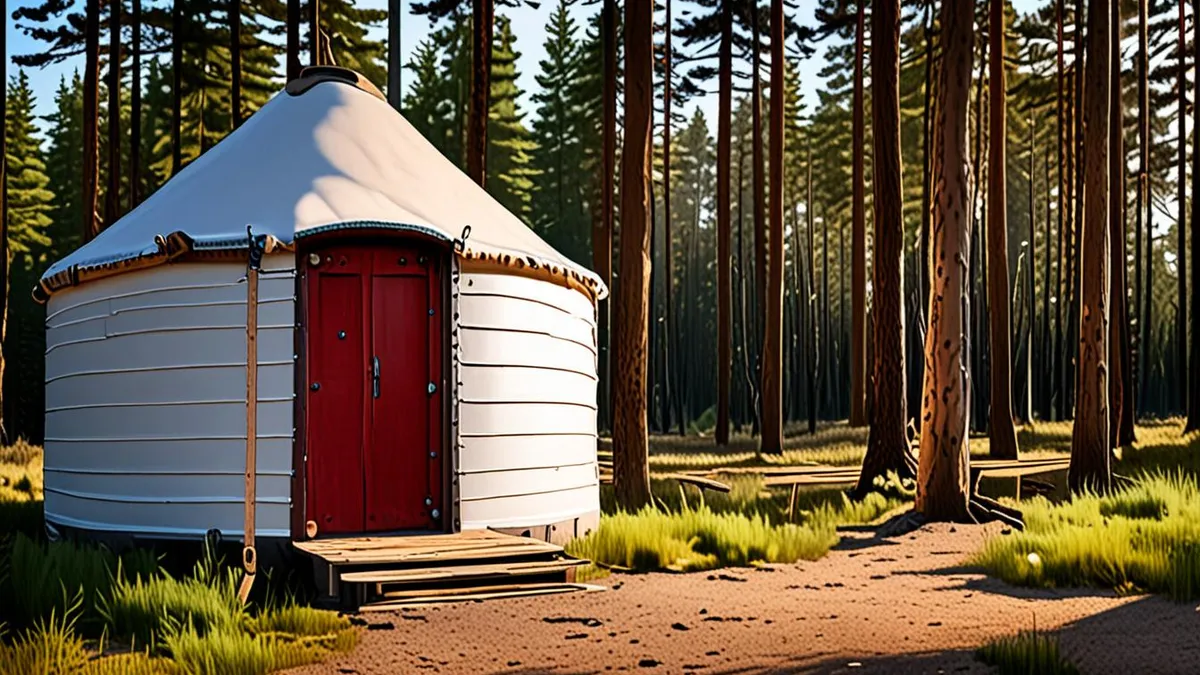
As a general pattern, pet-friendly glamping is more common at safari tents, cabins and yurts than at domes or treehouses. Domes and elevated treehouses often have delicate flooring, fabric walls or stair access that hosts prefer to keep pet-free, while sturdier units are easier to clean and repair.
Cost and limits matter too. Many sites charge a pet fee, typically $25 to $75 per stay, and cap the number of dogs at one or two per booking. Some also set weight limits or require dogs to be leashed and crated in certain situations. The bottom line: pet-friendly glamping is real and increasingly common, but the details live in each listing, so confirm before you book rather than after.
How to Check If a Glamping Site Allows Pets
Finding a glamping site that actually allows dogs takes a few minutes of digging, but the process is straightforward once you know where to look. Pet-friendly listings exist on most major platforms, yet policies vary so much from one property to the next that a quick filter search is rarely enough on its own. Some hosts welcome dogs enthusiastically and provide bowls, beds and fenced yards, while others allow pets reluctantly and pile on restrictions. Taking the time to verify the details before you pay can save you from a canceled booking or an awkward arrival with a dog in the back seat. Here’s how to check a property’s policy before you commit any money.
- Filter for “pets allowed” on booking platforms. Most glamping and vacation rental platforms let you filter search results for pets. This narrows the field quickly, but treat the filter as a starting point, not a guarantee, since listings can be outdated or incomplete. If the filter returns few results in your area, try searching nearby towns or adjusting your dates.
- Read the listing’s fine print. Look for weight limits, which commonly fall between 50 and 80 pounds, along with any notes about breed restrictions, extra cleaning rules or designated pet-friendly units. Pay attention to phrases like “case by case” or “upon approval,” which signal you’ll need to ask first. If the listing is silent on pets, that usually means no, not yes.
- Email the host with specific questions. Ask how many dogs are allowed, what the pet fee is, whether there are off-leash areas, and whether the unit itself is truly pet-proofed for accidents and scratched floors. A host who answers quickly and clearly is usually a good sign of how the whole stay will go.
- Confirm in writing before paying. Get the host’s answers in the platform’s messaging system so the agreed policy is on record if anything is disputed later. A screenshot of the conversation doesn’t hurt either.
Once you’ve confirmed a site allows dogs, the next step is understanding the full price, since pet fees sit on top of the nightly rate and can meaningfully change the total for a longer stay. A clear breakdown of what different stay types cost can help you compare options; see this guide to how much glamping costs by stay type for the details. With the policy confirmed and the budget clear, you can book with confidence and start planning the fun part of the trip.
Questions to Ask Before Booking Pet-Friendly Glamping
A “yes, we take dogs” from a host is only the beginning. The details of how pets are handled on site determine whether the trip is relaxing or stressful, so ask a few pointed questions before you book.
Start with containment: ask if there is a fenced area or another safe space to leave your dog, and whether crating is required when you’re out exploring. Many hosts do require dogs to be crated if left alone in the unit, and you’ll want to know that before deciding whether to bring a crate. Next, confirm exactly which unit you’ll get. Some sites only allow pets in specific tents or yurts, and a booking that doesn’t specify the unit could land you in a pet-free one.
It’s also smart to ask about the surroundings, since glamping sites are often rural and full of distractions your dog isn’t used to. Useful questions include:
- Where is the nearest vet clinic? Ask for the name and approximate distance, so you’re not searching for emergency care in an unfamiliar area if something happens.
- Is there wildlife or livestock on or near the property? Deer, cattle, horses or even snakes can trigger a dog’s chase instinct, and a fence that holds at home may not hold here.
- Are other dogs present, either guests’ or the host’s? A resident dog that roams freely can be a problem for a reactive pet, so it’s better to know in advance.
Getting clear answers to these questions takes one email, and it can save you from a booking that looks perfect on paper but doesn’t work for your dog in practice.
When to Book: Timing Your Pet-Friendly Glamping Trip
Pet-friendly glamping units are usually a small slice of a site’s total inventory. Even at a property that welcomes dogs, only a few tents, yurts or cabins may be designated pet-friendly, so those units disappear faster than the rest. For summer stays, aim to book 2 to 3 months ahead.
This matters most in peak season, which runs roughly June to August. Dog-allowed units often sell out first because pet owners are competing for the same handful of spots. If your dates are flexible, you’ll have a much easier time finding something that fits both your calendar and your dog.
Why shoulder season works in your favor
Shoulder season is May and September to October, and it’s the sweet spot for traveling with a dog. Availability is better, rates are typically lower, and the milder temperatures are easier on a dog spending time outdoors. A husky in July heat is miserable; the same dog in late September is usually happy all day.
If you’re new to this style of travel, it helps to read up on how to plan your first glamping trip before locking in dates. Then check the site’s cancellation terms, since plans can change quickly when a dog is involved.
What Pet-Friendly Glamping Costs
The nightly rate for a glamping stay generally runs $100 to $400 per night before any pet charges. Where you land in that range depends mostly on the accommodation type: a simple safari tent or yurt sits at the lower end, while a large luxury tent with a private bathroom, kitchenette and a deck pushes toward the top. Location plays a role too, with properties near popular national parks or coastlines commanding higher rates.
How pet fees fit in
Beyond the nightly rate, most hosts add an extra charge for dogs, and this is where budgets can quietly grow. Some properties charge per animal rather than per booking, so traveling with two dogs can effectively double that extra cost. Ask upfront whether the charge is a flat rate for the whole stay or calculated per dog, because it changes the math noticeably.
It also pays to compare how different sites handle pet charges before you commit. Some hosts waive them entirely during shoulder season, and others drop them for single-night stays to fill gaps in their calendar. A site with a slightly higher nightly rate but no dog charge can end up cheaper overall than a bargain listing that tacks on fees at checkout. Whatever the arrangement, confirm the total in writing before you pay so there are no surprises at arrival.
What to Pack for Glamping With Your Dog
Packing for a glamping trip with a dog overlaps a lot with packing for the trip itself, but a few items are specific to traveling with a four-legged guest. The big one is containment: since most hosts expect dogs to stay in a crate when left by themselves, and canvas walls plus a zip door won’t hold an anxious dog, bring a portable crate or a mat your dog already knows. A familiar-smelling blanket inside helps the space feel safe from the first night.
Think about the ground situation too. Many campsites have no fenced area, so a long line or stake-out gives your dog room to move without wandering toward neighboring tents. And expect mud. Even a short rain shower can turn a tent path into a paw-print factory, so towels live by the door for the whole stay. For everything else that belongs in the bag, a full glamping packing checklist covers the human side of the equation.
Beyond the gear, carry a small paper folder with the essentials:
- Vaccination records: some hosts ask to see proof of rabies vaccination at check-in, and you’ll need them if a trail injury requires an urgent vet visit.
- A recent photo of your dog: taken within the last few weeks, showing markings clearly, in case you’re separated on trails and need to describe or post about your dog.
- Your vet’s contact details written down: phone signal can be patchy at remote sites, and a paper copy saves you from relying on a dead phone battery.
- A basic paw-care kit: dog booties or paw balm for hot decks and rough gravel, plus tweezers for removing thorns or ticks after walks.
- Waste bags and a leash: keeping your dog leashed on site is standard etiquette, and leaving no trace matters as much in a tent field as on a hiking trail.
Wrapping Up Your Pet-Friendly Glamping Search
So, are glamping sites pet-friendly? Yes, plenty of them are, but the answer always depends on the specific site, the specific unit and even the season. Because rules can be tucked away in the details of each listing, the only reliable move is to confirm directly with the host before you pay a deposit.
Once you’ve found a site that welcomes dogs, book early. Dog-allowed units are limited, so aim to reserve 2 to 3 months ahead, or target May or September to October for better availability and lower rates. Budget for the nightly rate plus a pet fee of $25 to $75 per stay, and pack for containment, muddy paws and trail safety. If you’ve been glamping with your dog, share your experience in the comments or pass this article along to a fellow traveler.