Choosing between Tanzania and Kenya for a safari is a genuine dilemma, especially when you start comparing lodges and can’t tell how the experience actually differs on the ground. Both countries deliver world-class wildlife viewing, but the way their lodges are positioned, priced and paced is surprisingly different, and that difference shapes your whole trip.
This guide breaks down the Tanzania vs Kenya safari lodges question in practical terms: how the lodge landscapes differ at their core, which country shines in which season, what styles and price tiers you can expect, how transfers and trip length play in, where crowds and conservancies change the experience, and how far ahead you should book. By the end, you should know whether your trip points toward the Serengeti or the Masai Mara.
Tanzania vs Kenya Safari Lodges: The Core Difference
The fundamental difference comes down to geography and scale. Tanzania’s safari lodges cluster around two enormous anchors: the Serengeti, one of the largest intact ecosystems on earth, and the Ngorongoro Conservation Area with its wildlife-packed crater. Because these areas are so vast, lodges tend to be remote and immersion-focused. Many are small tented camps set deep in the bush, reached by long drives or light aircraft, where the point is feeling surrounded by wilderness rather than ticking off sights quickly.
Kenya’s lodge map is more compact. The Masai Mara is a single, manageable reserve, and Laikipia’s private conservancies sit a reasonable drive north of it. Lodges there are often closer together, which makes it easy to combine two or three properties in one trip without exhausting travel days.
Which country fits your itinerary style?
Tanzania rewards park-hopping. A classic northern circuit moves you from Arusha to Ngorongoro and onward into different corners of the Serengeti, so the country works best when you have a week or more to give it. Kenya suits shorter, single-park trips: you can base yourself in or near the Masai Mara, settle into one or two lodges, and spend your days on game drives instead of on the road. If your dates are tight, Kenya’s compactness is a real advantage; if you have the time, Tanzania’s scale is the payoff.
Wildlife Seasons and When Each Country Shines
Wildlife timing is where these two countries genuinely diverge, and it should influence which lodges you book. The Great Migration doesn’t stay in one place, so the best month for your trip depends on which side of the border the herds are on.
Migration season on each side of the border
The dramatic river crossings, where wildebeest and zebra brave crocodile-filled waters, typically happen in the northern Serengeti from July to September. Lodges in that region are positioned specifically for these crossings, and staying at one during peak months puts you close to the action. Note that the crossings are a natural event, so exact timing shifts year to year and no lodge can promise them on a given date.
The Masai Mara hosts the migration herds roughly from July to October, when the animals spill over the border into Kenya. This is also when predator viewing is at its most reliable, with lions, leopards and cheetahs following the abundant prey. Camps in the Mara are built around this window, and game drives during these months rarely feel quiet.
Why Kenya’s shoulder months deserve a look
Outside migration season, Kenya still performs. From January to March, the country offers dry conditions and noticeably less crowded game drives, with resident wildlife that never leaves the reserves. Lodges drop their peak-season energy and prices, and you get a more relaxed experience. Tanzania’s highlights are more tightly tied to the migration calendar, so if you’re traveling in the shoulder months, Kenya often gives you more for your money.
Lodge Styles and Tiers in Each Country
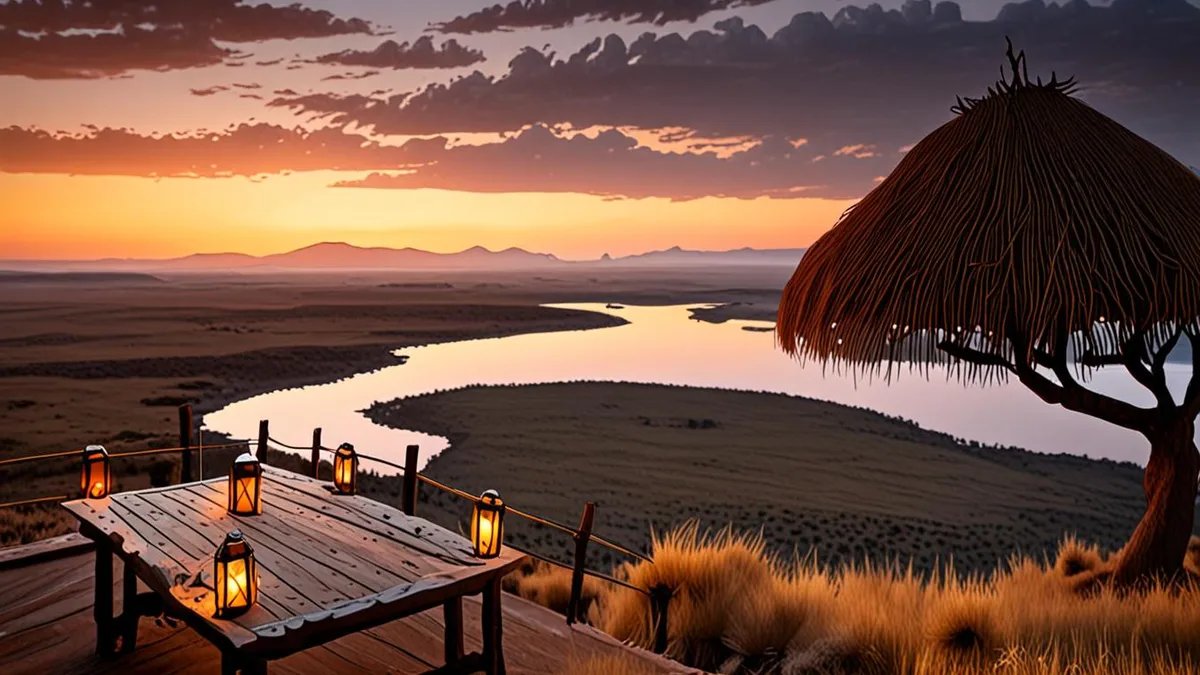
The two countries have developed noticeably different lodge cultures. Tanzania leans heavily toward tented camps, and in the Serengeti you’ll also find mobile camps that physically relocate a few times a year to stay near the migrating herds. These camps are typically small, intimate and focused on the bush experience itself rather than resort-style amenities.
Kenya offers more variety in style. Alongside classic brick-and-thatch lodges, many with swimming pools and family-friendly layouts, the private conservancies around the Masai Mara host small camps that come with a key perk: off-road driving is permitted, so guides can follow animals across open ground rather than sticking to tracks.
Price-wise, both countries cover the full spectrum. Budget lodges start around $150-250 per person per night, mid-range options typically run $300-600, and luxury properties start above $800. The catch is that Tanzania’s Serengeti skews expensive, especially for remote and mobile camps, so the same tier often costs more there than in Kenya.
If you’re unsure what each tier actually buys you, it helps to read a breakdown of what budget, mid-range and luxury safari lodges really include before comparing rates.
- Mobile camps in Tanzania shift location with the herds, so booking one means checking which site it occupies during your travel months, not just the camp name.
- Conservancy camps in Kenya usually bundle guided walks, night drives and off-road game viewing into the stay, perks that reserve-based lodges generally can’t offer.
- Brick-and-thatch lodges in Kenya often suit families better, with solid walls, larger common areas and more standardized rooms than canvas tents.
Getting There: Transfers and Trip Length
The practical difference between the two countries becomes obvious the moment you look at a map. Kenya’s Masai Mara sits roughly 5-6 hours by road from Nairobi, or you can skip the drive entirely with a short domestic flight to one of the Mara’s airstrips. That accessibility makes it easy to land in Nairobi in the morning and be watching elephants by late afternoon.
Tanzania is a different story. The northern circuit stretches from Arusha through Ngorongoro to the Serengeti, and road transfers between these parks often run 6-8 hours. Flying between airstrips saves time but adds cost, and even then you’re covering serious distances. You rarely “pop over” to the Serengeti; you commit to it.
Matching trip length to distance
This is why short trips work better in Kenya. A 4-5 night itinerary gives you enough time to settle into one or two Mara-area lodges without losing half your days to transfers. Tanzania rewards patience: a 7-10 night itinerary lets you move from Ngorongoro’s rim to central Serengeti and, in season, up to the northern river-crossing areas without feeling rushed.
If you only have a long weekend or a single week of leave, Kenya’s compact layout will stretch your actual game-viewing time. If you can block out ten nights, Tanzania’s longer legs pay off with a more varied, park-hopping journey.
Crowds, Conservancies and the Lodge Experience
How crowded a game drive feels depends less on the country and more on where your lodge sits. Kenya’s private conservancies bordering the Masai Mara are the standout option for exclusivity: they cap the number of vehicles at sightings, and many allow night drives and off-road driving, which the main reserve does not. Staying in a conservancy means your morning lion sighting might be shared with one other vehicle instead of a dozen.
Tanzania takes a different route to the same result. The Serengeti is simply enormous, so a remote camp in its central or northern reaches can feel uncrowded even during peak migration months. You trade convenience for space, but the payoff is long stretches of savanna with barely another lodge in sight.
Ngorongoro is the exception. Lodges on the crater rim offer arguably the most reliable dense wildlife viewing in either country, but the crater floor is a shared space, and popular sightings draw more vehicles. If you want a sense of what the daily rhythm at these properties looks like, this overview of safari lodge facilities and the daily routine covers what to expect from morning game drives to evening meals.
Budgeting and Booking Lead Times
Safari lodges in both countries price themselves around seasons, and the differences between Tanzania and Kenya show up clearly in the numbers. For peak July-September stays, plan to book 9-12 months ahead. The best-positioned camps, especially those near the migration routes, fill their rooms first, and late bookers are left with the remaining options at full price.
Tanzania’s luxury tier is the most expensive in East Africa. During migration season, high-end Serengeti camps often charge $800-1,200 or more per person per night, reflecting their remote locations, small room counts and all-inclusive service. Mid-range and budget options exist, but the Serengeti as a whole skews pricier than comparable Kenyan properties.
Where Kenya wins on value
Kenya offers more value in the shoulder months. Outside the migration window, mid-range lodges commonly run $300-600 per person per night, and game viewing remains strong, particularly in the January-March dry period. Conservancy camps also bundle activities like night drives into their rates, which stretches a budget further.
If you want a fuller breakdown of how seasons shift prices in both countries, this guide to when to book lodge stays and how seasons affect prices explains the patterns in detail. The short version: book early for July-September anywhere, and consider the shoulder months if your dates are flexible.
Which Country Should You Choose?
So, which one wins? If you have four or five nights and want an easy, value-focused safari, Kenya is the natural pick. Its compact parks, conservancy camps and lower shoulder-season prices make a shorter trip feel complete. If you can spare seven to ten nights, Tanzania rewards the extra time with the Serengeti’s sheer scale, mobile camps that follow the migration, and longer park-hopping itineraries.
The reassuring part is that neither choice is wrong. Both countries deliver excellent lodges across every budget tier, and the real decision comes down to trip length, season and budget rather than quality. Once you know how many nights you have and when you want to travel, the right country usually becomes obvious. If this helped you decide, leave a comment or share the article with a fellow safari planner.