Norway’s fjords stretch across hundreds of kilometers, and the experience changes dramatically depending on where you stay and when you go. That’s exactly why Norwegian fjord lodge stays can feel overwhelming to plan: pick the wrong area or the wrong month, and you might find crowds instead of calm, or rain where you hoped for northern lights. The good news is that a little planning goes a long way.
This guide breaks the decision down step by step. We’ll compare west Norway with northern Norway, walk through the seasons from high summer to the shoulder months of May and September, and explain what to expect at different lodge tiers. You’ll also find practical advice on booking timing and prices, getting there and around each area, packing for fjord weather, and pulling it all into a workable plan. By the end, you should know exactly which corner of the fjords fits your trip.
Choosing Your Fjord Area: West Norway vs Northern Norway
Your first big decision is geography. The western fjords — Geiranger, Sognefjord and Hardanger — are the postcard images most people picture: sheer rock walls, waterfalls tumbling into green water, and small villages clinging to the shoreline. They also have a practical advantage. Bergen is the main gateway, and most western fjord areas sit roughly 2-3 hours’ drive away, which means you can land in the morning and be watching the water from your lodge terrace by late afternoon.
Northern Norway plays a different game. Around Lofoten and Tromsø, the landscape trades towering cliffs for dramatic peaks, Arctic beaches and fishing villages. This is where you go for light phenomena: midnight sun in Lofoten runs roughly late May to late July, and the northern lights season runs September to March, peaking around October and February. The trade-off is logistics — these areas require domestic flights from Oslo, so budget extra travel time and cost.
Avoiding the crowds without losing the drama
Geiranger and Flåm are the busiest fjord villages in the country, and in summer the cruise-ship days can transform them for a few hours at a time. If you want the same dramatic scenery with more calm, look at Hardanger and Sognefjord instead. Both offer steep hillsides, orchards and long stretches of quiet water, with lodge options that often feel more local and relaxed.
Match the area to your trip goal
A simple rule works well here. If your priority is hiking, fjord cruises and classic scenery, choose the west. If your priority is the midnight sun or aurora, choose the north and accept the flights. Trying to do both in one short trip usually means more time in transit than on the water, so pick one region and give it your full stay.
Season by Season: When Norwegian Fjord Lodge Stays Shine
Timing shapes almost everything about a fjord lodge stay in Norway. The high season runs from mid-June to mid-August, when the days stretch nearly endless, every ferry and hiking trail is open, and lodges charge their highest rates. If you want the full summer experience with maximum flexibility for excursions, this is the window to aim for, provided you book well ahead.
May and September are the sweet spot for many travelers. The weather is still generally reliable, the crowds thin out dramatically, and lodge rates drop compared to peak summer. Early autumn also brings crisp air and colorful hillsides around the western fjords, which makes September especially photogenic.
From October to April, the picture changes completely. Aurora seekers should head north, where the northern lights season runs through March and peaks around October and February. Many lodges in the western fjord villages close for the winter, so winter stays work best around Lofoten and Tromsø rather than in the classic western fjord areas.
- During high summer, daylight can last nearly around the clock in the north, letting you hike or kayak late into the evening without rushing back.
- In September, ferry schedules may be slightly reduced compared to July, so double-check departure times if your plans depend on boat crossings.
- Shoulder-season lodge stays often come with more personal service, since owners have more time to help plan hikes and recommend local spots.
- Aurora viewing works best from lodges away from town lights, so ask about light pollution around the property before booking a northern winter stay.
For a deeper breakdown of how rates and availability shift through the year, see this guide to seasonal pricing and booking windows for lodge stays.
Lodge Types and What to Expect at Each Tier
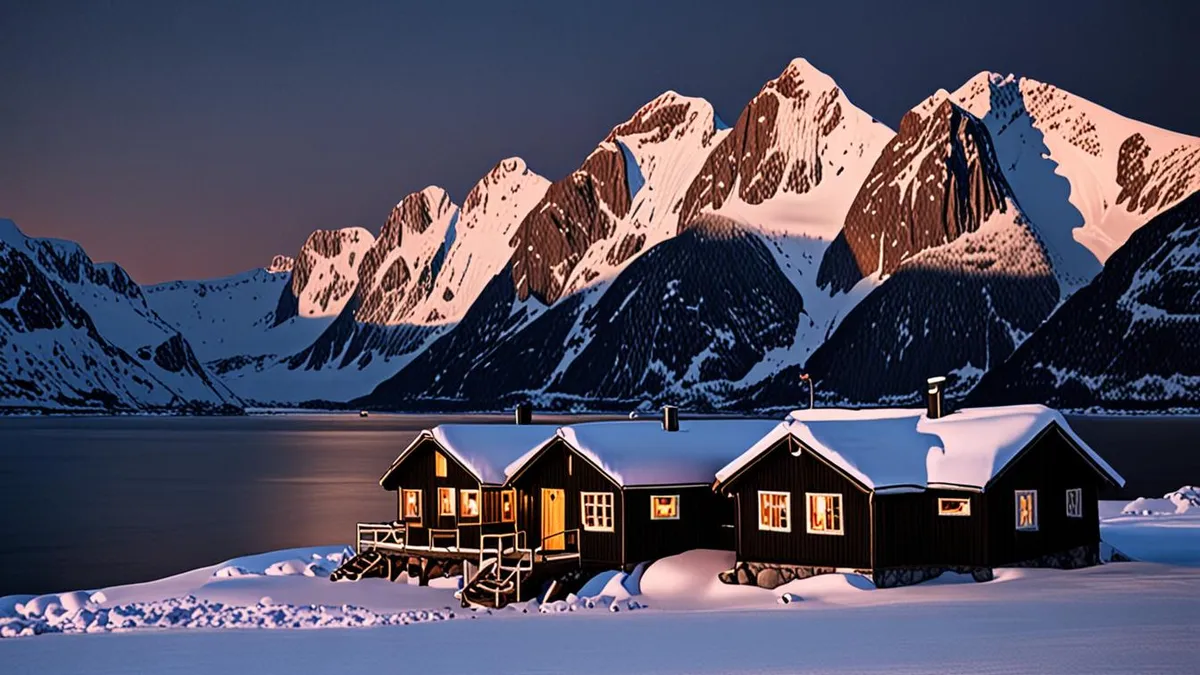
Norwegian fjord lodges come in three rough tiers, and knowing what each level of the price ladder buys you makes comparing options much easier. The difference between tiers is not just room size — it usually comes down to meals, views, and how much of your trip the lodge can organize for you.
At the bottom of the range, budget guesthouse-style lodges typically start around NOK 1,500 per night. These are often family-run places with simple rooms, and many share a guest kitchen so you can cook your own dinners, which matters in small villages where restaurant options are limited. Expect basic furnishings, possibly a shared bathroom, and a location that may be a short walk or drive from the water rather than right on it.
Mid-range lodges, generally around NOK 2,000-3,000 per night, are where fjord stays start feeling special. Breakfast is usually included, and many properties at this level sit close enough to the water that you can watch ferries cross the fjord from the breakfast table. Rooms are private and comfortable, though not lavish.
Luxury lodges above NOK 4,000 per night add real extras: multi-course dinners built around local fish and produce, saunas or hot tubs for post-hike evenings, and guided excursions such as kayaking or boat trips arranged directly by the lodge. At this tier, the lodge often becomes the destination rather than just a base.
Before you book any tier, ask one question: what does “fjord view” actually mean here?
- Direct waterfront: the lodge sits at the water’s edge, and rooms look straight across the fjord — you’ll often hear boats and see weather changes up close.
- Hillside outlook: the lodge is set above the fjord, sometimes several hundred meters up a slope; views can be more panoramic, but you may drive a winding road to reach the water.
- Partial or angled views: some “fjord view” rooms only catch the water from a corner window or balcony — worth confirming with the lodge before paying a premium.
- Room-level differences: at lodges with mixed room types, only certain categories face the water, so check photos of your specific room, not just the property.
Booking Timing and Prices for Norwegian Fjord Lodge Stays
Timing is the single biggest lever on both price and availability at Norwegian fjord lodges. The waterfront rooms everyone wants — especially in Geiranger and along the Lofoten shoreline — are limited in number, and they sell out first. For a stay in the high season from mid-June to mid-August, plan to reserve 4-6 months ahead. If you wait until spring, you will usually be choosing between leftovers or paying premium rates.
Shoulder season gives you more room to maneuver
May and September are far more forgiving. A 2-3 month lead time is typically enough to find good availability, including rooms with a view that would have been gone months earlier in July. The savings are real too: expect roughly 30-50% lower rates in these shoulder months compared to peak summer. That difference can be the deciding factor between a simple room and a lodge with a private terrace over the water.
Small print to watch before you pay
Small, family-run lodges often apply minimum-stay rules during July, sometimes requiring two or three nights over the busiest weeks. This is rarely a problem if you planned a longer stay, but it can upend a one-night stop on a road trip. Check the cancellation terms as well, since fjord-area lodges frequently require payment well in advance for summer dates. If your dates are flexible, booking a Sunday or Monday arrival instead of a Friday can also open up options at popular properties.
Getting There and Getting Around Each Area
Getting to your lodge shapes the whole trip, so it deserves as much planning as the booking itself. In western Norway, Bergen is the main gateway, and most of the classic fjord areas sit roughly 2-3 hours’ drive away. That makes a western itinerary easy to combine: fly into Bergen, pick up a car, and be at a Hardanger or Sognefjord lodge the same day.
Reaching the north
Northern Norway is a different story. Lofoten and the Tromsø area require domestic flights from Oslo, typically around 1.5-2 hours, and from there you continue by rental car or local transfer. Factor in connection times when comparing a northern trip with a western one — a “short” flight can still consume most of a travel day once you add airport transfers on both ends.
Ferries, roads and daily rhythm
Ferries and scenic roads define how your days actually unfold in fjord country. A crossing can be the highlight of your morning or the reason you miss dinner, so check timetables before you book a remote lodge. Some routes run frequently year-round, while smaller crossings may have limited sailings outside summer. Build your driving plan around the ferry schedule rather than the other way around, and leave buffer time for queues on popular summer routes.
On transport choice: a rental car is near-essential in the west, where lodges, trailheads and viewpoints are spread out and public transport is thin. In northern areas, you can often manage with organized tours, especially for aurora outings out of Tromsø, though a car gives you more freedom around Lofoten.
Packing and Planning Around Fjord Weather
Fjord weather rewards preparation more than almost any other destination detail. Conditions can shift from sunshine to sideways rain within an hour, and that applies in July as much as in October. The rule is simple: layered waterproof clothing is essential in every season, including summer. A waterproof shell, a warm midlayer and quick-drying base layers will serve you far better than one heavy jacket.
If you are heading north for the light, plan around it. The midnight sun in areas like Lofoten lasts roughly from late May to late July, and bedrooms with blackout curtains are not guaranteed at every lodge — a sleep mask is the cheapest fix you can pack. For aurora trips between October and March, bring traction grips for icy paths and genuinely warm layers, since you will be standing still outdoors at night far longer than you expect.
Summer also demands forward planning for activities. Kayaking trips and glacier hikes fill up quickly during the peak weeks, so book excursions in advance rather than hoping for walk-in spots at the lodge. For a fuller rundown of what belongs in your bag, this practical packing checklist for lodge stays covers the essentials in detail.
- Quick-dry socks and a spare set — wet feet end hikes early; rotating two pairs keeps you comfortable across consecutive rainy days.
- Eye mask plus earplugs — midnight sun means bright evenings, and thin lodge walls can add noise on top of the light.
- Insulated gloves and a buff for aurora nights — camera adjustments and long waits outdoors in February cold punish bare hands fast.
- Daypack with a rain cover — ferry crossings and trail days both benefit from keeping one dry layer accessible at all times.
Wrapping Up Your Fjord Lodge Plan
Choosing where to stay on Norway’s fjords comes down to one simple question: what kind of trip do you want? For classic steep cliffs, hiking and cruising with easy access from Bergen, aim for the western fjords. For midnight sun or northern lights, head north to areas like Lofoten or the Tromsø region, where light phenomena are the main draw.
Timing matters just as much as location. May and September offer the best balance of reliable weather, lower rates and fewer crowds, while peak summer brings long daylight and the busiest trails. Book high-season lodges 4-6 months ahead, and 2-3 months for shoulder-season trips, and you will usually land the room you actually wanted. If this helped you plan your own fjord lodge stay, leave a comment or share the article with a fellow traveler.