You know you want a villa holiday in the Mediterranean, but you cannot decide between Crete’s big-island variety and Mallorca’s compact polish. That is exactly the dilemma this Crete vs Mallorca villas guide sets out to solve. Both islands deliver warm seas, excellent food and villas with private pools, yet they suit very different kinds of trips.
In the sections ahead, we compare the two at a glance, look at flights and driving times, and break down where to stay, from Mallorca’s Serra de Tramuntana to Crete’s Chania and Rethymno regions. We also cover beaches, food and activities, how the seasons and weekly prices shape up, and when to book. By the end, you should have a clear answer to one question: which island fits your trip?
Crete vs Mallorca Villas at a Glance
Crete and Mallorca both deliver excellent private-pool villas, but they suit very different kinds of trips. The quickest way to frame the choice is scale: Crete is a big, varied island where each region feels distinct, while Mallorca is compact and easy to cover in a single week.
Crete suits travelers who want more than one holiday in one. It stretches around 260 km from west to east, so the west coast around Chania, the south with its wilder beaches and gorges, and the quieter east each feel like separate destinations. Add ancient sites, mountain villages and long stretches of undeveloped coastline, and you get an island that rewards travelers with time and a sense of adventure. The trade-off is that you cannot see it all from one base, so villa choice matters more.
Mallorca suits travelers who want a smoother, more contained experience. The island is only around 100 km across, infrastructure is polished, and you can pair a morning at a cove beach with an afternoon in a mountain village or a city without long drives. For families and first-time villa renters, that convenience is a genuine draw.
The core trade-off: variety versus convenience
Both islands offer beautiful private-pool villas in comparable price bands, so the decision usually comes down to what you want around the villa. Crete gives you variety and rawer landscapes at the cost of longer drives and more planning. Mallorca gives you short transfers, reliable services and a dense choice of restaurants and beaches, at the cost of a smaller overall spread of things to see. If your ideal week is slow and settled, Mallorca fits naturally. If your ideal trip is a mini road-trip with beaches, history and hiking mixed in, Crete is the stronger match.
Getting There and Getting Around
Mallorca makes arrival day remarkably simple. The island is only around 100 km across, so most villa areas sit within a 45-90 minute drive of Palma airport. You can land at lunchtime, pick up a car and be unpacked by the pool by mid-afternoon, even if your villa is up in the Serra de Tramuntana foothills.
Crete is a different calculation. At around 260 km long east to west, it rewards a bit of planning before you book. Expect 2.5-4 hour drives between major regions, so if you fly into Chania in the west but fall in love with a villa near Elounda in the east, you’ll spend half a day in transit. Pick your base region first, then choose an airport that matches it. Many travelers split a longer stay between west and east rather than commuting.
Do you need a rental car?
In rural Crete, a rental car is essential rather than optional. Villas outside the towns are often a drive from the nearest taverna, minimarket or beach, and taxis can be scarce in the smaller villages. Book your car well before peak summer weeks, as demand is high.
Mallorca’s shorter distances make day trips far less tiring. You can swim in a cala in the southeast, have dinner in Palma and still be home in under two hours of total driving. That said, the narrow roads through the Tramuntana get busy in July and August, so set off early for popular spots. Either way, check your villa’s parking situation before you book, and confirm current rental requirements and driving rules with your operator.
Where to Stay: Regions and Villa Styles
Crete rewards travelers who match their villa to a region. In the west, Chania and Rethymno pair Venetian-era old towns with sandy beaches nearby, so you can walk to tavernas in the evening and still have a poolside morning. Head east and the pace changes: the Lasithi coast around Elounda is quieter, more polished and known for upscale villa areas aimed at couples and luxury seekers.
Mallorca splits differently. The foothills of the Serra de Tramuntana around Deià and Sóller deliver the island’s signature mountain-and-sea setting, with terraced slopes dropping toward rocky coves. The southeast, by contrast, is all about calmer water and a slower rhythm, with villa areas closer to gentle cove beaches.
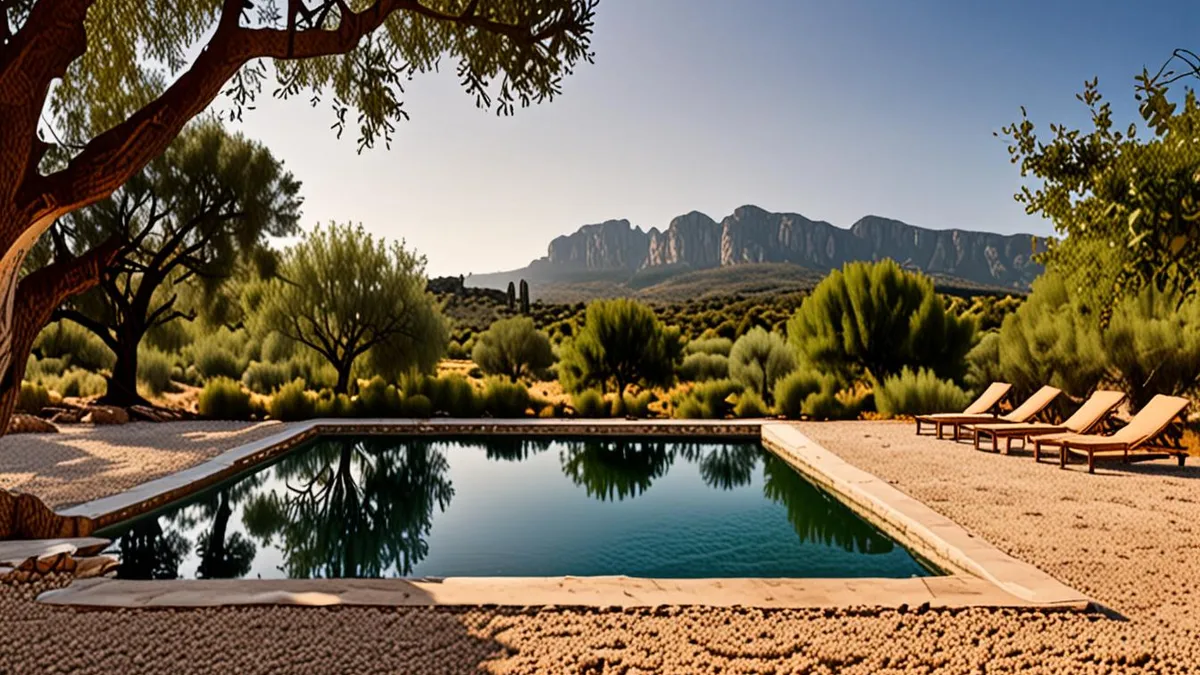
Villa styles differ too. Cretan villas tend to be modern, glass-heavy designs built to show off long sea views, often with infinity pools. Mallorca offers both contemporary estates and the island’s classic rustic stone fincas, with thick walls, beamed ceilings and shaded courtyards.
- Chania and Rethymno work well if you want to stroll out for dinner rather than drive every night, since both have walkable historic centers.
- Elounda and the Lasithi coast suit honeymooners and spa-focused stays, with many villas positioned for sunset views over Mirabello Bay.
- Deià and Sóller appeal to hikers and scenery lovers, with trails into the Tramuntana often reachable from the villa doorstep.
- The southeast, around areas like Santanyí, favors families wanting shorter drives to shallow, swimmable coves.
- Stone fincas in Mallorca’s interior plains offer the most privacy and space, though you trade immediate sea access for countryside quiet.
Beaches, Food and Things to Do
Crete plays the long game. The island’s headline sights are spread out, so plan day trips rather than expecting to tick things off from your villa doorstep. Knossos, near Heraklion, is the essential Minoan site, while the Samaria Gorge offers one of Europe’s most dramatic walks through a limestone canyon. On the south coast, long stretches of sand like those around the island’s southern shore feel far removed from package-tour territory, especially outside July and August.
Mallorca compresses the same kind of variety into a smaller map. The island’s north and east coasts are dotted with cove beaches, many backed by pine trees and reachable on foot. The Tramuntana coastal road between the western villages is one of the most scenic drives in the Mediterranean, and Palma’s old town rewards a half day of wandering between the cathedral, plazas and tapas bars. Add a dense calendar of restaurants and weekly markets, and you rarely run out of plans within an hour of your villa.
How the food compares
The kitchens differ in character more than quality. Cretan cuisine leans on olive oil, seafood and mountain herbs; expect simple grilled fish, salads dressed generously, and dishes built around what grows on the hillsides. Mallorca pairs Spanish classics with a genuinely strong fine-dining scene, so you can move from a rustic lunch to a polished tasting menu within the same week. Both islands reward travelers who book a few dinners ahead in peak season.
Seasons, Prices and Booking Lead Times
Both islands run villa seasons from roughly April to October, and the timing of your trip matters more than you might expect. The best swimming sea arrives from late May to early October on either island, so early-season bookings trade warmer weather for lower prices and emptier roads. Crete’s season stretches across its long coastline, while Mallorca peaks firmly in July and August.
Prices follow the calendar. Peak July and August weeks in popular areas commonly cost €2,000-€10,000+ per week depending on size, view and location, with the top end reserved for large sea-view properties in the classic hotspots. The shoulder months of May, June, September and October can cut that noticeably, sometimes by a third or more, while also giving you beaches and restaurants with room to breathe.
When to book
For peak summer weeks in the best villa areas on either island, book 6-9 months ahead. The most sought-after private-pool properties in Mallorca’s Tramuntana foothills and Crete’s Chania and Rethymno regions are often reserved by early spring. If you want a clearer picture of what different weeks actually cost before you commit, this guide to what villa rentals really cost in Europe breaks down the numbers by season and property type.
Which Island Fits Your Trip
The right island depends mostly on how much time you have and how you like to travel. Crete suits a two-week trip or a road-trip style holiday, where you mix beaches, hiking and ancient history and accept longer drives between them. Mallorca suits a one-week trip where you want family ease, short transfers and a polished dining and shopping scene, with everything within a compact radius. Neither is objectively better; the honest answer is that they reward different travel styles, so it pays to be realistic about how much driving you actually enjoy before you book.
Couples often gravitate to Mallorca’s Tramuntana villages or Crete’s Elounda coast, both of which trade space for atmosphere and views. Large groups, on the other hand, get more space per euro in rural Crete, where inland and southern-coast villas offer serious square footage for the price of a modest coastal property elsewhere. If your group includes a mix of ages and energy levels, think carefully about which island matches the slowest member of your party, not the fastest.
- First-time villa renters: Mallorca’s shorter distances mean a wrong turn or a delayed arrival day costs minutes, not half a holiday, which makes it forgiving if you are managing a trip with young children or older relatives.
- Hikers and history lovers: Crete’s combination of gorges, archaeological sites and long south-coast beaches lets you build a genuinely varied itinerary from one or two bases over two weeks.
- Food-focused couples: Mallorca’s Tramuntana villages put you within a short drive of a dense concentration of restaurants and markets, while Elounda on Crete offers a quieter, more resort-polished version of the same romance.
- Big groups on a budget: Rural Crete delivers the largest villas and pools for the money, though you should price in car hire for every driver and longer drives to beaches and sights.
The Bottom Line
So which island should you pick? Crete rewards travelers with time and a car who want variety across a big island: distinct regions, ancient sites and wilder coastlines worth two weeks of exploring. Mallorca rewards travelers who value convenience, short drives and a compact, well-served island that works beautifully in a single week.
Both deliver excellent private-pool villa holidays in the April-to-October season, so there is no wrong answer here, only the better fit for your dates, your group and how much driving you enjoy. If this helped you decide, leave a comment or share the article with your travel companions.