Many travelers book a lodge without giving much thought to how meals are handled, then find themselves surprised on arrival. Some lodges include every meal in the nightly rate, others serve only breakfast and dinner, and a good number expect you to cook for yourself entirely. If you don’t check the dining arrangements before booking, you can end up paying far more than planned or facing a kitchen that barely has a frying pan.
Lodge dining options vary enormously depending on where a lodge sits and who it caters to. A safari camp in the middle of a reserve has no choice but to feed guests in-house, while a cabin near a village might not offer food at all. This article explains why these differences exist, compares full board, half board and self-catering, and walks through what mealtimes actually look like at safari lodges, mountain lodges and self-catering properties. By the end, you’ll know how to match the right meal plan to your trip, your budget and your appetite.
Why Lodge Dining Options Differ So Much
The single biggest factor shaping a lodge’s dining setup is location. A lodge perched hours from the nearest town has no practical option but to run its own kitchen, hire cooks and order supplies in bulk. A lodge on the edge of a town, by contrast, can keep rates lean and simply point guests toward restaurants a short walk away.
Safari lodges are the clearest example of the first model. Camps sit deep inside reserves and national parks, far from any shops or restaurants, so almost all of them include all meals in the rate. Guests often don’t even see a separate food charge because catering is baked into the price of staying there.
Why alpine lodges work differently
Alpine and hiking lodges follow a middle path. Most offer half board, covering breakfast and dinner, because they expect guests to spend the middle of the day out on the trail. Packed lunches fill the gap, ordered the night before and carried in a daypack.
At the other end of the scale, cabin-style and self-catering lodges skip catering entirely. Leaving out a kitchen staff, food supplies and service keeps the nightly rate noticeably lower, which appeals to families and groups happy to cook for themselves. Knowing which model a lodge uses before you book is the first step to avoiding surprise costs.
Full Board, Half Board and Self-Catering Compared
The three main meal plans sound simple, but the details matter when you’re comparing nightly rates. Full board covers breakfast, lunch and dinner and is standard at safari lodges, where it’s typically included in the nightly rate rather than sold separately. Half board covers breakfast and dinner only, and it’s the most common plan at European alpine and mountain lodges, where guests handle their own lunch on the trail. Self-catering gives you a full kitchen and typically cuts the nightly rate by 15-30% versus catered equivalents.
When a European lodge quotes a room-only rate, the catering add-on can change the math significantly. Full board add-ons at European lodges typically cost $30-60 per person per day on top of the room rate, so a week for two people can add several hundred dollars to the bill. If you’re weighing up safari lodges in particular, it helps to understand how meal inclusions differ across price levels, which is covered in detail in this guide to safari lodge tiers from budget to luxury.
- Check whether drinks are included. Full board usually covers food only, so soft drinks, coffee outside breakfast and any alcohol may appear as extras on your final bill.
- Ask what happens on arrival and departure days. Some lodges only serve dinner on check-in day and breakfast on check-out day, which affects whether you need a meal plan for the full stay.
- Compare like with like. A room-only rate plus a $30-60 per person per day full board add-on can easily exceed a lodge that quotes an all-inclusive price upfront.
What Meals Look Like at Safari Lodges
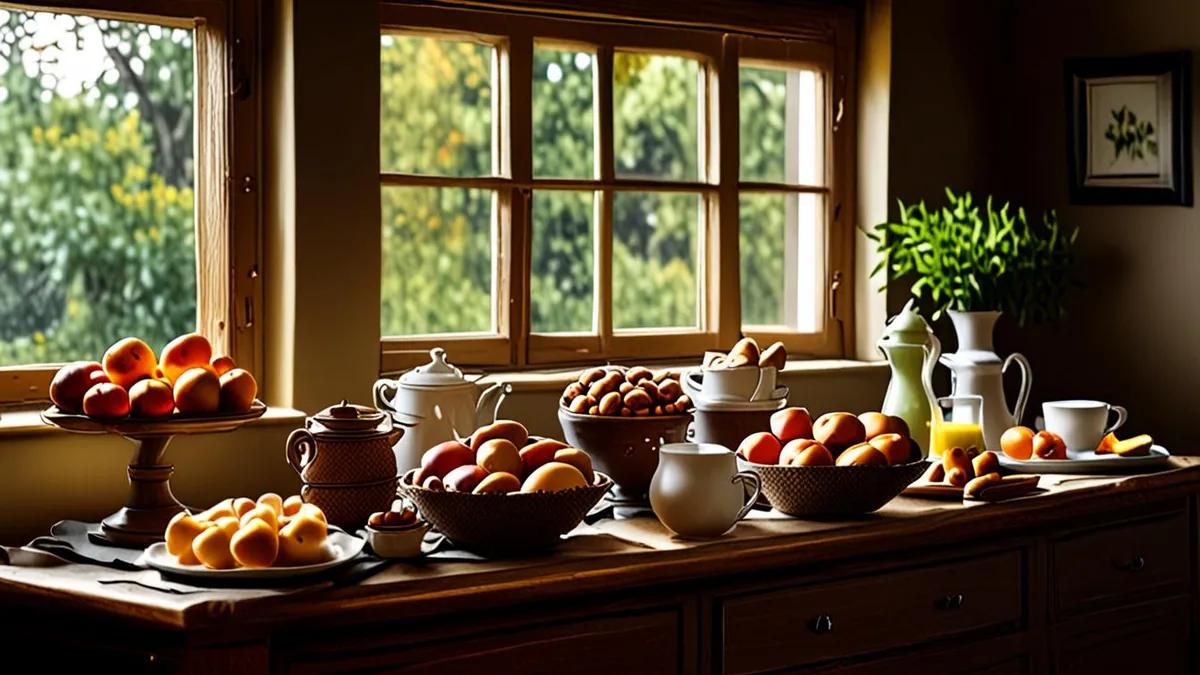
Days at a safari lodge run on a fixed rhythm, and mealtimes are built around game drives. Expect early breakfast before the morning drive, often served just before sunrise so you can be in the vehicle when wildlife is most active. Midday brings either a full lunch or, on some schedules, a generous brunch that merges breakfast and lunch into one sitting. Evenings end with set two or three course dinners at fixed seating times, usually announced over the radio or at afternoon tea.
If you want a fuller picture of how a typical day flows from wake-up call to evening fire, this overview of what a safari lodge day actually looks like breaks down the whole routine.
Set menus, not à la carte
Menus at safari lodges are usually set rather than chosen from a list. Each evening the kitchen typically prepares a meat, fish and vegetarian main, so every guest has options without the camp needing to stock à la carte ingredients. It’s a practical system for kitchens that order supplies in bulk and cook for everyone at once.
Full-day game drive itineraries change the pattern. On these days, packed breakfasts are common, handed out before dawn so you can eat in the vehicle, and some camps arrange bush dinners cooked and served out in the reserve. These meals are one of the memorable parts of a safari, so it’s worth asking your camp what’s planned for full-day drives before you arrive.
Dining at Mountain and Hiking Lodges
Most mountain and hiking lodges run on a half board basis, covering breakfast and dinner while leaving lunch to you. The standard solution is the packed lunch: you order it at dinner the evening before, and it typically costs around $10-20 per person. Expect a sandwich or two, fruit, a cereal bar and something sweet — enough fuel for a day on the trail, though quality varies from lodge to lodge.
Early dinners are the norm
Dinner service usually starts and ends earlier than at a city restaurant, often between 6:30 and 8:00 pm. This suits hikers who wake at dawn, and it means you should plan your arrival back at the lodge accordingly. If you finish a long stage late, mention it at breakfast — some kitchens will hold a plate for you, but many remote lodges cook to fixed numbers and cannot improvise.
Where the lodge sits matters too. Lodges within walking distance of a village are more likely to have an à la carte restaurant with a menu of choices, while remote huts and refuges high on the mountain generally serve set menus only — one dinner, take it or leave it. If you are browsing options for a hiking trip in the European mountains, check which model each lodge uses before you book, especially if you are a picky eater.
Self-Catering Lodges: When Cooking for Yourself Works
Self-catering lodges hand you the keys to a kitchen and let you skip the catering bill entirely. The savings on the nightly rate can be substantial, and they compound fast: for a family of four staying a week or more, paying for three catered meals a day adds up to a serious sum — often more than the groceries for the whole trip. If you enjoy cooking anyway, it is hard to beat the value.
The catch is that not all lodge kitchens are created equal. Before booking, ask for the equipment list: some lodges offer a full kitchen with an oven, decent knives and ample cookware, while others provide little more than a hob and a microwave. Cooking a week of dinners on two burners is possible, but it changes how you plan your meals — think one-pot dishes rather than roasts.
Grocery logistics deserve just as much attention. In remote regions such as Finnish Lapland or Patagonia, the nearest full supermarket can be 30-60+ minutes away, so plan your shopping around arrival day rather than hoping for a quick top-up run later in the week.
- Shop for the whole stay where possible. A second grocery trip in a remote area may cost half a day of your holiday, so buy staples in bulk on day one.
- Bring hard-to-find items with you. Good coffee, spices and specific dietary products can be scarce or expensive in small village shops, and remote stores may not stock them at all.
- Check freezer and fridge space. Groups cooking for a week need cold storage for meat and fresh food; a lodge with only a small under-counter fridge will force more frequent shopping runs.
How to Choose the Right Lodge Dining Option
The right meal plan depends less on preference than on geography. In remote destinations — safari camps, lodges deep in Patagonia, glass-roofed cabins in Finnish Lapland — there is often no restaurant within easy reach, so the lodge’s meal plan is a necessity rather than an upsell. Budget for it from the start instead of treating it as an optional extra you might skip.
Book your diet in early
If you have allergies, intolerances or strict dietary requirements, tell remote lodges well ahead of time — ideally 2-4 weeks before arrival. Many of these kitchens order ingredients in bulk ahead of the season, and a gluten-free or vegan guest who appears unannounced may find the shelves simply cannot stretch. A short email at booking time saves everyone stress.
Price comparison matters too. A room-only rate can look like a bargain until you add catering on top, and the gap between the two options can be substantial over a week-long stay. Before you commit, run the numbers for your whole party: add the meal plan cost to the room rate and compare it against any all-inclusive or full-board quote for the same lodge. The combined totals are often closer than they first appear, and occasionally the inclusive option comes out ahead.
Families with young children should ask two practical questions before booking: does the kitchen offer children’s menus, and can meal times flex? A lodge that serves dinner only at one fixed evening seating can be tricky with a tired toddler, while one that offers an earlier sitting or simpler plates makes the whole stay easier. It is also worth confirming whether kids’ meals are priced separately or folded into the family’s plan, since this varies between lodges.
Wrapping Up: Matching Meal Plans to Your Trip
Meal arrangements at lodges vary far more than most travelers expect, and that surprise usually shows up as an unexpected bill or a fridge you have to fill yourself. The good news is that the patterns are predictable: safari lodges include full board as standard, alpine lodges lean toward half board, and self-catering can save you 15-30% on the nightly rate.
The key is matching the plan to your trip. Remote locations limit your dining choices, so meal plans there are usually a necessity rather than an upsell. Beyond that, the right option comes down to trip length, group size and how far the lodge sits from shops and restaurants. Work those three factors out before you book, and the food side of your stay will hold no surprises. If this helped you plan, leave a comment or share the article with a fellow traveler.