Glamping in Norway is a wonderful idea, but it comes with a catch: the season is short and conditions change dramatically from one month to the next. Most fjord and mountain sites only open from May to September, and winter stays are limited to a handful of heated units. Pick the wrong month, or the wrong type of site for that month, and your dream fjord or mountain trip can quickly fall apart.
This guide breaks down how to plan a Norwegian glamping trip around the calendar. We’ll look at why the season should drive your decision first, what summer fjord stays from June to August actually offer, and why May and September can be the smartest months to go. We’ll also cover what cold-weather glamping involves from December to March, how to choose between fjord and mountain locations, and practical advice on booking, budgeting and packing. By the end, you’ll know exactly which season and setting fits your trip.
Why Glamping in Norway Is a Season-First Decision
Norway’s glamping calendar is far more compressed than most travelers expect. While some European countries let you book a safari tent or dome almost year-round, most fjord and mountain glamping sites in Norway only open from May to September. Outside that window, your choices shrink fast.
Winter stays do exist, but only at a handful of heated units, typically from December to March. That means the season you pick narrows your options before anything else on your planning list. If you want a specific dome above a fjord or a tent on a mountain plateau, you’ll need to travel within the main season. If you want snow, silence and a chance at the northern lights, you’ll need to hunt for one of the few sites built for cold weather.
How daylight changes everything
The second factor is daylight, and it swings hard. In December, you get roughly 6 hours of light, which shapes what you can actually do: short hikes, aurora watching and cozy evenings dominate. Around midsummer in the north, daylight stretches to nearly 24 hours, so you can hike, paddle or sightsee at any hour. Between those extremes lie long spring evenings, golden September light and everything in between.
Before you fall in love with a particular site, decide what matters most: long bright days for activities, value and quiet in the shoulder months, or winter darkness for aurora. That single choice will determine which sites are even available to you.
Summer Fjord Stays: June to August
June and July are the classic months for glamping in Norway’s fjord country. The weather is at its mildest, daylight stretches late into the evening, and the fullest range of accommodation is open, from clear-roofed domes to spacious safari tents. Sites along famous fjords like Geirangerfjord and Lysefjord run at full capacity, with all facilities, activities and services available. If you’re bringing a dog along, it’s smart to check pet policies before you book, since rules vary from site to site — this guide on whether glamping sites are pet-friendly and how to find out walks you through the process.
Why August might be the sweet spot
August deserves serious consideration. The weather stays pleasant, though typically slightly cooler than July, and every site is still fully open. The difference is the crowds: schools are back in much of Europe, trails are thinner and viewpoints are calmer. You get the same dramatic scenery — sheer cliffs, waterfalls and mirror-still water — with a little more breathing room. For many travelers, August hits the balance between good conditions and manageable numbers better than any other month.
Prices and booking windows
Summer is peak season, and prices reflect it. Expect peak-season fjord stays to cost roughly NOK 2,000-4,000 per night for two people, depending on the site and the type of unit. Popular summer weekends often sell out by spring, so book 4-6 months ahead if you have fixed dates, especially for July. If your schedule is flexible, a midweek stay in August is usually easier to secure and often quieter than a weekend in July.
One practical tip: fjord weather can shift quickly even in midsummer, so a dome with proper rain protection and a covered deck area makes rainy days far more comfortable. Check what each site includes before booking, since amenities differ widely between safari tents and hard-sided domes.
Shoulder Season: May and September
If your priority is value and quiet rather than peak-season buzz, May and September are the months to target. Shoulder-season rates at fjord and mountain glamping sites typically run 20-30% below July and August prices, which can make a big difference over a multi-night stay. You’ll also share trails, viewpoints and site facilities with far fewer people.
May: orchards in bloom along the Hardangerfjord
May has a charm all of its own. Along the Hardangerfjord, fruit orchards burst into bloom, framing the fjord with white and pink blossoms against snow-dusted peaks. Visitor numbers are noticeably lower than midsummer, and most sites are open for the season. The trade-off is that late spring weather can be changeable, so pack for cool mornings as well as sunny afternoons.
September: hiking weather and the start of aurora season
Early September combines some of the most stable hiking weather of the year with thin crowds and golden autumn light. It’s an excellent month for combining a glamping stay with day hikes. Be aware, though, that some sites reduce their services or close by mid-September as the main season winds down, so confirm opening dates and available facilities with your chosen site before booking.
From late September onwards, the calculus shifts for aurora hunters. Northern lights season runs roughly from late September to March, and the darker, clearer nights of autumn can deliver strong displays. A glamping dome under dark September skies, with far lower rates than summer, is a compelling way to start the aurora season — just bring warm layers and check that your site stays open and heated that late in the year.
Winter and Mountain Glamping: What Cold-Weather Stays Involve
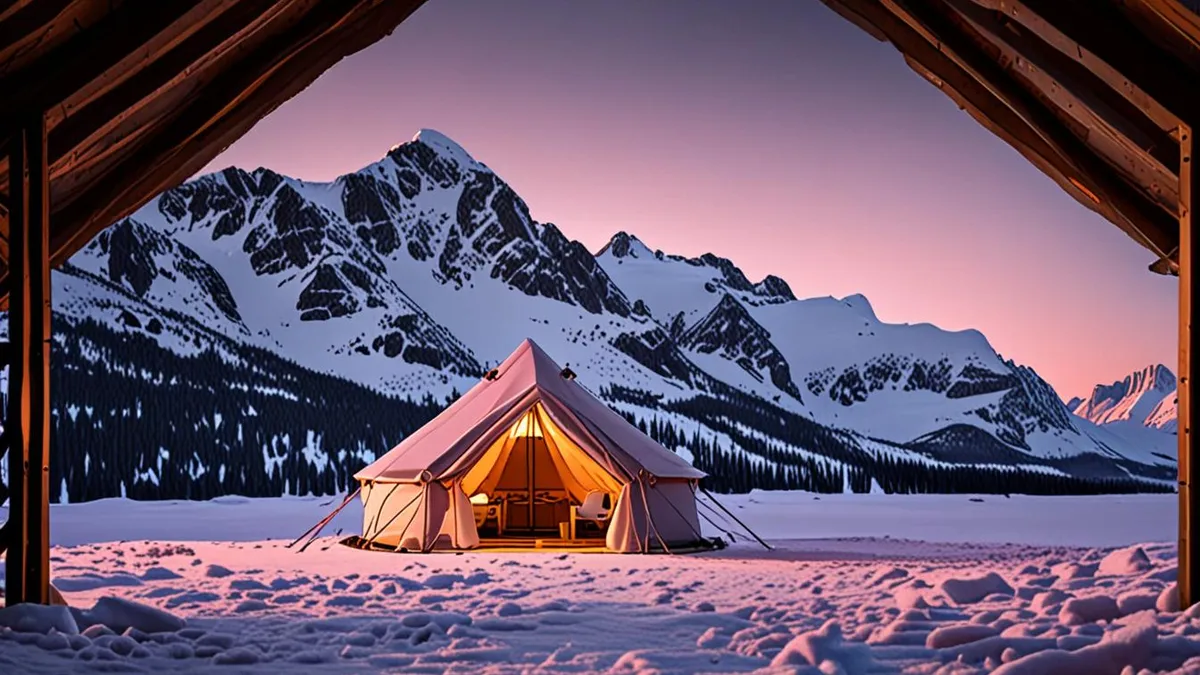
Winter glamping in Norway is a niche within a niche. Typically running from December to March, it exists only at a handful of sites with heated units, and many of these sit in mountain areas such as the fringe of Jotunheimen rather than beside the fjords themselves. If you want snow-covered peaks outside your transparent dome, this is the setup to look for.
Before you book anything, confirm how the unit handles cold. A dome or cabin that looks magical in photos can be miserable if the insulation is thin or the heating fails overnight. Reliable road access matters just as much, because mountain passes can close in heavy snow and you do not want to discover that mid-trip.
The trade-offs are real but manageable. In December you get roughly six hours of daylight, so plan activities around a short window of light. In exchange, winter brings strong chances of seeing the northern lights and landscapes that most summer visitors never experience.
For a fuller picture of how heated units, insulation and winter logistics work, it helps to read up on how cold-weather glamping stays actually function before committing to a snowy mountain night.
- Ask about the heating source specifically. A wood stove gives atmosphere but needs tending overnight, while electric heating keeps a steady temperature without you waking to feed a fire.
- Check what happens if the pass closes. Some mountain sites are reached by roads that plow irregularly, so ask the operator how guests arrive during snowfall and whether check-in can shift a day.
- Plan indoor evenings. With daylight limited to a few hours, the best winter sites offer things to do after dark, such as saunas, glass roofs for aurora watching or hot drinks included in the stay.
- Confirm water and bathroom arrangements. In deep cold, some units rely on shared facilities or water delivered to the tent, which changes the comfort level considerably.
Choosing Between Fjord and Mountain Locations
Fjord sites are the natural choice for a first glamping trip in Norway. Temperatures are milder than on the high plateaus, road access is straightforward, and you can fill days with boat trips on waterways like the Geirangerfjord or Lysefjord without any specialist planning. The catch is popularity: fjord locations book out fastest in July, which is the busiest month of the season.
Mountain plateau stays trade convenience for atmosphere. You get direct access to hiking trails, darker skies for stargazing, and, north of the Arctic Circle, midnight sun from about late May to late July, when daylight stretches to nearly 24 hours. The trade-off is gear: even in midsummer, mountain nights can turn sharply cold, so you need clothing and sleeping equipment rated for conditions a fjord site never demands.
A Practical Rule of Thumb
If this is your first trip to Norway, base yourself by a fjord. You get scenery, activities and comfort with the least logistical risk, and you can take a day hike inland if you crave elevation.
When the Mountain Wins
Choose a mountain base if hiking and solitude are the actual priority. The plateaus deliver long trails, wide horizons and far fewer neighbors, and the darker skies reward anyone staying up past bedtime. Just be honest about your tolerance for cold nights and changeable weather before you commit.
Booking, Budgeting and Packing for a Norwegian Glamping Trip
Timing your booking matters as much as choosing the site. The most sought-after fjord sites, especially for peak summer dates, often fill up well before the season starts, so reserving 4-6 months ahead is the safe move. Shoulder-season trips in May or early September are far more forgiving and can often be booked 6-8 weeks out.
Budget-wise, expect peak-season fjord stays to run NOK 2,000-4,000 per night for two people. Shifting to May or early September can trim roughly 20-30% off that figure, which over a multi-night trip covers a decent chunk of your travel costs.
Packing is where many first-timers slip up. Norway in summer is not reliably warm: fjord weather shifts fast, rain arrives without much warning, and mountain nights can drop near freezing even in July. Layers and proper rain gear belong in your bag no matter the forecast.
For a room-by-room breakdown of what belongs in your bag, this complete glamping packing checklist covers the essentials from sleeping layers to waterproofs.
- Include a warm hat and gloves even for July trips. These weigh almost nothing and make a near-freezing mountain evening on a terrace genuinely enjoyable rather than endureable.
- Bring quick-drying footwear or a second pair of shoes. Wet boots are common around fjords, and having a dry pair for evenings keeps the trip comfortable.
- Ask the operator what is provided. Many glamping sites supply bedding, towels and cooking equipment, so confirming this before packing can cut your luggage significantly.
- Carry a headlamp outside midsummer. In May and September, darkness returns by evening, and paths around remote sites are rarely lit.
- Book refundable rates when possible. With weather-driven itinerary changes common in shoulder season, flexible terms protect your budget if plans shift.
Wrapping Up: Picking Your Season and Setting
Glamping in Norway works best when the season drives the plan. The main season runs roughly May to September, so pick June to August for fjord stays, May and September for lower prices and thinner crowds, or December to March if you want a heated unit with winter scenery and aurora chances. Choosing the wrong month can mean closed sites, short days or a booked-out fjord.
The setting matters just as much. Fjord bases suit first-timers with milder temperatures and easier road access, while mountain sites suit hikers chasing the midnight sun or darker skies. Once you know your season, book peak fjord stays 4-6 months ahead and budget for the upper end of the peak-season rate for two people in summer. Have you been glamping in Norway, or are you planning a trip? Share your questions or tips in the comments.