Planning Sri Lanka villa stays can feel confusing because the island has two monsoons that hit opposite coasts at different times. When it’s dry and sunny on the south and west coasts from December to March, the east coast gets the rain; from May to September the pattern flips. Pick the wrong coast for the wrong month and your dream villa stay can turn into a wet, gray disappointment.
The good news is that once you understand the seasons, choosing where to stay becomes much easier. In this guide, we’ll walk through how the two monsoons shape the villa calendar, compare the popular areas from Galle and Unawatuna to Weligama, Mirissa, Tangalle, Arugam Bay, Ella and the Kandy hills, and explain what a Sri Lankan villa typically includes, from staff and cooks to pools. We’ll also cover realistic budgeting, how to book safely, and a simple wrap-up plan to pull it all together.
When to Go: How the Two Monsoons Shape Sri Lanka Villa Stays
Sri Lanka has two monsoons, and they hit opposite sides of the island at different times of year. The southwest monsoon soaks the south and west coasts from May to September, bringing rain, rough seas and stronger currents to beaches like Weligama and Tangalle. If you want a south or west coast villa, aim for December to March, when those coasts are dry, the sea is calmer and the island is at its best.
The pattern flips on the other side of the island. The northeast monsoon affects the east coast from October to January, so villas around Arugam Bay and Trincomalee work best from May to September. This is what makes a two-coast trip so appealing: while one coast is being drenched, the other is usually enjoying sunshine. Surfers chasing the famous east-coast swells, for example, travel there in the very months when the south coast is at its wettest.
Shoulder months and booking timing
April and November sit between the two monsoons, so weather on both coasts is mixed and unpredictable. The upside is price: rates dip, availability improves and you can often negotiate on villas that would be full in peak season. If you travel light on itinerary and don’t mind an afternoon shower, these months offer good value.
For a December to March stay on the south coast, book 3-6 months ahead. The best beachfront villas sell out first for peak dates, and by the time you’re shopping a few weeks out, you’ll often be choosing between leftovers at higher prices. If your dates are fixed around Christmas or New Year, treat early booking as non-negotiable.
South Coast Villas: Galle, Weligama, Mirissa and Tangalle
The south coast is Sri Lanka’s villa heartland, and it packs a lot of variety into roughly 100 km between Galle and Tangalle. Each stop along the way has a distinct personality, so it pays to match the town to your travel style before you book.
Galle: history on your doorstep
Galle suits travelers who want more than a beach. The historic Dutch fort town is a UNESCO World Heritage site, with ramparts to walk at sunset, boutique shops, galleries and cafes all within a compact, walkable area. Villas inside and around the fort tend to be restored colonial-era buildings, often with courtyards and plunge pools rather than big lawns. If you like stepping out the door for dinner or an art gallery, this is your spot.
Just south of Galle, Unawatuna offers a more classic beach-villa feel while staying close to the fort for day trips.
Weligama, Mirissa and Tangalle
Weligama and Mirissa draw surfers and whale-watchers. Weligama’s gentle, sandy-bottomed waves make it a common place to learn, while Mirissa is the main departure point for whale-watching boats. Hillside villas here overlook the bays, so expect steps and slopes in exchange for the view.
Tangalle, further east, is quieter and more secluded. Beachfront villas sit on longer, less developed stretches of sand, and the pace slows noticeably compared to the towns near Galle. It works well for travelers who want privacy and don’t need nightlife.
On rates, luxury beachfront villas on this coast typically run $400-1,000+ per night in peak season, while solid mid-range options fall in the $100-250 range. Check current prices with villa managers or booking platforms, as they shift with demand.
East Coast and Hill Country: Arugam Bay, Ella and Kandy
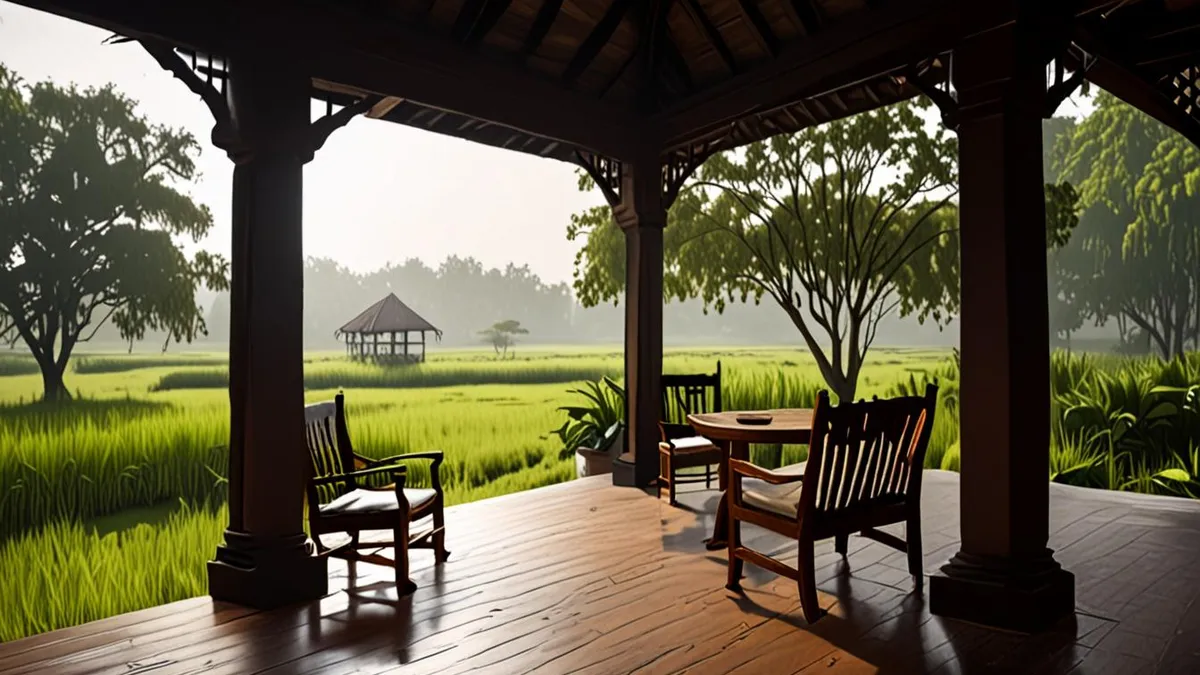
Arugam Bay is the east coast’s surf hub, a small beach town on Sri Lanka’s opposite shore from the south-coast villa belt. Its dry season runs from May to September, exactly when the southwest monsoon soaks the south and west coasts, which makes it the natural villa destination for a mid-year trip. Expect a laid-back surf-town feel rather than polished resort strips, with villas and guesthouses ranging from simple to stylish.
Ella and the tea country
Ella sits about 200 km inland by road, in the heart of Sri Lanka’s hill country. Villas here trade ocean views for tea plantations, misty valleys and mountain ridges, and evenings turn noticeably cooler than on the coast, so pack a light layer even in high season. The town itself is small and walkable, with trails, viewpoints and tea factories nearby.
Kandy appeals to travelers who want cultural sightseeing combined with a lake and hillside setting. Villas around the city and its outskirts put you close to the Temple of the Sacred Tooth Relix and the botanical gardens while still offering garden space and mountain backdrops. It works well as a shorter stop rather than a full week.
Hill-country stays pair naturally with a coastal villa for a two-center itinerary. A common approach is a week or more on the beach, then a few nights up in Ella or Kandy to round out the trip with cooler air and scenery. Because the drive between coast and hills takes most of a day, plan the transfer carefully and confirm travel times with your driver or operator before booking both halves of the stay.
What Sri Lankan Villas Include: Staff, Cooks and Pools
One of the biggest surprises for first-time visitors is how much service comes bundled into a Sri Lankan villa. Most properties include live-in staff, typically a housekeeper and a cook, and their wages are part of the nightly rate rather than an add-on. If you want a clearer picture of how this staffing model works, it helps to read up on how villa housekeeping, cooks and concierge service actually work before you commit to a booking.
Pools are another given in this market. Almost every villa worth booking has one, from small plunge pools tucked into walled gardens to long infinity pools facing the ocean on the south coast. The pool often becomes the center of daily life, especially when the cook brings breakfast out to the terrace.
The main thing to clarify before booking is food. Rent rarely covers meals, so ask whether groceries are billed on top of the rate and whether the cook will shop for you. Many travelers love this arrangement because the cook plans menus, buys fresh produce at local markets and handles all the washing up. Others prefer to check receipts daily so there are no surprises at checkout.
Budget for a few extras that fall outside the rent:
- Groceries and drinks, usually charged at cost plus a small handling fee, so ask how the villa marks up market purchases
- Tipping the staff at the end of your stay, which is customary in Sri Lanka and best budgeted before you arrive
- Extra services like laundry, airport pickups or a hired tuk-tuk driver, which some villas arrange for a separate fee
- Babysitting or extra cooking hours if your group wants meals outside the normal schedule, often possible for a modest additional payment
Ask these questions before you pay, not after you arrive. A good villa manager will answer them clearly and put the food arrangement in writing.
Budgeting: Nightly Rates, Extras and Group Savings
Sri Lankan villas cover a wide price range, and knowing where you fit makes planning much easier. Mid-range properties typically run $100-250 per night, while luxury beachfront villas start around $400 and can exceed $1,000 in peak season. The good news is that even the top end often undercuts comparable resort suites, especially for groups.
Timing matters as much as the property itself. On the south coast, rates swing 30-50% between the December-March peak and the May-June shoulder months. If your dates are flexible, shifting a trip by a few weeks can move you into a villa category that would otherwise be out of budget. Just remember the shoulder months bring mixed weather, so you are trading some sunshine for savings.
Why groups get the best value
Large villas sleeping 8-10 people frequently work out cheaper per person than booking multiple hotel rooms, and you get a private pool and cook included in the rate. Splitting a $600 villa six ways costs less per head than most mid-range hotels. If you are coordinating a group trip, it helps to understand how to rent a villa for a group, from room counts to splitting bills before you commit to a property.
Whatever the headline rate, compare total costs rather than nightly prices. Groceries and meals are usually billed on top of rent, airport transfers can add a meaningful amount depending on distance, and if you hire a car with driver, that driver typically needs accommodation and meals too. Some villas provide a staff room for drivers at little or no cost, while others expect you to arrange and pay for it, so ask upfront.
Choosing and Booking Your Villa Safely
Booking a villa in Sri Lanka is straightforward if you work through a sensible sequence. The island’s two monsoons mean the right property in the wrong month can leave you staring at rain, so dates come first and everything else follows. Once you know which coast suits your travel window, the rest of the process becomes much simpler. Here is the order I recommend.
- Match the area to your travel dates. Choose the south coast for a December-March trip and the east coast, such as Arugam Bay or Trincomalee, for May-September. Deciding this first prevents wasted searches and disappointment later.
- Verify the listing through established platforms or by contacting the villa’s manager directly. Ask for the exact property address and confirm it exists on a map before any money changes hands. Request recent photos of the rooms you will actually use, not just the pool and the facade.
- Read the contract carefully, focusing on the deposit amount, the cancellation window and the damage policy. Some villas take a large deposit months ahead with limited refund options, so know what you are agreeing to before transferring funds.
- If you are traveling with children, check bedroom configurations so everyone sleeps comfortably, ask about pool safety such as fencing or shallow areas, and look at the distance to the beach and the nearest medical facilities.
None of these steps takes long, but skipping one is how booking problems happen. Before you pay anything, work through what to check before booking a villa so nothing slips through the cracks. Once the contract is signed and the deposit is paid, you can shift to the fun part: planning meals with the cook and deciding which poolside corner will be yours.
Wrapping Up Your Sri Lanka Villa Plan
Sri Lanka villa stays hinge on timing more than anything else. The island’s two monsoons hit opposite coasts at different times of year, which is exactly why picking the right area and season feels confusing at first. The simple version: aim for the south and west coasts from December to March, and head east from May to September. That way you are almost always on the dry side of the island.
Once the timing is settled, the choices fall into place. Galle, Weligama, Mirissa and Tangalle cover the main south-coast options, while Arugam Bay, Ella and Kandy make strong alternatives for surf, tea country or culture. Expect staff and private pools as standard, nightly rates from around $100 to $1,000 and up depending on the property, and remember to budget for extras like groceries and transfers. For peak-season travel, book 3-6 months ahead to secure the best villas. If this helped you plan your trip, leave a comment or share the article.