You’ve found two lodges you like. One quotes a full-board rate that looks steep; the other is a self-catering unit at half the price. The question that follows you to bed is simple: does the cheaper room actually cost less once you add a week of groceries, or does the all-inclusive rate quietly win?
This guide breaks down full-board vs self-catering lodges with real numbers, so you can stop guessing. We’ll start with what each rate actually includes, then compare nightly prices and the true cost of food. We’ll also cover the hidden extras that skew the math, which trip types suit each option, and how to compare quotes fairly before you book. By the end, you’ll know exactly which rate to pick for your group, your destination and how much cooking you’re honestly willing to do on vacation.
What Full Board and Self-Catering Actually Include
Full board bundles three meals a day — breakfast, lunch and dinner — into your nightly rate. The convenience is real: no shopping, no cooking, no washing up. The trade-off is price. Full board typically adds 30-60% to what the same room would cost on a room-only basis, so the premium is substantial even before you touch a drink.
Here’s the detail that surprises many first-timers: full board rarely includes drinks beyond water, tea and coffee. Wine with dinner, a beer on the terrace and soft drinks for the kids all land on a separate bar bill. Over a week, those small charges add up to a meaningful amount, so budget for them even on an “all meals” rate.
How self-catering lodges work
Self-catering lodges give you a kitchen or kitchenette instead of restaurant meals. You buy your own food — typically $25-45 per person per day for simple home-cooked meals — and prepare it whenever you like. That flexibility on timing and portion size is a big part of the appeal, especially for families with picky eaters or early-morning activity plans.
Many lodges also sit in the middle ground. Half-board covers breakfast and dinner only, leaving lunch to you, while some properties sell flexible meal add-ons you can attach to individual days. If you’re torn between the two models, a lodge offering half-board plus a usable kitchen can give you the best of both: cooked dinners after long days out, and cheap, easy lunches on your own terms.
Nightly Rates: The Sticker-Price Gap
The nightly rate is where the difference hits you first. A full-board lodge room at $250 per night might sit next to a self-catering unit of similar quality at $150-180. Over a week, that sticker-price gap alone amounts to several hundred dollars before anyone has cooked a single meal. If you want a sense of how these rates vary by destination, our breakdown of lodge prices by region shows where each model is most common.
When the gap widens
Timing changes the math considerably. In peak season, full-board lodges tend to hold firm on their rates — meals are baked into the price, so there’s little room to discount. Self-catering units behave differently: in shoulder months, their rates can drop 20-40% below peak-season prices as owners compete for bookings. If your dates are flexible, traveling just outside the busiest weeks can flip which option is genuinely cheaper.
Where this comparison applies
One caveat: not every lodge type offers both models. Ski and safari lodges are most often full-board, since guests are far from shops and the operators build meals into the package. The genuine head-to-head comparison mostly happens at alpine, lakeside and countryside lodges, where self-catering units are common and supermarkets or village stores are within reach. If you’re booking a remote safari camp or a slopeside hotel, you may find self-catering simply isn’t on the menu.
Food Costs: Where Self-Catering Wins or Loses
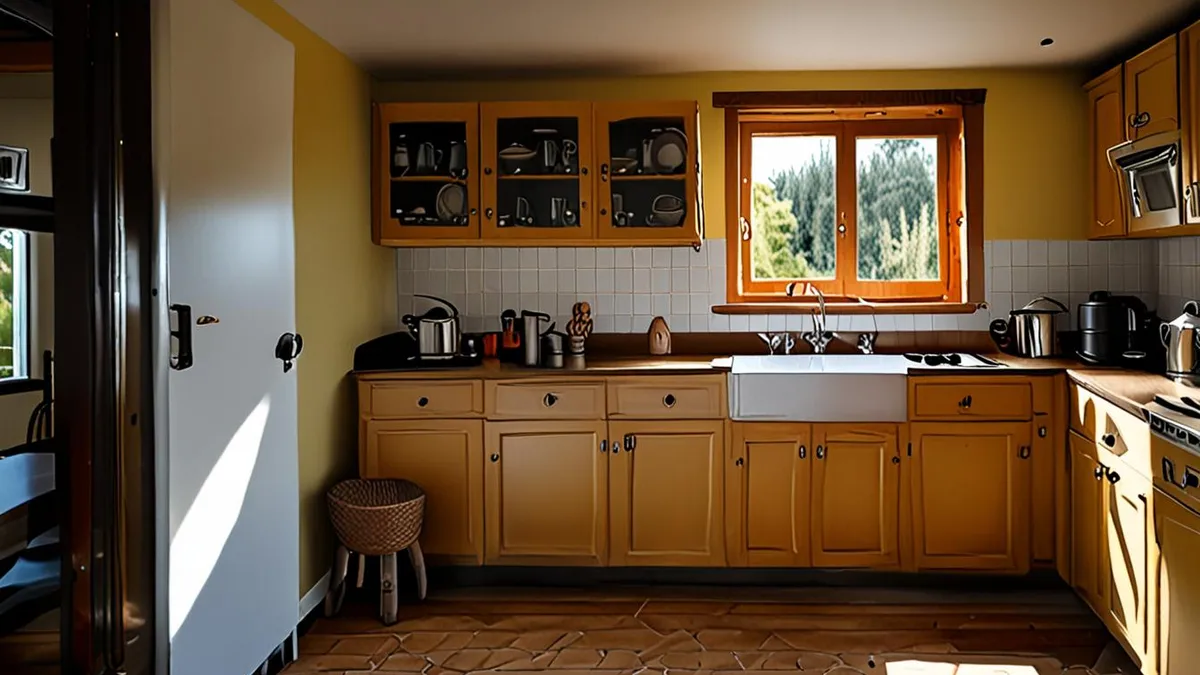
Food is where self-catering earns its keep. Home-cooked meals at grocery prices undercut full board for most families, because you’re paying supermarket rates instead of restaurant margins. Cook breakfast in the kitchen, pack sandwiches for lunch and make a simple pasta dinner, and the numbers work strongly in your favor — especially when you multiply those savings across every night of a week-long stay.
Scale matters, though. Families with several mouths to feed see the biggest absolute savings of any group size, since the same loaf of bread or jar of sauce stretches across four people. For couples, the picture is far less convincing. Cooking for two rarely beats a lodge kitchen’s economies of scale: you buy a loaf of bread and use half, open a bottle of wine and pour two glasses, and portion waste quietly eats your margin.
Location can undo everything. If you eat out daily near the lodge — because the village restaurants are tempting or your kitchenette is too basic — each meal at local prices chips away at the saving. In resort villages, where a single casual dinner for four can cost as much as a full day of groceries, full board often turns out to be the cheaper route after all.
- Breakfast is the easiest win. Cereal, eggs, fruit and coffee cost a fraction of a lodge breakfast buffet, and it’s the meal travelers are most willing to make themselves.
- Lunch savings compound on activity days. Packed sandwiches and thermoses of soup cost far less than the trailhead cafés and mid-slope restaurants where hungry guests otherwise end up paying premium prices.
- Dinners decide the outcome. If you cook six of seven nights, the math is strongly in your favor; if you cook twice, the saving mostly evaporates.
- Alcohol shifts the balance. Supermarket wine and beer cost a fraction of lodge bar prices, so self-catering guests who enjoy an evening drink save more than teetotalers.
Hidden Extras That Change the Math
The sticker price rarely tells the whole story, and the extras are where the comparison gets honest. The biggest one for self-catering is access to food itself. Grocery runs need either a car or a shop within walking distance, and remote lodges can leave you facing a 30-60 minute drive to the nearest supermarket. If that trip becomes a daily chore, your holiday starts to feel like a logistics exercise.
Your time is part of the bill
Self-catering also means your own cooking, washing up and meal planning. Some travelers happily trade an hour of kitchen time for the savings, but others book a lodge specifically to escape exactly that routine. Be honest about which type you are before you commit, because a week of cooking for a big group is real work, not a rounding error.
Full-board guests sidestep all of this, but the trade-off shows up on the bar bill. Drinks beyond water, tea and coffee are typically excluded, and resort-level prices of $5-8 for a soft drink or beer add up quickly over a week, especially with teenagers in the group.
Finally, compare like for like on the fixed costs. Cleaning fees and equipment rental can apply to both stay types, and one lodge quoting an all-in price while the other adds fees at checkout will distort your math. Ask each lodge for the total cost including every fee before you weigh one against the other.
Which Trip Types Suit Each Option
The right choice depends less on the nightly rate and more on how you actually spend your days. A family’s rhythm looks nothing like a hiker’s, and a remote lakeside lodge plays by different rules than a village resort. Match the board type to the trip and the decision usually makes itself.
Families with children benefit most from self-catering, and not only because of the money. Flexible mealtimes mean dinner at 5:30 for tired toddlers instead of waiting for a set restaurant seating, plus familiar breakfast foods for picky eaters. Hikers and activity-focused guests, on the other hand, often prefer full board: walking back to a ready dinner after a long day on the trail feels like a luxury worth paying for.
- Groups with teenagers: self-catering kitchens absorb the constant snacking that would otherwise turn into a painful bar bill at a full-board lodge.
- Early-start activity trips: a packed breakfast and lunch from your own kitchen can beat waiting for the lodge dining room to open, especially for dawn kayak or cycling sessions.
- Dietary needs: cooking for yourself removes the guesswork about whether a lodge kitchen can reliably cater to allergies or specific diets.
- Celebration stays: if the trip is about being pampered for an anniversary or milestone, full board keeps everyone at the table instead of on kitchen duty.
Remote destinations with no shops make full board the practical choice regardless of price, since there may simply be nowhere to buy groceries. And long stays of a week or more favor self-catering, because food savings compound nightly and even modest daily savings grow into a meaningful sum by checkout.
How to Compare Quotes Before You Book
Comparing lodge quotes fairly takes about ten minutes and a calculator. The trick is to stop looking at nightly rates and start looking at the total cost of the whole stay, food included. A quote that seems expensive at first glance can turn out to be the bargain once you add up everything you would otherwise pay out of pocket.
- Convert every quote to a total trip cost. For self-catering, take the nightly rate and add your realistic grocery estimate for the whole group across the full stay. Base it on the meals you actually plan to cook, plus a little slack for snacks and drinks. A seven-night quote suddenly looks very different once groceries are on the table, so write the new total down before moving on.
- Check exactly what the full-board rate includes. Confirm which meals are covered and which drinks are not, since most full-board rates rarely include anything beyond water, tea and coffee. A rate that looks all-inclusive but excludes lunch changes the math considerably, and bar bills can quietly grow larger than you expect.
- Compare the same season. Shoulder-season self-catering rates can drop 20-40% below peak-season prices, which is enough to flip the result entirely. Timing matters as much as the board type, and it helps to understand how lodge seasons and prices work before you commit.
- Book early for peak summer weeks. The best-value self-catering units tend to go first, so aim to reserve 3-6 months ahead if you want a well-equipped kitchen in high season.
Run both options through the same steps and write the totals down side by side. Ask one final question before you decide: how much cooking are you honestly willing to do on vacation? Numbers on paper beat vague impressions, and the quote that looked cheapest at first glance is not always the one that wins once food, drinks and fees are added honestly.
The Bottom Line on Full-Board vs Self-Catering Lodges
So does the pricier full-board rate actually cost less overall? Usually not, if you’re a family with a kitchen and a shop within easy reach. Self-catering saves a family of four $300-700 on a one-week stay, which comfortably outweighs the higher nightly rate of full board. Full board costs 30-60% more per night, but what you’re buying is convenience: no grocery runs, no cooking, no washing up, and dinner ready the moment you walk in.
The right answer comes down to three things: your group size, how remote the lodge is, and how much cooking you genuinely want to do on holiday. Couples eating out daily may find full board the cheaper route, while remote destinations often leave little choice anyway. If this helped you weigh up your next lodge stay, leave a comment or share the article with a fellow traveler.