Asking what lodge stays cost is a bit like asking the price of a car. A basic safari tent in Kenya and a designer chalet in the Alps are both “lodges,” yet their nightly rates can differ by a factor of ten or more. Most travelers have no benchmark for what a fair rate looks like, which makes it easy to overpay or to dismiss a genuinely good deal as suspiciously cheap.
This guide breaks down typical lodge prices region by region, so you can compare like with like. We start with the factors that drive rates before you even pick a destination, then look at safari lodges in East and Southern Africa, alpine hideaways in Central Europe, Nordic lodges including glass igloos, and lodges in New Zealand. You will also find practical advice on shoulder-season savings and the best booking windows, plus a wrap-up of regional budgets to help you plan.
What Drives Lodge Prices Before You Compare Regions
Before you start comparing nightly rates across regions, it helps to understand what a “night” actually buys you. A safari lodge in East Africa might quote $400 per person per night, while a lakeside lodge in Europe charges $200 per room. Those numbers look wildly different, yet they may be closer in real value than they first appear.
Safari rates are almost always quoted per person and typically include full board, game drives with a professional guide, park fees, and sometimes drinks and laundry. A room-only European rate covers exactly that: the room. Meals, activities, and transfers all land on your bill separately, so a €150 alpine night can easily double once you add dinner and a guided hike.
Location and logistics add up fast
Remote lodges carry costs that city or roadside hotels never face. Food, fuel, and supplies may travel hours by road, staff often live on-site, and reaching the property might require a charter flight or a long transfer that gets bundled into your rate. The more isolated the lodge, the more of your nightly fee goes simply to keeping the place running.
Room count matters just as much. A 10-tent camp hosting a handful of guests at a time prices itself on exclusivity, personal service, and prime land, which is why small luxury camps sit at the very top of the range. A 50-room lodge spreads its costs across far more guests, so per-night rates stay lower even in the same region. Neither model is better; they simply deliver different experiences, and knowing which one you are booking makes regional price comparisons far more honest.
Lodge Stays Cost in Africa: Safari Pricing Explained
Africa plays by its own pricing rules. Safari lodges in East Africa typically charge per person, not per room, and a nightly rate of $150-$1,500+ in Tanzania and Kenya usually covers your meals, game drives and often park fees too. That headline number can look shocking until you realize you are effectively paying for accommodation, three meals and two guided activities a day in one package.
Southern Africa offers a wider spread, roughly $80-$800 per person per night. The trick here is location relative to the park gate. Lodges in the fringe areas around Kruger, where you can self-drive into the park, sit at the affordable end of that range. Private concessions inside prime game-viewing land command the top rates because they offer exclusivity, off-road driving and fewer vehicles at a sighting.
Timing matters enormously on safari. The April-May green season, following the rains, can cut rates by 30-40% at many camps. Landscapes are lush, wildlife is still plentiful, and you share sightings with far fewer vehicles. For a deeper look at what a Tanzanian stay actually involves day to day, this guide to safari lodges in Tanzania and where to stay breaks down the options by park and budget.
- Camps in Kenya’s Masai Mara often price around the Great Migration months, so shifting your dates slightly outside that window can move you down a whole rate tier at the same property.
- Tented camps and permanent lodges in the same concession can differ sharply in price, so compare both styles before assuming a tent is the budget option.
- Some southern African lodges offer self-catering or dinner-and-drive-only rates near Kruger, letting you trim the nightly cost if you have your own vehicle.
- Green-season specials sometimes bundle extras such as a free night for every three booked, which lowers the per-night cost further than the base discount suggests.
- Single travelers should ask about single supplements early, as some East African camps waive them in low season while others charge up to 50% more.
Alpine and Central European Lodge Prices
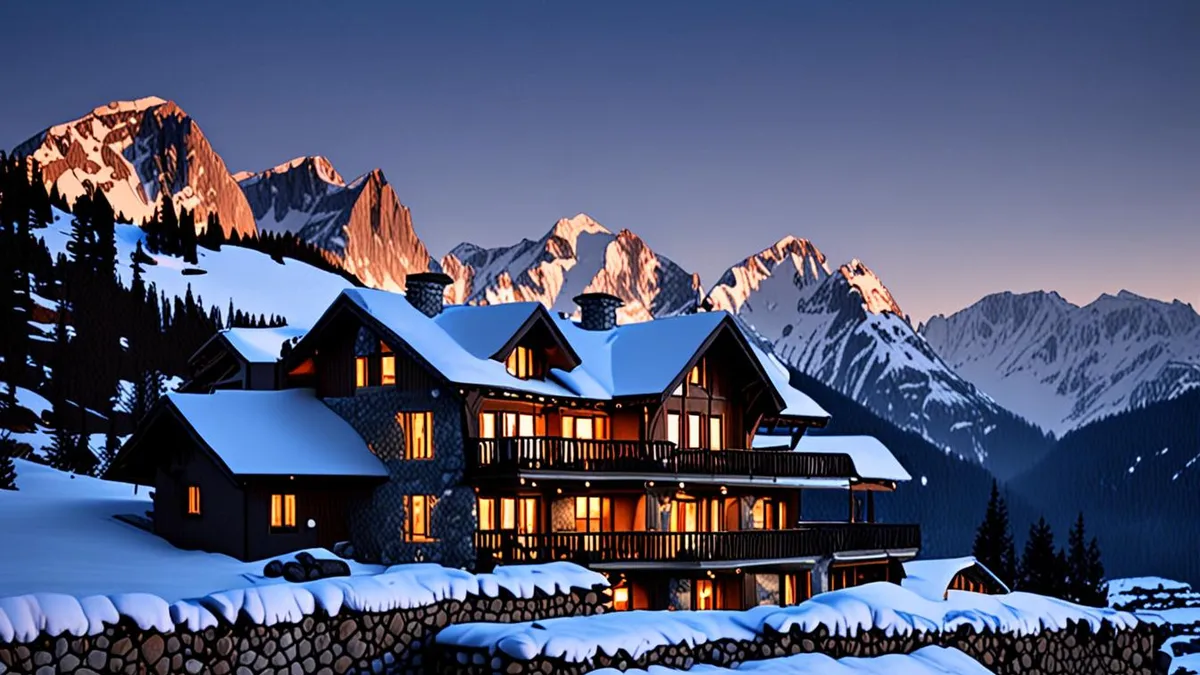
Alpine lodges in Austria and Bavaria, plus the mountain resorts around Zakopane in Poland, typically run €90-€300 per night for a double room in high season. That covers the classic peaks: the December-March ski window and the July-August summer holidays. Poland is usually the cheaper end of that range, while well-known Austrian and Bavarian ski villages sit at the top.
When ski-season surcharges hit hardest
Timing matters more than country here. Around Christmas and New Year, and again during the February half-term school breaks, rates can double compared with shoulder-season dates. A chalet-style lodge that charges €120 in early December may quote well over €200 for the same room in mid-February. If your dates are flexible, traveling in early December or mid-January typically saves a lot without sacrificing snow.
Shoulder seasons in the hiking regions
The same lodges transform into hiking bases in summer, but the quiet edges of the season are the bargain window. In May-June and October, alpine lodges in hiking regions often drop to €80-€150 per night. Trails are quieter, and many properties still offer half-board options. Check current rates and opening dates directly with lodges, since some reduce facilities or close entirely between seasons.
Nordic and UK Lodge Costs
Nordic lodges come with a seasonal twist you won’t find in most of Europe: darkness is a selling point. In Finnish Lapland, glass-roofed lodges and igloos are priced around the aurora forecast, with rates typically running €150-€600 per night. The highest prices land between December and March, when the skies are darkest and snow conditions are at their best. If seeing the northern lights is the whole point of your trip, it pays to understand how these stays work before you book, and our guide to Finland glass lodges for aurora views breaks down what to expect.
Outside the aurora zone, Nordic and UK lodge pricing looks more familiar. Standard Finnish lakeside lodges, along with most lodges in Ireland and Scotland, generally fall between €100 and €250 per night for a double. At the top of the market, castle-style lodges in Scotland and Germany command €200-€500 per night in summer, especially in popular Highland and Rhine Valley areas.
A few details that shape what you’ll actually pay:
- Aurora-facing rooms cost more than standard cabins. At glass lodges, the premium goes to units with unobstructed north-facing glass roofs; rear-facing or partially glazed rooms at the same property can sit at the lower end of the range.
- Finnish lakeside rates often include sauna access. A private or lakeside sauna is standard at many lodges, so a slightly higher rate may still be better value than a cheaper room without one.
- Scottish lodges near national parks price up in summer. Properties close to Loch Lomond, the Cairngorms or Skye fill quickly for July and August, so midweek stays are often noticeably cheaper than weekends.
- Half-board is common at remote Nordic properties. When the nearest restaurant is an hour away, many lodges bundle dinner into the rate, so compare like-for-like before judging the nightly price.
New Zealand and Long-Haul Lodge Rates
New Zealand lodges span a wide range, typically NZ$150-$800 per night depending on where you stay and what you’re paying for. At the lower end you’ll find comfortable roadside lodges and alpine cabins; at the top end are architect-designed properties in South Island nature spots like Fiordland, the Mackenzie Country and the West Coast, where the view alone justifies the rate.
Timing matters more here than in most destinations. The peak season runs December through February, the southern summer, and rates during those months can add 30-50% over winter prices. If your dates are flexible, visiting in the shoulder months of November or March often means lower rates, easier availability and quieter trails without sacrificing much weather.
Factor in the distance between lodges
New Zealand looks compact on a map, but mountain ranges and winding roads make driving slow. If you’re planning a lodge-hopping route, budget realistically for domestic flights between the North and South Islands and for a rental car or camper for the legs in between. Remote lodges on the West Coast or in Fiordland can be several hours from the nearest airport, and some travelers opt for scenic charter transfers to cut driving time.
For help choosing where to base yourself, our guide to New Zealand lodge stays in the best regions for nature trips compares the main areas side by side.
How to Pay Less: Seasons and Booking Windows
Lodge rates vary enormously, but the levers that move the final price are surprisingly consistent across regions: when you travel and how early you book. Two lodges with identical nightly rates can end up costing very different amounts once season, lead time and inclusions are factored in. The good news is that you control both of the biggest levers. Here’s a practical sequence to follow.
- Lock in your dates before anything else. Nearly every lodge prices by season, so a one-week shift can change the rate by 20-40% in Europe. Decide whether you need peak conditions or just good ones.
- Book 3-6 months ahead for most lodges. Alpine lodges, Nordic properties and New Zealand stays generally reward early booking with better rates and first pick of rooms, especially for summer and ski-season dates.
- Allow 6-12 months for top safari camps. Small East African camps with a handful of tents sell out far in advance for the dry season, and the best-value rooms go first.
- Target shoulder months in Europe. Traveling in April-May or October-November can cut European lodge rates by 20-40%, with quieter trails and easier parking as a bonus.
- Compare what’s included, not just the nightly figure. A half-board alpine rate covering dinner and breakfast is a different product from a room-only rate, and an all-inclusive safari price bundles meals, game drives and park logistics into one number.
It also pays to set calendar reminders rather than relying on memory. Lodge availability for popular periods, such as school holidays and aurora season, can tighten months before rates actually rise, so waiting usually costs you choice even when it doesn’t cost you money.
Once you normalize for what each rate actually includes, regional comparisons become much fairer, and you’ll spot genuine deals instead of just low headline prices. Write down the total for a full stay, not per night, and the best option usually becomes obvious quickly.
Wrapping Up Regional Lodge Budgets
So what does a fair nightly rate look like? It depends on what you are buying. Safari lodges in Africa price per person and bundle in meals, game drives and often transfers, while European and New Zealand lodges price per room, with food and activities usually added on top. Comparing the two side by side without checking what is included will always make one look overpriced.
The ranges themselves are wide: roughly $80 per person per night in southern Africa to $1,500+ at top East African camps, with European alpine lodges and New Zealand stays sitting in between. Season choice and booking lead time are the biggest levers on the final price, so decide those first before you compare individual lodges. If this breakdown helped you plan a trip, leave a comment or share it with a fellow traveler.