Picture this: you book a glamping stay dreaming of starlit soaks and slow mornings, only to arrive at a site packed with families, kids’ bikes zipping past your deck and neighboring tents just a few meters away. It’s a common letdown, and it’s almost always avoidable with a bit of research before you pay.
This guide to glamping for couples walks you through exactly what to look for. We’ll cover what makes a site genuinely private and quiet, how to filter for adults-only and couples-friendly options, which unit types suit a romantic stay best, and when to book for maximum seclusion. You’ll also learn how to vet reviews and photos, where couples glamping works best, and finish with a simple privacy checklist you can run through before booking anything.
What Makes a Glamping Site Truly Private and Quiet
Real privacy at a glamping site comes down to three things: distance, screening and layout. As a rule of thumb, aim for at least 20-30 meters of spacing between units. Anything less and you’ll hear conversations, zip ties and morning alarms as if they were in your own tent. Natural screening matters just as much — mature trees, hedgerows and gentle changes in ground level can make two units 15 meters apart feel far more secluded than two units 40 meters apart on open grass.
Layout is the third piece. Check where shared facilities sit in relation to your unit. A shower block, laundry or communal kitchen right next door brings foot traffic from early morning until late evening, even at a small site.
Why small sites usually win
For genuine seclusion, sites with 5 or fewer units almost always beat large resorts. Fewer guests means less background noise, no queues at shared facilities and a much better chance of having a whole corner of the grounds to yourselves. Some small sites also position units out of sight of each other, which is exactly what you want.
Noise sources to check before booking
Look beyond the site itself. Common culprits include:
- Main roads — traffic noise carries surprisingly far, especially at night
- Working farms — machinery can start early and run loudly
- Playgrounds and dog exercise areas — frequent daytime activity nearby
- Communal fire pits — often the liveliest (and loudest) spot on a site after dark
A quick look at a map or satellite view will usually reveal most of these before you commit.
How to Filter for Adults-Only and Couples-Friendly Sites
Not every glamping site welcomes the same crowd, and the difference matters enormously for a quiet couple’s escape. Before booking, search the site’s policies page for terms like ‘adults-only’, ‘no children’ or ‘couples’. Adults-only glamping is a growing niche, most common in the UK and Europe, so if that’s where you’re headed you should find plenty of options that filter out family noise entirely.
It’s also worth thinking about groups, not just children. A site that allows unlimited group bookings can be just as disruptive as one full of toddlers, especially on summer weekends. If you want a deeper look at what makes a site truly romantic rather than merely tolerable, the guide to what to look for in a honeymoon glamping site covers similar ground from a newlywed perspective.
When the policies are vague or silent on any of these points, send a short email and ask. Small site owners usually reply within a day or two, and their answer tells you a lot about how seriously they take the atmosphere they’ve created.
Specifically, check whether the site:
- Caps the size of group bookings, so no single party can dominate the grounds
- Restricts or bans stag and hen parties, which often come with late nights and loud music
- Hosts weddings or events on-site, which can fill the whole property with strangers on certain dates
Ten minutes of checking policies now saves you from a ruined weekend later.
Choosing the Right Unit Type for a Romantic Stay
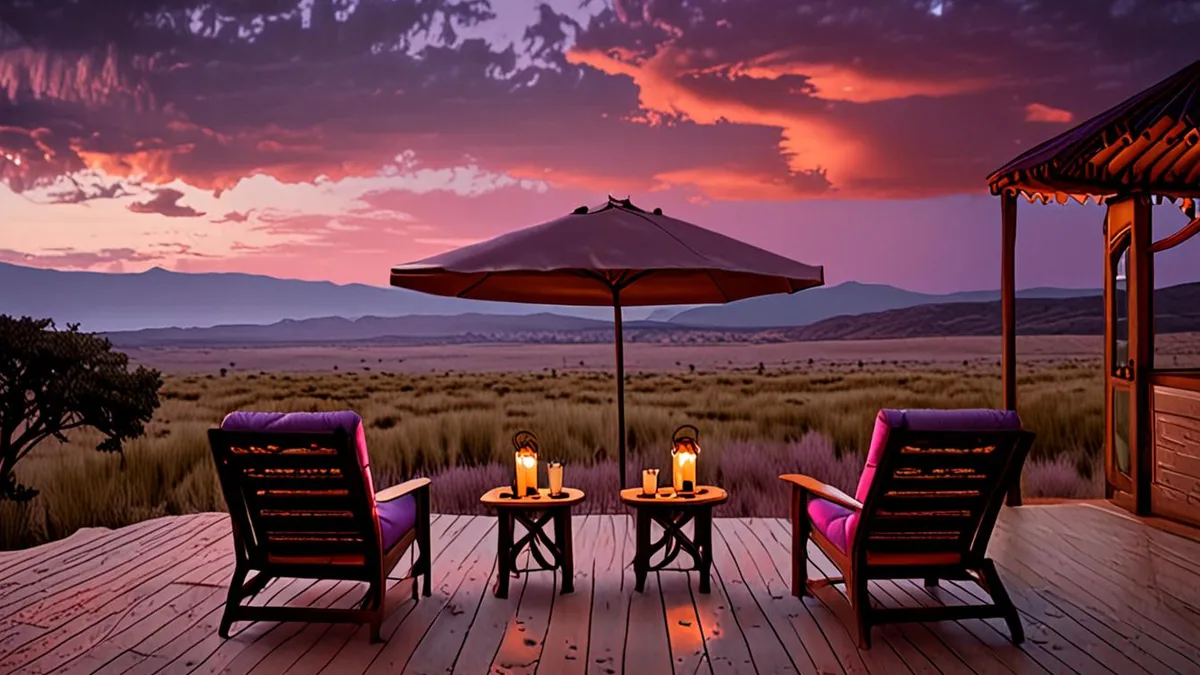
The unit you choose shapes the whole experience, and some types are far better suited to couples than others. Glamping domes and treehouse-style units generally offer the best insulation and sound privacy. Their solid or rigid construction dampens wind noise, muffled voices and early-morning birdsong far better than fabric, and they hold warmth well on cooler nights — a real plus when you’re sharing a bed and don’t want to argue over the duvet.
Safari tents and yurts have their charms, but their canvas walls are thinner. Sound travels through them easily in both directions, which means spacing between units matters much more if you book this style. If you’re weighing the trade-offs in detail, this comparison of glamping domes, safari tents and yurts breaks down how each performs on comfort and privacy.
Couples-focused features worth paying for
Beyond the structure itself, look for features that signal a site is designed with two people in mind. A private hot tub on your own deck is the classic — no shared changing rooms, no timetable, no strangers. An en-suite bathroom saves you midnight trips across a field, and a private outdoor terrace gives you somewhere to linger over breakfast or a glass of wine without feeling overlooked.
Expect to pay a premium for these extras: couples-focused glamping units typically cost 20-40% more per night than family-oriented sites. Many couples find the privacy alone justifies it, but decide which features matter most to you before comparing prices.
When to Book: Seasons and Lead Times for Privacy
Privacy is partly about where you book, but it is just as much about when. The same site that feels like your own private hideaway in October can feel like a small village in August. A little planning around dates does more for your peace and quiet than almost any other decision, and it costs nothing.
- Book 3-6 months ahead for June-August weekends. Small, secluded sites often have only a handful of units, so a single busy weekend can wipe out availability. If a summer Saturday is non-negotiable, reserve early rather than hoping for a late cancellation that may never come.
- Aim for the shoulder seasons of May, September and October. You will share the site with fewer neighbors, and rates typically run 15-30% lower than peak season. Weather can still be lovely for hot tubs and fire pits, especially in early autumn when evenings turn crisp and the countryside quiets down after the school holidays.
- Choose midweek, Monday through Thursday, whenever you can. Prices are typically 20-30% cheaper than weekends, and many small sites are so quiet midweek that you may have few or no other guests at all. Some owners even offer flexible check-in days outside peak periods, so it never hurts to ask.
If your dates are flexible, combine the last two tactics: a midweek stay in late September often delivers the best mix of privacy, price and atmosphere. And if you are planning to bring a dog along, check the site’s pet rules before paying your deposit — whether glamping sites are pet-friendly and how to find out is worth confirming in advance, since policies vary widely between small operators. Once your dates are locked in, turn your attention to vetting the site itself.
Vetting Reviews and Photos Before You Commit
Reviews and photos are where marketing ends and reality begins. A glossy gallery can make a cramped site look secluded, so it pays to dig a little deeper before you hand over a deposit. This matters even more for couples, because the whole point of a romantic escape is that nobody else is part of it. The good news: this verification step only takes 20-30 minutes, and it can save you from an expensive disappointment.
Start with the reviews, but do not read them in order. Instead, search or scan for specific words. A single mention of noise might be bad luck; three mentions across different years is a pattern. Pay attention to how recent the reviews are too, as a site can change owners or add new units over time.
- Search for ‘noisy’, ‘close together’ and ‘private’. These keywords cut straight to what matters. If several reviewers use words like ‘intimate’ and ‘secluded’, that is a good sign; repeated complaints about hearing neighbors suggest the units sit closer together than the photos imply.
- Use satellite view to study the surroundings. Zoom in on the site and look for main roads, neighboring farm buildings, livestock sheds and any adjacent campsites. A unit can be perfectly spaced on-site yet still sit close to a busy lane, so check the approach roads as well as the site itself.
- Check neighboring land use. Satellite imagery can reveal a working farmyard next door or a field that hosts events. Farmland is generally peaceful, but machinery starts early — worth knowing before you book a lazy lie-in.
- Match photos to the exact unit you are booking. Many sites photograph their best unit and use those images across the whole listing. Ask the owner to confirm the pictures show your specific unit type, and request photos of the view from the terrace if you are unsure.
Finally, note how the owner responds to critical reviews. A thoughtful, specific reply usually signals an owner who cares about guest experience — and who will answer your questions honestly before you commit. Vague or defensive responses to the same complaint, on the other hand, tell you what to expect if something goes wrong during your stay.
Where Couples Glamping Works Best
Once you know what to look for, the next question is where. Some regions simply make it easier to find small, adults-only sites with generous spacing, while other destinations trade convenience for genuine isolation.
The UK and Europe for choice
The UK is arguably the strongest market for couples-focused glamping, with rolling countryside in the Cotswolds, Yorkshire and the Lake District, plus coastal corners in Cornwall, Pembrokeshire and the Scottish Highlands. Adults-only small sites are a growing niche there, so you have real choice between treehouses, domes and shepherds’ huts. Be aware that units aimed squarely at couples usually carry a noticeable price premium over family-oriented sites — many travelers find the extra cost worthwhile for the peace and privacy that come with it, but it pays to compare a few options before committing.
Remote and off-season options
If your priority is total isolation rather than amenities, look further afield. Remote destinations such as Patagonia offer dramatic landscapes with very few neighbors indeed, though you will trade restaurants, shops and reliable Wi-Fi for that solitude. These suit couples who want the wilderness itself to be the experience.
Winter is another underrated route. Insulated glamping domes stay warm and comfortable in the cold months, and off-season stays mean fewer guests and a slower, cosier pace — think wood-fired hot tubs under clear night skies instead of sunny terraces. You give up warm-weather lounging, but gain a quieter, more intimate setting. Whichever direction you choose, run through the checklist below before paying.
Wrapping Up: Your Privacy Checklist
Romance and a crowded campsite rarely mix. Too many couples arrive expecting a quiet escape, only to find playground noise, family groups and tents pitched uncomfortably close to theirs. The good news is that a genuinely private stay comes down to a few simple priorities: pick small sites with five or fewer units, confirm that units sit at least 20-30 meters apart, and favor adults-only policies that keep the atmosphere calm and geared toward couples.
Timing matters just as much. A shoulder-season trip in May, September or October brings quieter sites and rates 15-30% lower, while a midweek stay typically saves 20-30% and often leaves you with few or no other guests on site. Before you pay, verify everything through reviews, satellite maps and a direct email to the owner. A little homework is the difference between a packed campsite and a genuinely private escape. If this helped you plan your trip, leave a comment or share the article with someone planning a romantic getaway.