You’ve decided you want a wilderness lodge stay: cozy evenings, guided days outdoors, and scenery you can’t get from a highway. But now you’re stuck on the hunting lodge vs fishing lodge question. Both promise rustic comfort and time in the wild, yet they attract different travelers, run on different calendars, and come with different price tags. Picking the wrong one can mean paying for a trip that doesn’t match your interests or the season you can actually travel.
This guide breaks the decision down step by step. We’ll explain the core difference between the two lodge types, map out the best seasons and timing for each, and compare typical package costs, from guided hunting trips commonly ranging from $1,500 to $5,000 per person to full-service fishing weeks often running $2,000 to $6,000. We’ll also cover how far ahead to book, what amenities and daily routines look like at each, and how to choose based on your experience level, fitness, and group. By the end, you’ll know exactly which lodge stay fits your trip.
Hunting Lodge vs Fishing Lodge: The Core Difference
At their core, the two lodge types are organized around completely different activities, and that shapes everything from the buildings to the daily schedule. A hunting lodge exists to put you in the field at the right moment. Outings are typically guided and built around seasonal opportunities, with many hunts starting at dawn or dusk when animals are most active. Expect a dedicated gear room, space to clean and process game on site, and staff who understand tags, seasons and local regulations.
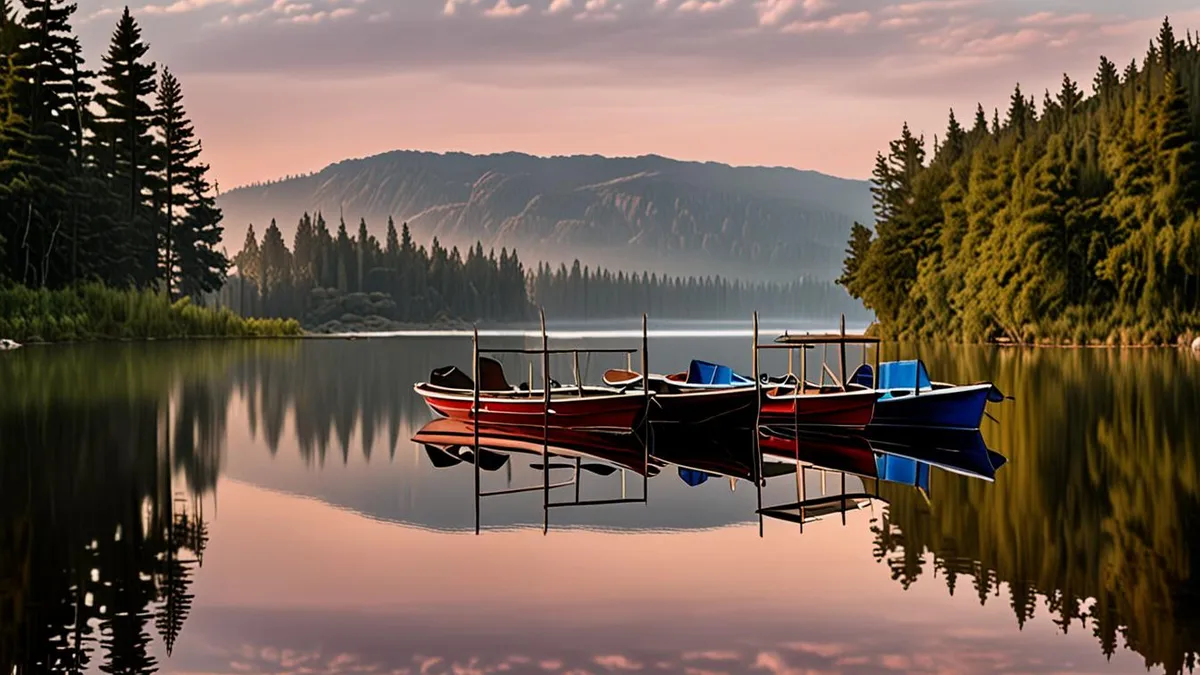
A fishing lodge, by contrast, is built around water. Proximity is the whole point, and many fishing lodges sit within a short drive of lakes or rivers, with boats docked and ready. Guides, tackle and fish cleaning facilities are part of the setup, and daily outings are planned around conditions: fly-fishers time their casts to insect hatches, while saltwater anglers work around tides. The water dictates the schedule, not the clock.
Two very different daily rhythms
This difference shows up most clearly in how a day unfolds. At a hunting lodge, your day follows animal movement patterns. You might be up well before sunrise, sit still in a blind for hours, and cover serious ground on foot depending on the species and terrain. Success is never guaranteed, and patience is part of the experience.
At a fishing lodge, the day follows weather and water conditions instead. A windy morning might push your outing to the afternoon, or a strong hatch might have you on the water at first light. The pace tends to be more flexible, and the action more predictable, but the schedule still bends to nature rather than to a fixed timetable.
Seasons and Timing for Each Lodge Type
Timing is the biggest divider between the two lodge types. Hunting seasons in the Northern Hemisphere typically run from September to February, with October and November standing out as the peak window for big game. That’s when rut activity, cooler weather and falling leaves make animals easier to locate, and it’s also when the best guides book out first.
Fishing lodges work on almost the opposite calendar. Prime fishing season generally runs from May to September, and if fly-fishing is your goal, June and July are the sweet spot. Insect hatches are at their most reliable, water temperatures are comfortable, and most lodges run their fullest schedule of guided outings during these weeks.
Shoulder months can stretch your budget
If your dates are flexible, look at the edges of each season. May and September can bring lower prices at both lodge types, since demand dips before and after the peak rush. You trade a bit of certainty—fish may be slower to cooperate, game movement less predictable—for quieter water, thinner crowds and rates that often sit below the high-season figures. Check with individual lodges, since deals vary by property and year.
For a fuller breakdown of how rates shift through the year, see this guide to lodge seasons and pricing before you lock in dates.
What You Pay: Typical Package Costs
Price is often the deciding factor, and the two lodge types cost more than many first-timers expect. Guided hunting packages typically run $1,500 to $5,000 per person for a multi-day stay, with the total shaped by how many days you book, the species you’re after and how remote the lodge is. A three-day deer hunt at an accessible lodge sits at the lower end, while a longer trip for elk or bear in harder-to-reach country pushes toward the top.
Full-service fishing lodges typically run $2,000 to $6,000 per person per week. That weekly structure makes fishing trips feel expensive at first glance, but remember it usually covers seven nights of lodging, all meals and daily guided outings. Spread across a week, the per-day cost can actually compare favorably with a shorter hunting package.
Before you compare quotes, ask exactly what each price includes. Most lodges include meals, but the extras vary widely, and they can add hundreds of dollars to your final bill. For a fuller picture of how costs shift by destination, see this breakdown of lodge prices by region.
- Licenses and tags: Hunting packages almost never include your hunting license or species tags, and some states or provinces require you to buy them separately before arrival, so budget for these on top of the quoted rate.
- Tackle and gear: Many fishing lodges provide rods and loaner tackle, but flies, lures and lost terminal tackle are often charged to your room tab, which adds up quickly on a week-long trip.
- Guide gratuities: Tips for guides and lodge staff are usually expected but rarely included in the package price, so set aside cash and ask the lodge what’s customary.
- Transport to the lodge: Some remote lodges include floatplane or shuttle transfers in the rate, while others bill them separately, and this single line item can be one of the largest add-ons.
How Far Ahead to Book
Booking windows differ between the two lodge types, and getting this right matters more than almost any other planning detail. For hunting lodges, aim to reserve 6 to 12 months ahead. The best guides book up quickly for the peak big-game stretch in October and November, and tags for many species are limited, so late callers often find the calendar full.
Fishing lodges follow a similar logic but with an even longer lead time. Popular full-service lodges fill their prime weeks 9 to 12 months out, especially for June to August dates when conditions are at their best. Returning guests often rebook the same week year after year, which shrinks the pool of open slots before the general public ever sees it.
Can you book last minute?
Occasionally, yes. Shoulder months like May and September sometimes produce cancellations, and a few lodges keep a cancellation list you can join. But treat last-minute hunting or fishing trips as a bonus, not a plan. Prime weeks rarely open up, and if they do, they are usually snapped up within days by people already on the waitlist.
If your dates are flexible, ask lodges directly about midweek gaps or early-season openings. Flexibility is often the difference between securing a spot and missing out entirely.
Amenities and Daily Routine Compared
A day at each lodge type follows a different rhythm, and the facilities reflect that. Hunting lodges are built around early starts, so expect pre-dawn breakfasts, a gear room for storing firearms or bows, and drying rooms where wet boots and coats can dry overnight. Evening meals tend to be hearty and served early enough for an early bedtime before the next morning’s outing.
Fishing lodges organize everything around the water. You will find boat docks, a tackle room stocked with loaner gear, and fish cleaning stations where guides or staff help process the day’s catch. Meal times are often more flexible, shifting around hatch times, tides and weather windows rather than the other way around.
What both types have in common
Both are usually remote. Expect limited Wi-Fi, patchy cell service and full-board dining, since nearby restaurants are rarely an option. Most stays include meals, while guided outings and licenses are usually add-ons, so budget for those extras. If you want a sense of what a remote lodge routine feels like day to day, this overview of facilities and daily routine at a safari lodge covers many of the same patterns.
One more practical difference: fishing lodges often sit within about 30 minutes of lakes or rivers, while hunting lodges may require 1 to 2 hours of travel to reach the hunting grounds each day. Factor that travel time into your expectations.
Choosing by Experience, Fitness and Group
The right lodge depends less on the destination and more on what you want from each day. Fishing trips deliver predictable daily action: even a slow day usually means hours on the water, casts made and fish spotted. Boat outings tend to be family-friendly, and the pace is relaxed, with flexible starts and time to swim, sightsee or simply sit on the dock. Because most fishing lodges sit within about 30 minutes of lakes or rivers, you spend your days fishing rather than driving.
Hunting trips demand a different mindset. Success odds are genuinely lower, since animals move on their own schedule and weather can shut things down. Mornings start well before sunrise, and the terrain is often steep, brushy or physically demanding. Many hunting lodges also require 1 to 2 hours of travel to reach the hunting grounds, so build that into your expectations. If you enjoy the process as much as the outcome, that challenge is exactly the appeal.
- Non-hunting companions: many hunting lodges can arrange guided hikes, wildlife photography walks or spa time, but confirm before booking rather than assuming.
- Young children: fishing lodges with stable boats and short outings usually suit kids better than dawn sits in a cold blind.
- Mobility concerns: ask about boat access versus long walks to stands, since hunting terrain varies enormously between lodges.
- Shared downtime: check whether the lodge has a lounge, sauna or tackle-tying evening so mixed groups reconnect at day’s end.
Mixed groups should always ask what non-participants can do while others head out. A good lodge will have answers ready; a vague reply is a warning sign worth heeding. It also pays to ask how the daily schedule is set, since fishing days typically flex around weather and water conditions while hunting days follow animal movement patterns.
Which Lodge Stay Fits Your Trip
So which lodge fits your trip? If you’re drawn to autumn and winter travel, early mornings afield and guided seasonal outings, a hunting lodge is the better match, with packages typically running $1,500 to $5,000 per person. If you’d rather spend long summer days on the water with steady action and a relaxed pace, a fishing lodge is the clearer choice, usually $2,000 to $6,000 per person per week.
Three factors settle it: timing, budget and your group’s needs. Match the season to the lodge type, check what your package includes, and make sure everyone traveling with you has something to enjoy. If that sounds like your kind of trip, leave a comment or share this article with a friend who’s planning the same decision.