Booking a lodge stay often comes with a confusing choice: do you take the private room and pay more, or grab a bed in a shared dorm-style room and hope for a decent night’s sleep? Many travelers can’t tell which option will actually suit their budget, comfort level and social expectations, and lodge websites don’t always make the difference clear.
This guide to private vs shared lodge accommodation breaks the decision down step by step. We’ll explain what each option really means, how much money you can genuinely save, and how privacy, sleep quality and the social side compare. You’ll also find practical advice on how far ahead to book each room type, which option fits different trip styles, and a simple way to make the final call. By the end, you’ll know exactly what to look for before you confirm your next lodge booking.
What Private and Shared Lodge Accommodation Actually Means
The definitions sound simple, but lodges use the same words in different ways, so it pays to know exactly what you’re booking before you pay.
What a private room includes
A private room means you book the whole room, not just a bed in it. These rooms usually sleep 2 people, come with a lockable door, and commonly include an en-suite bathroom. You get the space to yourselves, along with storage for all your belongings rather than a single locker.
What shared accommodation means
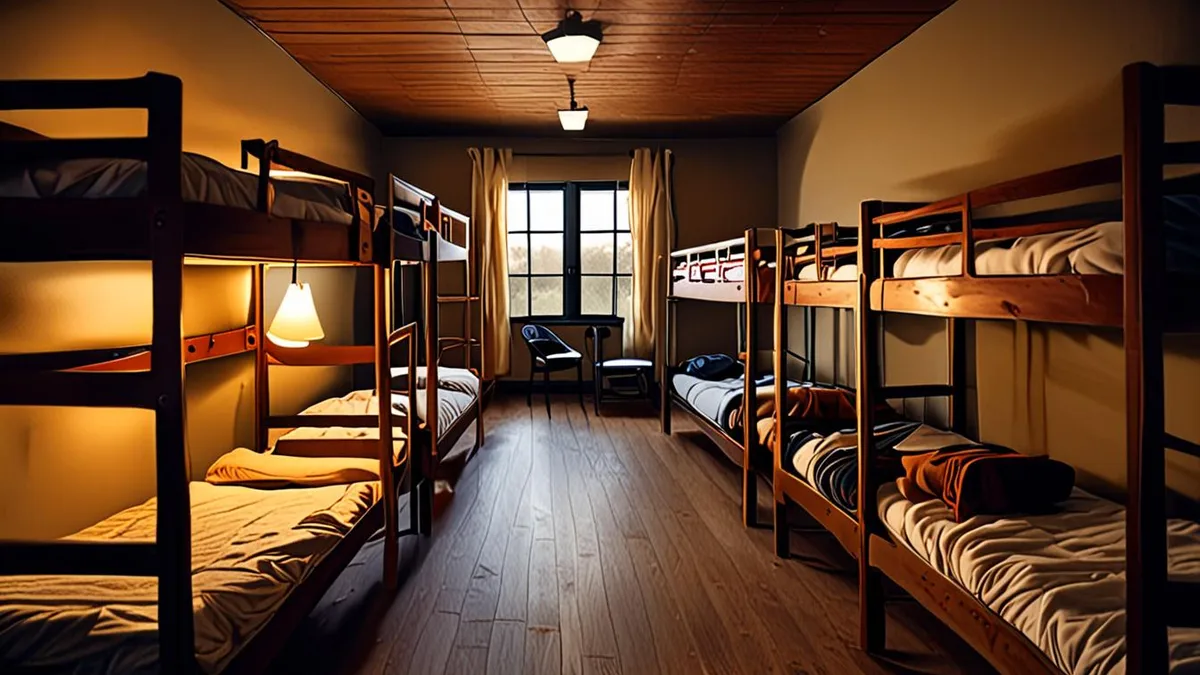
Shared options work differently: you book an individual bed in a dorm-style room that commonly houses 4-10 beds. Bathrooms are communal, shared with other guests in the lodge. Your personal space is essentially the bed itself, sometimes with a locker nearby.
Many lodges also offer a middle option that’s easy to overlook: a private room with a shared bathroom. You still get a lockable room of your own, but you walk down the hall to wash, and the price usually sits between a dorm bed and a full private room. For travelers who want a door that locks but don’t need an en-suite, this can be a smart compromise.
One final warning: terminology varies a lot by region. In some countries, “shared” means you share the room with other guests; in others, it only means shared bathroom facilities while the room itself is private. Always read the room description carefully or ask the lodge directly before booking, so you know whether you’re reserving a bed or a whole room.
Cost Differences: How Much Each Option Really Saves
Money is usually the deciding factor between the two options, and the savings from going shared are real. Shared rooms typically cost 30-50% less than private rooms at the same lodge, which can add up to a significant amount over a multi-night stay. If you want a broader picture of what lodges charge in different parts of the world, this breakdown of lodge costs by region is a useful starting point.
The math looks different depending on who’s traveling. A solo traveler in a private room effectively pays double per person compared with a dorm bed, since the room rate covers one guest. Couples, on the other hand, often find private rooms better value than two dorm beds, because the room price is usually built around two occupants.
- Bathroom type drives price tiers: private rooms with en-suite bathrooms sit at the top of a lodge’s price range, so choosing one without an en-suite can noticeably cut the cost while keeping the private room itself.
- Shoulder season matters: the price gap between shared and private options tends to narrow outside peak periods, making an upgrade more affordable than it would be in high season.
- Long stays amplify savings: the 30-50% difference per night compounds over a week or more, which is why long-term lodge guests often choose dorms even when they could afford a private room.
Before booking, compare the per-person cost rather than the room cost. That single calculation often settles the private vs shared question faster than anything else.
Privacy, Sleep Quality and Comfort Compared
Comfort is where the two options differ most, and it’s worth being honest with yourself about what kind of sleeper you are before you book.
What shared rooms are really like at night
In a dorm-style room, you’re at the mercy of other guests’ schedules. Expect noise from people coming in late, early packers rustling around before dawn hikes, and room temperatures that swing depending on how many bodies are in the space and whether anyone opens a window. In lodges with thin wooden walls, sounds from both inside the room and the corridor carry easily, so light sleepers should weigh shared options carefully.
Storage and security differences
Private rooms guarantee lockable storage for all your belongings, since the whole room locks behind you. You can leave gear out on a shelf or spread across a chair without thinking twice about it.
Dorm guests usually get a personal locker instead, which protects your valuables but means everything else stays out in the open room. One practical tip: bring your own padlock, because many lodges don’t supply them, and buying one on arrival at a remote lodge can be difficult or expensive. A small combination lock takes up almost no space in your pack and removes a common source of arrival-day frustration.
If guaranteed sleep matters more than saving money, a private room is the safer bet. If you sleep soundly anywhere and travel with earplugs, a shared room may cost you nothing in comfort at all.
The Social Side: When Shared Lodge Accommodation Wins
One of the biggest arguments for shared lodge accommodation is the people you meet. When you’re sleeping in a dorm with other guests on the same multi-day route, conversation starts naturally over packing tips, trail conditions and dinner plans. Solo travelers often find this makes the whole trip feel less lonely, especially on longer lodge-to-lodge itineraries where evenings can otherwise stretch out quietly.
That said, the room itself isn’t the only social hub. Most lodges are built around communal spaces that bring everyone together regardless of where they sleep. A shared dining table, a fire pit under the stars or a lounge with a kettle and board games can turn strangers into hiking partners within a night.
Here’s the good news for privacy seekers: booking a private room doesn’t cut you off from any of this. You still eat in the same dining room, join the same guided activities and chat around the same fire. You simply retreat to a quiet, lockable space when you’ve had enough company.
Before you commit to a dorm, check the lodge’s rules. Some properties set restrictions on who can book shared rooms:
- Age caps are common, with many lodges limiting dorms to guests aged roughly 18-40 to keep noise and schedules compatible
- Some properties designate certain dorms as adult-only, which suits travelers who want a shared room without families or school groups
- A few lodges assign beds rather than letting you choose, which can affect who you end up bunking beside
- Curfews or lights-out times sometimes apply in shared rooms, something rarely mentioned on booking pages
Booking Lead Times for Private vs Shared Lodge Accommodation
Private rooms move much faster than dorm beds, and that’s the single biggest planning difference between the two. In popular lodge regions, a private room for high season typically needs to be booked 3-6 months ahead. Leave it later and you’ll often find only dorm beds left, or private rooms at properties you wouldn’t have chosen.
Shared accommodation is far more forgiving. Dorm beds can often be booked just 2-4 weeks ahead, even during peak periods, because lodges hold many individual beds and one cancellation doesn’t empty a room. If your plans are loose or you’re routing day by day, shared rooms give you flexibility that private rooms simply can’t match.
Traveling as a group? Book earlier
Groups of three or more face a particular challenge. Lodges hold relatively few multi-bed private rooms, so filling three or four private rooms late in the booking window is difficult. If you want to stay together in private rooms, treat your trip like a high-season booking and secure them months ahead.
Timing also affects the price gap. In shoulder season, lodges discount private rooms to fill them, which narrows the difference between the two options considerably. A private room that was out of reach in peak season can become affordable when demand drops. For a fuller breakdown of how seasons shape lodge pricing, see our guide to when to book lodge stays and how seasons affect prices.
Which Option Suits Your Trip Type
Budget matters, but the type of trip you’re planning matters just as much when choosing between private and shared lodge accommodation. A dorm bed that feels like great value on a week-long trek can feel like a mistake on a two-night safari where you paid a premium to be there at all.
Hikers and backpackers on multi-day routes usually lean toward shared rooms, and it’s easy to see why. They leave far more money in your pocket each night, they’re easier to book late, and fellow dorm guests are often walking the same route the next morning. Flexibility counts for a lot when your daily distance depends on weather and tired legs.
Couples and families should look the other way. Dorms rarely suit children, so families should target private rooms or dedicated family rooms that sleep 4-6. Couples doing the math will often find one private room beats paying for two separate dorm beds, especially once privacy and a decent night’s sleep are factored in.
Trip length shifts the balance too. On short 1-2 night stays, a private room is usually worth the extra cost for guaranteed rest before an early start. On longer stays, the savings from shared rooms add up significantly and can stretch the whole trip by days.
A few trip-specific considerations worth weighing:
- Safari and alpine lodges tend to attract guests expecting comfort and quiet, so a private room better matches the overall experience you’re paying for
- On multi-day hiking routes, luggage logistics favor dorms, since you’re often repacking daily and only need a locker rather than a full room
- Family rooms frequently include extra beds or bunks, so ask about room configurations rather than assuming all private rooms sleep just 2
- If your route includes rest days, a private room for those nights only can be a smart compromise between cost and recovery
Wrapping Up the Private vs Shared Decision
So which one should you book? If your budget is the deciding factor, shared lodge accommodation typically saves you 30-50% over a private room at the same property, but you trade away privacy and any guarantee of an uninterrupted night’s sleep. If comfort and rest matter more than savings, a private room is the safer bet, provided you book it 3-6 months ahead for high season.
The right choice ultimately comes down to three things: your group size, the length of your trip, and how much social contact you want along the way. A solo traveler on a long route may love the dorm atmosphere, while a couple on a short stay will likely find the extra cost of a private room well spent. Whichever way you lean, we’d love to hear about your own lodge experiences in the comments, or share this article with a fellow traveler deciding the same thing.