Booking accommodation in Japan often comes down to one question: ryokan vs hotel, and which one actually fits your trip? A traditional ryokan promises tatami rooms, kaiseki dinners and onsen baths, while a hotel offers lower prices, flexible mealtimes and a Western bed. Both are good choices, but they suit very different travel styles and budgets.
This guide breaks the decision down for you. We explain what a ryokan stay actually includes, compare the real costs of each option, and show when a hotel is the smarter pick and when a ryokan justifies the splurge. You’ll also find the etiquette differences to know before you check in, tips on how and when to book each stay type, and a simple way to mix the two so your Japan itinerary works for you rather than against you.
What a Ryokan Stay Actually Includes
A ryokan is a traditional Japanese inn, and the experience starts the moment you arrive. Staff greet you at the entrance, help with your luggage and escort you to your room, explaining the house rituals along the way. This style of attentive, anticipatory service is called omotenashi, and it shapes everything from how your meals are timed to how your bedding is prepared. Unlike a standard hotel front desk, the staff here act almost like personal hosts for the length of your stay.
The rooms themselves are a big part of the appeal. Instead of a bed and a desk, you get a tatami-floored space with low furniture, sliding shoji screens and a calm, minimalist feel. Shoes come off at the entrance, and you’ll slip into the provided yukata robe once you’re settled. Each evening, staff lay out a futon on the floor for you to sleep on, then store it away again each morning so the room doubles as a living space during the day. It feels very different from a hotel room, and that difference is exactly the point. Here’s what a typical stay includes:
- Tatami-floored rooms: You’ll sleep on a futon laid out by staff in the evening and packed away each morning, which frees up the room during the day.
- Kaiseki dining: A multi-course dinner built around seasonal ingredients, followed by a Japanese breakfast, served either in your room or in a dining hall.
- Yukata and tea: A cotton yukata robe to wear around the property, a green tea set in your room, and access to onsen baths, which are often a mix of indoor and outdoor pools.
- Guided service: Staff walk you through the rituals on arrival, from when to take your bath to how dinner will be served, so you never have to guess.
Ryokan vs Hotel: Cost Comparison
At first glance, ryokans look far more expensive than hotels, and the sticker numbers back that up. Business hotels typically run 6,000-12,000 yen per night for one person, making them the budget-friendly default across Japan. Mid-range ryokans typically cost 15,000-30,000 yen per person per night, but that price includes both dinner and breakfast, often multi-course and served in your room.
The real gap is smaller than it looks
To compare fairly, add up what a hotel night actually costs you. Take the room rate, then add dinner at a restaurant, breakfast the next morning, and drinks. A business hotel room plus two restaurant meals can easily approach the lower end of the ryokan range, especially in city centers where dining adds up quickly. Ryokan rates are quoted per person, so a couple paying 20,000 yen each is paying 40,000 yen total, but with two full meals included.
Where the top end sits
Luxury ryokans in Hakone or Kyoto can exceed 50,000 yen per person per night, rivalling the top city hotels in price. At that level you’re paying for private baths, refined kaiseki menus and rooms with views, not just a place to sleep. If your budget sits between the mid-range and luxury tiers, check whether a ryokan offers plans without dinner, which brings the nightly cost down while keeping the room and baths.
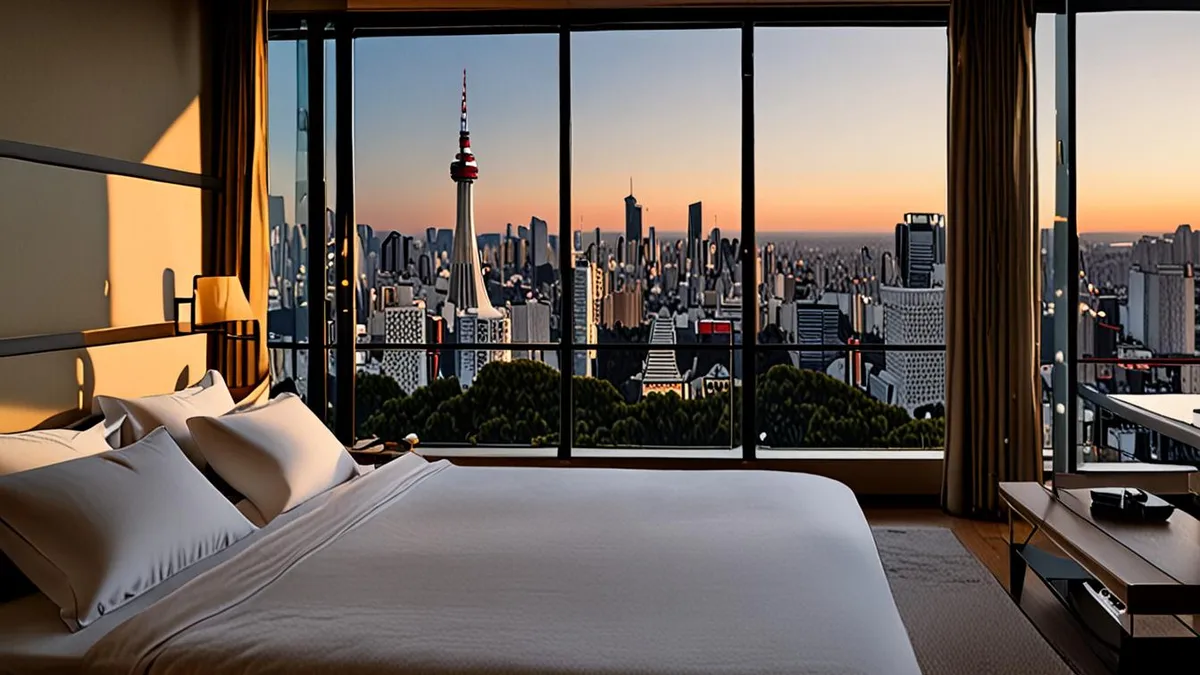
When a Hotel Is the Better Choice
Hotels are the better choice more often than many first-time visitors expect, and it usually comes down to schedule. Ryokan dinner is often served as early as 18:00-19:00, which means you need to be back at the inn by late afternoon and settled in for the evening. If your itinerary involves city-hopping and late dinners, that fixed routine can feel like a constraint rather than a treat.
Flexibility matters in other ways too. Hotels let you come and go without announcing your return, store luggage for days rather than hours, and eat whenever you happen to be hungry. For short city stays, a hotel simply asks less of you. There’s no ritual to learn, no meal plan to confirm in advance, and no need to time your train arrival around someone else’s dining schedule. Here’s where hotels pull ahead:
- City-hopping trips: If you’re moving between cities and want to try different neighborhoods for dinner each night, a hotel keeps your evenings open instead of locking you into an 18:00-19:00 meal slot.
- Solo travelers on short stays: For 1-2 nights in a city, a business hotel costs less and gives you more flexibility than a ryokan priced per person with mandatory meals.
- Western beds and freedom: If you’d rather not sleep on a futon, want to leave luggage at the front desk for several days, or dislike set mealtimes, a hotel removes all three frictions at once.
- Compact single rooms: Business hotels are built around solo guests, offering efficient single rooms with a proper bed, desk and private bathroom, with no shared spaces to navigate.
None of this makes hotels the superior stay in every situation — it simply means they fit certain travel styles better. If your days are packed with sightseeing and your evenings unpredictable, the hotel’s lower commitment is exactly what you need. Save the ryokan for a stretch of the trip where you can slow down and settle in early.
When a Ryokan Is Worth the Splurge
Some destinations in Japan are practically designed around the ryokan experience, and staying anywhere else means missing the point. Onsen towns like Hakone, Kusatsu and Noboribetsu exist because of their hot springs, and the traditional inns there are built around them. Many rooms come with direct access to baths, some indoor and some outdoor with mountain or river views, so you can soak in the evening and again at sunrise without leaving the property.
A rest stop that actually restores you
Japan travel can be exhausting. You walk ten kilometers a day in Tokyo, drag luggage through train stations and push through crowded sights. A one or two night ryokan stay in the middle of your trip works like a reset button. You arrive in the afternoon, change into a yukata, soak in the onsen, eat a long multi-course dinner and sleep on a futon in a quiet tatami room. The next day you feel genuinely recovered rather than just caffeinated.
The food alone can justify the booking. Kaiseki dinners showcase seasonal ingredients, with courses that change monthly and often reflect the local region, from mountain vegetables to fresh coastal fish. If you care about Japanese cuisine, this is one of the best ways to experience it at its most considered.
Finally, think about who you are traveling with. Couples and small groups tend to get the most out of a ryokan: dining together in a private room, chatting in the baths and sharing the unhurried pace. Solo travelers can absolutely enjoy it too, but the format is built around togetherness, and that is where much of the value lies.
Etiquette and Practical Differences to Know
Ryokan stays come with a few unwritten rules that first-time visitors sometimes find confusing. None of them are difficult, but knowing them in advance makes the whole experience smoother and more relaxing. Staff will usually explain the basics when they escort you to your room, so do not be shy about asking questions.
The biggest adjustment for most guests is timing. Unlike a hotel, where you drift in whenever you like, a ryokan runs on a schedule built around your dinner service. Check-in typically runs from 15:00 to 17:00, and dinner may start at 18:00 or 19:00, which is earlier than most travelers are used to. If your train is delayed and you arrive after that window, the kitchen may already have closed and you could miss the meal you paid for. Call ahead if your plans change so the kitchen can hold or adjust your serving time.
Bath etiquette matters too. Onsen require a full wash at the bathing stations before you step into the shared tub, and you keep your small towel out of the water. Tattoos are sometimes restricted in shared baths, so ask in advance whether the property offers private baths you can reserve.
- Shoes stay off on tatami. Step out of your shoes at the entrance and onto the provided slippers, then remove those before stepping onto the tatami itself.
- The yukata is your room outfit. Wear it while lounging, walking to dinner and heading to the baths, tied with the belt left over right.
- Sleep on the futon, not the bare tatami. Staff lay out the futon in the evening; if you turn in early, call the front desk to have it prepared.
How and When to Book Each Stay Type
Booking strategy differs a lot between ryokans and hotels, mostly because of demand patterns. Ryokans have a limited number of rooms, often just a dozen or two, and they sell out quickly during Japan’s two big travel peaks.
Timing your reservations
If you want a ryokan during cherry blossom season, which runs from late March to early April, or during November foliage, book two to three months ahead. Popular onsen properties in places like Hakone can fill their rooms well before that, so earlier is safer. Business hotels are a different story: outside peak season they rarely sell out, and booking two to four weeks ahead is usually enough, though always check availability for your specific dates.
Before you pay for a ryokan, read the rate carefully. Prices are quoted per person, not per room, and they depend on the meal plan. A rate with dinner and breakfast included costs more than a rate with breakfast only, and some properties offer a no-meals plan. Confirm exactly what is included so you can compare it fairly against a hotel room plus restaurant spending.
The approach that works best for most travelers is splitting the trip. Use business or mid-range hotels for your city nights in Tokyo, Osaka or Kyoto, where you want flexibility and late dinners, then book one ryokan stay for the onsen portion of your itinerary. You get the convenience of hotels where it matters and the full ryokan experience where it shines, without paying a premium for nights you will spend out sightseeing anyway.
Finding the Right Mix for Your Japan Trip
So which should you book? Hotels win on price, flexibility and city convenience, while ryokans win on food, baths and cultural depth. Neither is objectively better — they simply serve different kinds of nights.
For most first-time visitors, a hybrid itinerary works best: mostly hotel nights for your city days, plus one ryokan splurge for the onsen portion of your trip. Match each booking to your itinerary pace, your budget per night and how much onsen and kaiseki dining matter to you, and the decision usually makes itself. If this helped you plan your stay, leave a comment or share the article with a fellow traveler.