One of the trickiest parts of planning a trip to Japan is figuring out how much hotels in japan cost for your specific dates. The same room in Tokyo or Kyoto can roughly double in price depending on the month you visit. A business hotel that runs $60 a night in February might charge $140 or more during cherry blossom season, and travelers who don’t know this often end up with a budget that falls apart before the trip even starts.
This guide breaks down exactly how seasonal demand shapes hotel pricing across the country. We’ll look at how Japan’s calendar of holidays and natural events drives rates, what you can expect to pay for budget hotels, mid-range rooms and ryokan stays, and how peak weeks like cherry blossom season, Golden Week and autumn foliage push prices up. We’ll also cover where prices vary most between Tokyo, Kyoto and regional cities, the savings waiting in winter and the June rainy season, and the booking strategy that works best for each season.
How Seasonal Demand Shapes Hotel Prices in Japan
Japan’s hotel calendar runs on domestic holidays and natural events, not just international tourism. Japanese travelers take their vacations seriously and predictably, which means hotel prices spike on a schedule that repeats every year. If you understand that schedule, you can predict roughly what your room will cost before you even check rates.
The biggest single driver is cherry blossom season, which typically runs from late March to early April. During these few weeks, hotel rates in cities like Tokyo and Kyoto climb 30-50% above baseline, because both domestic and international visitors converge on the same parks and riversides at the same time. Rooms near the best viewing spots often sell out months in advance.
The other two big spikes
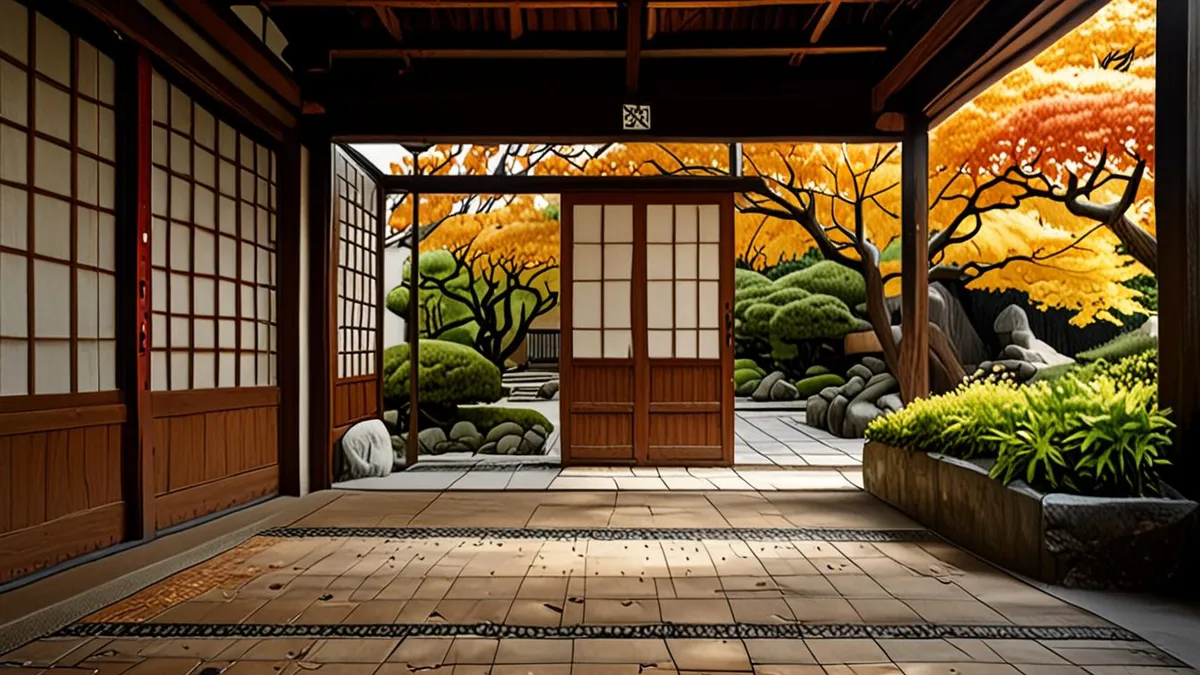
Golden Week, a cluster of national holidays in late April to early May, is among the priciest domestic travel weeks of the year. Mid-November brings the autumn foliage season, when rates rise another 20-40% as travelers head to Kyoto, Hakone and other famous leaf-viewing destinations.
On the flip side, January and February, outside the New Year holiday, and the June rainy season offer the year’s lowest rates. Crowds thin out, hotels discount aggressively, and the same rooms that commanded peak prices suddenly become affordable again.
Typical Nightly Rates: Budget, Mid-Range and Ryokan
Knowing the general seasonal pattern is only half the picture. You also need a realistic idea of what each type of accommodation actually costs per night, because Japan’s hotel market spans an enormous range, from $20 capsule pods to multi-hundred-dollar ryokan dinners. The good news is that prices are fairly consistent across the country for similar quality, so you can budget with reasonable confidence.
Budget business hotels, the compact, efficient chains you’ll find near every train station, run roughly $50-90 per night in low season. During peak weeks like cherry blossom season, expect those same rooms to jump to $100-150. Mid-range hotels sit at about $100-180 in low season, climbing to $180-300 during cherry blossom or foliage season. Ryokan, the traditional inns with tatami rooms and kaiseki dinners, typically cost $200-500 per person per night when meals are included, and they tend to be less affected by season than city hotels.
Accommodation types at a glance
- Business hotels: Rooms are small, often around 10-14 square meters, but you get a proper bed, desk and usually free Wi-Fi, which makes them the workhorse choice for solo travelers and couples on a budget.
- Ryokan: The quoted price usually covers dinner and breakfast served in your room or a dining area, plus access to the onsen baths, so compare per-person rates rather than per-room figures.
- Capsule hotels and hostels: These stay in the $20-50 range year-round, making them a hedge against seasonal spikes when peak-week prices elsewhere have doubled.
- Mid-range city hotels: Many offer both Western-style beds and Japanese-style rooms, and rates often drop noticeably for Sunday-through-Thursday nights compared to weekends.
Peak Season Pricing: Cherry Blossom, Golden Week and Autumn
Peak season in Japan isn’t one block of expensive dates. It’s three separate waves, each with its own character and its own booking logic. Understanding the differences helps you decide where to splurge, where to compromise and when to shift your dates by a week to save real money.
Cherry blossom and Golden Week
Cherry blossom season, from late March to early April, is the most competitive period of the year. In Kyoto and Tokyo especially, book 3-6 months ahead or expect limited choice and top-tier rates. Wait until a month before, and you’ll be choosing between overpriced rooms far from the center or dates that simply don’t exist. Golden Week works differently: it’s driven by Japanese domestic travelers, so resorts and onsen towns fill up even faster than the big cities. A quiet hot spring town that’s easy to book in February can be completely full for the holiday week.
Mid-November foliage season is the third wave, and it catches many travelers off guard. The same parks and temple gardens that draw crowds in spring draw them again when the maples turn red, so Kyoto and Hakone see some of the sharpest rate increases and the fastest sell-outs of the year.
The shoulder-week trick
If your schedule is flexible, aim for the shoulder weeks just before or after each peak. Early March, late May and early December often deliver near-peak scenery, plum blossoms, fresh green foliage or late autumn color, at noticeably lower prices and with far more availability. It’s the single easiest way to experience Japan at its most beautiful without paying peak rates.
The same principle applies to other popular destinations: much like choosing the right time to book a sunset-view hotel in Santorini, timing your stay just outside the peak window often matters more than which hotel you pick.
Low Season Savings: Winter and the June Rainy Season
If your travel dates are flexible, the cheapest hotel nights of the year in Japan fall in January and February, once the New Year holiday rush has passed. City hotels drop well below their usual rates during these months, and you’ll notice quieter lobbies and easier last-minute availability as well. For budget travelers, this stretch of winter is the single best value window on the calendar.
The June rainy season advantage
June brings Japan’s rainy season, and while that sounds discouraging, the reality is usually milder than the name suggests. Rain often arrives in short bursts rather than all-day downpours, leaving plenty of usable sightseeing time. Crowds thin out, hotel prices stay near their yearly lows, and attractions like temples and gardens feel far less congested than in spring.
One important exception
Ski destinations work in reverse. Resorts such as Niseko and Hakuba are at their most expensive during these same winter months, when snow conditions and international skiers drive demand. If skiing is your goal, book early; if it isn’t, skip the slopes and let the cities absorb your savings.
Low season is also the smartest time to splurge on a ryokan. A stay with dinner and breakfast is a premium experience at any time of year, but that same budget simply buys more in February than in November, when peak demand pushes rates up. If you’ve been eyeing a better room category, a private open-air bath, or a longer stay, the low-season months are when that upgrade stretches furthest. Check current rates directly with the ryokan, since meal plans and room types vary widely, then compare what your money gets you in winter versus the busier weeks.
Where Prices Vary Most: Tokyo, Kyoto and Regional Cities
Not all Japanese cities price the same way, and knowing where the swings are sharpest helps you decide where to splurge and where to save. Tokyo, Kyoto and the regional cities each follow their own rhythm.
Tokyo and Kyoto: the extremes
Tokyo shows the widest seasonal swings of any Japanese city. The same mid-range room can feel like two different price tiers depending on when you visit: a comfortable low-season rate can roughly double once cherry blossom or foliage weeks arrive, so timing alone can decide whether a hotel fits your budget or blows it.
Kyoto is the most extreme market in the country. During cherry blossom season and mid-November foliage weeks, the city’s best-known properties can sell out 3-6 months ahead. If Kyoto is central to your itinerary and your dates fall in a peak week, treat early booking as non-negotiable rather than optional.
Regional cities and onsen towns
Regional cities like Fukuoka, Sapporo and Hiroshima run noticeably cheaper than Tokyo for equivalent quality. You often get larger rooms and newer facilities for the same money, which makes them excellent bases if your route allows it. Check current rates for your specific dates, since the gap varies by season.
Onsen towns follow a different logic entirely. Pricing is built around room type and meal plan rather than star rating, so a “cheap” room with no meals can cost more per person than a package with kaiseki dinner and breakfast included. Always compare per-person rates, not just the headline room price, and check current details directly with the property before booking.
Booking Strategy for Each Season
Getting a good hotel rate in Japan is less about finding a secret discount and more about matching your booking timing to the season. The same trip can cost very different amounts depending on when you reserve and which rate type you choose. If you’ve compared seasonal pricing in how much European hotels cost by season, you’ll recognize the pattern: peak demand punishes late bookers, while low season rewards flexibility.
Start by working backwards from your travel dates. For the most in-demand weeks of the Japanese calendar, availability in the most popular cities thins out long before prices officially spike, so reserving as early as your plans allow locks in mid-range pricing before top-tier rates take over. Kyoto and Tokyo are where choice disappears first, and the rooms left at the end tend to be the most expensive ones.
Relax your timing for low-season trips. In the cheapest stretches of the year, booking a month or two ahead is usually enough, and last-minute deals are common. You can often wait and still find plenty of options at or below the going rate, which makes spontaneous winter or rainy-season city trips surprisingly easy.
Choose non-refundable rates when your dates are firm. Flexible-rate bookings cost more everywhere, but the gap widens during peak weeks, and the savings from committing early add up quickly over several nights. Just read the cancellation terms carefully before you click.
Watch cancellation windows around Golden Week. Japanese domestic travelers rebook aggressively during this period, so rooms can vanish suddenly as people shuffle their plans. Confirm exactly when your reservation becomes non-cancelable, and set a reminder well before that date so you’re not paying for a room you no longer need.
Whichever season you’re targeting, the underlying habit is the same: check the calendar for peak weeks before you book, then match your lead time and rate type to the demand curve. A few minutes of planning ahead of the booking screen is usually worth more than any promo code you’ll find later.
Wrapping Up Your Japan Hotel Budget
So, how much do hotels in Japan cost by season? The honest answer is that the calendar matters more than the star rating. Japanese hotel rates swing mainly around three peaks: cherry blossom in late March to early April, Golden Week in late April to early May, and the mid-November foliage season. Outside those windows, prices drop sharply.
Budget travelers can expect $50-90 low-season nights in a business hotel, while ryokan stays with meals typically run $200-500 per person year-round. The simplest formula for value: book 3-6 months ahead for peak weeks, and consider traveling in January-February or June, when rates hit their lowest. If this helped you plan your trip budget, leave a comment or share the article with a fellow traveler.