Glamping in the UK has exploded in popularity, and that is exactly the problem. Search any booking site and you will find hundreds of safari tents, domes, yurts and cabins scattered from Cornwall to the Highlands. The hard part is not finding a site, it is choosing the right region for your budget, your travel dates and the kind of stay you actually want.
This guide compares the four best regions for glamping in the UK side by side. We start with how to narrow down your choice, then look at Cornwall and the South West, the Lake District and Yorkshire, Wales and the Scottish Highlands in turn. Along the way you will find typical prices, realistic booking windows and honest downsides for each region. We finish with practical advice on booking, budgeting and matching your stay type to the landscape, plus a quick verdict on which region suits which traveler.
How to Choose a Glamping Region in the UK
Before you browse a single listing, make one decision: coast, countryside or mountains. This single choice narrows the whole UK down to three or four realistic regions and saves hours of scrolling. Coastal glamping points you toward Cornwall and the South West, mountains point you to the Lake District, Snowdonia or the Highlands, and rolling countryside opens up Yorkshire, Wales and plenty of inland options.
Next, be honest about drive time. Most southern regions work well from London, with journeys that fit comfortably into a Friday evening or a long weekend. The Lake District and Yorkshire, on the other hand, sit within easy reach of Manchester, Leeds and other northern cities, and a long drive from the capital eats into a two-night stay.
Season and budget come next
Match the region to your season. Scotland and other upland areas close earlier in the year than the South West, so an October trip limits your options noticeably. If you want the longest possible window, the far south-west is the safest bet.
Finally, set a nightly budget before you start browsing. Coastal hotspots typically price 20-40% above rural inland sites for similar accommodation, and it is easy to talk yourself into overspending one gorgeous listing at a time. Knowing your ceiling per night keeps the search realistic and leaves room in the budget for dinners out.
Cornwall and the South West: Longest Season and Coastal Charm
Cornwall and the wider South West have the longest glamping season of any UK region, running roughly April to October. That extra shoulder-season window matters: you can book a May or late-September break and still expect mild weather, open sites and lower prices than high summer.
What it costs and what to book
For weekend stays near the coast in summer, expect £90-£180 per night. If you want to understand what drives those prices, this breakdown of glamping costs by stay type covers safari tents, domes and cabins in detail. This region is at its best with safari tents and cabins with sea views, sheltered in coastal valleys but close enough to walk to the shore. For July and August weekends, book 3-6 months ahead, because the best sea-view sites sell out first.
The honest downside
The drive is the price you pay for that coastline. From London, expect around 4-5 hours, and traffic peaks badly on summer Fridays as half the capital heads the same way. Leaving early Saturday or traveling midweek makes a noticeable difference. If your trip is short, weigh whether the coast is worth hours on the motorway, or consider arriving late evening and waking up to the sea.
Lake District and Yorkshire: Mountains Within Reach of the North
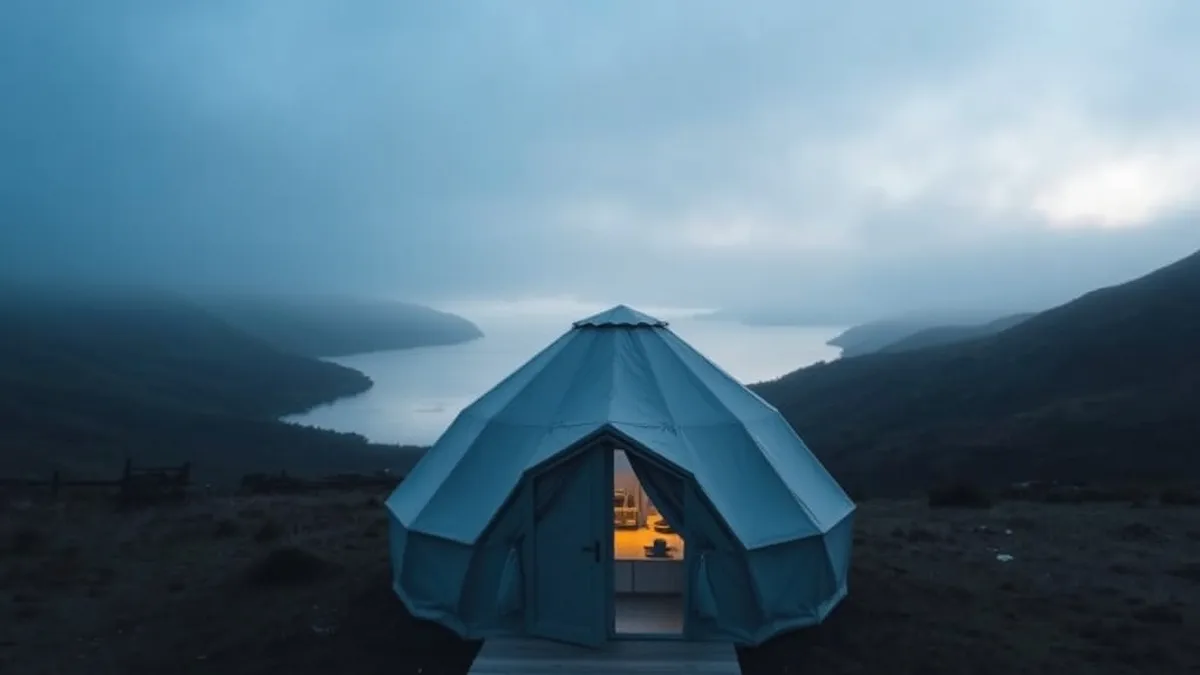
If you live in Manchester, Leeds or another northern city, the Lake District and Yorkshire are the obvious glamping regions. Both sit within 1-2 hours’ drive of major northern cities, which means a Friday-after-work departure is genuinely realistic and a two-night stay does not lose a day to travel.
Season and prices
The main glamping season runs roughly May to September. May and September are the sweet spots: the weather is often still good, the trails are quieter and the sites are calmer than in July and August. Expect £90-£180 per night for weekend stays, generally below Cornish coastal rates, so your budget stretches further for a similar standard of accommodation.
Best stay types here
These regions shine for yurts and cabins with fell or moorland views. In the Lake District, that means waking up looking at the fells; in Yorkshire, it means rolling moorland right from your deck. Both landscapes suit snug, enclosed stays that feel warm on a cool evening.
If this is your first trip away in a tent-like structure, it helps to read how to plan your first glamping trip as a beginner before you book, since packing, bedding and site facilities work differently from a regular hotel stay. For hikers, base yourself near a trailhead and check whether the site offers drying space, because wet boots are the reality of mountain glamping.
Wales: Mountains and Coast in One Trip
Wales is the region that lets you have it both ways. Snowdonia (Eryri) delivers proper mountain glamping, with yurts and cabins tucked into valleys below the peaks, while Pembrokeshire brings you sandy beaches and clifftop coastal sites. The two are often within a 2-3 hour drive of each other, so a single trip can cover both without changing hotels or repacking the car.
When to go and what you’ll pay
The season runs roughly May to September, which is a little shorter than the South West but still generous. September stands out as the quietest good-weather month: the sea holds its summer warmth, the school crowds are gone and site owners have more availability than in August.
Expect to pay around £80-£150 per night, which is generally better value than Cornwall and other South West coastal hotspots. That price gap matters more for groups, where a safari tent sleeping four or six can work out very reasonably per person.
Wales is also a good middle ground for groups with mixed priorities. If half your party wants a day on the coastal path and the other half wants a beach day, you rarely have to compromise. Check current availability and prices before booking, as rates shift with demand and school holidays.
Scottish Highlands: Wilderness Glamping in a Short Season
The Scottish Highlands offer the wildest glamping in Britain: geodesic domes beside lochs, cabins looking down glens, and dark skies you genuinely don’t get further south. The trade-off is a short window. Highland sites typically open only through the warmer months, and even then June plus early September tend to bring the most reliable weather.
Plan for the distances
Distances are large, so build them into your plan. Many Highland sites sit 3-4 hours from Edinburgh or Glasgow, and that’s before you factor in single-track roads on the final stretch. If you’re flying in, hiring a car at the airport is usually essential rather than optional.
Accommodation here sits at the upper end of what you’d pay elsewhere in Britain, with domes and cabins commanding a clear premium for a loch or glen outlook. Sites with a genuine water view cost the most in summer, so book early if the view is the whole point of the trip.
One local detail worth knowing: midges peak in July and early August, and they can make calm, humid evenings miserable outdoors. If you’re sensitive to them, aim for late May or September instead, when numbers drop noticeably and sites are quieter anyway. Pack a headnet if you do travel in peak midge season, and check with your host about current conditions before you go.
Booking, Budget and Stay Type by Region
Glamping pricing rewards planning. In the most popular regions, peak-season weekends go fast, and the best sites are often fully booked long before summer arrives. As a rule of thumb, book 3-6 months ahead if you’re set on a specific site or date, especially for the busiest stretches of the season. Leaving it late rarely means a better deal; it usually means no availability at all.
Timing matters just as much as destination. Off-peak weekday rates often drop to £60-£120 per night in most regions, which can roughly halve the cost of the same tent or cabin you’d pay a premium for on a summer Saturday. If your schedule allows a Monday-to-Wednesday stay, you’ll usually get the best sites at the softest prices, plus quieter facilities and easier parking.
Also match the stay type to the region rather than choosing on looks alone. A few things to weigh up:
- Domes suit exposed Highland sites. Their low profile and solid frame handle wind and weather better than lighter canvas structures on open moorland or lochside ground.
- Safari tents suit sheltered coastal valleys. Their large canvas panels and verandas shine in milder, sheltered settings, where they catch afternoon sun without taking the full force of coastal weather.
- Check minimum-night rules before you fall in love with a site. Two- or three-night minimums are common in peak season, so a one-nighter may not be possible when demand is high.
Finally, compare the total cost per stay, not just the headline nightly rate. A cheaper site with a two-night minimum can easily cost more overall than a pricier one that accepts single nights, so run the numbers for your actual dates. Always confirm current prices and terms directly with the site before booking, as rates and minimum-stay rules change year to year.
Which UK Region Should You Pick?
The UK is full of glamping options, but the real challenge is matching a region to the type of stay you want. The good news is that each region has a clear strength. Cornwall wins on season length and coast, the Lake District on accessibility, Wales on value, and the Highlands on wilderness.
In practice, when you can travel and how far you are willing to drive usually decide the region before price does. If your trip falls in early spring or late autumn, the South West makes sense thanks to its longer season. If you want wild scenery on a short break from a northern city, look to the Lake District or Yorkshire instead.
Whichever region you choose, a few habits keep costs down. Aim for midweek dates rather than weekends, since off-peak weekday rates often drop to £60-£120 per night, and reserve popular peak-season weekends 3-6 months ahead. If this helped you plan your trip, leave a comment or share the article with a fellow traveler.