Figuring out where to stay in New York city can feel harder than planning the trip itself. The city has hundreds of distinct neighborhoods spread across five boroughs, and picking the wrong base can mean overpaying for a room you barely see or spending an hour on the subway every morning just to reach the sights.
This guide compares the main options side by side. We start with how to choose your base based on your priorities, then look closely at Midtown and Times Square, Downtown Manhattan, Brooklyn, and Queens. We also cover when to book and how to save, and finish with a simple framework for picking your neighborhood. By the end, you’ll know which area fits your budget, your itinerary, and the way you actually like to travel.
Where to Stay in New York City: How to Choose Your Base
New York is big enough that your hotel choice shapes your whole trip. The smartest first move is matching the borough to your priorities. If your days will be packed with sightseeing, Midtown puts you within walking distance of the biggest attractions. If you care more about atmosphere, good food, and wandering interesting streets, Downtown is the better fit. And if you want to stretch your budget further, the outer boroughs deliver real value without sacrificing much convenience.
Before you book anything, check the subway lines. New York runs on its transit system, and one line within a 10-minute walk of your hotel beats a cheaper room that leaves you with a long bus ride or a slow multi-transfer commute. Look at a subway map, find the stations nearest the hotel, and trace the route to the places you plan to visit each day. A room that looks like a bargain can cost you hours of travel time.
Set your budget first
Money should come before neighborhood browsing. Decide on a nightly budget, then narrow your search to areas that fit it, because Manhattan prices can double outer-borough rates. A fixed budget keeps you from falling in love with a location you can’t afford, and it makes trade-offs obvious: pay more to be central, or pay less and accept a commute. Once your budget is set, the neighborhood comparison below becomes much easier.
Midtown and Times Square: Convenience at a Premium
Midtown and Times Square are the city’s convenience corridor, and they’re the best pick for first-time visitors who want walkable access to the major sights. From a base here, you can stroll to Times Square, walk to Central Park’s southern edge, and catch a Broadway show without worrying about a last train home. For a short first trip where you want to maximize sightseeing and minimize transit, this area is hard to beat.
That convenience comes at a price. In high season, expect $250-450 per night, making this the city’s priciest corridor. Rates climb even higher around the December holidays and peak summer weeks, so a room that seems reasonable in March can feel painful in July. If your dates are flexible, shifting your stay by a few days can change the price significantly.
The trade-offs, and how to soften them
The downsides are crowds, noise, and small rooms. Times Square never really quiets down, and many Midtown hotels pack a lot into limited space. Two practical fixes: ask for a room on a higher floor facing away from the avenue, which cuts street noise noticeably, and check the exact room size before booking rather than assuming a standard American hotel footprint. The same advice applies anywhere you travel — whether you’re comparing a Manhattan high-rise or reading about what to expect from hotels with sunset views in Santorini, knowing the room details before you book makes the stay better. If you can accept the bustle, Midtown rewards you with the easiest sightseeing logistics in the city.
Downtown Manhattan: SoHo, the West Village and Lower East Side
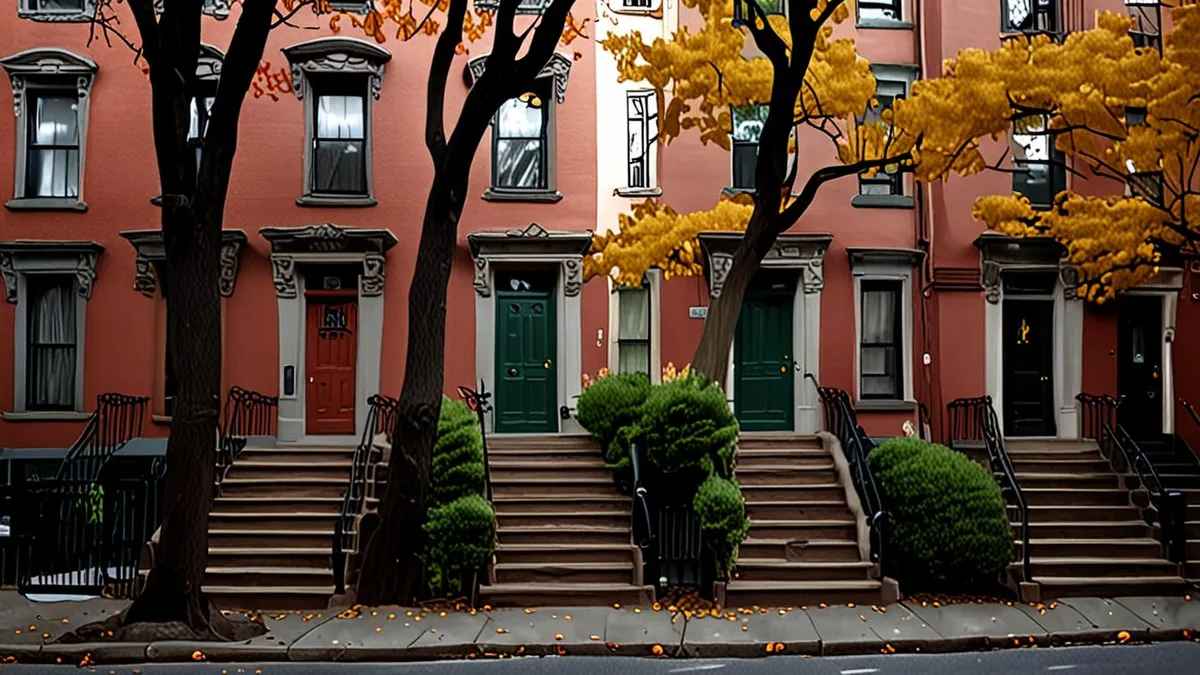
Downtown Manhattan is where the city gets its character back. Neighborhoods like SoHo, the West Village, and the Lower East Side trade Midtown’s office towers for boutiques, cafes, and nightlife. You’ll spend your mornings browsing small shops, your afternoons in coffee spots and parks, and your evenings in bars and restaurants that locals actually frequent. It’s a completely different rhythm from the sightseeing corridor uptown.
The practical catch is distance. Downtown sits roughly 20-40 minutes by subway from the main Midtown sights, so plan on a commute if your itinerary centers on Times Square, Broadway, or the museums along Fifth Avenue. Most visitors find the trade worthwhile, but it’s worth being honest with yourself about how much you’ll actually head uptown each day.
Who this area suits best
Room rates usually sit between Midtown and the outer boroughs, roughly $200-350 per night, so you’re paying a middle price for a lot of atmosphere. This part of the city is the best fit for second-time visitors who’ve already checked off the big sights, and for couples who value atmosphere over sightseeing proximity. If your ideal New York day involves wandering rather than racing between landmarks, Downtown will feel like the right base from the first morning.
Brooklyn: Williamsburg, Park Slope and DUMBO
Brooklyn has quietly become one of the best-value bases in New York City, and it is no longer a compromise choice. Hotel rooms here typically run $150-280 per night, and a subway ride of 20-30 minutes connects most Brooklyn neighborhoods to Midtown. That is a real saving compared to Manhattan, without giving up restaurants, coffee shops or evening entertainment.
The key is picking the right Brooklyn neighborhood for your travel style, because the borough is large and the vibe shifts dramatically from one stop to the next. A hotel that suits a couple on a foodie weekend will not suit a family with young kids, and vice versa.
- Williamsburg is the pick for nightlife and food lovers, with a dense concentration of bars, concert venues and restaurants packed into a walkable grid near the waterfront.
- Park Slope suits families, thanks to calm brownstone streets, playgrounds and quick access to Prospect Park, where kids can burn off energy before dinner.
- DUMBO offers the classic skyline views from its cobblestone streets and waterfront piers, making it a favorite for couples who want a romantic setting with easy photo stops.
Whichever area you choose, check the map before booking. Hotels near L, F, A or C line stations give you the fastest Manhattan connections, since these lines run directly into the city. A room a 15-minute walk from the nearest station will eat into the time you saved by staying in Brooklyn.
Queens and Other Value Picks: Long Island City and Beyond
If your budget is the deciding factor, Queens deserves a serious look. Rooms here typically cost $150-250 per night, and in some cases the commute is shorter than from parts of Brooklyn. Long Island City, just across the East River from Midtown, is the standout: it is one stop from Midtown on the 7 or E line, so you can be at Grand Central or Bryant Park in minutes.
The trade-off is atmosphere. Long Island City is more of a modern residential and office district than a postcard neighborhood, though it has its own growing restaurant scene and waterfront parks with skyline views.
Astoria: residential charm and great food
Astoria, a few stops further out on the same lines, adds Greek food and a residential feel, and it sits about 25 minutes from Midtown. You get tree-lined streets, old-school taverns and some of the best Greek restaurants in the city, often at prices well below Manhattan.
This strategy works best for longer stays or for travelers who don’t mind commuting. If you are in the city for a week and plan to spend your evenings in restaurants rather than hotel bars, saving the difference between a Midtown rate and a Queens rate can add up to a meaningful chunk of your trip budget. Check current rates before booking, as prices shift with the seasons.
When to Book and How to Save
New York hotel prices swing more with the calendar than most travelers expect, and timing your booking matters almost as much as picking the neighborhood. The same room can cost dramatically more in July than in February, so plan around the seasons rather than hoping for a last-minute deal. Demand follows the school calendar, the weather and the holiday season, which means rates can jump or drop by half depending on when you arrive. A little flexibility with your dates is often the single easiest way to save money in this city.
- Aim for the cheapest months if you have flexibility. January and February offer the lowest rates of the year, and you also get shorter lines at popular attractions. Pack for cold weather and you will be rewarded with a calmer, more affordable city.
- Avoid peak windows if you can. June to August and the December holidays are the busiest and most expensive periods, when even modest rooms command premium prices. If you must travel then, book as far ahead as possible.
- Book 2-4 months ahead for May-September stays. Locking in early usually secures better prices than waiting, since availability tightens as summer approaches and prices climb.
- Split a longer trip between two boroughs. For a 5-7 night stay, consider a few nights in Manhattan for sightseeing and the rest in Brooklyn or Queens to balance cost and convenience.
Seasonal pricing patterns like these are not unique to New York, either. If you are planning a multi-country trip, it helps to understand how hotel rates move through the year elsewhere too; this guide to how European hotel prices change by season breaks down the same logic across the Atlantic. Before you commit, compare a few date combinations in a calendar view rather than searching day by day. Shifting a stay by even a couple of nights can move you into a cheaper window, and the savings will often pay for an extra dinner out or another museum visit. Check the current rates directly with the hotel before booking, since promotions and cancellation terms vary from one property to the next.
Picking Your New York Neighborhood
So where should you stay? If you want to step out your door and be minutes from the biggest sights, Midtown buys you convenience at the city’s steepest rates, typically $250-450 per night in high season. If you care more about atmosphere, cafés and nightlife than walking to Times Square, Downtown delivers character. And if you’d rather stretch your budget, Brooklyn and Queens offer rooms from around $150-280 with a 20-30 minute subway ride to Midtown.
Timing matters as much as location. Summer and the December holidays are peak season, so book 2-4 months ahead for stays between May and September, while January and February are the cheapest months. Whatever you choose, let subway access guide your final decision: one reliable line near your hotel will shape your trip more than any other detail. If you’re planning a 5-7 night visit, splitting your stay between two boroughs can give you both value and convenience. Which neighborhood would you pick? Leave a comment or share this article with a friend planning a trip.