Picking where to stay in Rome is trickier than it looks. On the map, the neighborhoods huddle together along the Tiber, but each one feels completely different once you’re actually sleeping in it. A base in the lively heart of the centro might mean music under your window until 2 a.m., while a quiet residential street could add twenty minutes of walking to every outing. Choose wrong, and the mistake follows you through the whole trip.
This guide breaks Rome down into five practical bases, from the grand streets around the Pantheon to the budget-friendly blocks near Termini station. For each neighborhood, you’ll find who it suits best, what the streets actually feel like after dark, and the trade-offs nobody mentions until checkout. There’s also a section on timing, because when you book matters almost as much as where. By the end, you should know exactly which Roman base matches your travel style.
Where to Stay in Rome: How the City Is Organized
Rome’s historic center is far more compact than most first-time visitors expect. The Pantheon, Trevi Fountain, Piazza Navona and the Spanish Steps all sit within roughly a 30-minute walk of each other, and many are much closer. This means no neighborhood in the central belt is truly “far away” from the sights — the real question isn’t distance, it’s atmosphere.
The city divides naturally into five practical bases. Centro Storico covers the postcard core around the Pantheon and Piazza Navona. Trastevere sits across the river with its own village character. Monti hugs the slopes between the Colosseum and Termini. Prati offers a quieter, more residential feel near the Vatican, and the budget belt around Termini station keeps costs low while putting the entire city within easy reach.
Atmosphere Beats Distance
Because everything is so walkable, the right choice depends less on proximity to sights and more on how you want your evenings to feel. Centro Storico is grand and polished, with elegant facades and café tables spilling onto cobblestones. Trastevere is bohemian and noisy, all ivy-covered lanes and late-night trattorias. Monti feels like a small village tucked between ancient ruins, while Prati is orderly and residential, and Termini is transit-friendly above all else.
Think honestly about your travel style before booking. If you want to step outside and be instantly surrounded by monuments, one neighborhood makes sense. If you’d rather have a quiet night’s sleep or a local dinner scene, another will fit far better — even if it means a short walk or tram ride to the big names.
Centro Storico: Pantheon, Piazza Navona and Campo de’ Fiori
Centro Storico is the neighborhood most first-time visitors picture when they imagine Rome. Step out of your hotel and you can be at the Pantheon, Piazza Navona or the Trevi Fountain within minutes — no metro, no planning, just walk out the door and there it is. For a short first visit, that convenience is hard to beat, and it’s the main reason this area commands the city’s highest demand.
What the Streets Feel Like
Expect grand palazzi buildings with shuttered windows, elegant boutiques tucked into centuries-old facades, and the highest concentration of restaurants and cafés in the city. You can wander from a morning espresso near Campo de’ Fiori to an aperitivo by Piazza Navona without ever crossing a busy road. Everything is close, polished and made for strolling.
The Trade-Offs
That convenience comes at a price. This is the noisiest part of Rome at night, as restaurants and bars keep the lanes lively until late, and narrow streets bounce sound straight up to bedroom windows. It’s also the least local-feeling area, since much of the economy here is built around visitors rather than residents. If you crave an authentic neighborhood rhythm, you may find Centro Storico a bit like sleeping inside a postcard.
One useful habit when comparing hotels here: look closely at what “view” and “central” actually mean in each listing. The difference between a room facing a quiet courtyard and one over a crowded lane shapes the whole stay — a lesson that applies to scenic destinations everywhere, including when choosing hotels with sunset views in Santorini. Ask about room orientation before you book, not after you arrive.
Trastevere: Local Character Across the River
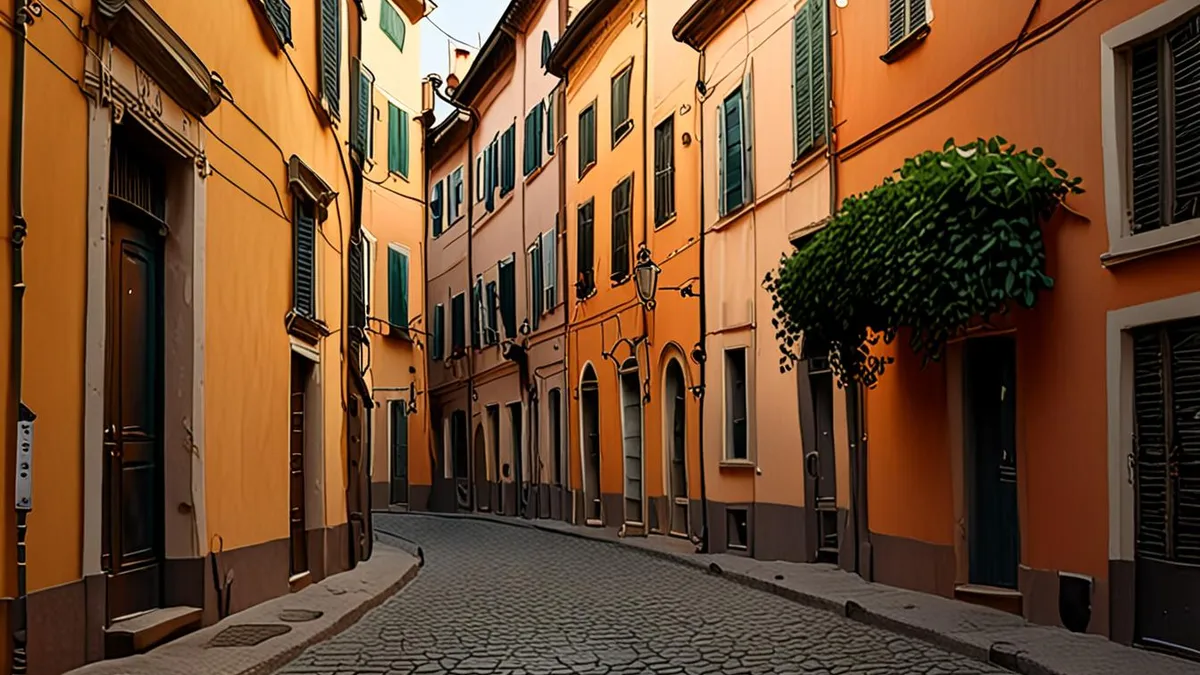
Trastevere is the Rome that many travelers fall in love with on their second visit. Cross the river and the postcard crowds thin out, replaced by ivy-covered lanes, ochre buildings and family-run trattorias where the menu is short and the wine is local. Come evening, the whole quarter hums: locals and visitors spill onto piazzas, and the streets stay lively well past dinner. If you want atmosphere and an authentic evening buzz without giving up character, this is your base.
Getting to the Sights
Despite sitting across the Tiber, Trastevere isn’t cut off. It’s about a 20-minute walk from the Pantheon, and the route across the river is one of the pleasantest strolls in the city. When tired feet win the argument, the tram across the river is a reliable backup, whisking you back from the center without effort.
Downsides to Weigh
Three practical issues deserve honest consideration before you book. First, the cobblestones: they’re beautiful but brutal on rolling luggage, so pack light or prepare for a bumpy drag from the nearest taxi drop-off. Second, the eastern edge of the neighborhood climbs into hillside streets, and a “charming elevated apartment” can mean a serious uphill walk after a long day of sightseeing. Third, the famous nightlife that gives Trastevere its energy also brings noise — light sleepers should look for rooms on inner courtyards or on quieter side streets rather than near the main bar strips.
Weigh those trade-offs against what you get: a neighborhood where dinner, a glass of wine and a late stroll happen on the same few blocks. For many travelers, that’s exactly the Rome they came for.
Monti: Boutique Stays Between the Colosseum and the Center
If Monti were a person, it would be the stylish friend who knows the best wine bar but never makes a fuss about it. This small quarter sits on a low hill between the Roman Forum and Termini station, with the Colosseum just a 5–10 minute walk downhill. That makes it one of the few neighborhoods in Rome where you can wake up, stroll to an ancient monument before the crowds arrive, and still be back for a late breakfast.
The feel here is village-like and creative rather than grand. Monti was historically a working-class district, and that legacy shows in its narrow lanes, vintage shops and small independent boutiques run by local designers. Come evening, tiny wine bars and casual restaurants fill the main piazzas, yet the residential side streets stay remarkably quiet. Design-focused travelers will find more small boutique hotels and stylish guesthouses here than anywhere else in the center.
Why the location works so well
Monti’s position is its quiet superpower. You can walk to the Forum and Colosseum in minutes, reach the historic center on foot in around 20 minutes, and hop on the metro at Termini or Cavour when your feet give out. If you want atmosphere without Trastevere’s late-night volume, and convenience without Centro Storico’s prices, Monti is the practical compromise that quietly beats both.
Prati and the Vatican: Quiet, Space and Family Comfort
Prati looks nothing like the rest of central Rome, and that is exactly its appeal. Instead of tangled medieval lanes, you get orderly, grid-planned streets, wide sidewalks and apartment buildings with elevators. Rooms here tend to be larger than what the historic center offers, and the streets stay calm after dark, which makes the area a favorite for families and light sleepers.
The location is better than many visitors assume. St. Peter’s Basilica is a 15–20 minute walk away, and the Vatican Museums sit at the neighborhood’s edge. Because Prati is a genuine residential district, you also get the practical things families actually need: supermarkets for picnic supplies, pharmacies, gelato shops and cafés where locals outnumber tourists. The rhythm of the day feels Roman here, not staged for visitors.
Hotels or apartment-style stays?
Prati has a good mix of both, so it pays to compare them honestly before booking. A hotel gives you daily housekeeping and a front desk for early check-in questions, while an apartment-style homestay gives you a kitchen, a separate living space and often a washing machine. If you are traveling with children, weigh kitchen access and total space carefully. Our guide to hotels vs homestays in Europe walks through that decision in detail.
One practical note: Prati sits across the river from most of the ancient sights, so reaching the Pantheon or Colosseum means a metro ride or a longer walk. If your days are Vatican-focused, that does not matter at all. If you plan to crisscross the center daily, factor in the extra transit time each morning.
Budget Areas and When to Book: Termini, Esquilino and Seasonal Prices
Rome has a real budget belt, and it radiates out from Termini station. The streets around the station and into neighboring Esquilino offer the city’s cheapest beds, with budget doubles typically running roughly €80–130 per night. The trade-off is atmosphere: these are busy, functional districts rather than postcard lanes, and some blocks feel gritty after dark. What you gain in exchange is unmatched transport access, since Termini connects both metro lines with buses and airport trains.
For comparison, mid-range doubles in the central neighborhoods run about €150–250 per night in high season. That gap of €70–120 per night adds up fast over a week, which is why budget travelers often accept the Termini trade-off and spend the savings on dinners and tickets. If you want to understand how rates shift across the calendar, our breakdown of how much European hotels cost by season puts Rome’s swings in context.
When to book for the best rate
- High season runs April–June and September–October, when the weather is at its best and demand climbs accordingly; July–August brings peak rates despite the heat.
- November–February is the value window, when rates drop roughly 30–40% compared to high season, with the exception of Christmas and New Year weeks.
- Book 2–3 months ahead for normal high-season dates to keep your choice of neighborhoods wide open.
- For Easter and Christmas weeks, reserve 4–6 months ahead, since those holiday periods sell out far earlier than their calendar position suggests.
A final tip: even in the budget belt, the same room can vary by 30–40% depending on your dates. Shifting a trip from July to late November often saves more money than switching neighborhoods entirely.
Wrapping Up: Picking Your Roman Base
Rome’s neighborhoods may look close together on the map, but they feel completely different to sleep in, and picking the wrong base can shape an entire trip. The good news is that every area covered here keeps the major sights within a 30-minute walk or a short tram or metro ride, so there is no truly bad choice, only a better or worse fit for the way you like to travel.
As a quick recap: Centro Storico suits first visits, Trastevere suits atmosphere seekers, Monti suits boutique fans, Prati suits families and Termini suits tight budgets. One last thing to weigh alongside your neighborhood is your travel month, since rates swing roughly 30–40% between low and high season. Wherever you land, sleeping well is half the Roman experience. If this helped you choose, leave a comment or share the article with a fellow traveler.