New Zealand packs rainforest, fjords, glaciers, alpine lakes and geothermal valleys into two islands, yet most travelers arrive with no idea where to base themselves. The country is huge, the driving distances are real, and picking the wrong region can turn a wilderness trip into a series of long road hauls. That is where New Zealand lodge stays come in: the right lodge puts you minutes from trailheads, lakes and national parks instead of hours away.
This guide breaks the country into its best nature regions. We compare Fiordland and Southland for rainforest and fjords, Queenstown, Wanaka and Central Otago for lakes and mountains, the West Coast and Aoraki for glaciers and dark skies, and the North Island’s Rotorua and Tongariro for geothermal and volcanic landscapes. You will also find practical advice on when to book, what lodge rates typically look like, and how to match each region to your season so your trip works from the first morning.
Why New Zealand Lodge Stays Suit Nature Trips
Small lodges are the smartest base for a New Zealand nature trip because so many of them sit inside or right beside national parks. Instead of commuting from a city hotel, you wake up at the edge of the trailhead. That can save an hour or more of driving each day, which over a week adds up to extra walks, extra wildlife viewing and far less time behind the wheel on winding roads.
The second advantage is local knowledge. Many lodges are owner-hosted, and your hosts usually live with the weather, the tides and the wildlife year-round. Ask at breakfast and you might learn about a hidden walk ten minutes away, a beach where fur seals haul out, or the narrow weather window when a normally clouded summit opens up. Guidebooks rarely carry that level of detail, and it often makes the difference between a good day and a memorable one.
Regions that feel like different countries
New Zealand’s regions differ sharply, so your lodge choice shapes the whole trip. Fiordland in the southwest is temperate rainforest and deep fjords. Central Otago around Queenstown and Wanaka is dry, golden and built around alpine lakes. The central North Island is geothermal country, with steaming valleys, hot springs and volcanic peaks. Pick the landscape first, then choose your lodge, and the rest of the itinerary tends to fall into place.
Fiordland and Southland: Rainforest and Fjords
Fiordland is New Zealand at its most dramatic: sheer fjords, temperate rainforest and waterfalls that run hard after every rain. The practical base is Te Anau, a small lakefront town with a good range of lodges and the main gateway to both Milford Sound and Doubtful Sound. From Queenstown, allow roughly 4 hours by road to reach the area, so arriving the day before your first cruise or hike makes far more sense than attempting it as a dawn dash.
Rain is part of the experience
Fiordland receives more than 200 rain days a year, and that is not a reason to avoid it. The rain is what keeps the rainforest dense and green, and it turns every cliff face into a curtain of falling water, some of it appearing only after a storm. Pack proper waterproof layers and quick-drying clothing, and treat a wet forecast as part of the moody scenery rather than a ruined plan. Clear days, when they come, feel like a bonus.
This region suits travelers who know their priorities: fjord cruises on Milford or Doubtful Sound, multi-day walks such as the Kepler and Routeburn tracks, and photography in low cloud and mist. If you want sunshine, swimming and wine country, Central Otago is a better fit. But for raw, rain-soaked wilderness within walking distance of your lodge, Fiordland is hard to beat, and Te Anau’s lodges put you closest to all of it.
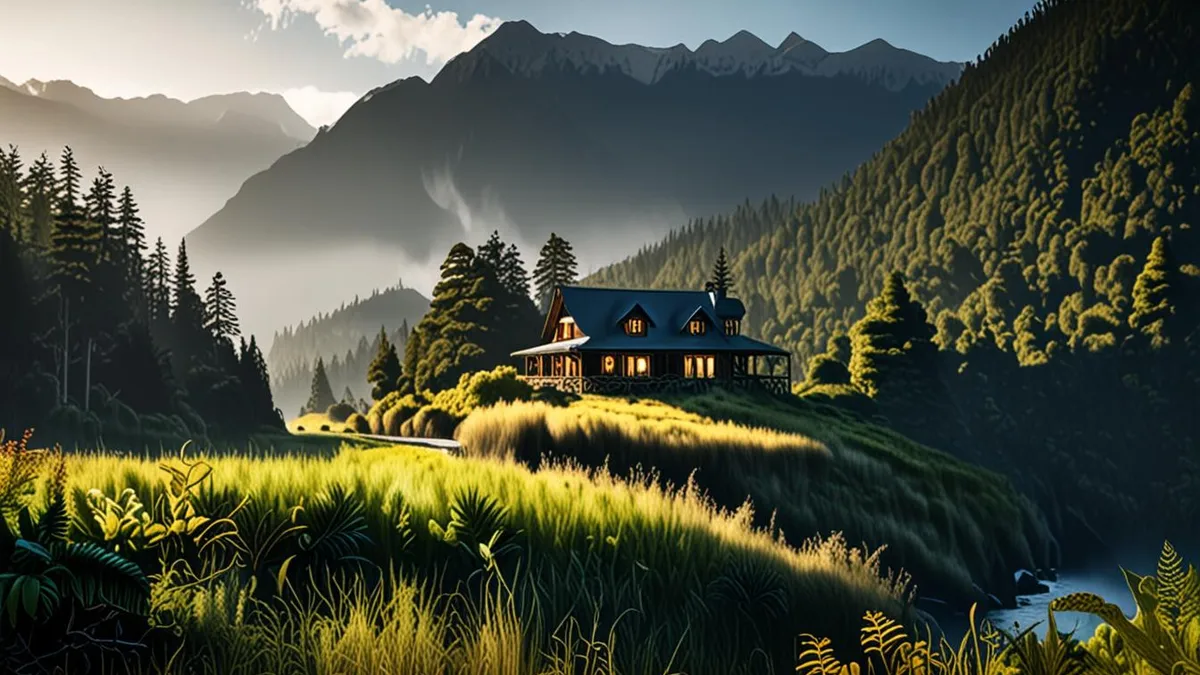
Queenstown, Wanaka and Central Otago: Lakes and Mountains
The Queenstown, Wanaka and Central Otago region offers the best balance of wilderness and comfort on the South Island. Lakefront lodges here pair alpine scenery with something the remote regions cannot match: the widest choice of restaurants, cafes and tour operators in the country. You can spend the morning on a quiet trail and the evening choosing between a dozen places for dinner, all within a short drive of your room.
The region also works as a hub. Milford Sound is reachable as a long day trip, Mount Aspiring’s hikes sit within easy reach of Wanaka, and the vineyards of Central Otago wine country are close enough for a relaxed afternoon tasting. If you want one lodge base that covers several different landscapes without repacking, this is the region to consider. The seasons matter, though. Ski season runs roughly June to September, when lodges fill with snow travelers, while summer brings lake swims, bike trails and long daylight for hiking.
What the seasons look like on the ground
- Winter (roughly June to September): the ski fields near both towns are in full swing, so expect the liveliest atmosphere and the tightest lodge availability, especially on weekends and around school holidays.
- Summer: the lakes warm up enough for swimming, and the region’s bike trail network, including lakeside and river paths, comes into its best condition for multi-day riding between towns.
- Vineyard season: Central Otago’s pinot noir country around towns such as Cromwell and Gibbston is close enough for half-day tastings, and cellar doors are busiest in the warmer months.
If alpine scenery with a sociable town base appeals to you, the same logic applies overseas: travelers planning winter trips in other mountain ranges might like our guide to alpine lodges in Zakopane for winter trips, which covers a similar lodge-and-mountains setup in Poland’s Tatra Mountains.
West Coast and Aoraki: Glaciers and Dark Skies
Few landscapes anywhere pack as much contrast into a single view as the West Coast of the South Island. Lodges near Franz Josef and Fox Glacier sit in temperate rainforest, yet the ice of the Southern Alps is often only minutes away by car or helicopter. You can walk beneath ferns and moss-draped trees in the morning and stand near a glacier terminus the same afternoon.
Glacier country, up close
The villages of Franz Josef and Fox Glacier are small, so lodge rooms book out quickly in the busier months. Staying close by matters: it lets you reach short glacier valley walks early, before the day-trippers arrive. Many lodges also arrange guided ice experiences or scenic flights, which are the most reliable way to see the full rainforest-to-ice transition. Weather changes fast on the coast, so build flexibility into your plans and ask your hosts which day looks clearest.
Stargazing in the Mackenzie
Head inland and east, and the scenery shifts to the lake country around Aoraki/Mount Cook. The Aoraki Mackenzie area is a certified dark sky reserve, which means minimal light pollution and remarkable views of the Milky Way from your lodge terrace. On clear nights, simply stepping outside after dinner can be the highlight of your stay.
Add one more reason to visit between March and September: the aurora australis. The southern lights are never guaranteed, but the South Island’s dark skies give you a genuine chance of catching them, especially from lakeside lodges with an unobstructed southern horizon.
North Island Nature: Rotorua and Tongariro
The North Island offers a different flavor of nature trip, one where geothermal steam, native forest and living Maori culture sit side by side. Rotorua is the natural base: lodges here are surrounded by geothermal parks where bubbling mud pools and steaming vents are part of the everyday landscape, not a special excursion.
Geothermal wonders and forest trails
Beyond the thermal areas, Rotorua’s redwood forest offers an extensive network of walking and mountain biking trails, many shaded and soft underfoot. Several lodges sit right at the forest edge, so you can be on a trail within minutes of breakfast. Cultural experiences are woven into the region too, with Maori-guided walks, hangi meals and storytelling sessions that give context to the land you are exploring.
Tongariro’s volcanic heart
A few hours south, Tongariro National Park holds dual World Heritage status, recognized for both its natural volcanic features and its cultural significance. The famous Alpine Crossing day hike crosses an otherworldly landscape of craters, emerald lakes and steaming vents, and it is best attempted with an early start and proper gear, as mountain weather can turn quickly. Nearby lodges let you begin at dawn without a long drive.
For travelers who want nature and culture in one trip, or who prefer milder winter temperatures than the South Island typically offers, the central and upper North Island is an easy choice. You trade fjords and glaciers for steam, forest and volcanic drama, and most lodges keep you close to both trails and cultural experiences.
When to Book and What to Pay
Timing shapes both what you pay and what you experience at a New Zealand lodge. Peak season runs from December to February, when the weather is warmest and the trails are at their best. For stays in popular regions during those months, plan to book 6-12 months ahead, as the most sought-after lodges fill early.
The shoulder months of October-November and March-April are the smart traveler’s secret. Rates drop, crowds thin out, and the scenery is often at its most photogenic, with spring growth or autumn color across the hills. Weather is more variable, but hosts usually have the flexibility to help you pick the best days for walks and tours.
As for budget, lodge rates typically range from NZ$250 to NZ$900+ per night depending on region and season. The remote luxury lodges, often with helipads, private chefs and guided excursions included, sit at the top of that range, while smaller owner-hosted properties cluster toward the middle.
- Room type matters: many lodges price garden or studio rooms well below their standalone villas and suites, so a mid-range property can still offer a premium stay if you choose the smaller room category.
- Meals and transfers add up: remote lodges often include dinner in the rate because there are no restaurants nearby, while town-based lodges may quote room-only rates; compare total nightly cost, not the headline price.
- Minimum stays are common: some high-end lodges require two or three nights, particularly in peak season, which affects how you sequence a multi-region itinerary.
- Shoulder bookings are more flexible: outside December-February, many lodges relax minimum stays and can accommodate shorter-notice bookings, ideal if your dates are not fixed.
Choosing Your Region and Next Steps
New Zealand packs rainforest, fjords, alpine lakes, glaciers and geothermal parks into one country, but the regions are far apart, so your lodge base shapes the whole trip. The short version: Fiordland for fjords and rainforest, Central Otago for lakes and variety, the Mackenzie region for dark skies, and Rotorua for geothermal landscapes and Maori culture.
Match the region to your season, whether that is summer hiking, winter skiing, or shoulder-month value with lower rates and fewer crowds. Once you have picked, lock in your lodge dates early, then build your day trips around that base rather than the other way round. If this helped you plan a New Zealand nature trip, leave a comment or share the article.