Booking a lodge trip sounds simple until you start searching. You find a place you love, then wonder whether you are paying peak-season prices for a week that does not actually need to be peak, and how far ahead you need to reserve before the good rooms are gone. Knowing when to book lodge stays makes the difference between a fair price and an inflated one.
This guide walks through the seasons that shape lodge pricing, from the expensive Christmas and New Year weeks to the quieter shoulder months that can cost noticeably less. We cover how far in advance to book for winter and summer trips, how prices shift across European regions, and how to match your trip type, whether that is skiing, aurora hunting or a summer family break, to the right season. You will also find tips on midweek rates and traveling outside peak weeks to keep costs down.
Lodge Seasons Explained: When Prices Peak
Lodge prices move with the seasons more than almost any other type of accommodation, and understanding the rhythm helps you plan around it. Two peaks dominate the calendar: winter and summer. Each one hits a different style of lodge hardest, so the “most expensive time” depends on where you’re going and what you’re there for.
The two peak windows
For alpine and aurora lodges, winter is the expensive season. From December through February, snow-covered mountain lodges and glass-roofed aurora cabins command their highest rates, and the Christmas and New Year weeks sit at the very top of the pricing scale. If your heart is set on a fireside Christmas or a snowy New Year’s Eve in the mountains, expect to pay a premium for those exact dates.
Summer flips the pattern. Lake and coastal lodges see their prices climb from June through August, when warm weather draws families and long-stay travelers to the water. July is the busiest and priciest month of this window, so lakeside and seaside properties often charge their annual maximum then.
Where the savings sit
The shoulder months of May and September through October offer a genuine middle ground. You get similar scenery, milder crowds, and rates that typically run 20-40% below peak-season prices. For many travelers, a late-September lakeside stay feels nearly as good as a July one at a noticeably lower cost.
One exception to watch: ski lodges near Innsbruck and Zakopane spike again outside the main December peak. February half-term and Easter weeks bring family skiers in force, pushing rates up sharply during those school-holiday periods.
When to Book Lodge Stays: Lead Times by Season
Lodge owners rarely discount their best rooms, so timing matters more than anything else you control. If you want a specific room type, a lake view, or a week that lines up with school holidays, treat your booking like a reservation at a top restaurant: the earlier you commit, the more choice you keep. Late bookers usually get what is left, not what they wanted.
Winter is the tightest window. Peak winter lodge stays should be reserved 4-6 months ahead to secure your pick of rooms and dates. Christmas and New Year weeks are a different beast entirely, since the top lodges often sell out first and families rebook the same week year after year. For those holiday weeks, plan on booking 6-9 months out.
Summer moves a little slower but not by much. A good rule of thumb is to book summer lodge stays 3-5 months in advance, and earlier still for July at lakeside properties, when demand peaks alongside the weather. If you are flexible on rooms and happy with a smaller cabin, you can sometimes slide toward the shorter end of that range.
- Aurora lodges need the longest lead time: properties in Finland and Iceland face the heaviest demand from January to March, so reserve 5-7 months ahead for those months, especially for glass-roofed rooms that sell out first.
- Room categories disappear in order: at popular lodges, the largest family rooms and the most scenic suites tend to go before standard doubles, so book early if room layout matters to your group.
- Deposit policies reward early bookers: many lodges hold your dates with a modest deposit and flexible cancellation, which makes reserving far ahead low-risk compared with waiting and paying full price for a worse room.
- Check the calendar around local events: festivals, hunting season, or regional holidays can fill a lodge outside the usual peak, so scan the local events calendar before assuming your dates are quiet.
If an aurora trip is on your list, it helps to see what the rooms actually look like before committing months out. Our guide to Finland glass lodges for aurora views walks through the layouts and what to expect from a night under the lights.
How Season Affects Lodge Prices Across Europe
Season shapes lodge prices differently depending on where in Europe you’re headed, and the gap can be dramatic. Nowhere is this more obvious than in the Alps. Lodges in Austria and Bavaria swing between two very different price worlds: ski season rates climb steeply from December through February, while the green-season months of late spring and autumn bring some of the softest rates of the year for the exact same rooms and mountain views.
Lake lodges follow a different rhythm. Properties around Sweden’s lakes and Poland’s Masurian Lakes are at their most affordable outside June-August, when summer demand pushes rates to their peak. Visit in late May or late September and you’ll often find calmer water, emptier trails and noticeably lighter bills.
Coastal lodges: gentler swings
Coastal lodge regions such as Normandy and Portugal see milder price swings than the Alps or the lakes. Spring and autumn stays tend to stay relatively affordable compared with the summer high season, and the weather is usually mild enough for walking, sightseeing and long seaside dinners.
One pattern holds true everywhere: midweek rates. Expect Sunday-Thursday nights to run 15-30% below Friday and Saturday prices in every season, whether you’re booking an alpine lodge in January or a lakeside retreat in July. If your dates are flexible, shifting your arrival to a Sunday is one of the simplest ways to cut costs. For travelers weighing a mountain stay, it’s worth reading up on the best mountain lodges in Europe for hikers before locking in dates, since trail access and pricing both shift with the seasons.
Matching Your Trip Type to the Right Season
The right season matters just as much as the right lodge, and it starts with knowing what you actually want to do once you get there. A lodge that feels magical in February can feel isolated in November, and a lakeside property that buzzes in July may be wonderfully calm in October. Match the trip type first, then pick the dates.
For hikers and winter sports fans
Hiking-focused mountain lodges work best from June to September, when trails are clear of snow and routes at higher elevations are reliably walkable. Booking within this window means you can plan day hikes without worrying about closed paths or muddy approaches, and mountain huts and cable cars typically run their full summer schedules.
For winter sports trips, target January after the holidays. The slopes generally hold good snow cover by then, yet prices soften noticeably compared with the Christmas and New Year weeks. You also share the mountain with fewer people, which means shorter lift lines and easier restaurant bookings.
For couples and nature lovers
Romantic lodge escapes suit shoulder months like May and late September, when settings feel quieter and rates drop. If you want inspiration for where to go, this guide to romantic lodges in Europe for couples covers stays that pair well with those months.
Nature and wildlife lodges shine in May and September-October. Landscapes turn colorful, animals are more active, and the thinning crowds make it easier to actually enjoy the view. Bring layers either way, as mornings and evenings can be cool outside the summer peak.
Finding Lower Lodge Prices Outside Peak Weeks
Timing your dates is the simplest way to cut a lodge bill without downgrading the lodge itself. The trick is to slide just outside the weeks everyone else books. Shifting a stay to the week after New Year or to early June lets you dodge the highest seasonal rates while keeping most of the weather and atmosphere you came for.
Ski destinations deserve special caution. February half-term and Easter weeks push rates above the January average at ski-area lodges, so if your dates are flexible, a mid-January trip often delivers similar snow conditions for noticeably less money.
Midweek stays are the other reliable lever. Rates from Sunday to Thursday often run 15-30% below Friday and Saturday nights, and this holds true in every season, not just the quieter months. Before you settle on dates, always price the same lodge with a Sunday arrival against a Friday arrival.
- Set alerts for late availability: deals appearing 2-4 weeks before arrival show up more often in shoulder months, when lodges have gaps to fill and may discount unsold rooms.
- Check the lodge’s own calendar first: direct bookings sometimes include perks such as flexible cancellation or breakfast that booking platforms do not highlight at the same rate.
- Compare neighboring weeks, not just neighboring days: moving a whole stay one week earlier or later can cross a seasonal price boundary and save far more than shifting by a single night.
None of these tactics requires insider knowledge, just a little flexibility. Even moving your trip by two or three days can change the total meaningfully, especially on longer stays.
Choosing a Region Based on When You Travel
Once your dates are set, the region choice becomes much easier. Different European lodge destinations peak at different times, so the calendar effectively narrows your map for you.
For winter and aurora trips
For a December-March trip, prioritize alpine regions like Austria and Poland’s Tatra mountains. Both offer snow-sure lodge settings, and areas around Innsbruck and Zakopane combine reliable winter conditions with a good spread of lodges at different price points. Just remember that these same areas command their highest rates during February half-term and Easter weeks.
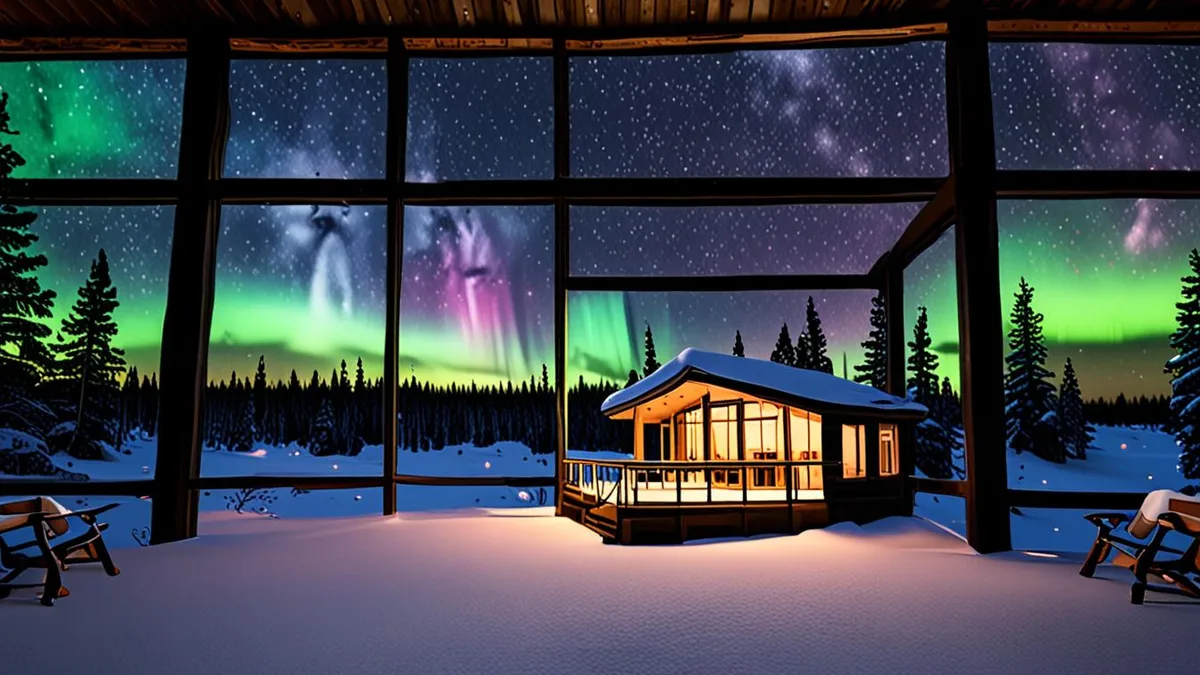
If aurora hunting is the goal, aim for January-March. Finnish glass lodges and Icelandic nature lodges sit under the strongest activity window in those months, which is exactly why demand is heaviest then. Expect to book well ahead and to pay a premium for rooms with panoramic or glass roofs.
For summer and shoulder-season trips
For June-September travel, lake regions in Sweden and Poland plus coastal Portugal offer the best lodge weather. Sweden’s lakes and the Masurian Lakes are at their liveliest in summer, while Portugal’s coast delivers warm, dry conditions without the extreme heat found further inland.
For spring and autumn, look at historic lodges in the Loire Valley and Scotland. Both pair mild weather with fewer crowds, and May or September-October stays often cost 20-40% less than peak-season equivalents while offering scenery that is nearly as rewarding. Check current opening periods before booking, as some smaller lodges reduce services outside their main season.
Wrapping Up Your Lodge Booking Plan
So when should you book your lodge stay? The short answer: expect peak prices from December to February and June to August, with Christmas, New Year and July weeks costing the most. Reserve 3 to 9 months ahead depending on the season, and you’ll have first pick of rooms and dates at a fair rate.
If your budget has more room to breathe, aim for the shoulder months of May and September-October. You’ll typically pay 20-40% less for scenery that’s just as rewarding. And whatever the season, shifting your stay to Sunday through Thursday can trim another 15-30% off the nightly rate compared to weekend nights. Have you found a booking window that works well for lodge trips? Share your experience in the comments or pass this article along to a fellow traveler.