Most wine-loving travelers have felt the frustration: you book a “vineyard villa” in Tuscany, arrive, and discover the property sits on a busy road between two towns with barely a grape in sight. Sorting genuine tuscany countryside villas from cleverly marketed ones takes a bit of know-how, especially when you also want to be close to the wineries on your list.
This guide walks you through the whole process. We cover why staying on or beside a wine estate changes the trip, which areas of Chianti and Val d’Orcia suit which kind of traveler, how to spot a villa that truly sits among the vines, the best seasons and booking lead times, how to plan winery visits around your base, and how to pick the right size and setup for your group. By the end, you’ll know exactly what to look for before you book.
Why Choose a Tuscany Countryside Villa for a Wine Trip
There’s a difference between visiting wine country and staying in it. When your villa sits on or beside a working vineyard estate, the wine becomes part of the day rather than an errand. You can step out after breakfast and walk the rows of vines, watch the light move over the hills in the evening, and wander back from dinner without anyone getting behind a wheel. On a typical trip built around day trips, you drive to a tasting, drive back, and repeat. From a villa on an estate, the tasting comes to you.
Location that actually saves you time
Villas in Chianti and Val d’Orcia put you roughly 20-90 minutes from Tuscany’s signature wine zones, which means a morning tasting, a long lunch and an afternoon at another estate all fit into one relaxed day. You’re not crossing the region twice daily, and you can be flexible when a winery offers you an extra hour in the cellar.
Space to do wine your way
A private villa gives a group something no hotel room can: room to move at your own pace. Open a bottle bought that morning over a slow dinner, spread your cellar purchases across the dining table, or host an informal tasting on the terrace. Nobody is checking out at noon or rushing you off a schedule, and the trip starts to feel less like tourism and more like a week living in wine country.
Best Areas for Tuscany Countryside Villas
Tuscany’s wine country isn’t one region but several, and the right choice depends on what you want from the trip. The two names that matter most for villa hunters are Chianti Classico and Val d’Orcia, and they offer noticeably different experiences. Choosing between them early makes every other decision, from booking lead times to daily driving plans, much simpler.
Chianti Classico, with its main towns of Greve, Radda and Castellina, is the closest serious wine zone to Florence, roughly 20-60 minutes by car. It also has one of the densest concentrations of wine estates in the region, so you can stay in one spot and still visit a different cellar every day of the week. The landscape here is gentler too: rolling hills covered in vines and olive groves, with cypress-lined roads connecting small hamlets and family-run estates.
Val d’Orcia, anchored by Montepulciano, Montalcino and Pienza, is the southern option: hilltop towns, sweeping valley views, and the big names of Vino Nobile and Brunello. The wine towns sit about 60-90 minutes from Siena, so plan on more driving but more dramatic scenery in return. Roads wind through open countryside, and distances between stops can feel longer than they look on a map.
- Montepulciano and Montalcino suit travelers focused on big reds, since these towns are the homes of Vino Nobile and Brunello di Montalcino and many estates here specialize in serious, age-worthy sangiovese.
- Greve in Chianti suits travelers who want to pair wine with Florence day trips, since you can spend a morning at the Uffizi and be back among the vines for an afternoon tasting.
- Pienza works well as a quieter base for couples who want the Val d’Orcia landscape, its famous pecorino cheese, and shorter drives to both wine towns.
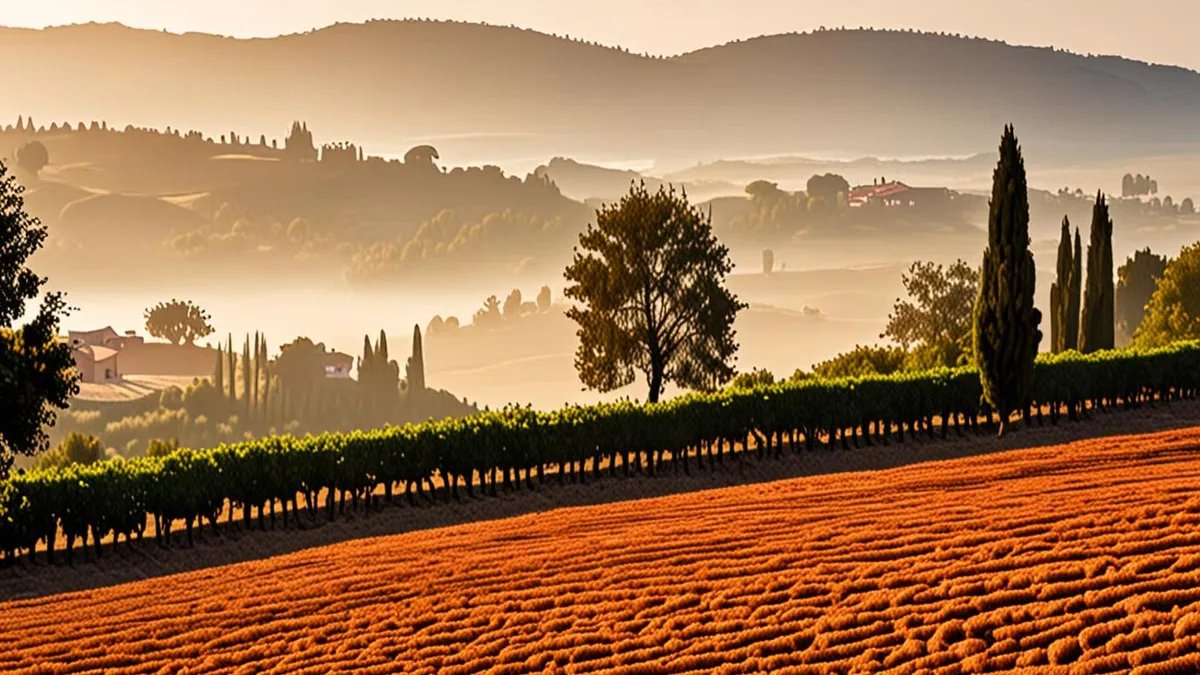
How to Spot a Genuine Vineyard Villa
Plenty of listings use the words “wine country” without the property actually touching a vine. The first question to ask any owner or agency is simple: does this villa sit on a working wine estate, or is it merely located in the countryside between towns? Both can be lovely stays, but they offer very different experiences, and the photos rarely make the distinction obvious.
A genuine vineyard villa usually shows clear signs. Look for an on-site cellar, or an attached agriturismo run by the same family, where you can taste the estate’s own wines, often a flight of 4-6 wines per booking. Ask who makes the wine, how many hectares are planted, and whether the grapes you see from the terrace end up in the bottles sold in the cellar door.
The setting matters as much as the cellar. Confirm from photos or a direct question that the terrace looks out over vineyards or olive groves rather than a neighboring property or a road, and check whether the private pool is set among the rows. That combination, a pool ringed by vines and a glass of the estate’s own red at sunset, is what you’re paying for.
- Ask for the estate’s own label before booking; a working estate will happily name its wines and vintages, while a “wine country” rental typically has none to show.
- Check who staffs the tastings, since estates with an attached agriturismo often pour their own wines on site, meaning you can taste without leaving the property in the evening.
- Study the drone shots or satellite view on the listing map to see whether the rows of vines actually border the property line or stop hundreds of meters away.
When to Book: Seasons and Lead Times
Timing shapes almost everything about a Tuscany wine villa stay. The single biggest factor is the harvest, which runs roughly mid-September to mid-October. During those weeks the estates in Chianti and Val d’Orcia are at their liveliest: you can watch grapes being picked, see the crush in action and smell fermenting must in the cellars. It is the most atmospheric time to be on a working vineyard.
The trade-off is practical. Harvest weeks bring the highest nightly rates of the year and the tightest availability, and many estates limit visitor numbers while their staff are busy in the fields. If you want that experience, plan far ahead rather than hoping for a late deal.
The quieter sweet spot: May and June
May-June is the season many returning travelers prefer. The countryside is green, the tasting rooms are calm, the weather is mild enough for long lunches outside, and prices sit comfortably below autumn levels. Vineyards are lush after spring rains, and you can book tastings with much shorter notice.
Whatever season you choose, reserve 6-9 months in advance for September and October stays in Chianti and Val d’Orcia. The best villas on working estates are few, and they are often held by returning guests year after year.
Planning Winery Visits Around Your Villa
A villa in wine country only pays off if the wineries around it are reachable, bookable and safe to get home from. Tuscany’s countryside is dotted with estates, but not every villa sits within easy reach of the producers you want to visit, and a poorly planned base can turn a dream trip into a logistical scramble. A little planning turns a string of tastings into a relaxed daily routine instead. Work through these three steps before you confirm any booking, and you will thank yourself on the first evening when you are sipping the estate’s own red on the terrace rather than studying a map in the dark.
- Map the estates first. Choose a villa within a 10-30 minute drive of at least three wine estates. That radius lets you spread tastings across several days instead of cramming them into one marathon afternoon, and it leaves room for a spontaneous second visit to a producer you loved. Cross-check the distance to each estate on a map app before booking, not after, since winding country roads can make a short straight-line distance feel much longer behind the wheel.
- Reserve your tastings ahead. Book private tastings before you travel, especially in harvest weeks when estates cap daily visitor numbers. Many vineyard estates host private tastings of 4-6 wines per booking, so ask what the flight includes and whether the winemaker or cellar manager will lead it. A guided tasting with someone who works the estate adds context you simply cannot get from a printed tasting note.
- Solve the driving question early. Keep a designated driver in the group or hire a local transfer service for tasting days. Rural roads after evening tastings are not a DIY option: expect narrow lanes, sharp bends, poor lighting and no shoulder to pull onto. Agree on the plan before the trip starts, so nobody feels pressured to volunteer on the day.
Once the radius, the bookings and the transport are settled, the rest of the trip falls into place. You can linger over a long tasting, ask endless questions in the cellar, walk back through the rows and let the villa do what it does best: keep you in wine country all day and all night, without a single rushed drive back to a hotel in town.
Choosing the Right Villa Size and Setup for Wine Lovers
The right villa depends less on square meters than on how your group actually drinks and eats. A couple who wants quiet mornings among the vines needs something very different from eight friends planning long dinners and a growing pile of purchased bottles. Match the setup to your style before you start comparing prices within the roughly €150-600 nightly range.
Couples should look at compact 1-2 bedroom guesthouses on estate grounds. You get real privacy while staying steps from the cellar door, and tastings of the estate’s own wines are usually a short stroll rather than a drive. Groups of 6-10 are better served by farmhouses with shared kitchens, where guests who bring cellars home can cook with local wine and the bottles bought that afternoon.
- Covered outdoor dining is non-negotiable. A loggia or pergola with a long table lets dinners run for hours with vineyard views and shelter from an evening shower, a signature of the region.
- Check the kitchen for wine duty. Look for a proper wine fridge or a cool, dark storage spot, plus a corkscrew collection that survives more than one bottle a night.
- Ask about tasting access for your dates. On working estates, confirm whether daily or on-request tastings of the estate’s 4-6 wines are available during your stay, not just in high season.
Get the size, the kitchen and the outdoor table right, and the villa becomes part of the wine experience rather than just a place to sleep.
Final Notes on Your Tuscan Wine Stay
The problem most wine-loving travelers face is finding a countryside villa that is genuinely surrounded by vineyards and close to the wineries they want to visit, rather than a generic rental in wine country. The best trip combines a Chianti or Val d’Orcia base, a villa on a working estate and tastings booked ahead of arrival.
Timing matters too. Aim for May-June or September-October, and if you want harvest season, reserve 6-9 months out. Before comparing prices within the €150-600 nightly range, match the villa’s size and setup to your group, since the right layout matters more than the nightly rate. If this helped you plan your Tuscan wine stay, leave a comment or share the article.