Singapore is compact, but its neighborhoods differ sharply in price and atmosphere, so choosing the wrong base can cost you both money and time. A room near the waterfront might run several times the price of an equally comfortable stay in a heritage district, while a quiet corridor on weekends can feel lifeless if your trip revolves around nightlife. Figuring out where to stay in Singapore before you book is the single easiest way to stretch your budget and cut unnecessary travel time.
This guide compares the city’s main bases: Marina Bay for skyline views and high-end hotels, Orchard Road for shopping convenience, the heritage quarters of Chinatown, Kampong Glam and Little India, and the riverside nightlife around Clarke Quay. We also cover when to book, what you can expect to pay, and how to pick the base that matches your trip style.
Marina Bay: Skyline Views and the High-End Experience
Marina Bay is the Singapore most first-time visitors picture before they arrive: the skyline, the waterfront promenade and the towers glowing after dark. If iconic views, rooftop pools and walkable access to Gardens by the Bay top your list, this is the area built for you. You can step out of your hotel and be among the Supertrees within minutes, and the light shows in the evening are easy to catch without any transport planning.
What you will pay
Expect the highest nightly rates in the city here, mostly SGD 400 and up, with noticeably fewer budget options than elsewhere. The hotel stock is dominated by large integrated resorts and luxury towers, so travelers on a mid-range budget often find the pickings slim unless they book far ahead or catch a promotion.
The evening trade-off
One thing that surprises many visitors: once the light shows finish, the area goes quiet. Dining is concentrated in malls and hotel towers rather than local eateries, so if you want hawker stalls and neighborhood coffee shops at your doorstep, you will likely travel for them. For travelers who prioritize the postcard experience and are happy to hop on the MRT for food, those trade-offs are easy to accept.
Orchard Road: Shopping District Convenience
Orchard Road is a single corridor of connected malls, food courts and MRT stations, which makes it the natural pick for shoppers and for families who want everything within a covered, air-conditioned walk. You can shop in the afternoon, eat at a food court in the evening and be back in your room without ever worrying about rain or long transfers.
Value varies block by block
The hotel stock here spans mid-range chains around SGD 150-250 per night up to luxury flagships, so value varies enormously depending on which block you book. Two hotels a few minutes apart on the same street can differ sharply in price and quality, so it pays to compare individual properties rather than judging the district as a whole.
The trade-offs
Be aware that the area is quiet on weekends, when office crowds vanish and some of the energy drains out of the corridor. It also lacks the street-level charm of the heritage quarters: this is a district of shopping centers and towers, not shophouses and street markets. If atmosphere matters more to you than convenience, Orchard Road may feel a little sterile.
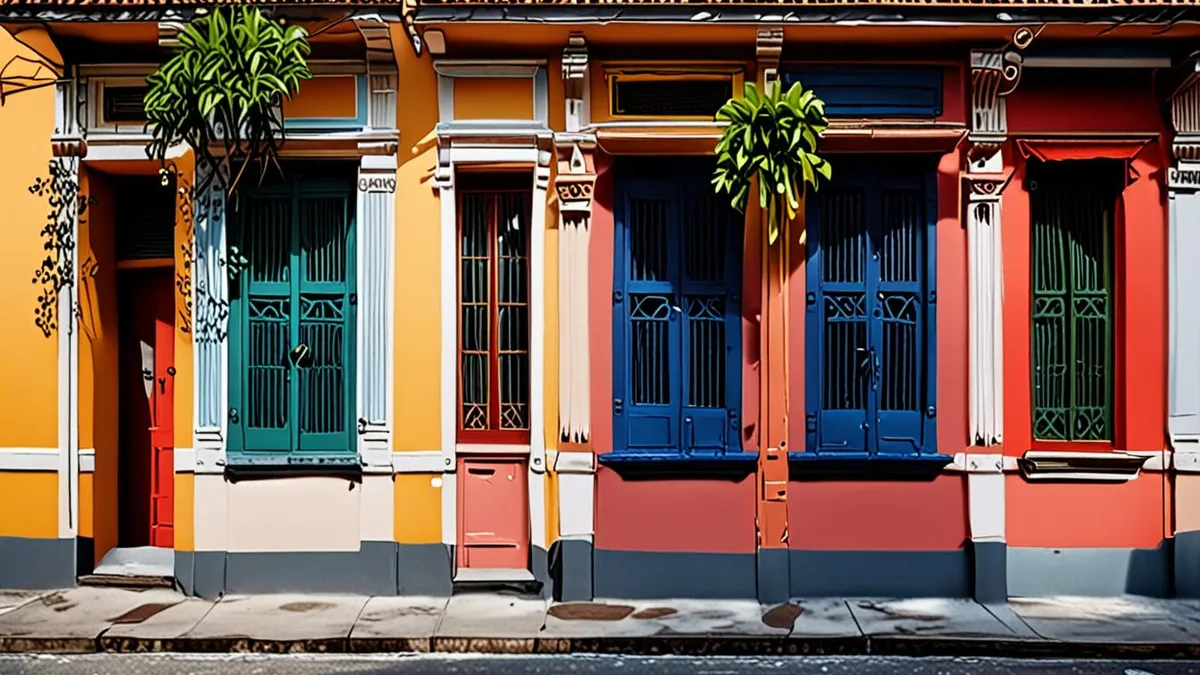
Chinatown, Kampong Glam and Little India: Heritage Areas Compared
Singapore’s heritage districts offer the most character per dollar, but they suit different travel styles. Chinatown has the widest choice of boutique stays in restored shophouses, and you can be at a hawker center within steps of your room. Kampong Glam is the most compact and walkable of the three, with cafes and street art packed into a few lanes, which makes it ideal for short city breaks. Little India is usually the cheapest of the three and has the liveliest street markets, though it is busiest after dark. None of these areas feels sterile or corporate; each one still works as a living neighborhood, with residents, temples, mosques and family-run businesses sharing the same streets as the hotels.
- Chinatown: the shophouse hotels here often sit above or beside traditional trades, from herbal shops to tea merchants, so the streetscape around your hotel is part of the experience. Expect mid-range rates that typically fall in the SGD 150-250 band, though restored shophouse boutiques with more atmosphere can push higher.
- Kampong Glam: its small size means you can walk from your hotel to the Sultan Mosque area, independent boutiques and coffee spots in a matter of minutes, with almost no need for transport. It works especially well for travelers who want to wander on foot between breakfast and dinner without planning much in between.
- Little India: the 24-hour markets and late-opening shops give the neighborhood its energy, which is exactly why light sleepers should check where their room sits relative to the main streets. A room on an inner lane makes a noticeable difference here.
Whichever you pick, all three districts sit on MRT lines, so reaching Marina Bay or Orchard Road takes minutes rather than an expedition, and each ride typically costs under SGD 2. Changi Airport is also only about 20-25 minutes away by car or MRT, so arrivals and departures stay painless. For many travelers, a heritage base delivers the most memorable stay at a mid-range price.
Riverside and Clarke Quay: Nightlife Near the Water
Clarke Quay and the wider riverside area suit a specific kind of traveler: someone who wants to step out of the hotel and be at a bar, a restaurant or the water’s edge within a few minutes on foot. If your evenings matter as much as your days, this is the most convenient base in the city for that lifestyle.
Rates here typically sit in the mid-range band of around SGD 150-250 per night, which makes the area a genuine middle ground. You pay noticeably less than Marina Bay’s SGD 400-and-up properties, but you stay closer to the central core than most heritage districts allow. For many visitors, that balance is exactly right.
The noise question, answered honestly
Clarke Quay’s bar and club scene is lively, and the sound carries. Rooms facing the quay itself can be loud well into the night, especially on weekends. The practical fix is simple: request a room facing the river away from the quay, or one overlooking a side lane. Guests in those rooms consistently report a much quieter stay, so it is worth sending the hotel a quick note before you arrive.
Dining along the river leans toward restaurants and tourist-oriented spots rather than local hawker stalls, though you can walk or take a short MRT ride to Chinatown or the Central Business District for more variety. If nightlife within walking distance is your priority, this area delivers it better than anywhere else in Singapore.
When to Book and How Much You Will Pay
Singapore’s hotel prices swing more than most travelers expect for a city this compact. The same room can cost a third more in peak weeks than in quieter months, so timing your booking matters almost as much as choosing your area. Mid-range rooms typically run SGD 150-250 per night, and where you land within that band often depends less on the neighborhood than on when you reserve. A little planning goes a long way here, and the three habits below cover most of it.
- Book 2-3 months ahead for peak periods. June through August is the busiest stretch, and the Grand Prix in September pushes rates up sharply across the whole city, not just near the circuit. Locking in early is the single most effective way to avoid the spike, and it also gives you a wider choice of rooms before the best-value ones disappear.
- Travel February to April for better value. This window offers drier weather than the November-January wet season, and prices tend to be softer. It is the sweet spot for combining comfortable conditions with a mid-range budget, especially if you plan to walk between neighborhoods rather than retreat indoors from afternoon downpours.
- Look slightly outside the core. Hotels near outlying MRT stations can cut nightly costs by around 20-30 percent compared to the same standard in the center. Since most sights sit within about 20 minutes of the city center by train, the trade-off is usually small. Fares are inexpensive, typically under SGD 2 per ride, so a slightly longer commute rarely hurts your wallet or your schedule.
Seasonal pricing patterns are not unique to Singapore, of course. If you want a broader sense of how the calendar shapes hotel rates, this comparison of how European hotel prices change by season shows the same logic at work in a very different market. Whichever window you pick, check current rates directly with hotels or booking platforms, since promotions and events shift prices from week to week. It also pays to compare the same room across a couple of dates before committing, because a one-night shift can sometimes make the difference between peak and shoulder pricing in this city.
How to Choose Your Base in Singapore
Travelers often agonize over which district to pick, but Singapore rewards a different approach: choose proximity to an MRT station first, and the neighborhood second. Fares typically run under SGD 2 per ride and journeys take minutes, so a hotel one stop outside the trendy area rarely costs you any real time. It can, however, save you a meaningful chunk of your budget.
Once transport is settled, match the area to your trip style. Marina Bay delivers the skyline views and rooftop pools, the old shophouse districts full of character and street food give you a taste of local life, and Clarke Quay puts nightlife at your doorstep. There is no wrong answer, only a wrong fit for your plans.
Details worth checking before you book
- Room orientation. In busy districts, ask whether your room faces a main road or an inner lane. A quiet side-facing room can make a lively neighborhood feel peaceful at night.
- Actual walking distance to the station. “Near an MRT station” can mean anything from 100 meters to a 15-minute walk in the heat. Check the map yourself rather than trusting the listing’s wording.
- What is directly around the hotel. A hotel above a mall gives you food courts and air-conditioned shelter from afternoon downpours, while one in a shophouse row puts hawker centers steps away. Decide which suits your evenings.
Singapore is small, roughly 50 km east to west, and most sights sit within 20 minutes of the center. That means your base is a comfort choice more than a logistics one, so pick the atmosphere you will enjoy waking up in.
Final Word on Singapore’s Best Areas
Singapore is a small city, but its neighborhoods are not interchangeable. Marina Bay delivers the skyline views at the highest prices, Orchard Road centers on shopping convenience, the heritage quarters trade polish for character, and Clarke Quay keeps you steps from the bars and riverside dining. Picking the wrong base can cost you both money and time, so match the area to how you actually travel.
Whichever district you lean toward, timing helps: booking 2-3 months ahead and traveling February to April keeps rates closer to the SGD 150-250 mid-range. And because the city is compact and MRT rides stay under SGD 2, any area near a station works well in practice. If this guide helped you plan your stay, leave a comment or share it with a fellow traveler.