Many travelers arrive at a remote lodge after a long drive only to face a locked door, no reception and no idea how to get inside. Unlike a city hotel, there may be no front desk to walk up to, no bell to ring and no staff nearby. Lodge check-in works differently in remote settings, and the travelers who struggle are usually the ones who assumed it would work like a hotel.
This guide walks you through what to expect and how to prepare. We cover how remote lodge check-in differs from standard hotel arrivals, the main access methods including keys, lockboxes and smart locks, and how arrival windows and late arrivals are handled. You will also find advice on what to confirm before you travel, how to plan your route and time the drive, the most common check-in problems and how to avoid them, and a short wrap-up to set you up for a smooth start.
How Lodge Check-In Differs at Remote Stays
At a city hotel, you can usually roll up at any hour, walk to a lit front desk and be in your room within minutes. A small remote lodge rarely works that way. Many have no 24-hour front desk at all, and the building may sit at the end of a forest track where staffing a desk around the clock simply is not practical.
The afternoon reception window
Instead of round-the-clock service, staffed reception at remote lodges is commonly limited to an afternoon window, roughly 15:00–18:00. That window is when a manager or host is on hand to greet you, hand over keys and show you around. Arrive inside it and check-in tends to be relaxed and personal; arrive outside it and you may find nobody on site at all.
Why the owner may not be waiting
Owners of remote lodges frequently manage several properties at once, sometimes spread across a wide area. Rather than sitting behind a desk, someone may drive out specifically to meet you at the agreed time, which makes your arrival timing matter far more than it would at a hotel. It also explains why communication starts early: phone signal around remote lodges is often weak or patchy, so instructions, directions and access details usually arrive by email in the days before you leave home, not in person when you pull up. Read that email carefully before you set off, because it may be your only guide once you lose signal.
Keys, Lockboxes and Smart Locks: The Main Access Methods
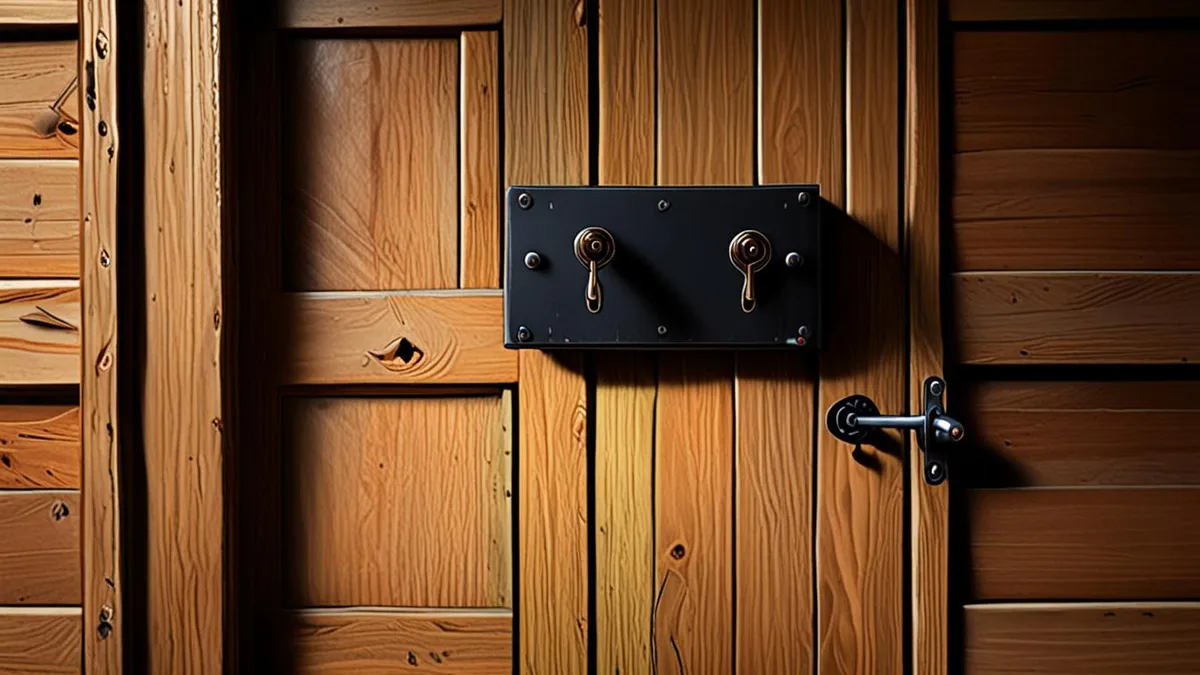
Remote lodges rely on a handful of tried-and-tested access methods, and knowing which one applies to your stay removes most of the arrival stress. Some lodges still favor a personal welcome, while others have moved fully to self check-in technology. Many use a combination, depending on the time you arrive and how the property is staffed that day. Before you travel, it helps to ask the lodge directly which method you should expect, so you can prepare the right things — a charged phone, a printed copy of the code, or simply an earlier arrival to meet someone in person.
- In-person handover: the host or manager meets you, walks you through the property and answers questions on the spot — a good moment to ask how the heating, water system and any wood stove actually work before you are alone.
- Lockbox: a small coded box mounted by the door holds the physical key; the code is usually emailed 3–7 days before arrival, so check that message arrived and save it offline before you lose signal.
- Smart locks and keypad entry: increasingly common at remote properties, with a personal code that activates only for your stay dates and expires when you leave, so there is no physical key to lose or return.
- Key deposits: where a lodge charges one, it typically runs $50–$200 and is refunded once the key is returned, so note where the key must be left on departure day.
If your stay involves a deposit or a physical key, ask in advance exactly where and how it should be returned. Some lodges ask you to post the key back through a letterbox or leave it in the lockbox on your way out. Others may deduct the deposit if the key goes missing, so treat it like your passport during the stay. Sorting out these small details before you travel keeps your departure as smooth as your arrival.
Arrival Windows and Late Arrivals
Your arrival time shapes the entire check-in experience at a remote lodge. Aim to arrive within the stated check-in window, because arriving outside it may mean no staff are on site to greet you. Unlike a hotel, there is rarely someone a corridor away who can sort things out, so the window genuinely matters.
How late arrivals are handled
Arrivals after 18:00 usually rely on self check-in via lockbox or smart lock. That works well if you have your code, your instructions and a charged phone, but it means you will not get a walkthrough of the property. Arrivals after 21:00 generally require pre-arranged written instructions agreed in advance, covering everything from the access code to where to find light switches and heating controls in the dark. Do not assume a very late arrival can simply be improvised on the night.
If you are delayed
Delays happen, and remote lodges are used to them — but communication is everything. If your flight or drive is delayed, message the lodge as early as possible while you still have signal. Once you leave the main roads, coverage often drops away quickly, and a message sent from the last town with signal can make the difference between a host waiting up with the lights on and a lockbox code re-sent into the void. Save the lodge’s contact details in your phone before departure, and if you know in advance that you will arrive late, agree the arrangements in writing rather than hoping someone will be there.
What to Confirm Before You Travel
Remote lodges don’t have a concierge who can fix things on the spot, so the questions you’d normally ask at a front desk need answering before you leave home. The most important one is simple: how exactly do you get in? Ask for the full access instructions in writing, including any door codes, the location of a lockbox, and where you should park. Ideally, request these in the days before your trip so there’s time to sort out anything missing.
Communication is the second thing to pin down. Phone signal at the lodge itself may be weak or nonexistent, so a number that only works once you arrive is useless. Get a contact that works from the road, plus the lodge’s emergency contact for genuine problems like a locked gate or no heating. Save both in your phone and write them down somewhere that survives a dead battery.
Food matters more than you’d expect, too. Remote kitchens often stop serving early, and a lodge that looks like it offers dinner may have a cut-off time you’ll miss if you arrive in the evening. Ask in advance whether meals are available on your arrival night, or plan to eat and shop before the final leg of your drive.
Finally, get a sense of how isolated the lodge really is. Many sit 30–90 minutes from the nearest town, fuel station or shop, which changes how you plan everything from dinner to an emergency pharmacy run.
- Ask specifically which entrance is yours: lodges on shared access roads sometimes have several buildings, and a code for the main lodge won’t open a separate cabin.
- Confirm parking arrangements, including whether you need to leave your car in a designated spot or unlock a gate to reach it.
- If a key deposit applies, ask how it’s charged and when it’s refunded — lodges that take one usually return it once the key is back in their hands.
- Request details on heating and hot water, since some remote lodges run systems (wood stoves, gas boilers, seasonal water setups) that need a quick explanation.
- Ask whether check-in happens in person or via lockbox or smart lock, so you know whether someone will actually be waiting for you.
Planning Your Route and Timing the Drive
The drive to a remote lodge is usually the hardest part of the trip, and it deserves more planning than the booking itself. Start with timing: mountain and forest roads can double your driving estimates in poor weather, so a route that looks like two hours on a map may take four in rain or snow. Build in buffer time rather than arriving with minutes to spare.
Refuel and buy supplies before the final leg. Services thin out dramatically close to remote lodges, and the last stretch may have no fuel station, shop or restaurant at all. A full tank and a bag of groceries remove the most common reasons for unplanned stops on a dark road.
Navigation and the last stretch
Download offline maps before you lose signal. Navigation often fails in the final stretch, precisely where the turning to the lodge is hardest to find. Check whether the lodge has sent pin locations or written directions, and keep them accessible without a data connection.
In winter, plan to arrive in daylight. Dark drives on icy roads are the most common cause of late check-ins, because everything from finding the gate to walking the path to your cabin gets harder and slower after sunset. Arriving early afternoon gives you slack for delays and still leaves light to settle in. If your travel dates are still flexible, it helps to know how conditions shift through the year — this seasonal guide to Rocky Mountain lodge stays breaks down what to expect before you book.
Common Lodge Check-In Problems and How to Avoid Them
Most lodge check-in problems are small, but at a remote property with no staff on site, small problems grow quickly. The good news is that nearly all of them are preventable with a bit of preparation before you set off. Here are the issues travelers run into most often, and how to avoid them.
A dead phone battery is the classic one. If your access code, directions and contact numbers all live on your phone, a flat battery at the end of a long drive leaves you stranded outside the door. Carry a charged power bank, and keep printed instructions in the car as a backup.
Missing lockbox codes cause plenty of stress too. Check your spam folder first, and if nothing has arrived, contact the lodge about a week ahead rather than on the day, when there may be no one available to help. The same logic applies to any question about the property: ask early, while someone can still answer.
- Wrong entrance or gate: lodges often share access roads with neighbors or have multiple buildings, so confirm in writing which door, gate or driveway is yours — a photo of the entrance sent by the host removes all doubt.
- No staff on site to explain facilities: ask for a written guide covering heating, water, appliances and anything unusual (a wood stove, a generator, a septic system) so you’re not guessing at 21:00 in the dark.
- Unclear parking: ask exactly where to leave the car, especially if snow, gravel or a shared driveway is involved.
- Lost signal on arrival: save the lodge’s contact details and directions offline, and tell someone at home your expected arrival time so a delay doesn’t go unnoticed.
Wrapping Up: A Smooth Start to Your Lodge Stay
Arriving at a remote lodge doesn’t have to end with a locked door and a sinking feeling. The fix is mostly preparation: know your access method before you leave, aim for the arrival window, and keep your instructions available offline. Confirming the details a few days ahead of your trip prevents most of the problems travelers run into at the door.
The drive matters just as much. Plan it with daylight, fuel and buffer time in mind, and the whole stay starts on a calmer note. Do that, and check-in becomes a formality rather than a puzzle. If this helped you plan an upcoming trip, leave a comment or share the article with a fellow traveler.