Both Norway and Sweden promise spectacular Nordic lodge holidays, but which country actually fits your budget, season and travel style? That’s the question behind this Norway vs Sweden lodge stays comparison, and it matters more than most travelers expect. The two neighbors look similar on a map, yet their lodge prices, access and best seasons differ in ways that can shape your whole trip.
In this guide, we break down the core difference between the two countries, compare typical lodge prices, and match each destination to trip styles like fjord hiking, aurora chasing and family escapes. We also cover the practical side: getting there and around, what to book and when, and a final verdict to help you choose. Expect honest numbers, seasonal tips and a clear answer to which country suits you best.
Norway vs Sweden Lodge Stays: The Core Difference
The biggest difference between a lodge stay in Norway and one in Sweden comes down to landscape and mood. Norway is all about drama: sheer fjord walls, sharp mountain peaks and lodges perched where the views hit hardest. Sweden trades that drama for calm, with rolling forests, quiet lakes and water everywhere in softer forms.
Where the lodges cluster
In Norway, most lodge stays concentrate around three heavyweights: Bergen, which works as a gateway to the fjords; the Lofoten Islands, where fishing-village lodges sit below steep granite walls; and Geiranger, at the heart of the country’s most photographed fjord country. Expect rooms and cabins where the scenery does most of the talking.
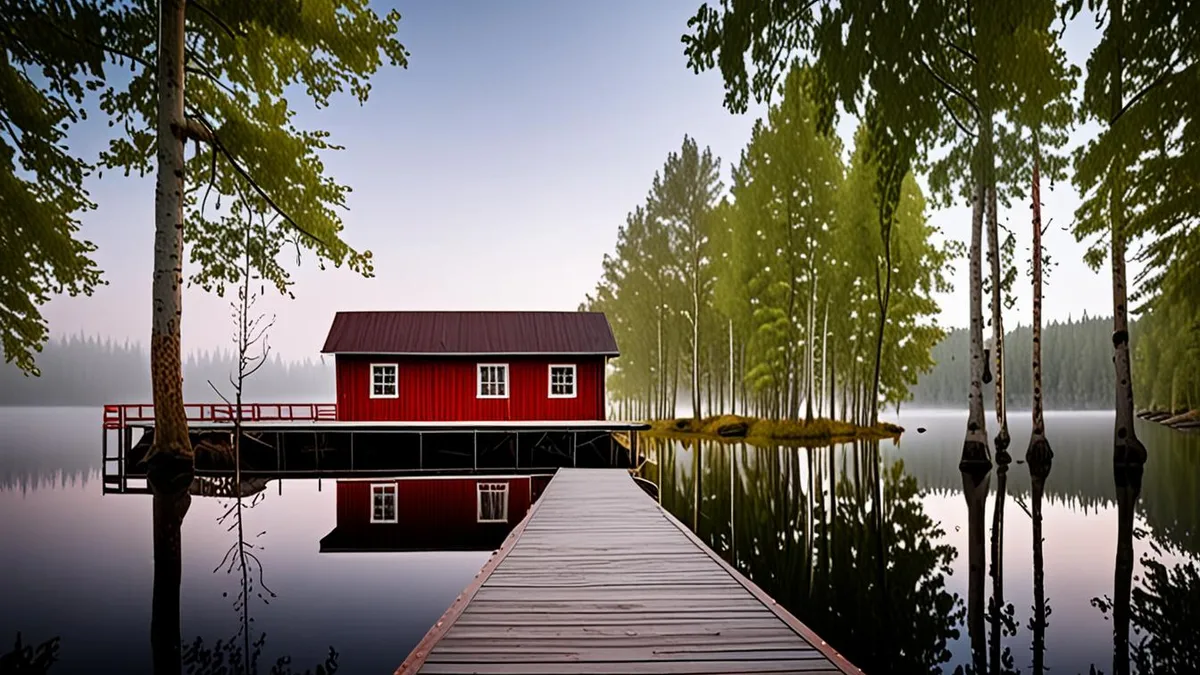
Sweden spreads its lodges across gentler terrain. Swedish Lapland draws travelers north for winter stays in forest settings, while Dalarna offers classic red-cabin country around lakes and woods. Closer to the capital, the Stockholm archipelago has lodge and guesthouse options scattered across thousands of islands, many reachable by regular boats.
Which mood fits your trip
Choose Norway if your trip is built around iconic views, the kind you recognize from photographs before you arrive. The landscapes are dramatic, and the lodges put you right inside them.
Choose Sweden if you want space, silence and a slower rhythm. Forest lodges, lakefront cabins and archipelago retreats suit travelers who’d rather read by a wood stove than race between viewpoints. Neither is better; they simply serve different kinds of trips.
How Lodge Prices Compare Between the Two Countries
If you put two similar lodges side by side, one in Norway and one in Sweden, the Norwegian one will usually cost more. In practice, Norway lodge stays typically run 20-40% above comparable Swedish lodges, and the gap is widest in the fjord regions, where demand for views of the water and mountains keeps rates high all summer.
For a mid-range trip, budget roughly NOK 1,500-2,500 per person per night in Norway, against SEK 1,200-2,200 in Sweden. That difference adds up quickly for a couple staying a week. In Norway you might pay for a smaller room and half-board meals; in Sweden the same budget often stretches to more space or a self-catering cabin where you cook some meals yourself.
Timing matters as much as the country
July peak rates in both countries run 30-50% above shoulder-season prices, so the same lodge can cost dramatically less in May-June or September. If your dates are flexible, shifting a fjord trip from mid-July to early June can save enough to add extra nights, and September often brings calmer trails along with softer rates.
For a fuller picture of how costs vary by destination, see this breakdown of lodge prices by region, which shows where your budget goes furthest in Scandinavia.
Best Seasons for Lodge Stays in Norway and Sweden
Timing shapes a lodge stay more than almost anything else in Scandinavia. The same lodge can feel like a different trip depending on whether you arrive under the midnight sun or in the depths of polar night. Both countries follow broadly similar seasonal rhythms, so your choice of dates matters more than your choice of country.
Hiking season runs from June to early September in both the Norwegian fjords and the Swedish mountains. Outside those months, high-altitude trails often hold snow and many mountain lodges reduce services or close altogether. If hiking is your priority, aim for late June or early September to enjoy long daylight with thinner trails than the July peak.
The far north offers two very different spectacles. Northern lights season spans late September to mid-March, with the best odds in far northern regions such as Tromsø in Norway and Swedish Lapland. The midnight sun, lasting from late May to late July in far northern Norway and Sweden, flips the equation entirely: the sun never sets, which suits travelers who want flexible, long days rather than dark skies.
- Shoulder-season lodge perks: In late September, you can sometimes combine the tail end of hiking season with the first aurora displays, especially from lodges in the far north.
- Winter lodge atmosphere: Stays between December and February often include extras like saunas, firelit lounges and snow-based activities, which suit travelers spending more time at the lodge itself.
- Spring is the quiet wildcard: May sits between seasons, so some mountain lodges are still closed, but lake and forest lodges in Sweden often open with peaceful grounds and waking wildlife.
- Daylight drives planning: If photography matters, remember that southern lodge areas get only a handful of daylight hours in midwinter, while far northern lodges trade daylight for aurora potential.
Choosing by Trip Style: Hiking, Aurora or Family
The right country depends heavily on what you actually want to do each day. Norway and Sweden both deliver excellent lodge stays, but they shine for very different trip styles, and picking the wrong match can leave you feeling like you booked the wrong vacation entirely.
Hikers get the more dramatic trails in Norway. Routes like Preikestolen and Trolltunga deliver the kind of cliff-edge, fjord-below views that fill camera rolls, and Jotunheimen offers multi-day mountain trekking with lodges positioned as natural bases between stages. Swedish trails are beautiful but gentler, so serious hikers usually lean Norwegian.
Aurora chasers face a genuine choice. Tromsø-area lodges in Norway sit well inside the aurora zone and pair sightings with Arctic city life, while Swedish Lapland lodges near Abisko are known for favorable clear-sky statistics, thanks to a microclimate that often keeps clouds at bay. Both work; the difference comes down to scenery preferences and budget.
Families often find better value and space in Swedish lake and forest lodges. Self-catering options are more common, which helps with picky eaters and early bedtimes, and kids get room to roam rather than cliff-edge warnings. For a deeper look at what makes a lodge genuinely family-friendly, see this guide to choosing a family lodge.
- Trail difficulty matters: Trolltunga is a long, demanding day hike that requires proper preparation, while many Swedish lodge trails suit casual walkers and children.
- Aurora logistics differ: Tromsø lodges often run organized northern lights excursions, whereas Abisko-area stays lean on the region’s natural clear-sky advantage.
- Family space: Swedish lake lodges frequently include separate sleeping cabins or larger common areas, something Norwegian fjord lodges offer less often.
Getting There and Getting Around
Logistics should shape your choice more than most travelers expect. Norway’s headline lodge regions are spectacular but spread out, while Sweden’s are comparatively compact and connected.
The Oslo to Bergen train takes about 7 hours and is a journey in itself, crossing mountain plateaus before dropping toward the fjords. It conveniently links two of Norway’s main lodge regions, so you can base yourself on either end and build a trip around it. Many travelers treat the ride as a highlight rather than mere transport.
Reaching northern Sweden is surprisingly quick
Stockholm to Swedish Lapland is roughly 1.5 hours by air, which makes northern Sweden faster to reach than many Norwegian fjord areas, where you may combine flights, drives and ferries. If your trip is short, that difference alone can decide the destination.
Norway’s fjord regions often require ferries and mountain roads, which adds charm but also time and planning, especially outside peak season when schedules thin out. Sweden’s lodge areas are generally easier to reach by car or rail, with well-maintained roads and straightforward connections from Stockholm. Check ferry timetables and road conditions well ahead if you’re set on a Norwegian fjord base, and rent a car only if you’re comfortable with narrow, winding routes.
What to Book and When
Timing your booking well can save real money and secure the lodges everyone else wanted. The pattern differs between the two countries and between peak and shoulder seasons, so it pays to plan in stages. Small, family-run lodges in both countries often have only a handful of rooms, which means the best-positioned ones disappear early rather than slowly. The good news is that the rules of thumb are simple once you know your dates and your travel style.
- Book July fjord lodges 4-6 months ahead. July is peak summer in Norway, when rates run well above shoulder-season levels and fjord-region lodges with the best positions sell out first, so reserve early if your dates are fixed.
- Reserve Swedish Lapland aurora lodges 3-6 months before the December-March peak. Small lodges near prime aurora spots have limited rooms, and winter demand is intense once the dark season arrives.
- Use shoulder seasons for flexibility. May-June and September stays can often be booked just 1-2 months out, and rates are noticeably kinder than July’s, which stretches a lodge budget further.
- Confirm the meal arrangement before paying. Remote Norwegian mountain lodges often operate on half-board, while Swedish lodges more often offer self-catering, which changes both your budget and your packing. Ask about kitchen access if you plan to cook.
- Ask about cancellation terms. Weather and ferry schedules can shift plans in fjord regions, so a flexible rate is worth a small premium.
For a fuller breakdown of how seasons, prices and booking windows interact across both countries, this guide to when to book lodge stays walks through the details. A little forward planning goes a long way, especially for the small, remote lodges that make these countries special. Set a calendar reminder for your booking window, check rates directly with the lodge as well as booking platforms, and you’ll usually land a better room at a fairer price.
Which Country Should You Choose?
So, which country fits your trip? If you are chasing fjord drama, iconic hikes and world-class scenery, and you accept paying 20-40% more for it, Norway is your answer. The landscapes simply have no equal, and lodges near the fjords put you right at the heart of it.
If you want better value, forest and lake settings and easier logistics, especially for families, Sweden is the smarter pick. Lodges there tend to be more affordable, more spacious and simpler to reach. And whichever way you lean, both countries reward shoulder-season visits, when prices drop and crowds thin. Have a trip planned, or torn between the two? Share your thoughts in the comments or pass this article along to a fellow traveler.